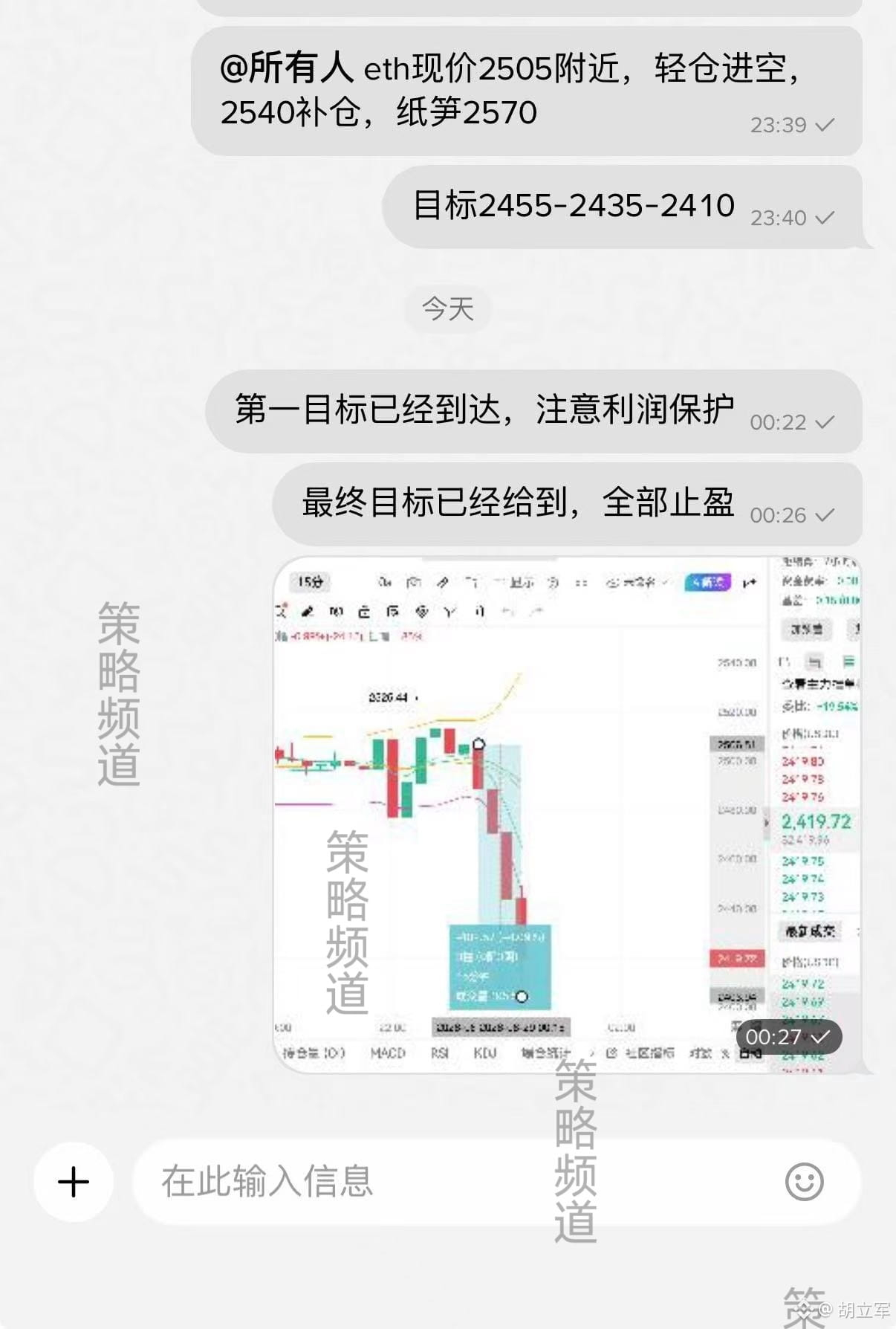
Losing money isn’t because you don’t understand technology—it’s because you’re too self-assured. Always trying to guess the bottom, find shortcuts, and make subjective calls on the market. To build a million in assets, it’s not luck; it’s rigid rules. $ETH
Only consider a bullish crossover when the MACD on the daily chart is above the zero axis. After years of reviewing the price action of major coins, this signal has the highest odds. Don’t touch a crossover below the zero axis. I got greedy and tried once—I was stuck for two months. The lesson was painful.
The 20-day moving average is the bottom line. Only consider entering when the price is above the line. After an effective breakdown, regardless of profit or loss, clear the position immediately. There was once a case where the asset retested its support level; I cut losses decisively. Later it kept falling, and I avoided a round of deep entrapment. #USWeeklyInitialJoblessClaimsRiseTo206000
Respect position sizing and take-profit rules. Only consider going heavy when a breakout occurs with strong volume at a key level. In normal times, keep position size within half. Take profit in several batches: as the price rises to a certain extent, reduce one batch first; when it rises again, reduce another batch; what remains will use a trailing stop. #SnowflakeSurges24%OnEarningsBeat $ARB
Stop-loss becomes a reflex. If the price breaks below the moving average, don’t wait for a rebound—cut immediately. In my early years, I hesitated and didn’t stop out in time, and I lost more than half my capital. Making money in crypto isn’t about flashy tricks—it’s about executing signals, moving averages, position sizing, and stop-losses properly. It looks “clumsy,” yet it takes you farther than most subjective traders.
Only consider a bullish crossover when the MACD on the daily chart is above the zero axis. After years of reviewing the price action of major coins, this signal has the highest odds. Don’t touch a crossover below the zero axis. I got greedy and tried once—I was stuck for two months. The lesson was painful.
The 20-day moving average is the bottom line. Only consider entering when the price is above the line. After an effective breakdown, regardless of profit or loss, clear the position immediately. There was once a case where the asset retested its support level; I cut losses decisively. Later it kept falling, and I avoided a round of deep entrapment. #USWeeklyInitialJoblessClaimsRiseTo206000
Respect position sizing and take-profit rules. Only consider going heavy when a breakout occurs with strong volume at a key level. In normal times, keep position size within half. Take profit in several batches: as the price rises to a certain extent, reduce one batch first; when it rises again, reduce another batch; what remains will use a trailing stop. #SnowflakeSurges24%OnEarningsBeat $ARB
Stop-loss becomes a reflex. If the price breaks below the moving average, don’t wait for a rebound—cut immediately. In my early years, I hesitated and didn’t stop out in time, and I lost more than half my capital. Making money in crypto isn’t about flashy tricks—it’s about executing signals, moving averages, position sizing, and stop-losses properly. It looks “clumsy,” yet it takes you farther than most subjective traders.