
大仁Jaron
147 Posts

大仁Jaron
 Square Verified+
Wb3项目投研|AI研究生|推特X: @Jaron2277

SOL Holder
Frequent Trader
3.6 Years
620 Following
30.9K+ Followers
30.8K+ Liked
Posts
All
Quotes
Live
PINNED

晚风Vesper_1688
·
--
☀️Morning light ushers in a new beginning, bringing the mind back to calm🍃
Let the gains and losses of the past all turn the page📊,
market ups and downs are simply part of the norm; there is no need to let past results bind the present🕯️.
Trading has never been about how often you make a move, but about inner steadiness and clarity✨.
Set aside restless expectations, do not blindly follow outside noise, and stay true to your own trading plan💎.
Cultivate yourself, wait patiently, and the opportunities that belong to you will eventually arrive gently🌿.
Wishing all fellow travelers resolve in their hearts and steady progress forward🕊️.
#交易心理
#美国初请失业金人数升至20.6万
#1688家族family
Let the gains and losses of the past all turn the page📊,
market ups and downs are simply part of the norm; there is no need to let past results bind the present🕯️.
Trading has never been about how often you make a move, but about inner steadiness and clarity✨.
Set aside restless expectations, do not blindly follow outside noise, and stay true to your own trading plan💎.
Cultivate yourself, wait patiently, and the opportunities that belong to you will eventually arrive gently🌿.
Wishing all fellow travelers resolve in their hearts and steady progress forward🕊️.
#交易心理
#美国初请失业金人数升至20.6万
#1688家族family




Bilverse
·
--
🧧 RED PACKET GIVEAWAY — LET’S MAKE IT RAIN! 🧧
The red packets are OPEN! 🧧✨
We’re giving our community a chance to grab a little extra luck — because good vibes + good timing = 💰
🎁 HOW TO JOIN:
1️⃣ ❤️ Like this post
2️⃣ 💬 Comment “1000” + tag 2 friends
3️⃣ 👀 Follow @Bilverse
💥 The more the community grows, the bigger we make the next giveaway!
Your luck could be hiding inside the next red packet. 🧧👀
🔥 WHO’S READY FOR A LUCKY SURPRISE? 🔥
#RedPacketMission #BNB #Giveaway #Bilverse #CryptoCommunity
The red packets are OPEN! 🧧✨
We’re giving our community a chance to grab a little extra luck — because good vibes + good timing = 💰
🎁 HOW TO JOIN:
1️⃣ ❤️ Like this post
2️⃣ 💬 Comment “1000” + tag 2 friends
3️⃣ 👀 Follow @Bilverse
💥 The more the community grows, the bigger we make the next giveaway!
Your luck could be hiding inside the next red packet. 🧧👀
🔥 WHO’S READY FOR A LUCKY SURPRISE? 🔥
#RedPacketMission #BNB #Giveaway #Bilverse #CryptoCommunity


路人1688luren
·
--
#美国初请失业金人数升至20.6万 to 206,000 just out!
Wall Street is watching this number closely tonight.
Latest data:
• Actual: 206,000
• Expected: 205,000
• Prior revised: 204,000
The 4-week moving average is also trending upward.
On the surface, this looks like a “slight weakening,” but don’t be fooled by the headline bait—it is still within the low range of the past year, and far from a real deterioration.
• Data slightly above expectations → some are starting to worry about a cooling labor market
• But the overall trend is still relatively strong → expectations for a September Fed rate cut may actually be reinforced
• The dollar comes under pressure, while risk asset sentiment is in a subtle offset
For the crypto market, this data set by itself does not constitute a directional hit; what really determines the move is whether the market interprets it as “the Fed must ease more quickly.”
Is this wave a bullish signal for Bitcoin, or a precursor to an inflection point in employment?
Drop your take in the comments—bearish or bullish.
#USInitialJoblessClaims #FedRateCut #Bitcoin #MacroData #Cryptocurrency#BTC $BTC #美国初请失业金降至21.5万
Wall Street is watching this number closely tonight.
Latest data:
• Actual: 206,000
• Expected: 205,000
• Prior revised: 204,000
The 4-week moving average is also trending upward.
On the surface, this looks like a “slight weakening,” but don’t be fooled by the headline bait—it is still within the low range of the past year, and far from a real deterioration.
• Data slightly above expectations → some are starting to worry about a cooling labor market
• But the overall trend is still relatively strong → expectations for a September Fed rate cut may actually be reinforced
• The dollar comes under pressure, while risk asset sentiment is in a subtle offset
For the crypto market, this data set by itself does not constitute a directional hit; what really determines the move is whether the market interprets it as “the Fed must ease more quickly.”
Is this wave a bullish signal for Bitcoin, or a precursor to an inflection point in employment?
Drop your take in the comments—bearish or bullish.
#USInitialJoblessClaims #FedRateCut #Bitcoin #MacroData #Cryptocurrency#BTC $BTC #美国初请失业金降至21.5万



佑子Pomelo
·
--
Even at the early stage of a bull market, there is no need to fear missing out. You can refer to the early 2023 bull market trend as a reference:
1. The daily line keeps hitting new highs. After touching the upper band, it stops rising, first pulls back on the daily line, then rebounds to test the upper band again, and then moves into a three-day-line pullback.
2. Current forecast: the daily line fluctuates and repeatedly makes new highs. It will most likely encounter resistance around 85, first pulling back to 78; afterward, it rebounds to 88-89, then experiences a three-day-line-level pullback, retesting around 70, and there will still be opportunities to buy the dip later.
3. Bitcoin will inevitably experience a pullback:
First, to wash out long positions,
Second, because the market needs time; it will not keep surging in a one-way move and let everyone make money.
1. The daily line keeps hitting new highs. After touching the upper band, it stops rising, first pulls back on the daily line, then rebounds to test the upper band again, and then moves into a three-day-line pullback.
2. Current forecast: the daily line fluctuates and repeatedly makes new highs. It will most likely encounter resistance around 85, first pulling back to 78; afterward, it rebounds to 88-89, then experiences a three-day-line-level pullback, retesting around 70, and there will still be opportunities to buy the dip later.
3. Bitcoin will inevitably experience a pullback:
First, to wash out long positions,
Second, because the market needs time; it will not keep surging in a one-way move and let everyone make money.




阿波罗1111
·
--
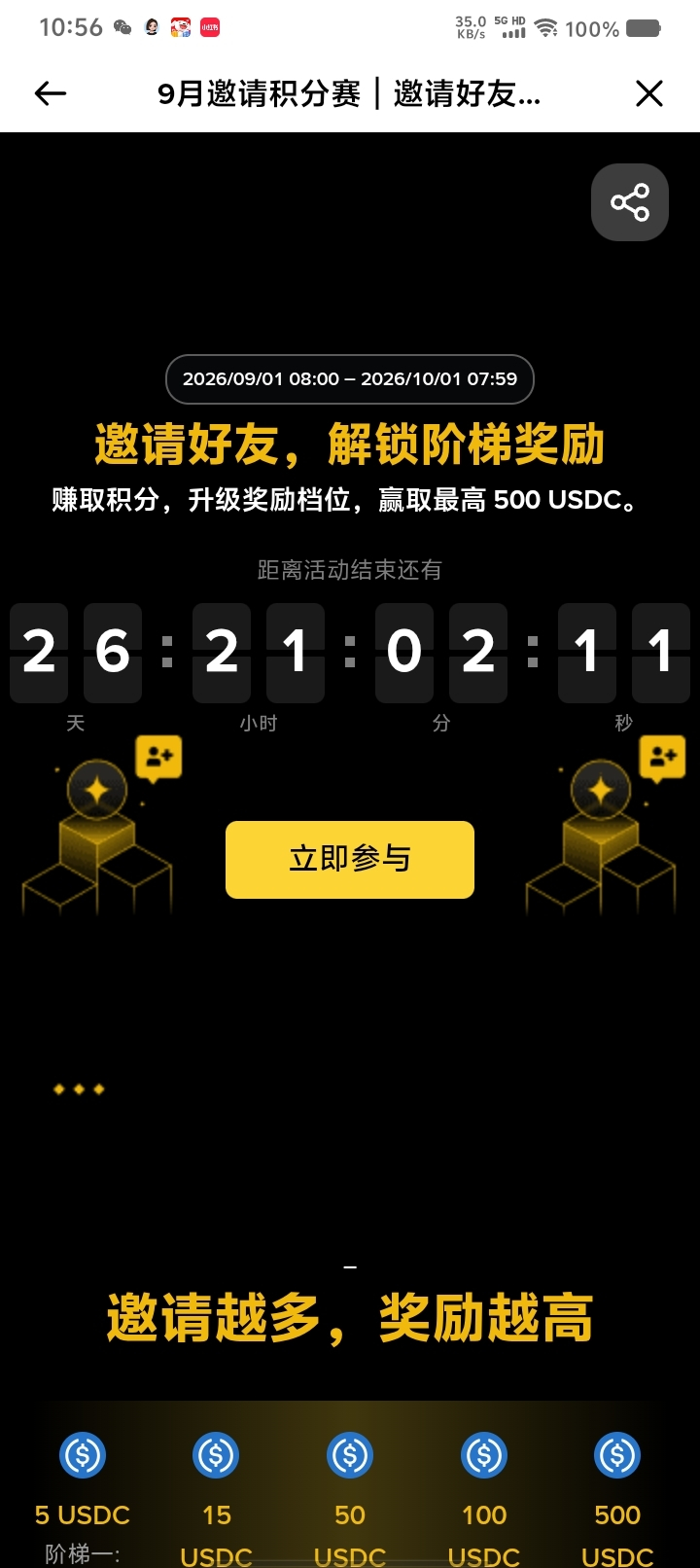
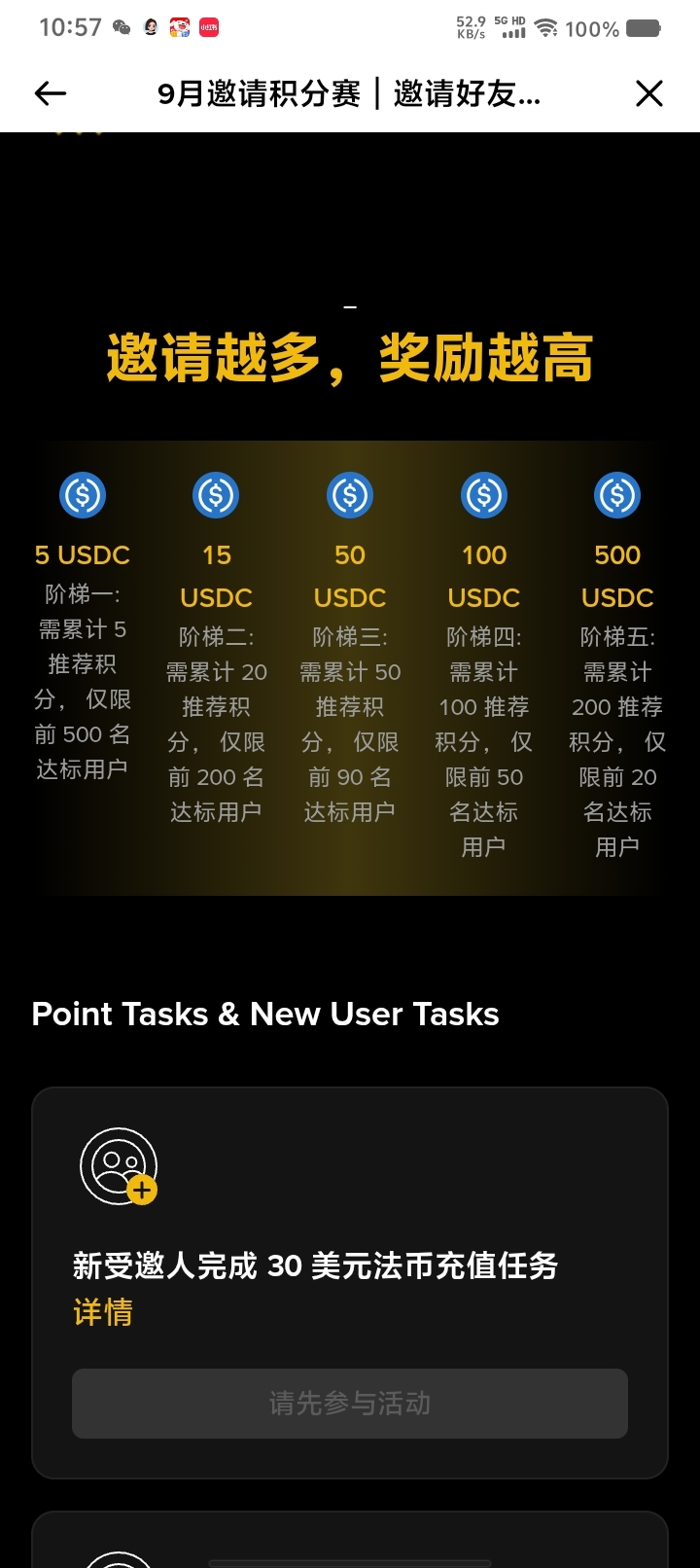
Light grows from within, sincerity paves our way. LUCIC breaks through chaotic barriers, embedding openness into its core. It gathers like-minded people to journey together toward a clearer, brand-new world.
Light grows from within, sincerity paves our way. LUCIC breaks through chaotic barriers, embedding openness into its core. Gather like‑minded souls, toward a clearer brand‑new world.
#LUCiC
Light grows from within, sincerity paves our way. LUCIC breaks through chaotic barriers, embedding openness into its core. Gather like‑minded souls, toward a clearer brand‑new world.
#LUCiC



Aria Daisy 阿莉娅_黛西
·
--
Bullish🔥 JASMY COIN GIVEAWAY 🔥
I’m excited to share this giveaway with the Binance community! 🚀
🎁 1,000 JASMY for 10 lucky winners!
✅ Follow me
🔄 Repost this post
💬 Comment “JASMY”
Good luck everyone! 🍀❤️
Thank you for your amazing support and love! 🙏
#JASMAY #BinanceSquareFamily
$JASMY $BTC
I’m excited to share this giveaway with the Binance community! 🚀
🎁 1,000 JASMY for 10 lucky winners!
✅ Follow me
🔄 Repost this post
💬 Comment “JASMY”
Good luck everyone! 🍀❤️
Thank you for your amazing support and love! 🙏
#JASMAY #BinanceSquareFamily
$JASMY $BTC

周周1688
·
--
When the heart is broad enough, life has no low points
$BNB 🧧
Time is never wasted,
every experience is a gift
With a smile on your face
embrace every day
#1688家族family
$BNB 🧧
Time is never wasted,
every experience is a gift
With a smile on your face
embrace every day
#1688家族family


光明社区-杨乐
·
--
At that in-between age 🧐
Going upstairs, I suspect the car downstairs wasn’t locked 🔐
Going downstairs, I suspect the door upstairs wasn’t closed…🙄😔
This this this~~~
Going upstairs, I suspect the car downstairs wasn’t locked 🔐
Going downstairs, I suspect the door upstairs wasn’t closed…🙄😔
This this this~~~


奕澤YiiiiiZze
·
--
LUCIC accompanies you, bringing dreams into reality. On a long journey, we gather every glimmer of starlight to create a brilliant future that belongs to us.
—————————————————
Follow & like & share to receive 🎁🎁🎁🎁
—————————————————
Follow & like & share to receive 🎁🎁🎁🎁

灼见
·
--
🔥 $731M poured into BTC ETFs in a frenzy, yet BTC has once again fallen back below $80K.
This may be the biggest contradiction worth discussing in today’s market.
In the latest round of U.S. spot BTC ETFs:
💰 Net inflow of about $731M in a single day
This is one of the largest single-day capital inflows since January this year.
Among them, BlackRock IBIT alone absorbed about $454M.
By normal logic:
Such huge institutional buying → BTC should keep pushing higher.
But what happened?
After the U.S. nonfarm payrolls data came in far above expectations, U.S. Treasury yields rose sharply, and the market once again increased its expectations that the Federal Reserve will keep interest rates high.
BTC quickly pulled back from above $81K and fell below $80K again.
This shows that there are now two very different forces in the Crypto market:
🟢 Internal: institutional money is buying
🔴 External: macro liquidity is pushing back
And that is exactly what makes the next move more interesting.
If ETFs continue to see hundreds of millions of dollars in inflows, and BTC can still hold at elevated levels under macro pressure —
that would suggest increasingly strong real demand underneath.
On the other hand, if institutional inflows start to slow, then the battle around $80K may continue for a while.
As for $BNB, I will be especially watching its relative strength.
BNB is still trading above $700.
If BTC keeps ranging while BNB remains strong, that would mean market funds have not fully shifted into defense, but are instead looking for ecosystem beta.
So my current observation framework is very simple:
🟠 BTC: Watch whether the $731M of institutional money can continue
🟣 ETH: Watch whether funds start spreading out again
🟡 BNB: Watch whether the Risk-On mood is still there
The biggest contradiction today is:
MONEY IS BUYING.
MACRO IS FIGHTING BACK.
Who wins in the end may determine the quality of BTC’s next real breakout above $80K.
👇 Who do you think will make the next move first?
BTC / ETH / BNB?
#BTC #ETH #BNB
This may be the biggest contradiction worth discussing in today’s market.
In the latest round of U.S. spot BTC ETFs:
💰 Net inflow of about $731M in a single day
This is one of the largest single-day capital inflows since January this year.
Among them, BlackRock IBIT alone absorbed about $454M.
By normal logic:
Such huge institutional buying → BTC should keep pushing higher.
But what happened?
After the U.S. nonfarm payrolls data came in far above expectations, U.S. Treasury yields rose sharply, and the market once again increased its expectations that the Federal Reserve will keep interest rates high.
BTC quickly pulled back from above $81K and fell below $80K again.
This shows that there are now two very different forces in the Crypto market:
🟢 Internal: institutional money is buying
🔴 External: macro liquidity is pushing back
And that is exactly what makes the next move more interesting.
If ETFs continue to see hundreds of millions of dollars in inflows, and BTC can still hold at elevated levels under macro pressure —
that would suggest increasingly strong real demand underneath.
On the other hand, if institutional inflows start to slow, then the battle around $80K may continue for a while.
As for $BNB, I will be especially watching its relative strength.
BNB is still trading above $700.
If BTC keeps ranging while BNB remains strong, that would mean market funds have not fully shifted into defense, but are instead looking for ecosystem beta.
So my current observation framework is very simple:
🟠 BTC: Watch whether the $731M of institutional money can continue
🟣 ETH: Watch whether funds start spreading out again
🟡 BNB: Watch whether the Risk-On mood is still there
The biggest contradiction today is:
MONEY IS BUYING.
MACRO IS FIGHTING BACK.
Who wins in the end may determine the quality of BTC’s next real breakout above $80K.
👇 Who do you think will make the next move first?
BTC / ETH / BNB?
#BTC #ETH #BNB


心月势不可挡
·
--
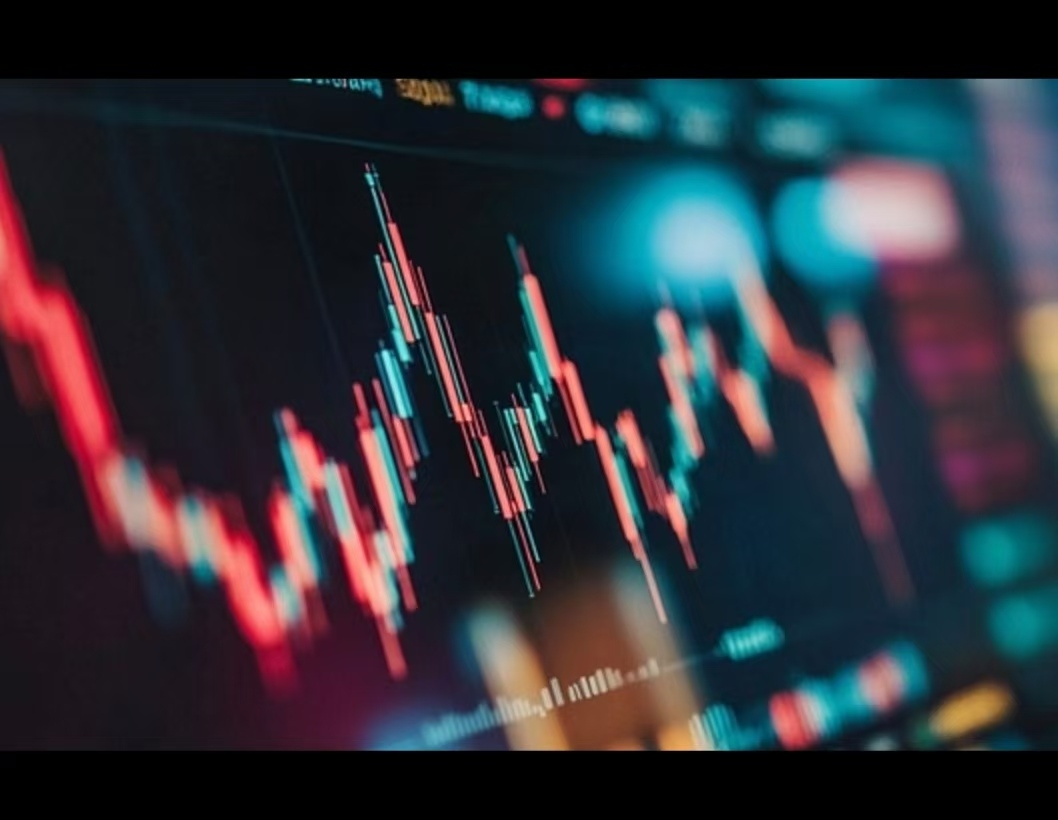
As U.S. debt continues to balloon, what exactly should ordinary investors be worried about? Over the next ten years, it is enough to simply ensure that you hold some gold, BTC, and high-quality assets for the long term, while keeping leverage under control and avoiding excessive exposure to long-term nominal debt claims.

大仁Jaron
·
--
After the squeeze—Bitcoin's $77,000 crossroads
After several months of dormancy, Bitcoin resumed its uptrend during the week of August 17. It surged 21.99% for the week and broke above $80,000 on August 25.
Upward drivers
Short-term catalyst—short squeeze: Previously, Bitcoin traded sideways around $60,000 for months, while the derivatives market accumulated a large amount of leveraged short positions. Once the price broke above a key level, it triggered forced-cover buy orders, creating a squeeze effect that further propelled the rally.
Sustained support signal:
1. Liquidity: U.S. Bitcoin spot ETFs recorded a net inflow of $420 million over the past five trading days, effectively offsetting early third-quarter pressure from outflows.
Upward drivers
Short-term catalyst—short squeeze: Previously, Bitcoin traded sideways around $60,000 for months, while the derivatives market accumulated a large amount of leveraged short positions. Once the price broke above a key level, it triggered forced-cover buy orders, creating a squeeze effect that further propelled the rally.
Sustained support signal:
1. Liquidity: U.S. Bitcoin spot ETFs recorded a net inflow of $420 million over the past five trading days, effectively offsetting early third-quarter pressure from outflows.
大仁Jaron
·
--
After the squeeze—Bitcoin's $77,000 crossroads
After several months of dormancy, Bitcoin resumed its uptrend during the week of August 17. It surged 21.99% for the week and broke above $80,000 on August 25.
Upward drivers
Short-term catalyst—short squeeze: Previously, Bitcoin traded sideways around $60,000 for months, while the derivatives market accumulated a large amount of leveraged short positions. Once the price broke above a key level, it triggered forced-cover buy orders, creating a squeeze effect that further propelled the rally.
Sustained support signal:
1. Liquidity: U.S. Bitcoin spot ETFs recorded a net inflow of $420 million over the past five trading days, effectively offsetting early third-quarter pressure from outflows.
Upward drivers
Short-term catalyst—short squeeze: Previously, Bitcoin traded sideways around $60,000 for months, while the derivatives market accumulated a large amount of leveraged short positions. Once the price broke above a key level, it triggered forced-cover buy orders, creating a squeeze effect that further propelled the rally.
Sustained support signal:
1. Liquidity: U.S. Bitcoin spot ETFs recorded a net inflow of $420 million over the past five trading days, effectively offsetting early third-quarter pressure from outflows.
大仁Jaron
·
--
After the squeeze—Bitcoin's $77,000 crossroads
After several months of dormancy, Bitcoin resumed its uptrend during the week of August 17. It surged 21.99% for the week and broke above $80,000 on August 25.
Upward drivers
Short-term catalyst—short squeeze: Previously, Bitcoin traded sideways around $60,000 for months, while the derivatives market accumulated a large amount of leveraged short positions. Once the price broke above a key level, it triggered forced-cover buy orders, creating a squeeze effect that further propelled the rally.
Sustained support signal:
1. Liquidity: U.S. Bitcoin spot ETFs recorded a net inflow of $420 million over the past five trading days, effectively offsetting early third-quarter pressure from outflows.
Upward drivers
Short-term catalyst—short squeeze: Previously, Bitcoin traded sideways around $60,000 for months, while the derivatives market accumulated a large amount of leveraged short positions. Once the price broke above a key level, it triggered forced-cover buy orders, creating a squeeze effect that further propelled the rally.
Sustained support signal:
1. Liquidity: U.S. Bitcoin spot ETFs recorded a net inflow of $420 million over the past five trading days, effectively offsetting early third-quarter pressure from outflows.
大仁Jaron
·
--
After the squeeze—Bitcoin's $77,000 crossroads
After several months of dormancy, Bitcoin resumed its uptrend during the week of August 17. It surged 21.99% for the week and broke above $80,000 on August 25.
Upward drivers
Short-term catalyst—short squeeze: Previously, Bitcoin traded sideways around $60,000 for months, while the derivatives market accumulated a large amount of leveraged short positions. Once the price broke above a key level, it triggered forced-cover buy orders, creating a squeeze effect that further propelled the rally.
Sustained support signal:
1. Liquidity: U.S. Bitcoin spot ETFs recorded a net inflow of $420 million over the past five trading days, effectively offsetting early third-quarter pressure from outflows.
Upward drivers
Short-term catalyst—short squeeze: Previously, Bitcoin traded sideways around $60,000 for months, while the derivatives market accumulated a large amount of leveraged short positions. Once the price broke above a key level, it triggered forced-cover buy orders, creating a squeeze effect that further propelled the rally.
Sustained support signal:
1. Liquidity: U.S. Bitcoin spot ETFs recorded a net inflow of $420 million over the past five trading days, effectively offsetting early third-quarter pressure from outflows.
Log in to explore more content