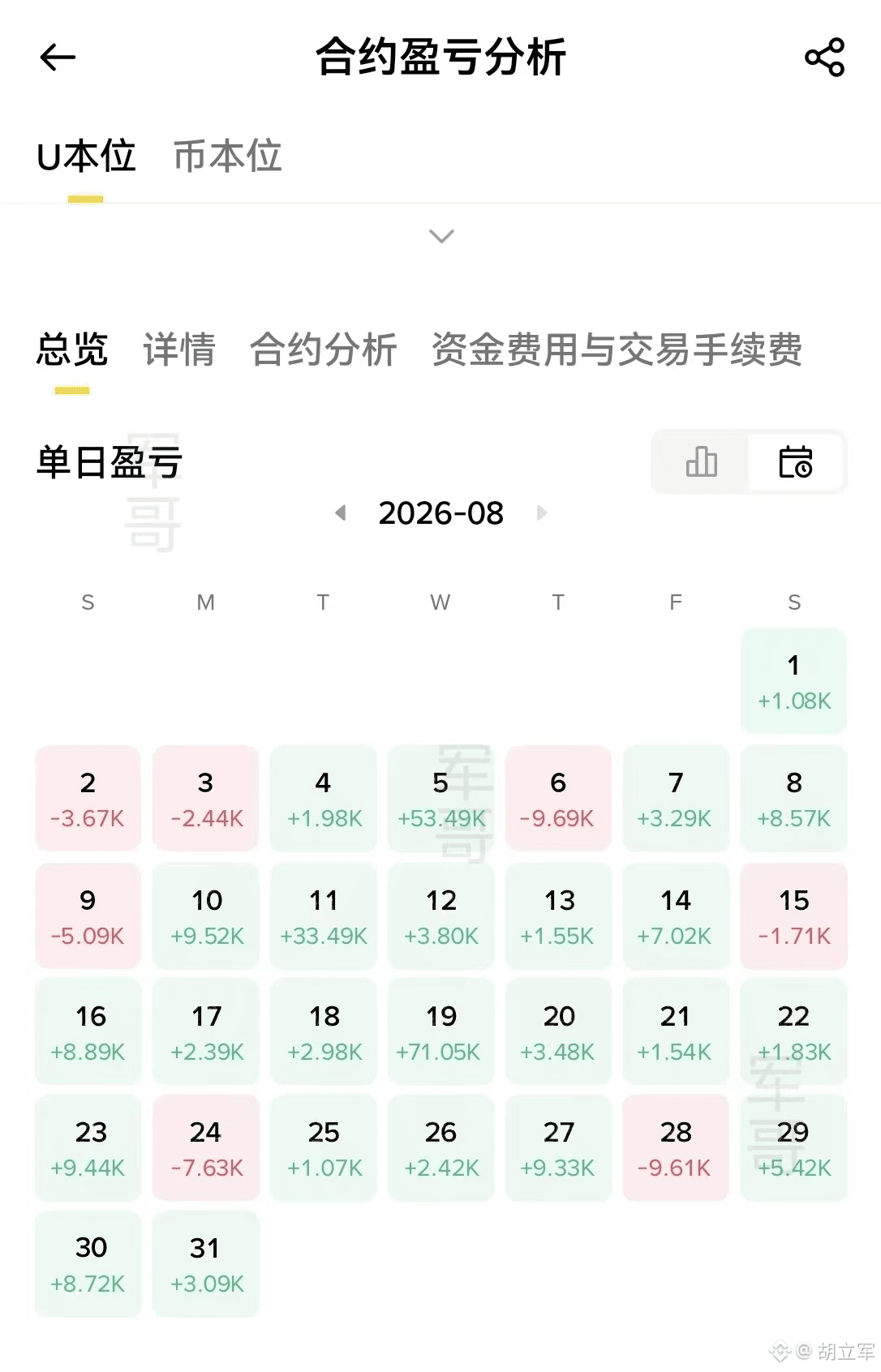
In the crypto market, most beginners lose money—not because they can’t read the chart, but because their repeated trading habits drain them. $ETH #HangSengCloses18PointsLower
The three most common—and most deadly—money-losing moves. Fix them earlier and you’ll save money sooner. First: chasing pumps and panic-selling. When you see a big green candle, you rush in out of fear of missing out, then when the price just slightly turns, you panic and sell. You sell and it rises, you buy and it falls—repeat a few times and your principal gets thinner and thinner. When you can’t tell a real breakout from a fake breakout/long squeeze, the best response is to watch more and act less. Second: trading based on news orders. When someone hypes it up in the group chat or you see so-called “good news” online, you rush in. When ordinary retail traders can see the news, it’s often already when the main players are preparing to exit. Third: refusing to cut losses and “dying holding.” You hate to leave when the loss is small; the longer you drag it out, the bigger it gets—until it turns into deep drawdown or even liquidation. In a leveraged market, holding through losses is basically betting that you won’t be liquidated. In this game, nine out of ten who “hold through it” lose. #DellSurges8%OnEarningsBeat $BTR
Risk control always comes first in trading. Cut small losses and protect your capital—that’s what gives you the chance to play the next round. In this industry, survival doesn’t rely on luck; it relies on reducing mistakes. If you change these three things, you can already outperform most retail traders. #DellSurges8%OnEarningsBeat $XAU
The three most common—and most deadly—money-losing moves. Fix them earlier and you’ll save money sooner. First: chasing pumps and panic-selling. When you see a big green candle, you rush in out of fear of missing out, then when the price just slightly turns, you panic and sell. You sell and it rises, you buy and it falls—repeat a few times and your principal gets thinner and thinner. When you can’t tell a real breakout from a fake breakout/long squeeze, the best response is to watch more and act less. Second: trading based on news orders. When someone hypes it up in the group chat or you see so-called “good news” online, you rush in. When ordinary retail traders can see the news, it’s often already when the main players are preparing to exit. Third: refusing to cut losses and “dying holding.” You hate to leave when the loss is small; the longer you drag it out, the bigger it gets—until it turns into deep drawdown or even liquidation. In a leveraged market, holding through losses is basically betting that you won’t be liquidated. In this game, nine out of ten who “hold through it” lose. #DellSurges8%OnEarningsBeat $BTR
Risk control always comes first in trading. Cut small losses and protect your capital—that’s what gives you the chance to play the next round. In this industry, survival doesn’t rely on luck; it relies on reducing mistakes. If you change these three things, you can already outperform most retail traders. #DellSurges8%OnEarningsBeat $XAU