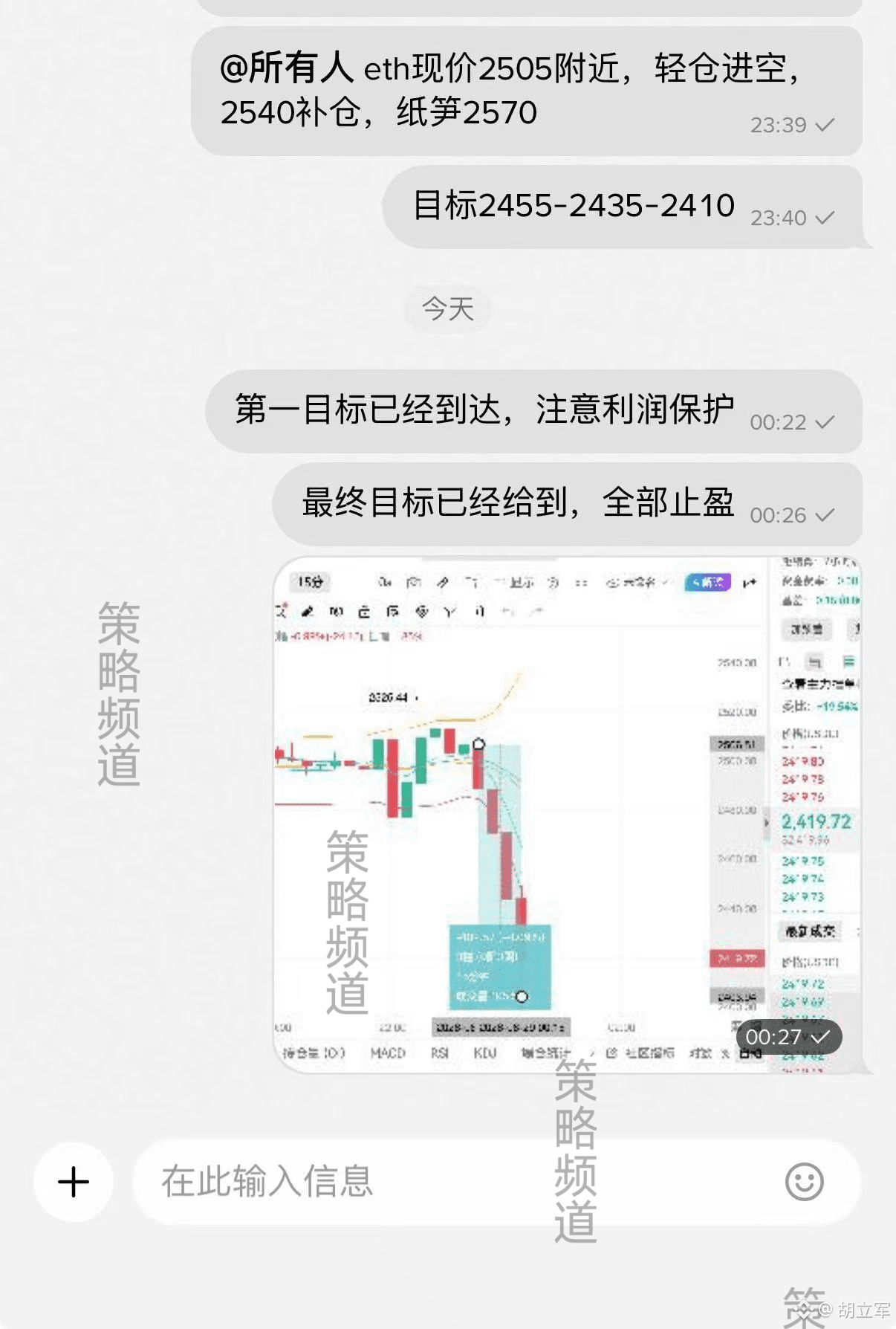
Trading this— the more urgent it is, the easier it is to make mistakes. If the market hasn’t moved out of the chart pattern you’re familiar with, hold your hands back; watching videos is better than randomly placing trades. After 9 p.m., the market is cleaner than during the day: fewer fake news reports, and the price action is more real. Once you reach your target level, move a portion of the profit away first; only the remaining position is worth continuing to spar. People who hold on too tightly often end up losing not just profits but even their principal.
Before placing an order, scan the key indicators. If the signals don’t line up, don’t move. Stop-losses should be flexible: when you’re watching the screen, trail the stop up as profits rise. When you leave, lock it at a fixed percentage. Every week—no matter whether you make a lot or a little—take a fixed amount of profit out and put it in your pocket. The money you’ve put away is the money that’s truly yours. $SOL
For short-term trading, focus on short cycles. If it’s ranging, switch to a longer cycle to look for support. Newcomers shouldn’t touch high leverage; using low multipliers to practice is enough. Don’t touch junk coins. Cap the daily number of trades, and don’t let impatience keep you from stopping—otherwise you’ll eventually lose everything. The more “Buddhist” (calm) your trading style is, the more stable your account becomes. Timing matters more than judgment; rules matter more than techniques. Only those who survive have the right to talk about compounding. #ExplosionsAtUSBasesInKuwait $ETH
Before placing an order, scan the key indicators. If the signals don’t line up, don’t move. Stop-losses should be flexible: when you’re watching the screen, trail the stop up as profits rise. When you leave, lock it at a fixed percentage. Every week—no matter whether you make a lot or a little—take a fixed amount of profit out and put it in your pocket. The money you’ve put away is the money that’s truly yours. $SOL
For short-term trading, focus on short cycles. If it’s ranging, switch to a longer cycle to look for support. Newcomers shouldn’t touch high leverage; using low multipliers to practice is enough. Don’t touch junk coins. Cap the daily number of trades, and don’t let impatience keep you from stopping—otherwise you’ll eventually lose everything. The more “Buddhist” (calm) your trading style is, the more stable your account becomes. Timing matters more than judgment; rules matter more than techniques. Only those who survive have the right to talk about compounding. #ExplosionsAtUSBasesInKuwait $ETH