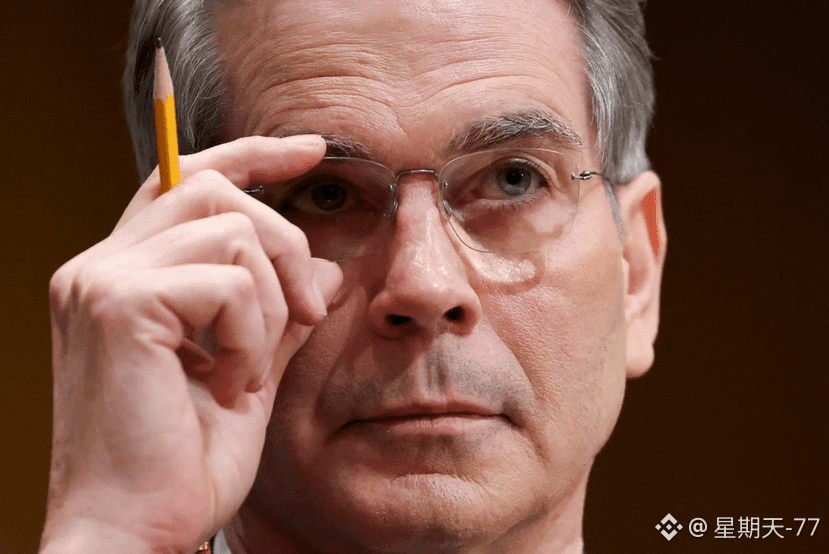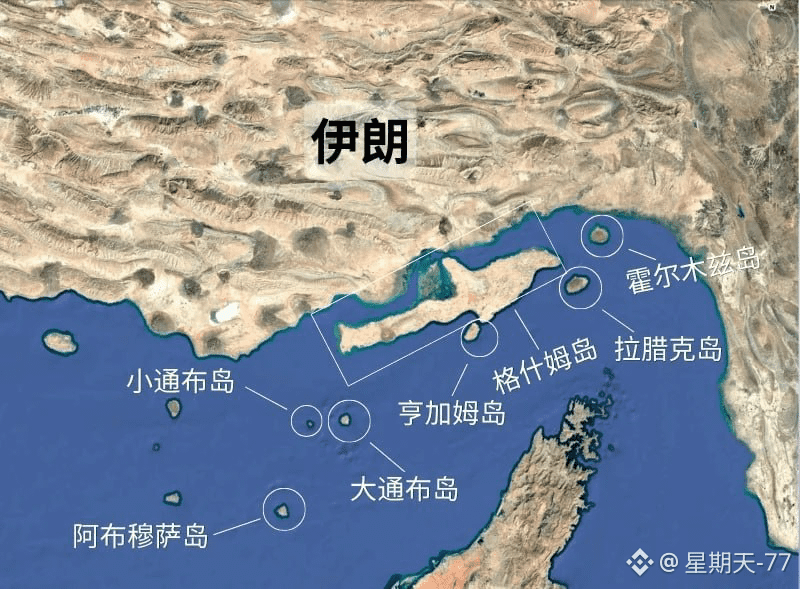

A message often overlooked by the crypto crowd: On September 1, U.S. Treasury Secretary Bessent said at the G20 summit that the Strait of Hormuz will enable "bypass passage" within two years, and that the U.S. will continue to escalate sanctions on Iran.
The details are worth breaking down: Bessent noted that since Trump took office, U.S. daily oil production has increased by between 1.6 million and 2.2 million barrels. The goal is to turn the Strait of Hormuz into "worthless waters" and divert oil to land pipelines to reduce U.S. dependence on this strategic chokepoint. He also said that 85%-90% of Iran’s oil production facilities have the capacity to be rebuilt. The U.S. may announce a new round of banking sanctions this week or next, and it has already secured support from the EU, the European Central Bank, the UK, the UAE, and Bahrain, while also looking into aviation leasing companies related to Iran.
Why this kind of news belongs in a crypto lens: The Strait of Hormuz is one of the world’s most important energy transport routes. Any strategic adjustments targeting it will, in the long run, affect expectations for crude supply and the geopolitical risk premium. Historically, changes in crude oil prices and the risk premium have been one of the key variables influencing U.S. dollar liquidity and sentiment toward risk assets (including cryptocurrencies). Escalating sanctions usually means more uncertainty. Markets may not react immediately in the short term, but once it lands (for example, if bank sanctions are actually announced), volatility often hits very suddenly.
This type of geopolitical message doesn’t directly tell you what to buy or sell, but it is one of the key pieces in assessing whether "risk appetite may suddenly contract"—often giving signals earlier than simply watching the candlestick chart.
Personal interpretation only; not investment advice.
#霍尔木兹海峡 #ARB上涨30%受Robinhood链收入推动 #BTC #ETH $BTC $ETH $SOL
The details are worth breaking down: Bessent noted that since Trump took office, U.S. daily oil production has increased by between 1.6 million and 2.2 million barrels. The goal is to turn the Strait of Hormuz into "worthless waters" and divert oil to land pipelines to reduce U.S. dependence on this strategic chokepoint. He also said that 85%-90% of Iran’s oil production facilities have the capacity to be rebuilt. The U.S. may announce a new round of banking sanctions this week or next, and it has already secured support from the EU, the European Central Bank, the UK, the UAE, and Bahrain, while also looking into aviation leasing companies related to Iran.
Why this kind of news belongs in a crypto lens: The Strait of Hormuz is one of the world’s most important energy transport routes. Any strategic adjustments targeting it will, in the long run, affect expectations for crude supply and the geopolitical risk premium. Historically, changes in crude oil prices and the risk premium have been one of the key variables influencing U.S. dollar liquidity and sentiment toward risk assets (including cryptocurrencies). Escalating sanctions usually means more uncertainty. Markets may not react immediately in the short term, but once it lands (for example, if bank sanctions are actually announced), volatility often hits very suddenly.
This type of geopolitical message doesn’t directly tell you what to buy or sell, but it is one of the key pieces in assessing whether "risk appetite may suddenly contract"—often giving signals earlier than simply watching the candlestick chart.
Personal interpretation only; not investment advice.
#霍尔木兹海峡 #ARB上涨30%受Robinhood链收入推动 #BTC #ETH $BTC $ETH $SOL