$XAUT Small yellowfish and
$TAC
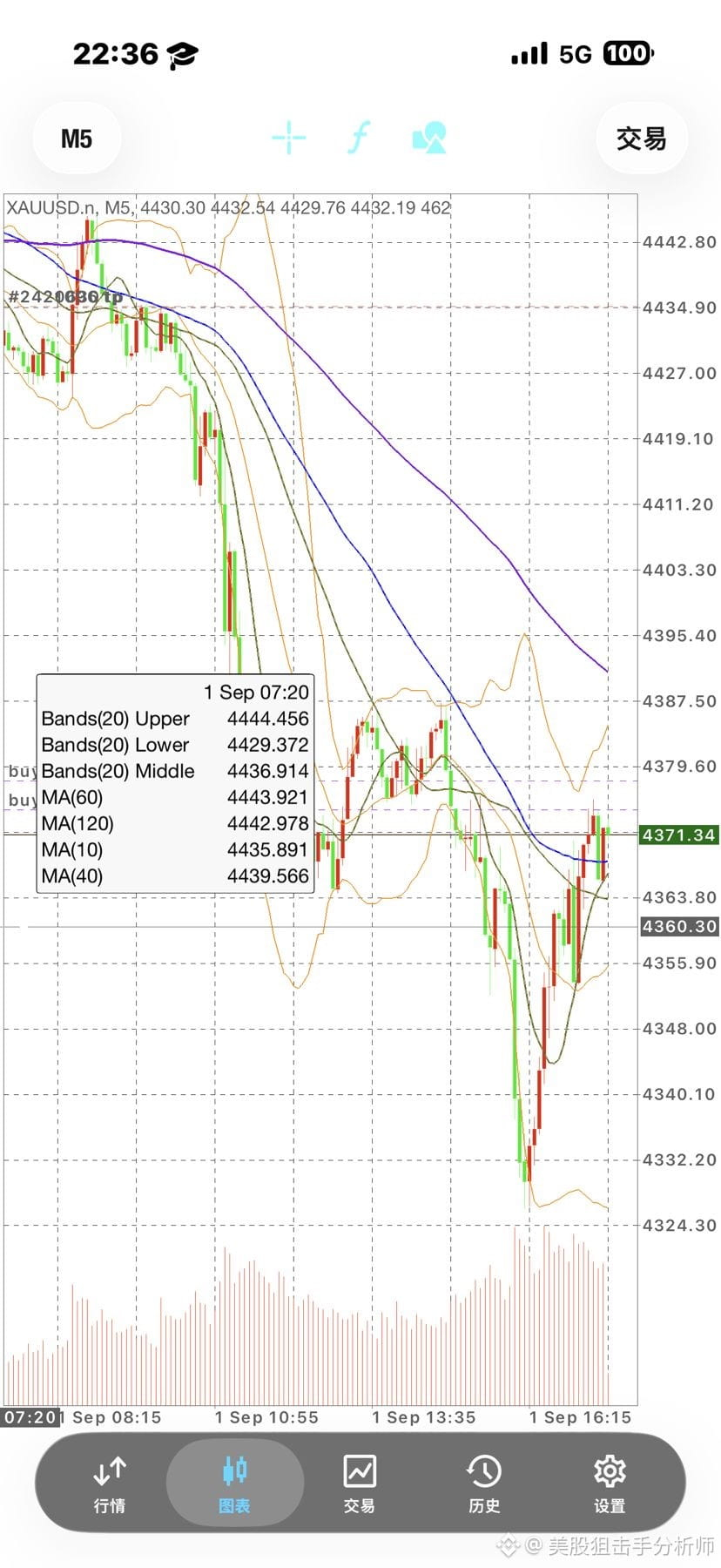
Recently, the gold market is going through a round of intense **two-way volatility**. The struggle between bulls and bears has entered a white-hot stage. Previously, gold prices rebounded sharply, but driven by hawkish remarks from the Federal Reserve and the impact of oil prices, on September 1 (today) gold prices saw an intraday **plunge of over 2%**, with spot London gold breaking below $4,400 per ounce.
Gold’s current trend is the result of **multiple conflicting factors interwoven**:
* **Strong U.S. dollar and rate-hike expectations (the biggest near-term drag)**: A hawkish speech by the Fed chair has reignited **September rate-hike expectations** (probability jumping to 65%). Combined with rising oil prices that push up inflation, the dollar and U.S. Treasury yields have strengthened, directly weighing on gold that would otherwise benefit from expectations of no further tightening.
* **Complicated transmission of geopolitical risk (“bearish” channel)**: While tensions in the Middle East are somewhat supportive, the main transmission pathway right now is **“oil price rise → inflation expectations → rate-hike expectations,”** which actually turns into pressure on gold prices.
* **“Eastern buying” and central bank gold purchases (the core support in the medium to long term)**: This is a solid bottom that keeps gold from falling further. Strategic accumulation of gold by global central banks and Asian investors represented by China and India provides strong buy-side support; **pricing power is shifting from the West to the East**.
* **Structural divergence in physical demand**: With gold prices high, **investment demand for gold bars and coins has surged by 28%**, but spending on gold jewelry consumption has dropped by nearly 34%. The market values its store-of-value attribute more than consumption.
**Overall, in the short term, gold prices depend on the tug-of-war over rate-hike expectations (watch this week’s nonfarm payroll data), but the long-term logic of “de-dollarization” and central bank gold purchases has not changed.** Market volatility is extremely high. It’s advisable to fully recognize the two-way risks and not use long-term logic for short-term trading.
If you want to learn more about the specific mechanisms through which this week’s nonfarm data affects gold prices, or if you’d like to see the key support and resistance levels from a technical perspective, tell me.
$TAC
Recently, the gold market is going through a round of intense **two-way volatility**. The struggle between bulls and bears has entered a white-hot stage. Previously, gold prices rebounded sharply, but driven by hawkish remarks from the Federal Reserve and the impact of oil prices, on September 1 (today) gold prices saw an intraday **plunge of over 2%**, with spot London gold breaking below $4,400 per ounce.
Gold’s current trend is the result of **multiple conflicting factors interwoven**:
* **Strong U.S. dollar and rate-hike expectations (the biggest near-term drag)**: A hawkish speech by the Fed chair has reignited **September rate-hike expectations** (probability jumping to 65%). Combined with rising oil prices that push up inflation, the dollar and U.S. Treasury yields have strengthened, directly weighing on gold that would otherwise benefit from expectations of no further tightening.
* **Complicated transmission of geopolitical risk (“bearish” channel)**: While tensions in the Middle East are somewhat supportive, the main transmission pathway right now is **“oil price rise → inflation expectations → rate-hike expectations,”** which actually turns into pressure on gold prices.
* **“Eastern buying” and central bank gold purchases (the core support in the medium to long term)**: This is a solid bottom that keeps gold from falling further. Strategic accumulation of gold by global central banks and Asian investors represented by China and India provides strong buy-side support; **pricing power is shifting from the West to the East**.
* **Structural divergence in physical demand**: With gold prices high, **investment demand for gold bars and coins has surged by 28%**, but spending on gold jewelry consumption has dropped by nearly 34%. The market values its store-of-value attribute more than consumption.
**Overall, in the short term, gold prices depend on the tug-of-war over rate-hike expectations (watch this week’s nonfarm payroll data), but the long-term logic of “de-dollarization” and central bank gold purchases has not changed.** Market volatility is extremely high. It’s advisable to fully recognize the two-way risks and not use long-term logic for short-term trading.
If you want to learn more about the specific mechanisms through which this week’s nonfarm data affects gold prices, or if you’d like to see the key support and resistance levels from a technical perspective, tell me.