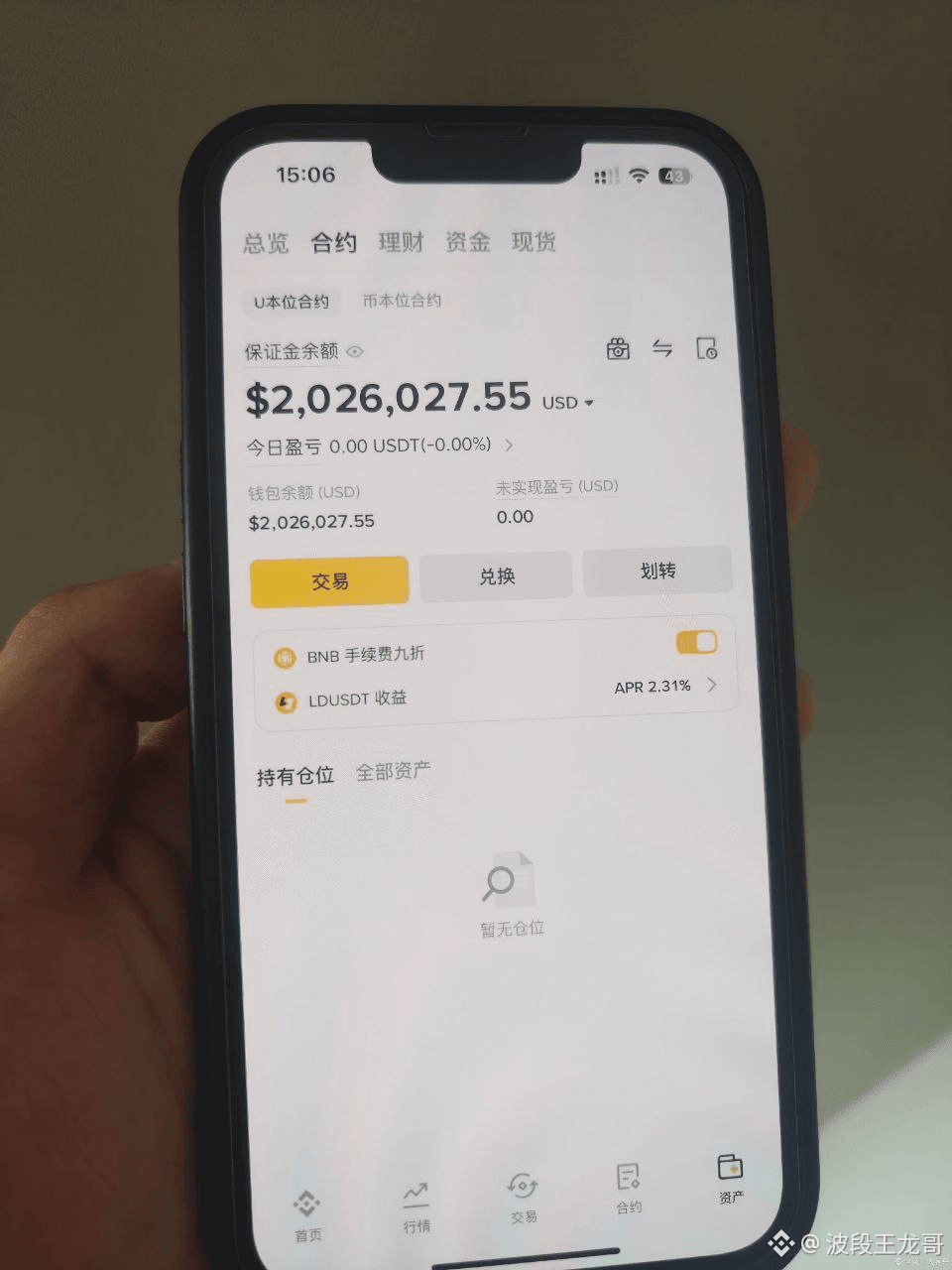
Four days against the contract, three settlements, 1,000 U—how come you don’t go rob someone?!
Yesterday, a guy complained to me: his short position direction was correct, yet he held it for four days.
Once he closed, the chart surged away. He thought he was being targeted, but actually the rules harvest you at set times.
The most pitiful way to die in contracts isn’t when you’re wrong about the direction—it’s when you’re right, but you still die on the platform’s terms.
First: funding fees. Even when the K-line is flat, perpetuals still bleed you—three times a day: 8:00, 16:00, 24:00. #crv
If the rate is positive, longs pay shorts.
If the rate is negative, shorts pay longs.
Go all-in and hold two days—pay a few hundred per day, and you’ll blow up; you only get out the next day.
When the direction is right, you’re basically paying the other side first. If the funding rate stays above 0.1% for two consecutive rounds, don’t force the hold.
If you can’t hold, don’t cross three settlement times.
When the funding rate is one-sided, stand on the side that charges. As long as you’re not greedy, you can definitely take some profit.
Second: the liquidation price isn’t as close as you calculated—it's about 10 times closer than you think. Not because it only dies at a 10% drop.
Add the maintenance margin and liquidation fee, and with just a little over 5% you can be lifted away.
So the dirtiest outcome happens: you get liquidated, and it takes off.
All-in and going all the way is like cheering for liquidation. With isolated margin, first trap the accident in one position.
Reduce leverage to about 3–5x, keep more margin buffer, and the liquidation line will retreat.
Third: 100x isn’t a multiplier—it’s fees at the exchange’s rates and funding fees calculated on notional value, not on your little amount of principal. #ARB上涨30%受Robinhood链收入推动
You might profit dozens of U, but after settlement you could still be down.
High leverage is only good for quick trades; only low leverage can hold through it.
The exchange isn’t afraid you guess the direction wrong.
What it fears is that you calculate the funding fee, liquidation line, and leverage costs clearly. If the rules aren’t cleared, even with the right direction, you’re still working for the platform.
The most typical case: when the funding rate is 2%, settlement happens once every hour—many times. My fans make money off this: their unrealized profit is only a few hundred U, yet the funding fees cost them several thousand U overnight.
If you don’t have direction and you’re stuck in losses, don’t hesitate—chat at @波段王龙哥 to get pointed the way. No more confusion!
Yesterday, a guy complained to me: his short position direction was correct, yet he held it for four days.
Once he closed, the chart surged away. He thought he was being targeted, but actually the rules harvest you at set times.
The most pitiful way to die in contracts isn’t when you’re wrong about the direction—it’s when you’re right, but you still die on the platform’s terms.
First: funding fees. Even when the K-line is flat, perpetuals still bleed you—three times a day: 8:00, 16:00, 24:00. #crv
If the rate is positive, longs pay shorts.
If the rate is negative, shorts pay longs.
Go all-in and hold two days—pay a few hundred per day, and you’ll blow up; you only get out the next day.
When the direction is right, you’re basically paying the other side first. If the funding rate stays above 0.1% for two consecutive rounds, don’t force the hold.
If you can’t hold, don’t cross three settlement times.
When the funding rate is one-sided, stand on the side that charges. As long as you’re not greedy, you can definitely take some profit.
Second: the liquidation price isn’t as close as you calculated—it's about 10 times closer than you think. Not because it only dies at a 10% drop.
Add the maintenance margin and liquidation fee, and with just a little over 5% you can be lifted away.
So the dirtiest outcome happens: you get liquidated, and it takes off.
All-in and going all the way is like cheering for liquidation. With isolated margin, first trap the accident in one position.
Reduce leverage to about 3–5x, keep more margin buffer, and the liquidation line will retreat.
Third: 100x isn’t a multiplier—it’s fees at the exchange’s rates and funding fees calculated on notional value, not on your little amount of principal. #ARB上涨30%受Robinhood链收入推动
You might profit dozens of U, but after settlement you could still be down.
High leverage is only good for quick trades; only low leverage can hold through it.
The exchange isn’t afraid you guess the direction wrong.
What it fears is that you calculate the funding fee, liquidation line, and leverage costs clearly. If the rules aren’t cleared, even with the right direction, you’re still working for the platform.
The most typical case: when the funding rate is 2%, settlement happens once every hour—many times. My fans make money off this: their unrealized profit is only a few hundred U, yet the funding fees cost them several thousand U overnight.
If you don’t have direction and you’re stuck in losses, don’t hesitate—chat at @波段王龙哥 to get pointed the way. No more confusion!