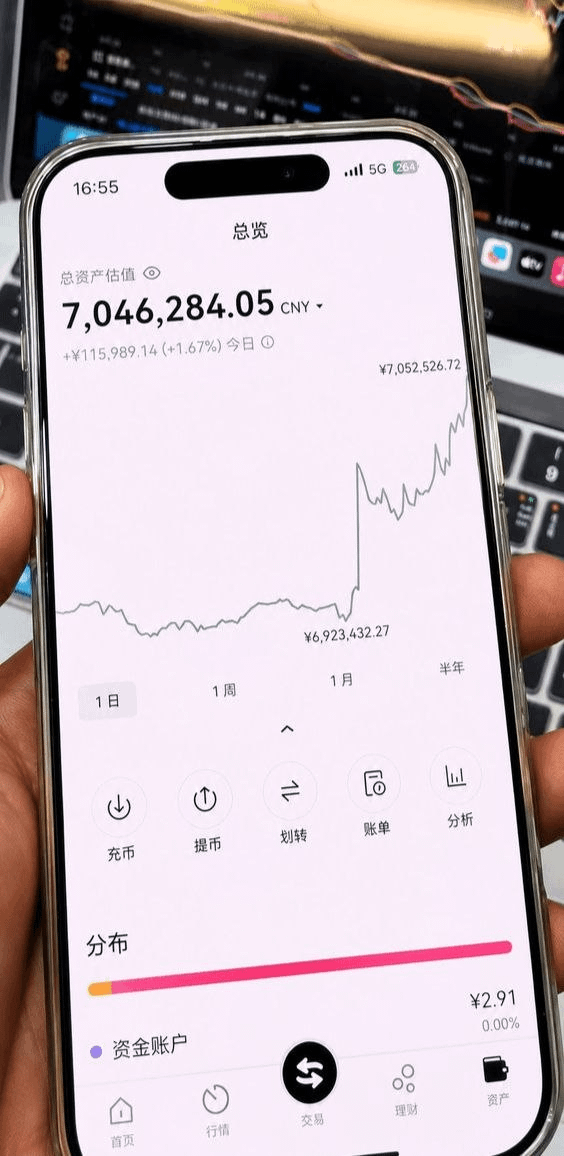
With just a few hundred U or a few thousand U, do you think it’s embarrassing? No. In the crypto world, it’s always about making big moves with small capital—when the opportunity comes, you really can turn things around overnight. But only those who stay alive first can catch that wave. It wasn’t just me who caught it. Among the fans who followed, someone went from 800U to 6200U in two months; someone went from 3000U to 18,000U; and someone else went from just over 10,000U to 40,000U. Not everyone can multiply by dozens of times, but anyone whose account is growing steadily is walking the same path: first protect yourself and your life, then make money. I used to chase pumps, average down, go all-in—fantasizing about a turnaround in one wave. In the end, my account kept getting smaller, and I almost hit zero. Later, I nailed the rules down and grinded for months—4 months from 1500U to 50,000U. It’s just three very “uncool” principles.
#ARB
First, always keep a backup.
Don’t put all your life savings into one single trade. Split your money into three parts: the short-term position trades flexibly in and out; the trend position follows only the big direction; and the backup position doesn’t move no matter what—waiting for a big opportunity or to save your life. If one trade goes wrong, your account can’t collapse. A fan made 9000 profit but gave back 2000 with a full-position trade. After switching to split positions, they went from 2000 to 11,000. Small capital fears a single “dead” move the most—keeping a backup is what gives you the chance to turn the situation around.
Second, only do high-quality opportunities—never make trades every day.
When the market is choppy, move less. If the trend hasn’t been confirmed, don’t rush. Memes and low-cap coins can go to the moon and crash to the ground in a single day. The more frequently you trade, the easier it is to get washed out. I’d rather stay flat for three days than scratch the itch and hand over money. Those who lose the hardest are often the ones who feel they must do something every day; later, when they finally rise, they usually make only two or three trades per week.
Third, kick emotions out of trading.
If you lose, don’t rush to win it back. If you profit, don’t think about grabbing the whole cake at the end. Cut your losses when it’s time to, and take profits when it’s time to. A fan had floating gains of 40% and couldn’t bring themselves to exit—then in the end they left with a loss of 5%. In the same market move, those who reduced their position at the target levels actually preserved the profits. Most people don’t miss the direction—they lose to greed and fear.
Having only a few hundred or a few thousand U is not embarrassing. Embarrassing is not learning how to protect your principal, and getting yourself eliminated first. Your account can grow slowly, but you have to keep yourself on the trading table. Protect your capital—you’re the one who earns the right to wait for the next real opportunity that truly belongs to you. If you’re still chasing pumps, averaging down, going all-in, and you don’t have a clear direction right now, feel free to chat at @波段王龙哥 and I’ll point out the road for you—get back on your feet fast!
#BTR
#ARB
First, always keep a backup.
Don’t put all your life savings into one single trade. Split your money into three parts: the short-term position trades flexibly in and out; the trend position follows only the big direction; and the backup position doesn’t move no matter what—waiting for a big opportunity or to save your life. If one trade goes wrong, your account can’t collapse. A fan made 9000 profit but gave back 2000 with a full-position trade. After switching to split positions, they went from 2000 to 11,000. Small capital fears a single “dead” move the most—keeping a backup is what gives you the chance to turn the situation around.
Second, only do high-quality opportunities—never make trades every day.
When the market is choppy, move less. If the trend hasn’t been confirmed, don’t rush. Memes and low-cap coins can go to the moon and crash to the ground in a single day. The more frequently you trade, the easier it is to get washed out. I’d rather stay flat for three days than scratch the itch and hand over money. Those who lose the hardest are often the ones who feel they must do something every day; later, when they finally rise, they usually make only two or three trades per week.
Third, kick emotions out of trading.
If you lose, don’t rush to win it back. If you profit, don’t think about grabbing the whole cake at the end. Cut your losses when it’s time to, and take profits when it’s time to. A fan had floating gains of 40% and couldn’t bring themselves to exit—then in the end they left with a loss of 5%. In the same market move, those who reduced their position at the target levels actually preserved the profits. Most people don’t miss the direction—they lose to greed and fear.
Having only a few hundred or a few thousand U is not embarrassing. Embarrassing is not learning how to protect your principal, and getting yourself eliminated first. Your account can grow slowly, but you have to keep yourself on the trading table. Protect your capital—you’re the one who earns the right to wait for the next real opportunity that truly belongs to you. If you’re still chasing pumps, averaging down, going all-in, and you don’t have a clear direction right now, feel free to chat at @波段王龙哥 and I’ll point out the road for you—get back on your feet fast!
#BTR