
自由1688
295 Posts

自由1688

ETH Holder
Occasional Trader
1.9 Years
518 Following
20.5K+ Followers
12.3K+ Liked
Posts
All
Quotes
Videos
Live
PINNED

@OrangeJoyce


橙子Joyce
·
--
BullishAt the beginning of September 2026, the U.S. Securities and Exchange Commission (SEC) has recently issued a series of rule proposal announcements related to crypto assets/blockchain. The latest is a proposal to modernize the Transfer Agent rules, published on September 1, 2026. This is another related development following the August 18 proposal under “Regulation Crypto Assets.”
New proposal: Transfer Agent Rules Modernization (September 1, 2026)
The SEC proposes a comprehensive update to the Transfer Agent rules, which have seen little substantive revision since the late 1970s and early 1980s. Transfer agents maintain security ownership records, handle transfers, dividends, and other corporate actions, and are a key link in the clearing and settlement system.
The proposal explicitly mentions the need to accommodate electronic records, blockchain recordkeeping, paperless securities, and tokenized securities. Chair Paul Atkins said the rules should reflect the real-world operations by which transfer agents currently use electronic communications and blockchain technologies for securities issuance and share transfers. Market participants are exploring onchain transfer agents, tokenized fund administration, and cross-chain interoperability.
This is the SEC’s first comprehensive proposal specifically for the issuance of crypto assets, building on interpretive guidance issued in March 2026. It establishes a tailored issuance framework for “covered investment contracts”—that is, investment contracts that may be attached to non-securities crypto assets.
The comment period runs until October 20, 2026.
Both proposals are part of the SEC’s current approach in the digital asset space: to provide clear, actionable rules and reduce reliance on enforcement alone to define the law, while market-structure legislation at the congressional level (such as the CLARITY Act) continues to advance. For now, both are only proposals, and the final rules may be modified based on public comments.
Very exciting—an even broader and deeper outlook for the cryptocurrency market! Strongly bullish $BTC , $BNB
$ETH
New proposal: Transfer Agent Rules Modernization (September 1, 2026)
The SEC proposes a comprehensive update to the Transfer Agent rules, which have seen little substantive revision since the late 1970s and early 1980s. Transfer agents maintain security ownership records, handle transfers, dividends, and other corporate actions, and are a key link in the clearing and settlement system.
The proposal explicitly mentions the need to accommodate electronic records, blockchain recordkeeping, paperless securities, and tokenized securities. Chair Paul Atkins said the rules should reflect the real-world operations by which transfer agents currently use electronic communications and blockchain technologies for securities issuance and share transfers. Market participants are exploring onchain transfer agents, tokenized fund administration, and cross-chain interoperability.
This is the SEC’s first comprehensive proposal specifically for the issuance of crypto assets, building on interpretive guidance issued in March 2026. It establishes a tailored issuance framework for “covered investment contracts”—that is, investment contracts that may be attached to non-securities crypto assets.
The comment period runs until October 20, 2026.
Both proposals are part of the SEC’s current approach in the digital asset space: to provide clear, actionable rules and reduce reliance on enforcement alone to define the law, while market-structure legislation at the congressional level (such as the CLARITY Act) continues to advance. For now, both are only proposals, and the final rules may be modified based on public comments.
Very exciting—an even broader and deeper outlook for the cryptocurrency market! Strongly bullish $BTC , $BNB
$ETH
@OrangeJoyce
橙子Joyce
·
--
SpaceX heads toward extreme vertical integration: Why Elon Musk is building his own power supply for AI
SpaceX builds rockets by gaining deeper control over the manufacturing process than traditional aerospace companies.
Elon Musk is applying the same strategy to the biggest physical bottleneck in artificial intelligence: electricity. SpaceX is developing its own gas-turbine component manufacturing capabilities in Texas to bypass a power equipment supply chain that has been tight for years.
SpaceX is laying the groundwork in Bastrop, Texas, for a foundry to produce blades and guide vanes used in large gas turbines. SpaceX has been hiring engineers for this plant, with roles involving materials, automation, tooling, and the construction of new production lines.
Elon Musk is applying the same strategy to the biggest physical bottleneck in artificial intelligence: electricity. SpaceX is developing its own gas-turbine component manufacturing capabilities in Texas to bypass a power equipment supply chain that has been tight for years.
SpaceX is laying the groundwork in Bastrop, Texas, for a foundry to produce blades and guide vanes used in large gas turbines. SpaceX has been hiring engineers for this plant, with roles involving materials, automation, tooling, and the construction of new production lines.
加倉妹
·
--
Summer ends and autumn arrives! 🍂
Say goodbye to the past and welcome new beginnings! Carrying passion, courage, and goals, move forward all the way—turn every effort into rewards. Let this autumn be the season when we break through and succeed! 😊
Say goodbye to the past and welcome new beginnings! Carrying passion, courage, and goals, move forward all the way—turn every effort into rewards. Let this autumn be the season when we break through and succeed! 😊


K大宝
·
--
[Replay] 🎙️ Maintain Ecological Balance and Build the Binance Plaza
03 h 58 m 46 s · 6.7k listens

晚风Vesper_1688
·
--
☀️Good morning Wednesday—set off for the first half of your day as the morning light arrives🌤️。
On this trading path, what matters isn’t frequent entries, but inner discipline📊。
Yesterday’s gains and losses are all in the past—don’t let past results tie down today’s judgment🕊️。
Market opportunities keep coming, so there’s no need to rush to catch every flicker of movement✨。
Stay clear-headed, follow risk control, don’t follow the noise blindly, and stick to your own trading plan💎。
Slow down, steady your mind, and build strength step by step—time will eventually reward every bit of steadfast resolve🌿。
Investing involves risk; enter the market with caution。
#交易心理
#XRP两周上涨40%未平仓合约下降
#1688家族family
On this trading path, what matters isn’t frequent entries, but inner discipline📊。
Yesterday’s gains and losses are all in the past—don’t let past results tie down today’s judgment🕊️。
Market opportunities keep coming, so there’s no need to rush to catch every flicker of movement✨。
Stay clear-headed, follow risk control, don’t follow the noise blindly, and stick to your own trading plan💎。
Slow down, steady your mind, and build strength step by step—time will eventually reward every bit of steadfast resolve🌿。
Investing involves risk; enter the market with caution。
#交易心理
#XRP两周上涨40%未平仓合约下降
#1688家族family




AbdullRauf
·
--
YOUR SUPPORT = OUR THANKS. 2000 GIFTS, GO! 🚀🎁💐
Square Family, you rock! 🧧 To celebrate YOU, we’re giving away 2000 GIFTS. Let’s go!
How to enter:
👉 Follow us
👉 Share this post
👉 Comment “666”
Random draws. Huge wins. Enter now!
Square Family, you rock! 🧧 To celebrate YOU, we’re giving away 2000 GIFTS. Let’s go!
How to enter:
👉 Follow us
👉 Share this post
👉 Comment “666”
Random draws. Huge wins. Enter now!

@Crypto Wolf Official

Crypto Wolf Official
·
--
Binance Square 25k Follow Giveaway 🚀🎉
I’m turning the 25K follower mark into a celebration for the people who made it possible. 🎁
No big promises. Just Reach 25K
Unlock the giveaway. 🔓🔥
Just comment = BNB
#BinanceSquare #25K #Giveaway #Crypto
I’m turning the 25K follower mark into a celebration for the people who made it possible. 🎁
No big promises. Just Reach 25K
Unlock the giveaway. 🔓🔥
Just comment = BNB
#BinanceSquare #25K #Giveaway #Crypto


Mahi_玛希BNB
·
--
Bullish🔥 BNB is showing strength!
$BNB remains one of the tokens worth watching as market momentum builds. A clean breakout with strong volume could open the door for another bullish move. 📈
Keep an eye on BNB and volume before entering any trade. 👀
$BTC $ETH
1️⃣ **Follow MAHI BNB** ✅
2️⃣ **Like & Comment “BNB”** ✅
3️⃣ **Repost This Post** 🔄✅
4️⃣ **Stay Tuned for the Next Gift 🎁🧧** ✅
#bnb #BinanceSquareTalks #crypto #BNBChain #altcoins #Trading #cryptotrading #Bullish
$BNB remains one of the tokens worth watching as market momentum builds. A clean breakout with strong volume could open the door for another bullish move. 📈
Keep an eye on BNB and volume before entering any trade. 👀
$BTC $ETH
1️⃣ **Follow MAHI BNB** ✅
2️⃣ **Like & Comment “BNB”** ✅
3️⃣ **Repost This Post** 🔄✅
4️⃣ **Stay Tuned for the Next Gift 🎁🧧** ✅
#bnb #BinanceSquareTalks #crypto #BNBChain #altcoins #Trading #cryptotrading #Bullish


阿波罗1111
·
--
We have no fear—because from day one, LUCiC was destined to achieve greatness.
Keep pushing forward. The future belongs to those who stand shoulder to shoulder with us.
Every challenge is a stepping stone, and every moment drives us higher.
LUCiC’s best days are still ahead. Forward—let’s move on together!🚀✨
#LUCiC
Keep pushing forward. The future belongs to those who stand shoulder to shoulder with us.
Every challenge is a stepping stone, and every moment drives us higher.
LUCiC’s best days are still ahead. Forward—let’s move on together!🚀✨
#LUCiC


静心1688
·
--
💥 In virtue: the nature and conduct of all things that reveal themselves by conforming to the “Dao.”
#以太坊ETF连续11日净流入
#日本10年期国债收益率首触3%
#以太坊ETF连续11日净流入
#日本10年期国债收益率首触3%


八方来财势不可挡
·
--
$牛来 Babies answer questions and get the red envelopes! Red envelopes 🧧🧧🧧🧧🧧🧧🧧🧧🧧🧧🧧🧧🧧🧧🧧🧧🧧🧧🧧🧧🧧🧧🧧🧧🧧🧧🧧🧧🧧🧧🧧🧧🧧🧧🧧🧧🧧🧧🧧🧧🧧🧧🧧🧧🧧🧧🧧🧧🧧🧧🧧🧧$ACE


@灼见
灼见
·
--
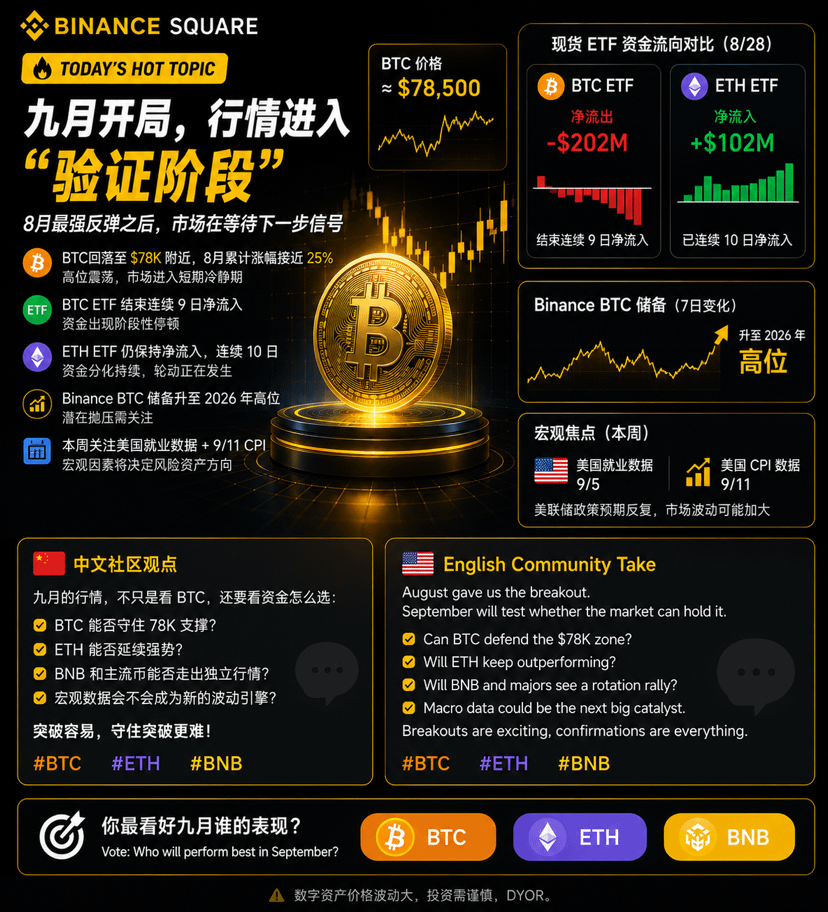
🔥 The BTC ETF saw outflows for just one day, and the funds came back.
This could be the most important signal to watch today.
On the previous trading day, BTC ETF recorded roughly $202M in net outflows, ending a streak of nine straight days of net inflows.
Many people have started to worry:
Are institutions getting ready to pull out?
But the latest data immediately shows a reversal:
🟢 BTC ETF: about +$216.7M
🟣 ETH ETF: about +$87.7M
🔥 ETH ETF: net inflows for the 11th consecutive trading day
What’s even more worth noting is—
BTC is still only around $78K.
Meaning:
The money is back, but the price hasn’t clearly kicked off yet.
This is completely different from the simple pattern of “price rises → capital chases.”
Meanwhile, BTC futures open interest hasn’t expanded crazily in sync either. The market currently looks more like it’s being driven by spot inflows, rather than high-leverage momentum.
So what I’m focusing on now isn’t:
“Will BTC break back above 80K today?”
It’s:
With these ongoing funds flowing into Crypto, who will they ultimately push up?
BTC is responsible for stabilizing the market.
ETH is steadily absorbing institutional capital.
And if liquidity continues to spread, BNB and other major assets may also become key things to watch in the next phase.
The most interesting state of this market right now is:
PRICE is hesitating.
But MONEY is still entering.
When price and fund flows show this kind of divergence—
it’s often worth taking a second look.
👇 If you can only choose one, who do you think will break through first in the next phase?
BTC / ETH / BNB?
#BTC #ETH #BNB
This could be the most important signal to watch today.
On the previous trading day, BTC ETF recorded roughly $202M in net outflows, ending a streak of nine straight days of net inflows.
Many people have started to worry:
Are institutions getting ready to pull out?
But the latest data immediately shows a reversal:
🟢 BTC ETF: about +$216.7M
🟣 ETH ETF: about +$87.7M
🔥 ETH ETF: net inflows for the 11th consecutive trading day
What’s even more worth noting is—
BTC is still only around $78K.
Meaning:
The money is back, but the price hasn’t clearly kicked off yet.
This is completely different from the simple pattern of “price rises → capital chases.”
Meanwhile, BTC futures open interest hasn’t expanded crazily in sync either. The market currently looks more like it’s being driven by spot inflows, rather than high-leverage momentum.
So what I’m focusing on now isn’t:
“Will BTC break back above 80K today?”
It’s:
With these ongoing funds flowing into Crypto, who will they ultimately push up?
BTC is responsible for stabilizing the market.
ETH is steadily absorbing institutional capital.
And if liquidity continues to spread, BNB and other major assets may also become key things to watch in the next phase.
The most interesting state of this market right now is:
PRICE is hesitating.
But MONEY is still entering.
When price and fund flows show this kind of divergence—
it’s often worth taking a second look.
👇 If you can only choose one, who do you think will break through first in the next phase?
BTC / ETH / BNB?
#BTC #ETH #BNB

远方1688BNB
·
--
Good fortune in the ninth month of the human world!
#DCA BTC DCA SoL DCA BNB to earn 10 million
#DCA BTC DCA SoL DCA BNB to earn 10 million


good

Luetta Schatzel NIrh
·
--
Family
Grateful to everyone’s for the support
we reached +16k followers
it’s time for the red envelope 🎁
🧧. 🧧. 🧧. 🧧. 🧧. 🧧.
✅ Reply
✅ Hit the like button and
✅ Share it out.
🧧. 🧧. 🧧. 🧧. 🧧. 🧧.
➡️ Reply with.: 16K
#GIVEAWAY🎁
Grateful to everyone’s for the support
we reached +16k followers
it’s time for the red envelope 🎁
🧧. 🧧. 🧧. 🧧. 🧧. 🧧.
✅ Reply
✅ Hit the like button and
✅ Share it out.
🧧. 🧧. 🧧. 🧧. 🧧. 🧧.
➡️ Reply with.: 16K
#GIVEAWAY🎁
@king Gulfam
king Gulfam
·
--
#BINANCEACADEMY.
Thankyou 👍🏻
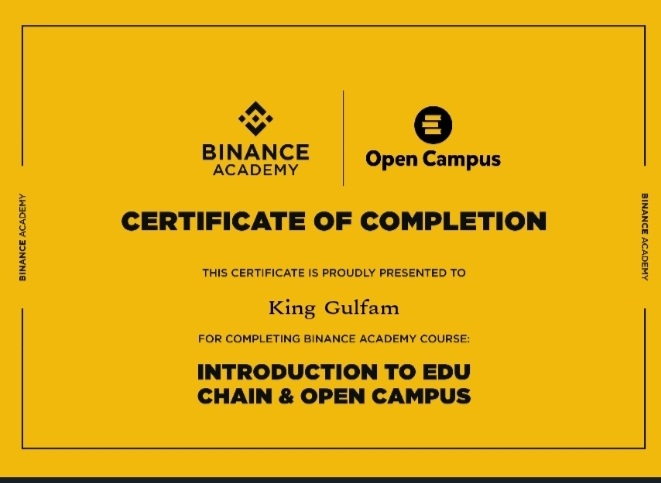
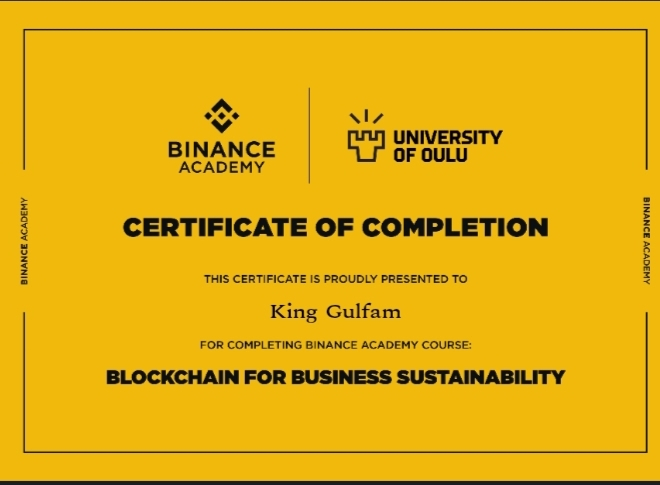
My all 12 certificate form @Binance Academy
YOU CAN TRY IT'S
Complete quizzes and get rewarded or get Certificate with your name 📝📝📝📝📝🎉🎉🎉🎉🎉🎉🎉🎉🎉🎉🎉🎉🎉🎉🎉💰💰💰💰💰💰💰💰💰💰💰💰💰💰💰
$CHILLGUY
$GRASS
$AAPLB
Thankyou 👍🏻
My all 12 certificate form @Binance Academy
YOU CAN TRY IT'S
Complete quizzes and get rewarded or get Certificate with your name 📝📝📝📝📝🎉🎉🎉🎉🎉🎉🎉🎉🎉🎉🎉🎉🎉🎉🎉💰💰💰💰💰💰💰💰💰💰💰💰💰💰💰
$CHILLGUY
$GRASS
$AAPLB



生蚝哥Oyster
·
--
Good morning☀️
In a new day, keep your rhythm and don’t let market fluctuations disrupt your mindset.
Opportunities always go to those who are prepared. Wishing everyone positions at ease, steady gains, and peace and everything going smoothly.
In a new day, keep your rhythm and don’t let market fluctuations disrupt your mindset.
Opportunities always go to those who are prepared. Wishing everyone positions at ease, steady gains, and peace and everything going smoothly.


白鲨观点
·
--
This morning I checked the market: BTC broke below 77,000, and liquidations across the whole network are almost 240 million yuan—about 80% of them are long positions. Then look at the ETF data: BlackRock’s IBIT bought another 1,400+ BTC, net inflow of over $100 million.
Prices are falling, while institutions are buying. Every time this kind of divergence shows up, the comments section splits into two camps:
One side says, “Institutions are coming in—quick, buy the dip.” The other side says, “Institutions are buying ETF shares, not pulling the spot price directly. Don’t get fooled.”
Both sides have points, but neither quite gets to the core.
What’s really worth thinking about is: why is the market dropping like this, yet institutions keep moving money in?
The answer may not be inside the crypto market, but outside it. Over the past few days, global bond markets have been selling off. U.S. Treasury yields have surged to 4.8%, and Japanese government bond yields hit their highest level in 96 years. The cost of capital for traditional finance is getting more expensive—the money is no longer cheap.
That sounds bearish—higher funding costs mean risk assets will face pressure. And yes, in the short term, it really is pressure. But think about it from another angle: when the operating costs of the traditional financial system keep rising, capital will look for places with lower friction and higher efficiency.
Why have stablecoins been so hot lately? Because 21 banks joined forces to launch their own stablecoin. It’s not because they suddenly believe in decentralization—it’s because they’ve realized that the cost of on-chain settlement is far cheaper than traditional clearing systems.
So the situation right now is rather delicate: short-term macro factors are weighing on prices, while long-term structural capital is positioning. What you see is the candlestick chart falling; what you can’t see is the underlying infrastructure changing.
As for what to do in the short term? Honestly, it’s normal for the 77,000 level to wobble up and down. Geopolitical conflicts plus rate-hike expectations are dual headwinds—of course it wouldn’t drop only a little. But if you think the bull market is over just because it’s down for two days, or if you want to go all-in to catch the dip because it’s dropping, that might be a bit too impatient.
The market is never black and white. It’s more like a balance scale being repriced: one side is macro pressure, the other is structural opportunity. Which side you stand on determines what you do next.
One last thing: for today’s行情, don’t place random orders. First figure out whether you’re making a short-term trade or building a long-term trend. If you mix the two, you’ll get hit from both ends.
$BTC $ETH #行情分析📈 #币圈思考
Prices are falling, while institutions are buying. Every time this kind of divergence shows up, the comments section splits into two camps:
One side says, “Institutions are coming in—quick, buy the dip.” The other side says, “Institutions are buying ETF shares, not pulling the spot price directly. Don’t get fooled.”
Both sides have points, but neither quite gets to the core.
What’s really worth thinking about is: why is the market dropping like this, yet institutions keep moving money in?
The answer may not be inside the crypto market, but outside it. Over the past few days, global bond markets have been selling off. U.S. Treasury yields have surged to 4.8%, and Japanese government bond yields hit their highest level in 96 years. The cost of capital for traditional finance is getting more expensive—the money is no longer cheap.
That sounds bearish—higher funding costs mean risk assets will face pressure. And yes, in the short term, it really is pressure. But think about it from another angle: when the operating costs of the traditional financial system keep rising, capital will look for places with lower friction and higher efficiency.
Why have stablecoins been so hot lately? Because 21 banks joined forces to launch their own stablecoin. It’s not because they suddenly believe in decentralization—it’s because they’ve realized that the cost of on-chain settlement is far cheaper than traditional clearing systems.
So the situation right now is rather delicate: short-term macro factors are weighing on prices, while long-term structural capital is positioning. What you see is the candlestick chart falling; what you can’t see is the underlying infrastructure changing.
As for what to do in the short term? Honestly, it’s normal for the 77,000 level to wobble up and down. Geopolitical conflicts plus rate-hike expectations are dual headwinds—of course it wouldn’t drop only a little. But if you think the bull market is over just because it’s down for two days, or if you want to go all-in to catch the dip because it’s dropping, that might be a bit too impatient.
The market is never black and white. It’s more like a balance scale being repriced: one side is macro pressure, the other is structural opportunity. Which side you stand on determines what you do next.
One last thing: for today’s行情, don’t place random orders. First figure out whether you’re making a short-term trade or building a long-term trend. If you mix the two, you’ll get hit from both ends.
$BTC $ETH #行情分析📈 #币圈思考

good

Aria Daisy 阿莉娅_黛西
·
--
Bullish🎁 $XRP COIN GIVEAWAY 🎁
I’m giving away 1,000 XRP to 3000 lucky winners!
How to participate: ✅ Follow me ✅
💬 Comment 2
That’s it! Simple and easy.
Thank you for all the love and support ❤️
Good luck everyone 🔥
#Xrp🔥🔥 #ARBRises30%OnRobinhoodChainRevenue #Japan10YYieldHits3%FirstSince1996
I’m giving away 1,000 XRP to 3000 lucky winners!
How to participate: ✅ Follow me ✅
💬 Comment 2
That’s it! Simple and easy.
Thank you for all the love and support ❤️
Good luck everyone 🔥
#Xrp🔥🔥 #ARBRises30%OnRobinhoodChainRevenue #Japan10YYieldHits3%FirstSince1996

Log in to explore more content