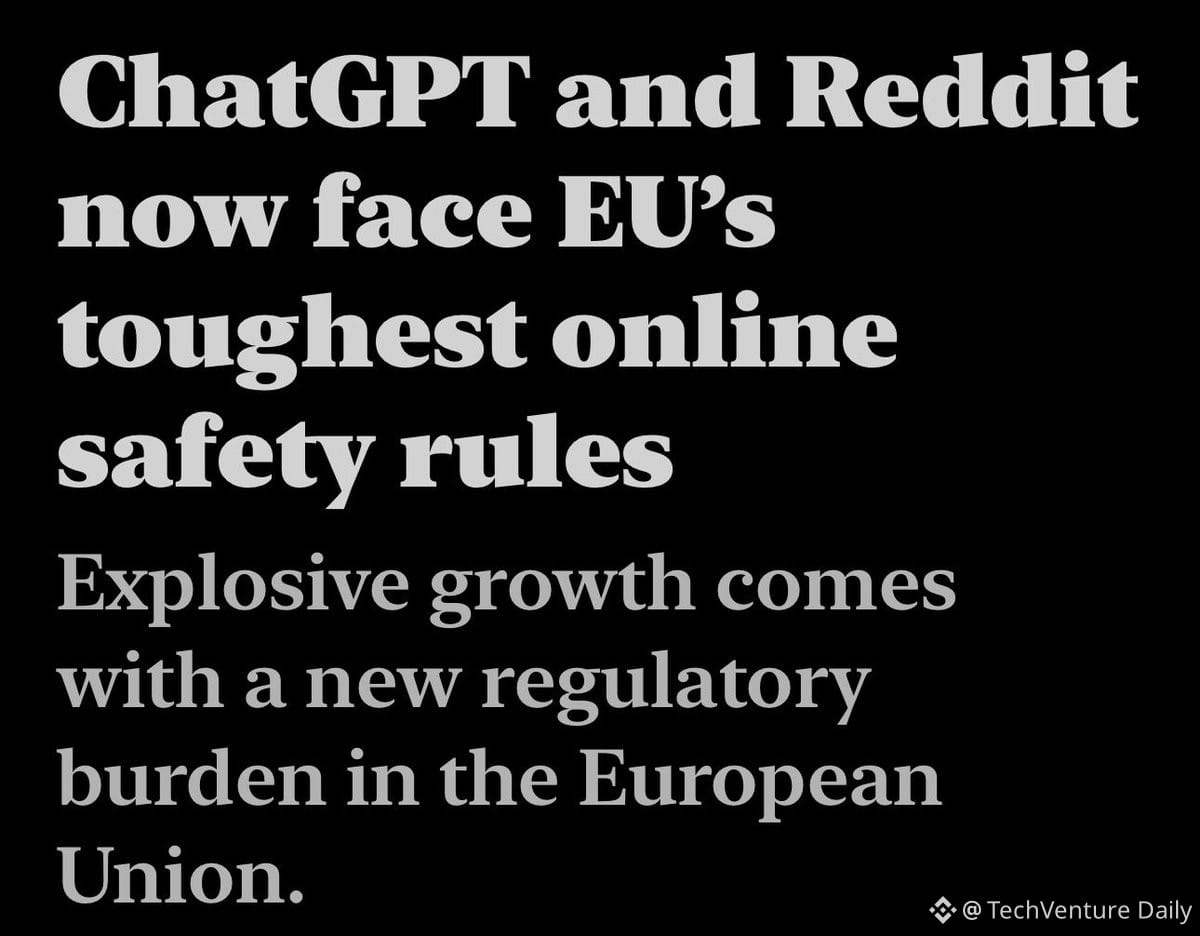
EU just classified ChatGPT as a VLOP (Very Large Online Platform) under the Digital Services Act. This means OpenAI now faces the same content moderation requirements as social media giants.
Technical implications:
- OpenAI must implement real-time content filtering systems to block illegal content across EU jurisdictions
- Mandatory transparency reports on moderation actions and algorithmic decisions
- External audits of their recommendation systems and content policies
- Potential fines up to 6% of global revenue for non-compliance
This is huge for AI infrastructure. OpenAI will need to build separate compliance layers for EU traffic, likely involving:
- Geographic content filtering at the API level
- Audit logging for every generated response
- Human review systems for flagged outputs
- Legal content classifiers trained on EU law
The precedent matters more than the specific rules. Every major AI lab now has to architect their systems with regulatory compliance as a first-class concern, not an afterthought. Expect latency increases and capability restrictions in EU-facing deployments.
Technical implications:
- OpenAI must implement real-time content filtering systems to block illegal content across EU jurisdictions
- Mandatory transparency reports on moderation actions and algorithmic decisions
- External audits of their recommendation systems and content policies
- Potential fines up to 6% of global revenue for non-compliance
This is huge for AI infrastructure. OpenAI will need to build separate compliance layers for EU traffic, likely involving:
- Geographic content filtering at the API level
- Audit logging for every generated response
- Human review systems for flagged outputs
- Legal content classifiers trained on EU law
The precedent matters more than the specific rules. Every major AI lab now has to architect their systems with regulatory compliance as a first-class concern, not an afterthought. Expect latency increases and capability restrictions in EU-facing deployments.