
冷静的链上数据
343 Posts

冷静的链上数据
公众号:比特西瓜;策略,执行复盘
8 Following
71 Followers
135 Liked
Posts
See translation
OpenAI 可能正在酝酿史上最大的 IPO。📢
多家外媒都在报道它的上市计划。💰
如果成真,这将是科技史上浓墨重彩的一笔。
先看规模预期。🤔
OpenAI 的估值已经站上万亿级别。
一旦上市,融资规模可能创下纪录。
全球 AI 赛道的旗舰公司,终于要走向公开市场。
为什么现在提上市。📊
AI 烧钱太猛,数据中心、算力、人才,全是吞金兽。
上市能打开更大的融资渠道,也给了早期投资者退出路径。
监管和资本的双重压力下,上市是必然的一步。
对行业的影响。👀
OpenAI 上市,等于给整个 AI 板块定价。
估值锚一定,上下游公司都有了参照系。
资本会重新评估 AI 资产,炒作空间也会打开。
风险也要看清楚。⚖️
万亿估值的公司,盈利还是个问号。
上市后的每一份财报,都会放大波动。
AI 叙事能撑多久,市场会用脚投票。
对普通人的启示。✅
AI 是这一轮资本叙事的主线。
但叙事和基本面之间,往往隔着巨大的鸿沟。
跟着情绪追高,不如等估值回归理性。
大公司的故事再性感,也要看它能不能兑现利润。
📌 OpenAI 传出创纪录 IPO 计划,万亿估值走向公开市场,AI 板块定价锚或将重塑。
👉 加入社群领取策略
多家外媒都在报道它的上市计划。💰
如果成真,这将是科技史上浓墨重彩的一笔。
先看规模预期。🤔
OpenAI 的估值已经站上万亿级别。
一旦上市,融资规模可能创下纪录。
全球 AI 赛道的旗舰公司,终于要走向公开市场。
为什么现在提上市。📊
AI 烧钱太猛,数据中心、算力、人才,全是吞金兽。
上市能打开更大的融资渠道,也给了早期投资者退出路径。
监管和资本的双重压力下,上市是必然的一步。
对行业的影响。👀
OpenAI 上市,等于给整个 AI 板块定价。
估值锚一定,上下游公司都有了参照系。
资本会重新评估 AI 资产,炒作空间也会打开。
风险也要看清楚。⚖️
万亿估值的公司,盈利还是个问号。
上市后的每一份财报,都会放大波动。
AI 叙事能撑多久,市场会用脚投票。
对普通人的启示。✅
AI 是这一轮资本叙事的主线。
但叙事和基本面之间,往往隔着巨大的鸿沟。
跟着情绪追高,不如等估值回归理性。
大公司的故事再性感,也要看它能不能兑现利润。
📌 OpenAI 传出创纪录 IPO 计划,万亿估值走向公开市场,AI 板块定价锚或将重塑。
👉 加入社群领取策略
A $3 trillion oil market is opening its doors to everyday people.🛢️
It used to be a rich people’s game, but the entry barrier has dropped dramatically.💰
Small contracts, ETFs, and online brokers have knocked the ticket price down.
First, let’s look at what’s changed.🤔
In the past, trading oil meant that even a single lot contract was out of reach for most people.
Now there are mini contracts and micro contracts, which require far less capital.
And oil ETFs allow people who don’t have a futures account to participate too.
Order on your phone with a couple of taps—something that would have been unimaginable a decade ago.
Why is it opening up now?📊
Technology costs have fallen, and retail trading infrastructure has matured.
Regulators also allow more retail products to launch.
The market needs more liquidity, and retail traders are an important source of incremental demand.
Opportunities and risks coexist.⚖️
Oil is a globally priced commodity, with high volatility and many influencing factors.
Geopolitical conflicts, OPEC decisions, inventory data—each of them can send prices swinging sharply.
Just because ordinary people can trade doesn’t mean ordinary people can make money.
Implications for asset allocation.👀
Oil has relatively low correlation with the stock and bond markets.
Adding a bit to a portfolio can help diversify risk.
But you must control position size—the high leverage of commodity futures is no joke.
Advice for everyday people.✅
If you want to participate, start with small positions and ETFs.
Don’t jump straight into leveraged futures.
Understand supply/demand and geopolitics before you talk about trading.
Lower barriers are an opportunity, but opportunities only go to those who are prepared.
📌 With the $3 trillion oil market’s entry barrier falling sharply, mini contracts and ETFs bring retail traders in—where volatility and opportunity coexist.
👉 加入社群领取策略
It used to be a rich people’s game, but the entry barrier has dropped dramatically.💰
Small contracts, ETFs, and online brokers have knocked the ticket price down.
First, let’s look at what’s changed.🤔
In the past, trading oil meant that even a single lot contract was out of reach for most people.
Now there are mini contracts and micro contracts, which require far less capital.
And oil ETFs allow people who don’t have a futures account to participate too.
Order on your phone with a couple of taps—something that would have been unimaginable a decade ago.
Why is it opening up now?📊
Technology costs have fallen, and retail trading infrastructure has matured.
Regulators also allow more retail products to launch.
The market needs more liquidity, and retail traders are an important source of incremental demand.
Opportunities and risks coexist.⚖️
Oil is a globally priced commodity, with high volatility and many influencing factors.
Geopolitical conflicts, OPEC decisions, inventory data—each of them can send prices swinging sharply.
Just because ordinary people can trade doesn’t mean ordinary people can make money.
Implications for asset allocation.👀
Oil has relatively low correlation with the stock and bond markets.
Adding a bit to a portfolio can help diversify risk.
But you must control position size—the high leverage of commodity futures is no joke.
Advice for everyday people.✅
If you want to participate, start with small positions and ETFs.
Don’t jump straight into leveraged futures.
Understand supply/demand and geopolitics before you talk about trading.
Lower barriers are an opportunity, but opportunities only go to those who are prepared.
📌 With the $3 trillion oil market’s entry barrier falling sharply, mini contracts and ETFs bring retail traders in—where volatility and opportunity coexist.
👉 加入社群领取策略

Trump has spoken—he wants to push for a federal film and TV tax incentive.🎬
Hollywood production companies and unions have been waiting for this day for a long time.📢
“Let’s Get This Done”—those were his exact words, blunt and to the point.
First, let’s look at the policy details.🤔
At the federal level, it offers tax benefits for film and TV production.
The goal is straightforward: keep the lost production projects in the United States.
Canada’s tax incentives have, in recent years, poached a lot of Hollywood work.
Why push it now.📊
Hollywood’s major studios and unions have been lobbying the federal government for support.
State-level incentives are already well-developed—the federal policy is meant to fill in the last missing piece.
With both jobs and taxes in mind, this is a topic with political value.
Impact on the industry.💰
Once the tax incentives take effect, production costs decrease and projects can return.
The film and TV industry can stabilize employment, and related supporting sectors will also benefit.
Hollywood’s capital expenditures will be re-evaluated for production locations.
Where are the opportunities.👀
Film and TV tax incentives will drive demand for filming bases, post-production, and equipment rental.
Money in the content industry will follow the policy.
For investors, publicly listed companies related to media and film are worth keeping an eye on.
What it means for everyday people.✅
Policy is the biggest variable—if you follow the policy, the direction usually won’t be wrong.
Hollywood’s business is essentially a three-way game of content + capital + policy.
Whichever side offers better terms, projects will move there.
Deals that have to do with money often hide in the fine print of policy.
📌 Trump pushing for a federal film and TV tax incentive has warmed expectations that Hollywood projects will return, and the content industry will follow the policy.
👉 加入社群领取策略
Hollywood production companies and unions have been waiting for this day for a long time.📢
“Let’s Get This Done”—those were his exact words, blunt and to the point.
First, let’s look at the policy details.🤔
At the federal level, it offers tax benefits for film and TV production.
The goal is straightforward: keep the lost production projects in the United States.
Canada’s tax incentives have, in recent years, poached a lot of Hollywood work.
Why push it now.📊
Hollywood’s major studios and unions have been lobbying the federal government for support.
State-level incentives are already well-developed—the federal policy is meant to fill in the last missing piece.
With both jobs and taxes in mind, this is a topic with political value.
Impact on the industry.💰
Once the tax incentives take effect, production costs decrease and projects can return.
The film and TV industry can stabilize employment, and related supporting sectors will also benefit.
Hollywood’s capital expenditures will be re-evaluated for production locations.
Where are the opportunities.👀
Film and TV tax incentives will drive demand for filming bases, post-production, and equipment rental.
Money in the content industry will follow the policy.
For investors, publicly listed companies related to media and film are worth keeping an eye on.
What it means for everyday people.✅
Policy is the biggest variable—if you follow the policy, the direction usually won’t be wrong.
Hollywood’s business is essentially a three-way game of content + capital + policy.
Whichever side offers better terms, projects will move there.
Deals that have to do with money often hide in the fine print of policy.
📌 Trump pushing for a federal film and TV tax incentive has warmed expectations that Hollywood projects will return, and the content industry will follow the policy.
👉 加入社群领取策略

The AMM protocol in the Solana ecosystem was hacked for $2.5 million. 💰
What’s even more painful is that this protocol just underwent an audit. 📜
Another shred of the “security industry’s” cover has been torn away.
First, let’s look at the incident. 🤔
The Aquifer AMM protocol was attacked, resulting in a $2.5 million loss.
The project team offered a 20% bounty, trying to negotiate with the hacker.
Even audited protocols have been hacked—this is not the first time.
Why was it audited but still hacked? ⚖️
An audit can only prove that no vulnerabilities were found in the code at the time of the audit.
Attackers’ approaches are often outside the audit scope.
Flash loans, oracle manipulation, permission vulnerabilities—the playbook keeps coming.
An audit is a passing grade, not a free-pass “get out of jail” card.
Impact on trust in DeFi. 📉
Every security incident drains users’ confidence.
Locked funds may flow out, and new users will wait and observe.
The entire ecosystem’s security budget will be forced to increase.
Smaller projects may shut down directly, while even larger ones need to raise more funds to reinforce security.
How the crypto industry should respond. 👀
Insurance, security funds, and bug bounties are becoming standard.
Code audits are going deeper and deeper, and simulated attacks are becoming increasingly common.
But no matter how high the expert’s skill, the devil is always a step ahead—security is a long-term battle.
Lessons for ordinary users. ✅
Before using DeFi, check its security track record and the size of its funds.
Be cautious with new protocols and smaller protocols.
Your fund safety is always more important than your return rate.
As the saying goes: if it’s not your private key, it’s not your coins.
📌 Solana AMM protocol attacked, $2.5 million lost; audited projects were also hacked—DeFi security warnings ring again.
👉 加入社群领取策略
What’s even more painful is that this protocol just underwent an audit. 📜
Another shred of the “security industry’s” cover has been torn away.
First, let’s look at the incident. 🤔
The Aquifer AMM protocol was attacked, resulting in a $2.5 million loss.
The project team offered a 20% bounty, trying to negotiate with the hacker.
Even audited protocols have been hacked—this is not the first time.
Why was it audited but still hacked? ⚖️
An audit can only prove that no vulnerabilities were found in the code at the time of the audit.
Attackers’ approaches are often outside the audit scope.
Flash loans, oracle manipulation, permission vulnerabilities—the playbook keeps coming.
An audit is a passing grade, not a free-pass “get out of jail” card.
Impact on trust in DeFi. 📉
Every security incident drains users’ confidence.
Locked funds may flow out, and new users will wait and observe.
The entire ecosystem’s security budget will be forced to increase.
Smaller projects may shut down directly, while even larger ones need to raise more funds to reinforce security.
How the crypto industry should respond. 👀
Insurance, security funds, and bug bounties are becoming standard.
Code audits are going deeper and deeper, and simulated attacks are becoming increasingly common.
But no matter how high the expert’s skill, the devil is always a step ahead—security is a long-term battle.
Lessons for ordinary users. ✅
Before using DeFi, check its security track record and the size of its funds.
Be cautious with new protocols and smaller protocols.
Your fund safety is always more important than your return rate.
As the saying goes: if it’s not your private key, it’s not your coins.
📌 Solana AMM protocol attacked, $2.5 million lost; audited projects were also hacked—DeFi security warnings ring again.
👉 加入社群领取策略
Dyson has released an electric toothbrush with a camera. 🪥
It can stream real-time images of your mouth and automatically clean between your teeth. 📷
The price isn’t cheap, but the tech feel is off the charts. 🤯
First, take a look at the product. 🤔
The brush head has a built-in camera, and the live video is sent to your phone while you brush.
It can also monitor cleaning performance—where you haven’t cleaned thoroughly is instantly obvious.
Add an automatic rinsing-toothbrush function, and it’s all about smart oral care.
Why did Dyson make this? 📊
Dyson’s strengths are motors and fluid technology.
From hair dryers to vacuum cleaners to fans, it all follows the same logic.
Electric toothbrushes are the next high-priced home appliance category.
Using a tech premium to reshape a traditional category is Dyson’s go-to play.
What are the selling points? 👀
A regular toothbrush solves cleaning; this one solves visibility.
If you can see, you can brush cleaner—that’s its core narrative.
But its price is several times higher than an ordinary electric toothbrush, making it clearly positioned as a luxury product.
Will the market buy it? 🤔
Dyson’s customer profile is very clear: people who are willing to pay a premium for the tech vibe.
Health anxiety + tech aesthetics—these products are driven by a double motive.
That said, the oral care market already has established players, so competition isn’t small.
Whether “smart oral care” can really take off depends on the reputation after people try it.
Lessons for investors. ✅
Innovation in consumer tech is always searching for new premium points.
From home appliances to personal care, tech companies are moving aggressively into traditional categories.
Whoever can turn technology into an upgraded consumer experience can set the price.
Opportunities connected to money are often hidden in everyday details.
📌 Dyson’s camera-equipped electric toothbrush delivers maximum tech appeal, commands a hefty price, and consumer tech is fully penetrating the personal care category.
👉 加入社群领取策略
It can stream real-time images of your mouth and automatically clean between your teeth. 📷
The price isn’t cheap, but the tech feel is off the charts. 🤯
First, take a look at the product. 🤔
The brush head has a built-in camera, and the live video is sent to your phone while you brush.
It can also monitor cleaning performance—where you haven’t cleaned thoroughly is instantly obvious.
Add an automatic rinsing-toothbrush function, and it’s all about smart oral care.
Why did Dyson make this? 📊
Dyson’s strengths are motors and fluid technology.
From hair dryers to vacuum cleaners to fans, it all follows the same logic.
Electric toothbrushes are the next high-priced home appliance category.
Using a tech premium to reshape a traditional category is Dyson’s go-to play.
What are the selling points? 👀
A regular toothbrush solves cleaning; this one solves visibility.
If you can see, you can brush cleaner—that’s its core narrative.
But its price is several times higher than an ordinary electric toothbrush, making it clearly positioned as a luxury product.
Will the market buy it? 🤔
Dyson’s customer profile is very clear: people who are willing to pay a premium for the tech vibe.
Health anxiety + tech aesthetics—these products are driven by a double motive.
That said, the oral care market already has established players, so competition isn’t small.
Whether “smart oral care” can really take off depends on the reputation after people try it.
Lessons for investors. ✅
Innovation in consumer tech is always searching for new premium points.
From home appliances to personal care, tech companies are moving aggressively into traditional categories.
Whoever can turn technology into an upgraded consumer experience can set the price.
Opportunities connected to money are often hidden in everyday details.
📌 Dyson’s camera-equipped electric toothbrush delivers maximum tech appeal, commands a hefty price, and consumer tech is fully penetrating the personal care category.
👉 加入社群领取策略

VMware did something interesting. 🤔
Using the “AI factory” concept that Nvidia made hot, they’re applying it to an AMD-based solution. 📊
A mix-and-match of branding and technology—behind it is a real, hands-on compute business.
First, some background. 📜
Nvidia popularized the term “AI factory,” and it became synonymous with high-end compute.
Now VMware is applying that concept to products built on AMD chips.
On one hand, they ride the wave of the buzzword; on the other, they use AMD’s cost-performance to win the market.
Why do this. ⚖️
Nvidia GPUs are expensive, and deliveries are also tight.
Many customers have limited budgets and need more flexible options.
AMD chips offer better value, but their brand visibility isn’t as strong as Nvidia’s.
VMware puts an AI-factory “shell” on top, and fills it with AMD chips—trying to please both sides.
For customers. 💡
This means there’s an additional choice.
For the same AI workloads, you don’t necessarily have to go with the priciest setup.
Compute costs can come down, and your token bill can get leaner.
For small and medium-sized businesses, this is a genuine benefit.
Industry signal. 👀
The competition in AI compute is expanding from a single chip to the entire ecosystem.
Whoever can provide a more complete solution can keep customers.
Alliances and power plays among hardware vendors are only just beginning.
What it means for everyday people. ✅
AI costs are trending downward, which is good news for the whole industry.
“Compute for the masses” means more applications can actually run.
For areas that are about money, you always need to watch how the cost curve changes.
Where costs go down—that’s where opportunities are.
📌 VMware uses Nvidia’s AI factory concept to craft an AMD solution, kicking off a compute cost battle—giving customers another high value-for-money option.
👉 加入社群领取策略
Using the “AI factory” concept that Nvidia made hot, they’re applying it to an AMD-based solution. 📊
A mix-and-match of branding and technology—behind it is a real, hands-on compute business.
First, some background. 📜
Nvidia popularized the term “AI factory,” and it became synonymous with high-end compute.
Now VMware is applying that concept to products built on AMD chips.
On one hand, they ride the wave of the buzzword; on the other, they use AMD’s cost-performance to win the market.
Why do this. ⚖️
Nvidia GPUs are expensive, and deliveries are also tight.
Many customers have limited budgets and need more flexible options.
AMD chips offer better value, but their brand visibility isn’t as strong as Nvidia’s.
VMware puts an AI-factory “shell” on top, and fills it with AMD chips—trying to please both sides.
For customers. 💡
This means there’s an additional choice.
For the same AI workloads, you don’t necessarily have to go with the priciest setup.
Compute costs can come down, and your token bill can get leaner.
For small and medium-sized businesses, this is a genuine benefit.
Industry signal. 👀
The competition in AI compute is expanding from a single chip to the entire ecosystem.
Whoever can provide a more complete solution can keep customers.
Alliances and power plays among hardware vendors are only just beginning.
What it means for everyday people. ✅
AI costs are trending downward, which is good news for the whole industry.
“Compute for the masses” means more applications can actually run.
For areas that are about money, you always need to watch how the cost curve changes.
Where costs go down—that’s where opportunities are.
📌 VMware uses Nvidia’s AI factory concept to craft an AMD solution, kicking off a compute cost battle—giving customers another high value-for-money option.
👉 加入社群领取策略

U.S. stock index futures for the three major indices all fall together. 📉
After the inflation data is released, market sentiment tightens again. 🤔
Dow, S&P, and Nasdaq futures drop in sync—the atmosphere before the open is already off.
First, look at the spark. 📊
The latest inflation data is stubbornly higher than expected.
The market had been hoping for cooling, but it didn’t materialize.
Rate expectations heat up again, and stock valuations face pressure.
The biggest hit is to tech stocks. ⚔️
Nasdaq futures lead the decline, and the most overvalued sectors are the most sensitive.
High-priced AI-related stocks are the first to be hit.
The higher the rates, the lower the discounted value of future cash flows.
The pricing logic for growth stocks is being recalibrated.
Oil is also not steady. 🛢️
The situation in the Middle East pushes up oil prices, increasing imported inflation pressure.
Rising energy prices → sticky inflation → renewed rate-hike expectations—the chain reaction is back on.
The Federal Reserve’s position is becoming increasingly passive.
Transmission to crypto. 👀
When U.S. stocks fall, risk appetite contracts, and crypto typically comes under pressure as well.
But crypto now has its own driving forces, and ETF inflows are still coming in.
With both forces tugging in opposite directions, price action may be more resilient than that of U.S. stocks.
For the average investor. ✅
In periods of repeated inflation, volatility tends to increase.
Don’t rush to bottom-fish, and don’t panic-sell in a hurry.
Wait until the data trend becomes clear before deciding on a direction.
Controlling position size is always the most practical strategy in the market.
📌 U.S. stock index futures fall across the board; stubborn inflation keeps rate expectations rising; highly valued tech stocks face pressure; and volatility in risk assets increases.
👉 加入社群领取策略
After the inflation data is released, market sentiment tightens again. 🤔
Dow, S&P, and Nasdaq futures drop in sync—the atmosphere before the open is already off.
First, look at the spark. 📊
The latest inflation data is stubbornly higher than expected.
The market had been hoping for cooling, but it didn’t materialize.
Rate expectations heat up again, and stock valuations face pressure.
The biggest hit is to tech stocks. ⚔️
Nasdaq futures lead the decline, and the most overvalued sectors are the most sensitive.
High-priced AI-related stocks are the first to be hit.
The higher the rates, the lower the discounted value of future cash flows.
The pricing logic for growth stocks is being recalibrated.
Oil is also not steady. 🛢️
The situation in the Middle East pushes up oil prices, increasing imported inflation pressure.
Rising energy prices → sticky inflation → renewed rate-hike expectations—the chain reaction is back on.
The Federal Reserve’s position is becoming increasingly passive.
Transmission to crypto. 👀
When U.S. stocks fall, risk appetite contracts, and crypto typically comes under pressure as well.
But crypto now has its own driving forces, and ETF inflows are still coming in.
With both forces tugging in opposite directions, price action may be more resilient than that of U.S. stocks.
For the average investor. ✅
In periods of repeated inflation, volatility tends to increase.
Don’t rush to bottom-fish, and don’t panic-sell in a hurry.
Wait until the data trend becomes clear before deciding on a direction.
Controlling position size is always the most practical strategy in the market.
📌 U.S. stock index futures fall across the board; stubborn inflation keeps rate expectations rising; highly valued tech stocks face pressure; and volatility in risk assets increases.
👉 加入社群领取策略
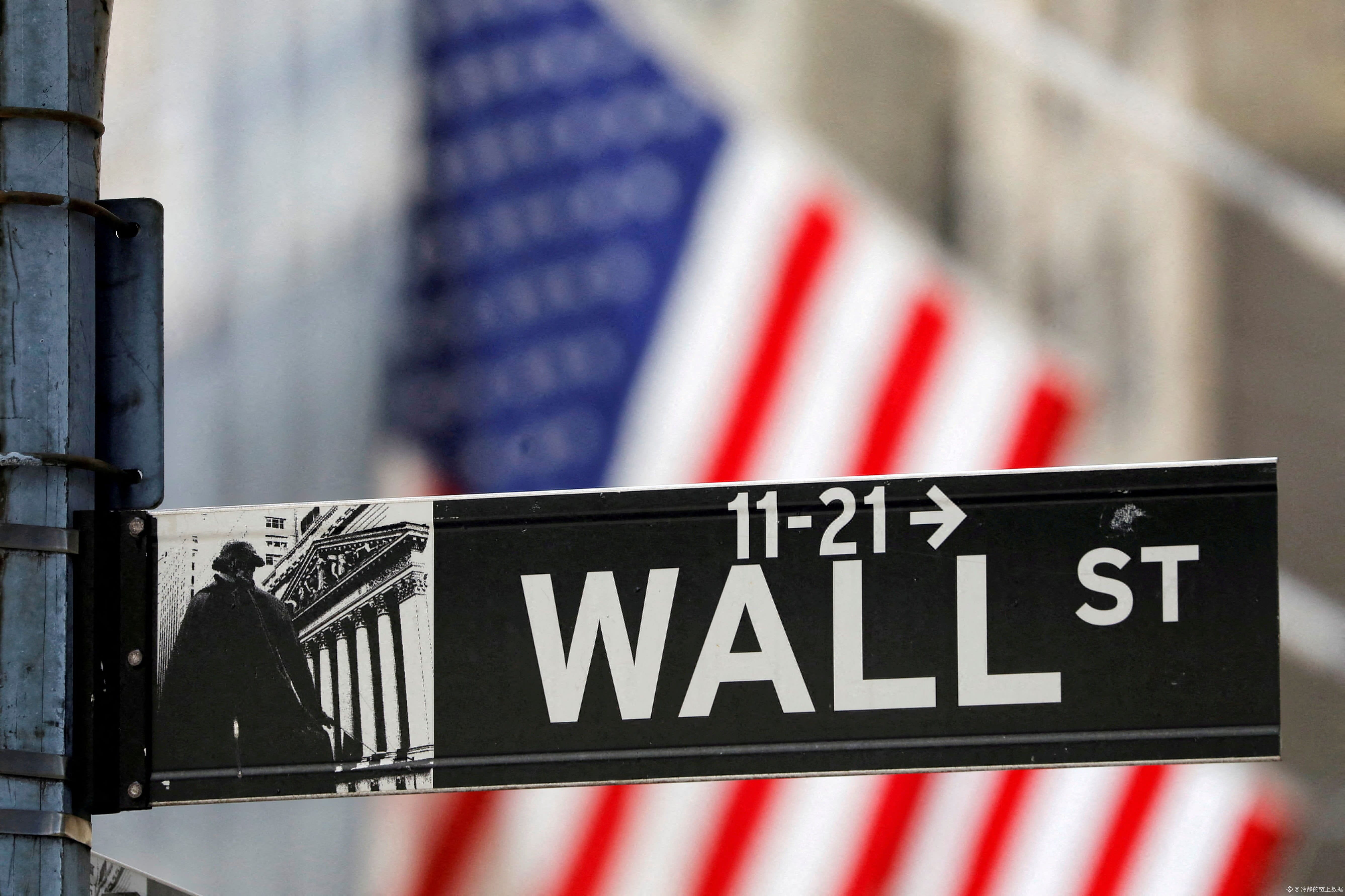
Asia is aging—and doing so fast.👴
The latest report shows that population aging will reshape retirement, elder care, and wealth inheritance.💰
Behind this lies a massive transfer of wealth.
First, let’s look at the data.📊
Many countries across Asia are entering deep population aging, with the share of the working-age population continuing to decline.
The number of retirees is rising while the employed population is shrinking, and pension pressure is increasing sharply.
Every country is trying to respond—raising the retirement age, encouraging savings, and developing the elder-care industry.
The scale of the wealth transfer.💰
Wealth accumulated by the older generation is flowing to the next generation.
Inheritance, real estate, and financial assets—measured in the trillions.
How this money is passed on and how it’s allocated directly affects asset markets.
Implications for investment.👀
In an aging society, funds are likely to favor more stable assets.
Bonds, dividend stocks, and pension funds are poised to become the main destinations.
The allocation share of high-risk crypto assets will be affected.
But younger generations are generally more willing to participate, so they could become a source of incremental demand over the long term.
Where are the opportunities.🤔
Healthcare, insurance, and senior living real estate are relatively certain growth areas.
The direction in which technology replaces labor is also accelerating.
Whoever captures the needs of the aging-economy will be able to benefit from the dividends.
What this means for everyday people.✅
Don’t just focus on whether assets are going up or down—look at the underlying logic of demographics.
Aging is a slow-moving variable, but its impact is far-reaching.
Planning your retirement and asset allocation early is more practical than anything else.
In the tide of wealth transfer, only the prepared can catch it.
📌 Asia’s population aging is reshaping retirement and wealth inheritance—trillions-level wealth transfer is underway, with stable assets and the elder-care industry becoming clear, more certain directions.
👉 加入社群领取策略
The latest report shows that population aging will reshape retirement, elder care, and wealth inheritance.💰
Behind this lies a massive transfer of wealth.
First, let’s look at the data.📊
Many countries across Asia are entering deep population aging, with the share of the working-age population continuing to decline.
The number of retirees is rising while the employed population is shrinking, and pension pressure is increasing sharply.
Every country is trying to respond—raising the retirement age, encouraging savings, and developing the elder-care industry.
The scale of the wealth transfer.💰
Wealth accumulated by the older generation is flowing to the next generation.
Inheritance, real estate, and financial assets—measured in the trillions.
How this money is passed on and how it’s allocated directly affects asset markets.
Implications for investment.👀
In an aging society, funds are likely to favor more stable assets.
Bonds, dividend stocks, and pension funds are poised to become the main destinations.
The allocation share of high-risk crypto assets will be affected.
But younger generations are generally more willing to participate, so they could become a source of incremental demand over the long term.
Where are the opportunities.🤔
Healthcare, insurance, and senior living real estate are relatively certain growth areas.
The direction in which technology replaces labor is also accelerating.
Whoever captures the needs of the aging-economy will be able to benefit from the dividends.
What this means for everyday people.✅
Don’t just focus on whether assets are going up or down—look at the underlying logic of demographics.
Aging is a slow-moving variable, but its impact is far-reaching.
Planning your retirement and asset allocation early is more practical than anything else.
In the tide of wealth transfer, only the prepared can catch it.
📌 Asia’s population aging is reshaping retirement and wealth inheritance—trillions-level wealth transfer is underway, with stable assets and the elder-care industry becoming clear, more certain directions.
👉 加入社群领取策略

The race for tokenized Treasury bonds has a new ranking again.📊
BlackRock’s BUIDL has surpassed Circle’s USYC in size.💰
The leading battle in the RWA space is starting to heat up.
First, let’s look at these two products.🤔
BUIDL is a tokenized fund launched by BlackRock, investing in U.S. Treasuries.
USYC is a similar product under Circle.
Both move traditional Treasury bonds onto the blockchain for trading.
Why BUIDL can overtake.📈
BlackRock’s brand and distribution channels are its biggest weapons.
The title of the world’s largest asset manager makes institutional money more likely to trust it.
Plus, Circle has recently been entangled in lawsuits, so customers may divert elsewhere.
Why this track is so hot.👀
On-chain Treasuries give idle capital a relatively steady way to earn yield.
You don’t need to deploy your own blockchain to capture U.S. dollar interest-rate returns.
For institutions and whales, it’s a good tool for cash management.
Impact on the stablecoin landscape.⚔️
Behind USYC is Circle, the issuer of USDC.
If BUIDL grows bigger, it effectively nibbles at the stablecoin “cheese.”
Competition for on-chain cash has expanded from payments to interest-bearing assets.
For regular players.✅
RWA is a tangible, real-world use case you can actually see.
Tokenizing Treasuries means the bridge between traditional assets and the crypto world is getting wider.
But competition in this space is fierce, and it’s still unclear who will win in the end.
Watching how the top players move won’t lead you the wrong way.
📌 BlackRock’s BUIDL overtakes Circle’s USYC—tokenized Treasury bond competition heats up, and the fight for leadership in the RWA space intensifies.
👉 加入社群领取策略
BlackRock’s BUIDL has surpassed Circle’s USYC in size.💰
The leading battle in the RWA space is starting to heat up.
First, let’s look at these two products.🤔
BUIDL is a tokenized fund launched by BlackRock, investing in U.S. Treasuries.
USYC is a similar product under Circle.
Both move traditional Treasury bonds onto the blockchain for trading.
Why BUIDL can overtake.📈
BlackRock’s brand and distribution channels are its biggest weapons.
The title of the world’s largest asset manager makes institutional money more likely to trust it.
Plus, Circle has recently been entangled in lawsuits, so customers may divert elsewhere.
Why this track is so hot.👀
On-chain Treasuries give idle capital a relatively steady way to earn yield.
You don’t need to deploy your own blockchain to capture U.S. dollar interest-rate returns.
For institutions and whales, it’s a good tool for cash management.
Impact on the stablecoin landscape.⚔️
Behind USYC is Circle, the issuer of USDC.
If BUIDL grows bigger, it effectively nibbles at the stablecoin “cheese.”
Competition for on-chain cash has expanded from payments to interest-bearing assets.
For regular players.✅
RWA is a tangible, real-world use case you can actually see.
Tokenizing Treasuries means the bridge between traditional assets and the crypto world is getting wider.
But competition in this space is fierce, and it’s still unclear who will win in the end.
Watching how the top players move won’t lead you the wrong way.
📌 BlackRock’s BUIDL overtakes Circle’s USYC—tokenized Treasury bond competition heats up, and the fight for leadership in the RWA space intensifies.
👉 加入社群领取策略
Hyperliquid wants to enter the U.S. market, but a former SEC lawyer poured cold water on it.💧
By his estimate, the regulatory process will take at least 10 to 12 months.📅
Even if regulators push full speed, it won’t get much faster.
Why is it so slow? 🤔
U.S. regulation of crypto derivatives spans multiple agencies.
The CFTC oversees contracts, while the SEC handles the securities classification.
For a highly leveraged derivatives platform like Hyperliquid, it has to get approval from both sides.
The core issues to resolve first.📜
The platform’s token and the traded instruments must first clear the securities classification hurdle.
Then they must meet a whole series of requirements—compliance, audits, anti–money laundering, and more.
Every step comes with hard costs, and time can’t be saved.
For the platform, entering the U.S. is a double-edged sword.⚖️
Entering means access to the world’s largest market.
But the price is that product design will have to compromise with regulators.
Features like high leverage and no licensing may have to be adjusted.
What it means for the industry.👀
Hyperliquid is a litmus test for U.S. regulatory attitudes.
Whether it gets in—and in what form—will affect the trajectory of the entire derivatives sector.
The boundaries of how strict regulators are will become clearer through this process.
For ordinary players.✅
Hard entry into the U.S. market shows that regulation of crypto derivatives is still strict.
Products that may be playable elsewhere aren’t necessarily legal in the U.S.
Whether it’s an overseas expansion project or a domestic platform, compliance is a hurdle you can’t bypass.
Only once the regulatory framework is in place will this sector truly mature.
📌 A former SEC lawyer estimates Hyperliquid will need 10–12 months to enter the U.S.; regulatory compliance is the biggest hurdle for derivatives platforms.
👉 加入社群领取策略
By his estimate, the regulatory process will take at least 10 to 12 months.📅
Even if regulators push full speed, it won’t get much faster.
Why is it so slow? 🤔
U.S. regulation of crypto derivatives spans multiple agencies.
The CFTC oversees contracts, while the SEC handles the securities classification.
For a highly leveraged derivatives platform like Hyperliquid, it has to get approval from both sides.
The core issues to resolve first.📜
The platform’s token and the traded instruments must first clear the securities classification hurdle.
Then they must meet a whole series of requirements—compliance, audits, anti–money laundering, and more.
Every step comes with hard costs, and time can’t be saved.
For the platform, entering the U.S. is a double-edged sword.⚖️
Entering means access to the world’s largest market.
But the price is that product design will have to compromise with regulators.
Features like high leverage and no licensing may have to be adjusted.
What it means for the industry.👀
Hyperliquid is a litmus test for U.S. regulatory attitudes.
Whether it gets in—and in what form—will affect the trajectory of the entire derivatives sector.
The boundaries of how strict regulators are will become clearer through this process.
For ordinary players.✅
Hard entry into the U.S. market shows that regulation of crypto derivatives is still strict.
Products that may be playable elsewhere aren’t necessarily legal in the U.S.
Whether it’s an overseas expansion project or a domestic platform, compliance is a hurdle you can’t bypass.
Only once the regulatory framework is in place will this sector truly mature.
📌 A former SEC lawyer estimates Hyperliquid will need 10–12 months to enter the U.S.; regulatory compliance is the biggest hurdle for derivatives platforms.
👉 加入社群领取策略
Two major U.S. regulatory agencies are pushing forward crypto rules.📜
The SEC and CFTC are both moving.
But on the other side, the CLARITY Act is still stuck in Congress.⚖️
First, let’s look at what regulators are doing.🤔
Within their respective mandates, the SEC and CFTC are speeding up rulemaking.
A regulatory framework for stablecoins is the current focus.
Both agencies are carving out territory and also filling in gaps.
Next, let’s see the status of the bill.📊
The CLARITY Act aims to give crypto assets a clear classification framework.
But there are significant disagreements in Congress, and progress is slow.
When legislation moves slowly and regulation moves fast, you get a timing gap.
What does this timing gap mean?👀
With regulatory rules coming first, the market gains short-term certainty.
But if legislation isn’t fully in place, the long-term stability of the rules remains questionable.
Comply today under this standard, and if the bill changes tomorrow, you’ll have to start over.
Impact on the industry.📈
Regulatory progress is a good thing—regulatory clarity is what institutional capital needs.
But fragmented rules will raise compliance costs.
Large organizations can handle it, while smaller projects will find it difficult.
For everyday participants.✅
In the early phase of tightening regulation, the market may see volatility.
But in the long run, compliance is the necessary path for the industry to mature.
The clearer the rules, the more confidence capital has to enter.
Patience while the system takes shape is more useful than complaining about regulation.
📌 The SEC and CFTC are accelerating crypto rulemaking, while the CLARITY Act stalls in Congress—opening a window where regulation leads and legislation lags.
👉 加入社群领取策略
The SEC and CFTC are both moving.
But on the other side, the CLARITY Act is still stuck in Congress.⚖️
First, let’s look at what regulators are doing.🤔
Within their respective mandates, the SEC and CFTC are speeding up rulemaking.
A regulatory framework for stablecoins is the current focus.
Both agencies are carving out territory and also filling in gaps.
Next, let’s see the status of the bill.📊
The CLARITY Act aims to give crypto assets a clear classification framework.
But there are significant disagreements in Congress, and progress is slow.
When legislation moves slowly and regulation moves fast, you get a timing gap.
What does this timing gap mean?👀
With regulatory rules coming first, the market gains short-term certainty.
But if legislation isn’t fully in place, the long-term stability of the rules remains questionable.
Comply today under this standard, and if the bill changes tomorrow, you’ll have to start over.
Impact on the industry.📈
Regulatory progress is a good thing—regulatory clarity is what institutional capital needs.
But fragmented rules will raise compliance costs.
Large organizations can handle it, while smaller projects will find it difficult.
For everyday participants.✅
In the early phase of tightening regulation, the market may see volatility.
But in the long run, compliance is the necessary path for the industry to mature.
The clearer the rules, the more confidence capital has to enter.
Patience while the system takes shape is more useful than complaining about regulation.
📌 The SEC and CFTC are accelerating crypto rulemaking, while the CLARITY Act stalls in Congress—opening a window where regulation leads and legislation lags.
👉 加入社群领取策略

Institutional interest in spot BTC ETFs is still growing.📊
Latest data shows that although the price increase is modest, institutional holdings are on the rise.💰
This creates an interesting divergence from the apparent market action.
Signals behind the data.🤔
The price is up by not much, but positions are being accumulated.
This suggests institutions are building positions in batches at lower levels, not chasing at higher prices.
This kind of strategy usually implies a long-term mindset.
Who is buying.👀
Asset management firms and pension funds are showing up more and more.
The ETF structure allows them to allocate crypto assets in a compliant way.
They don’t have to manage private keys themselves, and they don’t need to worry about intermediary risks.
For traditional capital, an ETF is the most straightforward entry point into this market.
Why buy at this level.📈
Institutions look at the cycle, not the daily chart.
Even if rate-hike expectations are fully priced in, it doesn’t change the logic of long-term allocation.
What they care about more is the asset’s role in a portfolio.
Implications for everyday players.✅
Institutional positioning is a good window into market sentiment.
But remember: the size of institutional funds and their holding period are completely different from retail investors.
They can withstand a 30% drawdown—you may not.
So you can use it as a directional reference, but don’t copy their positions.
📌 Institutional interest in BTC spot ETFs continues to grow; prices are steady while holdings accumulate. The signal for long-term funds building at low levels is clear.
👉 加入社群领取策略
Latest data shows that although the price increase is modest, institutional holdings are on the rise.💰
This creates an interesting divergence from the apparent market action.
Signals behind the data.🤔
The price is up by not much, but positions are being accumulated.
This suggests institutions are building positions in batches at lower levels, not chasing at higher prices.
This kind of strategy usually implies a long-term mindset.
Who is buying.👀
Asset management firms and pension funds are showing up more and more.
The ETF structure allows them to allocate crypto assets in a compliant way.
They don’t have to manage private keys themselves, and they don’t need to worry about intermediary risks.
For traditional capital, an ETF is the most straightforward entry point into this market.
Why buy at this level.📈
Institutions look at the cycle, not the daily chart.
Even if rate-hike expectations are fully priced in, it doesn’t change the logic of long-term allocation.
What they care about more is the asset’s role in a portfolio.
Implications for everyday players.✅
Institutional positioning is a good window into market sentiment.
But remember: the size of institutional funds and their holding period are completely different from retail investors.
They can withstand a 30% drawdown—you may not.
So you can use it as a directional reference, but don’t copy their positions.
📌 Institutional interest in BTC spot ETFs continues to grow; prices are steady while holdings accumulate. The signal for long-term funds building at low levels is clear.
👉 加入社群领取策略
Spot ETH ETF, net inflows for the 11th consecutive day.📈
Inflow of $87.6 million in a single day.💰
This streak of institutional buying is worth watching more than the price action itself.
The real value of 11 straight days.🤔
Continuous fund inflows suggest institutions aren’t testing the waters—they’re steadily building positions.
Once the ETF channel is open, the entry route for compliant capital becomes smoother.
Spot ETF buying is real, spot lock-in.
Compare with BTC’s performance.📊
In the past two days, Bitcoin ETFs were still consolidating after a pullback.
ETH, on the other hand, has kept to its own independent rhythm.
A signal that capital may be starting to rotate is something to pay attention to.
Why ETH.👀
Staking rewards provide holders with additional returns.
Activity in the smart contract ecosystem is also picking back up.
Institutions allocating to crypto assets no longer only chase the flagship—they’re starting to look at value for money.
But don’t ignore the risks.⚖️
ETF fund flows are an important indicator, but they can also suddenly turn.
If macro interest-rate expectations continue to tighten, all risky assets will come under pressure.
Sustained fund inflows may not be enough to withstand a tougher macro environment—you also need to consider the broader backdrop.
For everyday players.✅
Following institutional fund flows to gauge direction is more reliable than chasing pumps and dumps.
ETH’s institutional narrative is moving from the margins toward the mainstream.
Once a trend of consecutive inflows is established, the inertia can be very strong.
📌 Spot ETH ETF: net inflows for 11 straight days totaling $87.6 million. Institutions are steadily building positions, and capital is beginning to diversify away from a single dominant asset.
👉 加入社群领取策略
Inflow of $87.6 million in a single day.💰
This streak of institutional buying is worth watching more than the price action itself.
The real value of 11 straight days.🤔
Continuous fund inflows suggest institutions aren’t testing the waters—they’re steadily building positions.
Once the ETF channel is open, the entry route for compliant capital becomes smoother.
Spot ETF buying is real, spot lock-in.
Compare with BTC’s performance.📊
In the past two days, Bitcoin ETFs were still consolidating after a pullback.
ETH, on the other hand, has kept to its own independent rhythm.
A signal that capital may be starting to rotate is something to pay attention to.
Why ETH.👀
Staking rewards provide holders with additional returns.
Activity in the smart contract ecosystem is also picking back up.
Institutions allocating to crypto assets no longer only chase the flagship—they’re starting to look at value for money.
But don’t ignore the risks.⚖️
ETF fund flows are an important indicator, but they can also suddenly turn.
If macro interest-rate expectations continue to tighten, all risky assets will come under pressure.
Sustained fund inflows may not be enough to withstand a tougher macro environment—you also need to consider the broader backdrop.
For everyday players.✅
Following institutional fund flows to gauge direction is more reliable than chasing pumps and dumps.
ETH’s institutional narrative is moving from the margins toward the mainstream.
Once a trend of consecutive inflows is established, the inertia can be very strong.
📌 Spot ETH ETF: net inflows for 11 straight days totaling $87.6 million. Institutions are steadily building positions, and capital is beginning to diversify away from a single dominant asset.
👉 加入社群领取策略

BlackRock’s latest remarks: bullish on US stocks, bearish on government bonds.📊
The firm’s Asia-Pacific chief investment officer clearly said they prefer equities over bonds.
Coming from the world’s largest asset manager, this carries real weight.💰
What’s the logic?🤔
BlackRock believes that corporate earnings growth driven by AI is still moving higher.
Economic resilience is stronger than markets fear.
As for bonds, rate expectations have been shifting repeatedly, so the appeal of yields isn’t as strong.
In fact, this is a signal for asset allocation.📈
The world’s biggest funds manager is guiding where capital flows.
Shifting from bonds to stocks suggests that risk appetite hasn’t collapsed.
Money is still in the arena—it’s just switched lanes.
Indirect impact on crypto.👀
If US stocks are strong, it indicates the liquidity environment isn’t too bad.
The overall valuation pressure on risk assets may be smaller than you think.
As a high-beta asset, crypto can benefit sentimentally.
But don’t overlook the other side.⚖️
BlackRock also points to sticky inflation.
If inflation doesn’t cool and rates stay high, all assets will have to adjust.
Stock strength may also be only a temporary consensus trade.
For ordinary investors.✅
You can use big institutions’ views as reference, but don’t treat them as scripture.
What you really need to do is understand your own risk tolerance.
How you balance bonds and stocks depends on your cycle and your mindset.
There are always disagreements in the market—the key is which side you stand on.
📌 BlackRock prefers US stocks over government bonds: the world’s largest asset manager casts a vote of confidence in risk assets, supported by the AI earnings narrative.
👉 加入社群领取策略
The firm’s Asia-Pacific chief investment officer clearly said they prefer equities over bonds.
Coming from the world’s largest asset manager, this carries real weight.💰
What’s the logic?🤔
BlackRock believes that corporate earnings growth driven by AI is still moving higher.
Economic resilience is stronger than markets fear.
As for bonds, rate expectations have been shifting repeatedly, so the appeal of yields isn’t as strong.
In fact, this is a signal for asset allocation.📈
The world’s biggest funds manager is guiding where capital flows.
Shifting from bonds to stocks suggests that risk appetite hasn’t collapsed.
Money is still in the arena—it’s just switched lanes.
Indirect impact on crypto.👀
If US stocks are strong, it indicates the liquidity environment isn’t too bad.
The overall valuation pressure on risk assets may be smaller than you think.
As a high-beta asset, crypto can benefit sentimentally.
But don’t overlook the other side.⚖️
BlackRock also points to sticky inflation.
If inflation doesn’t cool and rates stay high, all assets will have to adjust.
Stock strength may also be only a temporary consensus trade.
For ordinary investors.✅
You can use big institutions’ views as reference, but don’t treat them as scripture.
What you really need to do is understand your own risk tolerance.
How you balance bonds and stocks depends on your cycle and your mindset.
There are always disagreements in the market—the key is which side you stand on.
📌 BlackRock prefers US stocks over government bonds: the world’s largest asset manager casts a vote of confidence in risk assets, supported by the AI earnings narrative.
👉 加入社群领取策略

New plot in the commercial secrets dispute between OpenAI and Apple. 🤯
Apple escalates its accusations, while OpenAI fires back. ⚔️
Both sides point the finger at each other, and the situation is highly tense.
First, let’s talk about Apple’s latest move. 📜
Apple submits new evidence, alleging that a former employee stole chip schematics.
It also claims there are notebook computers that can prove the files were used within an AI company.
OpenAI’s response is more direct. 🗣️
It, in turn, accuses Apple of applying pressure in the dispute.
These two tech giants have gone from a honeymoon of cooperation to facing each other in court.
This storyline is even more exciting than a business blockbuster.
Why has it gotten so big? 🤔
On the surface, it’s about employee poaching and trade secrets.
Underneath, it reflects the AI talent battle.
There are only so many top AI talents, and the giants are all competing for them.
Apple wants to build its own large language model, while OpenAI wants to protect its technical moat.
The conflict was almost inevitable.
Impact on the industry. 📊
These lawsuits are likely to become the norm, and talent mobility in AI will become more cautious.
If you’ve signed non-compete and confidentiality agreements, you’ll need to think twice before switching jobs.
In the long run, it may slow the pace of talent movement.
But technical iteration won’t stop—this is still a race.
What it means for ordinary people. ✅
When giants fight, ordinary users won’t see an immediate impact.
But the sky-high lawsuits in the AI industry show just how intense competition in this space is.
Capital, talent, and technology are rapidly concentrating at the top.
When it comes to money, things are never simple.
📌 OpenAI and Apple’s dispute over commercial secrets escalates; the battle for AI talent heats up, and the giants’ standoff reflects intensifying competition in the industry.
👉 加入社群领取策略
Apple escalates its accusations, while OpenAI fires back. ⚔️
Both sides point the finger at each other, and the situation is highly tense.
First, let’s talk about Apple’s latest move. 📜
Apple submits new evidence, alleging that a former employee stole chip schematics.
It also claims there are notebook computers that can prove the files were used within an AI company.
OpenAI’s response is more direct. 🗣️
It, in turn, accuses Apple of applying pressure in the dispute.
These two tech giants have gone from a honeymoon of cooperation to facing each other in court.
This storyline is even more exciting than a business blockbuster.
Why has it gotten so big? 🤔
On the surface, it’s about employee poaching and trade secrets.
Underneath, it reflects the AI talent battle.
There are only so many top AI talents, and the giants are all competing for them.
Apple wants to build its own large language model, while OpenAI wants to protect its technical moat.
The conflict was almost inevitable.
Impact on the industry. 📊
These lawsuits are likely to become the norm, and talent mobility in AI will become more cautious.
If you’ve signed non-compete and confidentiality agreements, you’ll need to think twice before switching jobs.
In the long run, it may slow the pace of talent movement.
But technical iteration won’t stop—this is still a race.
What it means for ordinary people. ✅
When giants fight, ordinary users won’t see an immediate impact.
But the sky-high lawsuits in the AI industry show just how intense competition in this space is.
Capital, talent, and technology are rapidly concentrating at the top.
When it comes to money, things are never simple.
📌 OpenAI and Apple’s dispute over commercial secrets escalates; the battle for AI talent heats up, and the giants’ standoff reflects intensifying competition in the industry.
👉 加入社群领取策略

Partly True
#黄金较三个月高点下跌5.5%
👉 加入社群领取策略
Gold has fallen 5.5% from its three-month high.📉
It even briefly touched $4,444 earlier this morning, but it’s clearly cooling off now.
The range of the consolidation at high levels has made many who chased longs feel uncomfortable.
The core reason behind this pullback.🤔
It’s not that demand for safe-haven assets has disappeared—it’s that rate expectations have changed.
The probability of Fed rate hikes has risen to 60%, significantly increasing the opportunity cost of holding gold.
Gold is extremely sensitive to real interest rates; when rates rise, it comes under pressure.
Let’s look at the data.📊
A month ago, the easing narrative was still in control, and money was flooding into gold.
Now that rate expectations have reversed, some funds are starting to take profits.
Both ETF holdings and net long positions in futures have retreated from high levels.
But don’t rush to go short.⚖️
The big-picture logic behind central banks buying gold hasn’t changed.
Geopolitical risks haven’t disappeared either—they could ignite gold prices at any time.
Physical demand remains strong, providing support below.
Right now, gold is at a crossroads.👀
To move higher, rate-cut expectations need to return.
To move lower, inflation must spiral completely out of control.
In the short term, it will most likely keep trading in a high-volatility, wide range.
For crypto players.✅
Gold’s volatility is a window into changes in risk appetite.
When gold is weak, it suggests that capital is repricing risk.
At times like this, it’s more practical to track where money is flowing into mainstream assets than to guess direction.
📌 Gold is down 5.5% from its three-month high. Rate expectations are weighing on safe-haven assets, and amid high-level consolidation, keep a close eye on capital flows.
👉 加入社群领取策略
Gold has fallen 5.5% from its three-month high.📉
It even briefly touched $4,444 earlier this morning, but it’s clearly cooling off now.
The range of the consolidation at high levels has made many who chased longs feel uncomfortable.
The core reason behind this pullback.🤔
It’s not that demand for safe-haven assets has disappeared—it’s that rate expectations have changed.
The probability of Fed rate hikes has risen to 60%, significantly increasing the opportunity cost of holding gold.
Gold is extremely sensitive to real interest rates; when rates rise, it comes under pressure.
Let’s look at the data.📊
A month ago, the easing narrative was still in control, and money was flooding into gold.
Now that rate expectations have reversed, some funds are starting to take profits.
Both ETF holdings and net long positions in futures have retreated from high levels.
But don’t rush to go short.⚖️
The big-picture logic behind central banks buying gold hasn’t changed.
Geopolitical risks haven’t disappeared either—they could ignite gold prices at any time.
Physical demand remains strong, providing support below.
Right now, gold is at a crossroads.👀
To move higher, rate-cut expectations need to return.
To move lower, inflation must spiral completely out of control.
In the short term, it will most likely keep trading in a high-volatility, wide range.
For crypto players.✅
Gold’s volatility is a window into changes in risk appetite.
When gold is weak, it suggests that capital is repricing risk.
At times like this, it’s more practical to track where money is flowing into mainstream assets than to guess direction.
📌 Gold is down 5.5% from its three-month high. Rate expectations are weighing on safe-haven assets, and amid high-level consolidation, keep a close eye on capital flows.
#美伊军事冲突再起
👉 加入社群领取策略
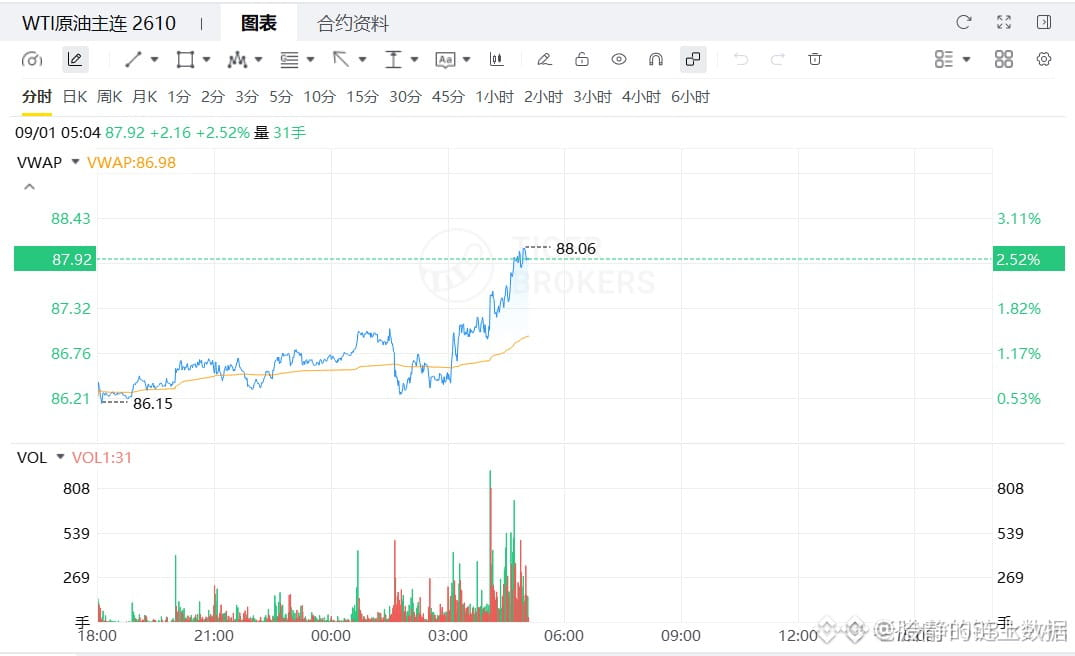
The situation in the Middle East is getting tense again.🛢️
A new round of military conflict between the U.S. and Iran has erupted, and a tanker was attacked in the Strait of Hormuz.🌊
Oil prices jumped immediately, and global markets shuddered along with it.
Tehran’s latest statements are quite nuanced.🤔
On the one hand, it calls for a return to the table for the June agreement negotiations.
On the other, it continues to respond firmly to military pressure.
Peace talks and fighting—both lines are being pursued at the same time.
The weight of the Strait of Hormuz.📊
About 30% of seaborne crude oil worldwide passes through here.
If this vital chokepoint is affected by so much as a hint of trouble, oil prices turn into a roller coaster.
Brent and WTI both strengthened, and energy stocks benefited as well.
The transmission path to the market.👀
Rising oil prices → inflation expectations heat up → the Fed finds it even harder to cut rates.
That becomes a double squeeze on risk assets.
The crypto market may be independent, but when macro liquidity tightens, it can’t fully escape either.
The key now is whether it de-escalates or escalates.⚖️
If tensions cool down and oil prices fall, risk assets can catch their breath.
If it continues to escalate, safe-haven sentiment will surge across the board.
Gold and the U.S. dollar will strengthen, while risk assets face pressure.
For ordinary investors.✅
In times like this with geopolitical volatility, managing position size matters more than trying to bottom-fish.
You can watch energy-related assets, but don’t chase after price spikes.
Until the situation becomes clear, cash is also a form of positioning.
📌 The U.S.-Iran conflict flares up again: a tanker in the Strait of Hormuz is attacked, oil prices rise, inflation expectations heat up and suppress risk assets—watch the direction of developments.
👉 加入社群领取策略
The situation in the Middle East is getting tense again.🛢️
A new round of military conflict between the U.S. and Iran has erupted, and a tanker was attacked in the Strait of Hormuz.🌊
Oil prices jumped immediately, and global markets shuddered along with it.
Tehran’s latest statements are quite nuanced.🤔
On the one hand, it calls for a return to the table for the June agreement negotiations.
On the other, it continues to respond firmly to military pressure.
Peace talks and fighting—both lines are being pursued at the same time.
The weight of the Strait of Hormuz.📊
About 30% of seaborne crude oil worldwide passes through here.
If this vital chokepoint is affected by so much as a hint of trouble, oil prices turn into a roller coaster.
Brent and WTI both strengthened, and energy stocks benefited as well.
The transmission path to the market.👀
Rising oil prices → inflation expectations heat up → the Fed finds it even harder to cut rates.
That becomes a double squeeze on risk assets.
The crypto market may be independent, but when macro liquidity tightens, it can’t fully escape either.
The key now is whether it de-escalates or escalates.⚖️
If tensions cool down and oil prices fall, risk assets can catch their breath.
If it continues to escalate, safe-haven sentiment will surge across the board.
Gold and the U.S. dollar will strengthen, while risk assets face pressure.
For ordinary investors.✅
In times like this with geopolitical volatility, managing position size matters more than trying to bottom-fish.
You can watch energy-related assets, but don’t chase after price spikes.
Until the situation becomes clear, cash is also a form of positioning.
📌 The U.S.-Iran conflict flares up again: a tanker in the Strait of Hormuz is attacked, oil prices rise, inflation expectations heat up and suppress risk assets—watch the direction of developments.
#英伟达拟向联发科投资35亿美元
👉 加入社群领取策略
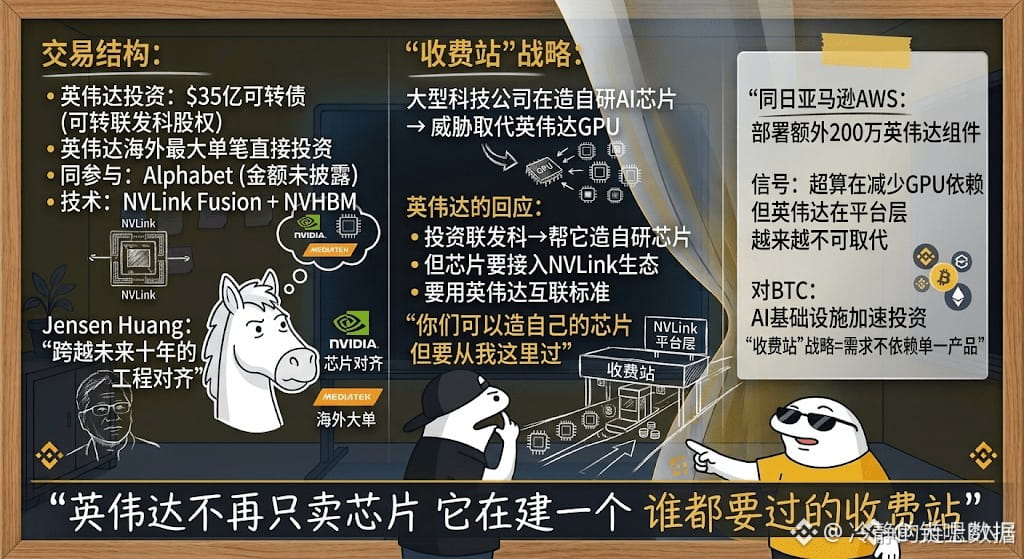
NVIDIA is set to invest $3.5 billion into MediaTek.💰
Once the news broke, MediaTek’s stock price jumped straight up by 10%.📈
This move further tightens the bond between the two chip giants.
First, let’s look at why MediaTek.🤔
MediaTek has built a deep presence in mobile chipsets and on-device AI.
What NVIDIA lacks is the terminal (end-device) gateway—these two are perfectly complementary.
A $3.5 billion figure isn’t small, which shows it’s a real partnership, not just a formality.
Now, MediaTek’s reaction.⚡
The stock rose 10%, and the market cast its vote with real money.
When chip stocks, in general, were pulling back, this became an upside standout.
What investors saw was NVIDIA’s ecosystem support for MediaTek.
Impact on the industry landscape.📊
NVIDIA has been pushing into on-device territory.
From data centers to PCs, and now into mobile chipsets.
At each layer, it plants its own ecosystem niche.
With funding and compute support, MediaTek’s competitiveness can take another step up.
For rivals like Qualcomm, the pressure is on.⚔️
The NVIDIA + MediaTek pairing is essentially an alliance between an AI compute powerhouse and a terminal powerhouse.
Competition in on-device AI chipsets will only get more intense.
For investors, this is a trend worth tracking.👀
The bigger drama of consolidation in the chip sector may only be starting.
The closer a company is to NVIDIA, the more it can benefit from AI ecosystem gains.
📌 NVIDIA plans to invest $3.5 billion in MediaTek; MediaTek’s stock jumps 10%; the on-device AI chipset landscape is set to change.
👉 加入社群领取策略
NVIDIA is set to invest $3.5 billion into MediaTek.💰
Once the news broke, MediaTek’s stock price jumped straight up by 10%.📈
This move further tightens the bond between the two chip giants.
First, let’s look at why MediaTek.🤔
MediaTek has built a deep presence in mobile chipsets and on-device AI.
What NVIDIA lacks is the terminal (end-device) gateway—these two are perfectly complementary.
A $3.5 billion figure isn’t small, which shows it’s a real partnership, not just a formality.
Now, MediaTek’s reaction.⚡
The stock rose 10%, and the market cast its vote with real money.
When chip stocks, in general, were pulling back, this became an upside standout.
What investors saw was NVIDIA’s ecosystem support for MediaTek.
Impact on the industry landscape.📊
NVIDIA has been pushing into on-device territory.
From data centers to PCs, and now into mobile chipsets.
At each layer, it plants its own ecosystem niche.
With funding and compute support, MediaTek’s competitiveness can take another step up.
For rivals like Qualcomm, the pressure is on.⚔️
The NVIDIA + MediaTek pairing is essentially an alliance between an AI compute powerhouse and a terminal powerhouse.
Competition in on-device AI chipsets will only get more intense.
For investors, this is a trend worth tracking.👀
The bigger drama of consolidation in the chip sector may only be starting.
The closer a company is to NVIDIA, the more it can benefit from AI ecosystem gains.
📌 NVIDIA plans to invest $3.5 billion in MediaTek; MediaTek’s stock jumps 10%; the on-device AI chipset landscape is set to change.

#sol本周上涨20%
👉 加密 ETF 周流入 20 亿,进群聊
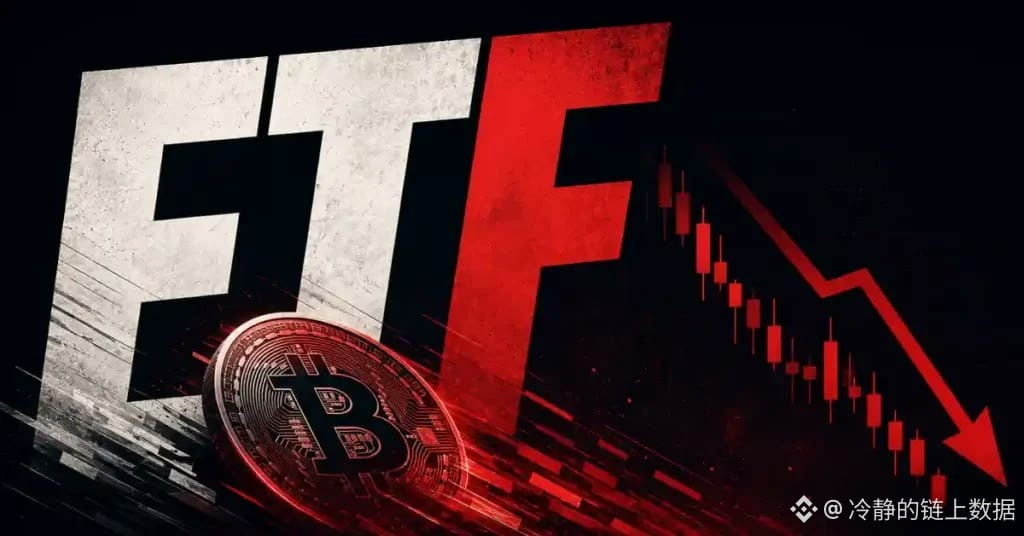
More than $2 billion flowed into U.S. crypto ETFs in a single week. Put this figure in perspective across all asset classes this year—it ranks among the top tier. Crypto assets are going through institutional-level validation, shifting from “speculative instruments” to “mainstream portfolio allocations.”
Broken down, it’s even more interesting: Bitcoin (BTC) ETFs remain the mainstay, but the share of Ethereum (ETH) ETFs is rising rapidly, and new ETFs—such as Solana—are lining up to enter. As the product lineup keeps expanding, it suggests the issuers’ view that this wave of demand isn’t a short-term spike, but a durable shift in asset allocation.
How institutions enter is completely different from retail investors: they don’t chase short-term moves; they build positions in batches and focus on the asset’s long-term role within a portfolio. When this kind of capital starts to dominate, the market’s volatility profile will gradually change—fewer sharp rallies and sudden drops, more of a slow-and-steady bull structure.
$2 billion in one week isn’t just a number; it’s the result of Wall Street “voting with its feet.” Where the money flows, the trend follows. Have you received this signal?
👉 加密 ETF 周流入 20 亿,进群聊
More than $2 billion flowed into U.S. crypto ETFs in a single week. Put this figure in perspective across all asset classes this year—it ranks among the top tier. Crypto assets are going through institutional-level validation, shifting from “speculative instruments” to “mainstream portfolio allocations.”
Broken down, it’s even more interesting: Bitcoin (BTC) ETFs remain the mainstay, but the share of Ethereum (ETH) ETFs is rising rapidly, and new ETFs—such as Solana—are lining up to enter. As the product lineup keeps expanding, it suggests the issuers’ view that this wave of demand isn’t a short-term spike, but a durable shift in asset allocation.
How institutions enter is completely different from retail investors: they don’t chase short-term moves; they build positions in batches and focus on the asset’s long-term role within a portfolio. When this kind of capital starts to dominate, the market’s volatility profile will gradually change—fewer sharp rallies and sudden drops, more of a slow-and-steady bull structure.
$2 billion in one week isn’t just a number; it’s the result of Wall Street “voting with its feet.” Where the money flows, the trend follows. Have you received this signal?
#btc触及80000美元
👉 BTC 8 万关口怎么看,进群聊
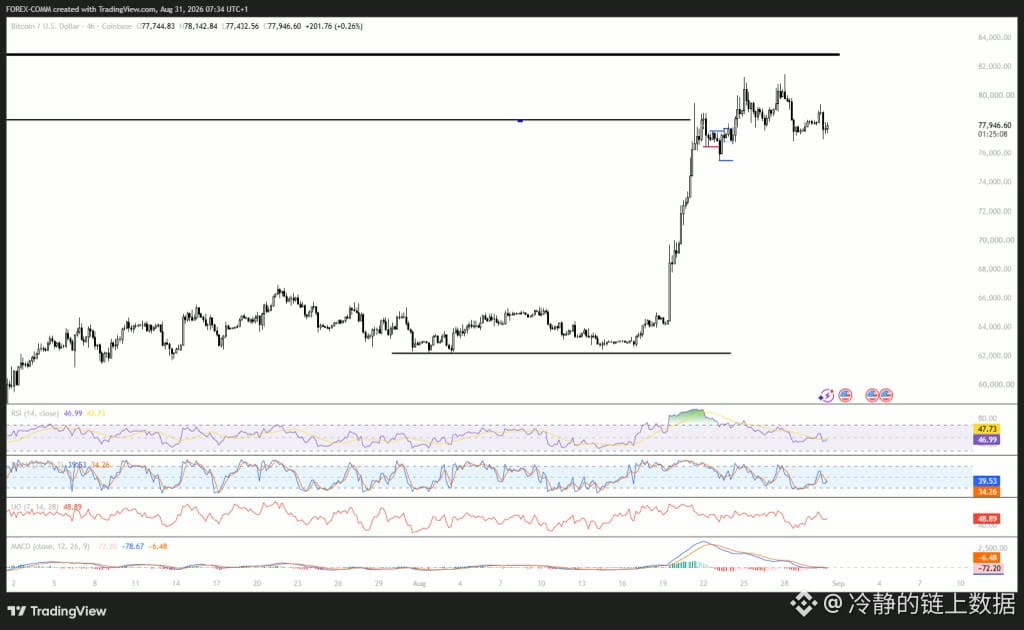
BTC has spent another day hovering above the 80,000 mark. Today’s price predictions are all discussing the same question: are these repeated moves around 80,000 just buildup before a breakout, or a false move before a top?
On the data side, ETF inflows have continued as net inflows, and on-chain giant whales’ holdings are steady-to-increasing, so the medium-term thesis hasn’t been broken. But short-term indicators are starting to diverge—trading volume hasn’t kept up with price, the perpetual funding rate is relatively high, and leveraged funds are effectively betting on one-way movement. Historically, this kind of setup is often accompanied by a needle-like shakeout.
Key levels are clear: above, 82,000 is resistance from the previous high; only a breakout with heavy volume can confirm the start of a new leg. Below, 78,000 is a densely clustered area of holdings—if it doesn’t break down, the market should still be relatively strong and range-bound.
In a choppy market, the most expensive thing isn’t your position—it’s patience. Let the market choose its direction; that’s steadier than trying to guess it. At this point, will you choose to wait or to enter?
👉 BTC 8 万关口怎么看,进群聊
BTC has spent another day hovering above the 80,000 mark. Today’s price predictions are all discussing the same question: are these repeated moves around 80,000 just buildup before a breakout, or a false move before a top?
On the data side, ETF inflows have continued as net inflows, and on-chain giant whales’ holdings are steady-to-increasing, so the medium-term thesis hasn’t been broken. But short-term indicators are starting to diverge—trading volume hasn’t kept up with price, the perpetual funding rate is relatively high, and leveraged funds are effectively betting on one-way movement. Historically, this kind of setup is often accompanied by a needle-like shakeout.
Key levels are clear: above, 82,000 is resistance from the previous high; only a breakout with heavy volume can confirm the start of a new leg. Below, 78,000 is a densely clustered area of holdings—if it doesn’t break down, the market should still be relatively strong and range-bound.
In a choppy market, the most expensive thing isn’t your position—it’s patience. Let the market choose its direction; that’s steadier than trying to guess it. At this point, will you choose to wait or to enter?
Log in to explore more content