
冷静的链上数据
316 Posts

冷静的链上数据
公众号:比特西瓜;策略,执行复盘
8 Following
67 Followers
127 Liked
Posts
See translation
Sandra Bullock 疑似暗藏玄机——一条含糊的动态,让 Olivia 的粉丝集体沸腾。
据披露,Sandra Bullock 在社交媒体上发布了耐人寻味的内容,被解读为暗示 Olivia 将出演某部新片。消息一出,评论区瞬间被"真的假的"刷屏。
本质是娱乐圈的预告式营销:大咖一条含糊的动态,就能为项目预热带来全网讨论。真真假假不重要,话题度才是流量时代的硬通货。
明星的一句话,粉丝的狂欢夜。这波暗示,你猜是真合作还是纯炒作?你怎么看?
👉 Sandra Bullock暗藏玄机,Olivia新片有戏?进群聊
据披露,Sandra Bullock 在社交媒体上发布了耐人寻味的内容,被解读为暗示 Olivia 将出演某部新片。消息一出,评论区瞬间被"真的假的"刷屏。
本质是娱乐圈的预告式营销:大咖一条含糊的动态,就能为项目预热带来全网讨论。真真假假不重要,话题度才是流量时代的硬通货。
明星的一句话,粉丝的狂欢夜。这波暗示,你猜是真合作还是纯炒作?你怎么看?
👉 Sandra Bullock暗藏玄机,Olivia新片有戏?进群聊

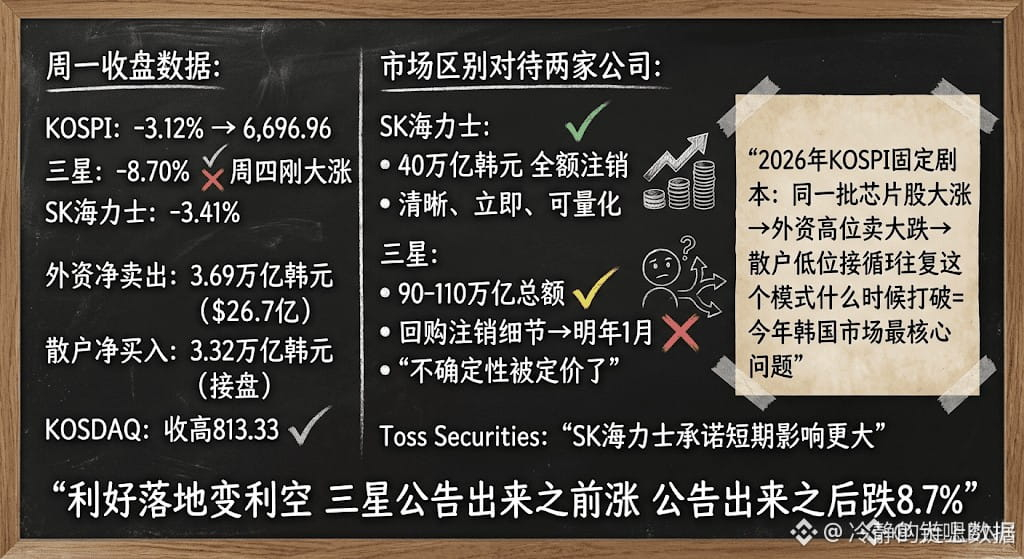
#三星sk海力士领跌韩股kospi跌3.6%
👉 KOSPI 一天跌 3%,AI 热潮降温怎么看?进群聊
Samsung leads the decline, and South Korea’s KOSPI falls 3.12% in a day— the AI trading frenzy is starting to cool.
On Monday, the KOSPI closed at 6,696.96, down 3.12% on the day. Samsung Electronics plunged 8.70%, SK Hynix fell 3.41%, and foreign investors net sold 36.9 trillion won in a single day (about US$2.67 billion). Japan’s Nikkei 225 also fell by more than 1%.
The trigger is clear: rumors that memory-chip leader SK Hynix faces a tax burden of over 100 trillion won, on top of profit-taking after the crowded AI compute-trading trade. The tech stocks that had surged the most earlier became the main force behind the selloff. Foreign investors “voted with their feet,” pulling out US$2.67 billion in one day.
The South Korean market is a global AI trading sentiment barometer— with this drop, the entire global tech sector is shaking too. What do you think? Let’s discuss in the comments.
👉 KOSPI 一天跌 3%,AI 热潮降温怎么看?进群聊
Samsung leads the decline, and South Korea’s KOSPI falls 3.12% in a day— the AI trading frenzy is starting to cool.
On Monday, the KOSPI closed at 6,696.96, down 3.12% on the day. Samsung Electronics plunged 8.70%, SK Hynix fell 3.41%, and foreign investors net sold 36.9 trillion won in a single day (about US$2.67 billion). Japan’s Nikkei 225 also fell by more than 1%.
The trigger is clear: rumors that memory-chip leader SK Hynix faces a tax burden of over 100 trillion won, on top of profit-taking after the crowded AI compute-trading trade. The tech stocks that had surged the most earlier became the main force behind the selloff. Foreign investors “voted with their feet,” pulling out US$2.67 billion in one day.
The South Korean market is a global AI trading sentiment barometer— with this drop, the entire global tech sector is shaking too. What do you think? Let’s discuss in the comments.
See translation
下一波 AI 初创公司,可能不再把"优化"当首要任务——烧钱换规模的旧逻辑正在被重写。
据披露,多家 AI 初创开始调整策略,从疯狂优化模型参数转向务实的产品化与商业化落地。投资人不再为"技术先进但没收入"的故事买单,现金流成为新的北极星指标。
本质是行业周期的理性回归:AI 从军备竞赛进入落地阶段,技术红利让位于商业验证。能赚钱的 AI 公司,比参数最漂亮的 AI 公司更值钱。
AI 的泡沫挤水分,挤掉的可能是讲故事的能力,留下的才是真本事。你怎么看?
👉 AI初创不再死磕优化,烧钱逻辑被重写?进群看
据披露,多家 AI 初创开始调整策略,从疯狂优化模型参数转向务实的产品化与商业化落地。投资人不再为"技术先进但没收入"的故事买单,现金流成为新的北极星指标。
本质是行业周期的理性回归:AI 从军备竞赛进入落地阶段,技术红利让位于商业验证。能赚钱的 AI 公司,比参数最漂亮的 AI 公司更值钱。
AI 的泡沫挤水分,挤掉的可能是讲故事的能力,留下的才是真本事。你怎么看?
👉 AI初创不再死磕优化,烧钱逻辑被重写?进群看

See translation
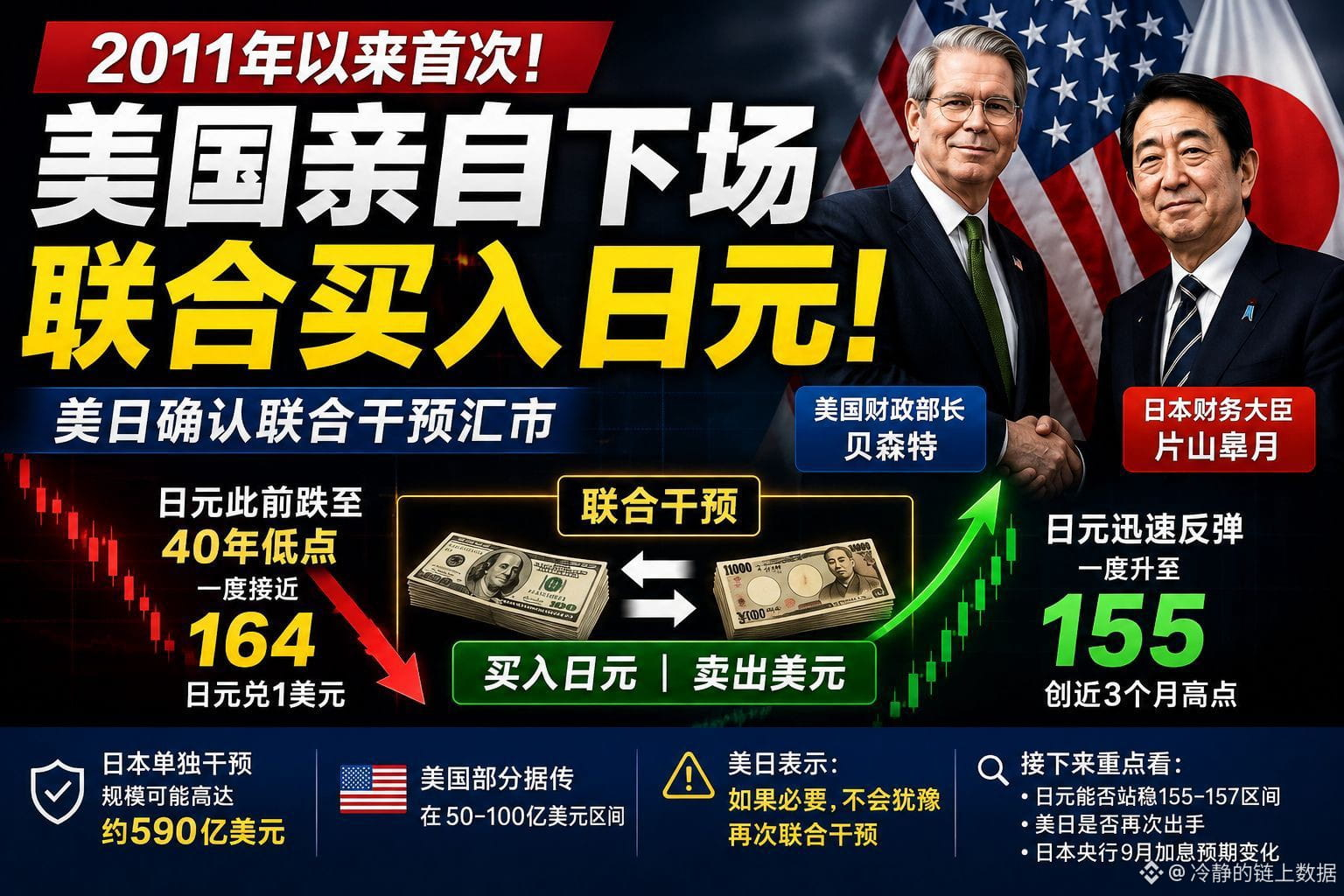
美国财长 Bessent 发话:近期日圆走势"相当可控"——一句话给外汇市场吃了颗定心丸。
据披露,Bessent 在最新表态中称日圆近期的波动处于可控范围,暗示不会出现剧烈干预。此前市场担忧日圆套息交易平仓引发连锁波动,这番表态安抚了紧张情绪。
本质是政策沟通的艺术:财长一句话就能引导市场预期,比实际干预成本低得多。日圆套息交易是全球流动性的重要来源,其波动直接影响风险资产定价。
嘴上说"可控",手上备着干预。外汇市场的水,永远比看起来深。你怎么看?
👉 美财长称日圆走势可控,套息交易稳了?进群聊
据披露,Bessent 在最新表态中称日圆近期的波动处于可控范围,暗示不会出现剧烈干预。此前市场担忧日圆套息交易平仓引发连锁波动,这番表态安抚了紧张情绪。
本质是政策沟通的艺术:财长一句话就能引导市场预期,比实际干预成本低得多。日圆套息交易是全球流动性的重要来源,其波动直接影响风险资产定价。
嘴上说"可控",手上备着干预。外汇市场的水,永远比看起来深。你怎么看?
👉 美财长称日圆走势可控,套息交易稳了?进群聊
#美国约6700万人持有加密货币
👉 6700 万美国人持币,主流化还有多远?进群看数据
In the U.S., among every four adults, one has cryptocurrency.
The National Crypto Association (NCA) and Harris Poll jointly released the “2026 U.S. Crypto Holder Landscape Report”: Across the country, about 67 million people hold crypto assets. With distribution by state and by congressional district, adoption has already passed the critical threshold.
This isn’t just a toy for fringe users. The 67 million coin holders are the core base in policy battles plus the reservoir fueling ETF demand. When population penetration surpasses 20%, regulatory and institutional actions will follow.
The turning point where crypto moves from the margins to the mainstream may be right around the corner. What proportion of people around you actually trade or hold crypto? Let’s discuss in the comments.
👉 6700 万美国人持币,主流化还有多远?进群看数据
In the U.S., among every four adults, one has cryptocurrency.
The National Crypto Association (NCA) and Harris Poll jointly released the “2026 U.S. Crypto Holder Landscape Report”: Across the country, about 67 million people hold crypto assets. With distribution by state and by congressional district, adoption has already passed the critical threshold.
This isn’t just a toy for fringe users. The 67 million coin holders are the core base in policy battles plus the reservoir fueling ETF demand. When population penetration surpasses 20%, regulatory and institutional actions will follow.
The turning point where crypto moves from the margins to the mainstream may be right around the corner. What proportion of people around you actually trade or hold crypto? Let’s discuss in the comments.
#布伦特原油涨破90美元 #美国空袭伊朗火箭发射器
👉 炮声一响布油破 90,地缘溢价怎么定价?进群看逻辑
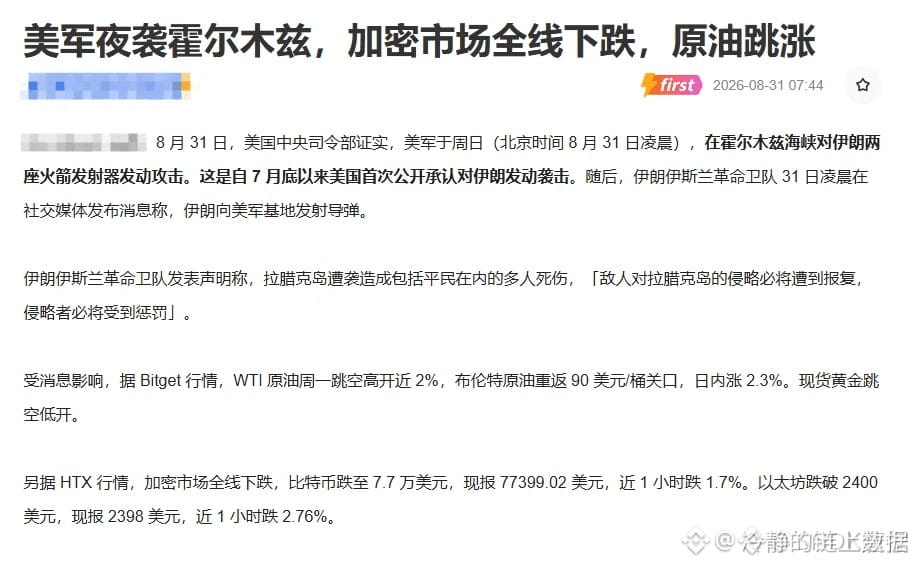
The moment the gunfire rang out, the Brent oil directly broke 90—this time, it’s not an exercise.
On 8/30, the U.S. military launched airstrikes on two rocket launcher sites on Iran’s Larak Island. This is the first time the U.S. has publicly acknowledged military action against Iran since the end of July. Iran immediately said it had fired missiles at U.S. bases. On Monday’s early trading, the Brent November contract rose above $90, with an intraday high of $90.32, while WTI approached 86. Trump also warned that he would threaten to bomb the oil hub on Kharg Island.
Geopolitical risk premia are being repriced: oil prices move upward → inflation expectations heat up → the Federal Reserve finds it even harder to loosen policy. What’s interesting is that BTC is actually holding steady at 78,000, as safe-haven capital seems to be rerouting.
The seesaw between crude and crypto—what do you think? Let’s chat in the comments.
#布伦特原油涨破90美元 #U.S. airstrike on Iran’s rocket launchers
👉 炮声一响布油破 90,地缘溢价怎么定价?进群看逻辑
The moment the gunfire rang out, the Brent oil directly broke 90—this time, it’s not an exercise.
On 8/30, the U.S. military launched airstrikes on two rocket launcher sites on Iran’s Larak Island. This is the first time the U.S. has publicly acknowledged military action against Iran since the end of July. Iran immediately said it had fired missiles at U.S. bases. On Monday’s early trading, the Brent November contract rose above $90, with an intraday high of $90.32, while WTI approached 86. Trump also warned that he would threaten to bomb the oil hub on Kharg Island.
Geopolitical risk premia are being repriced: oil prices move upward → inflation expectations heat up → the Federal Reserve finds it even harder to loosen policy. What’s interesting is that BTC is actually holding steady at 78,000, as safe-haven capital seems to be rerouting.
The seesaw between crude and crypto—what do you think? Let’s chat in the comments.
#布伦特原油涨破90美元 #U.S. airstrike on Iran’s rocket launchers
DeFi sector surges 38% in a single day—U.S. policy shift is unlocking the suppressed value of on-chain tokens.
According to disclosures, the DeFi sector collectively skyrocketed amid policy tailwinds, with multiple leading protocol tokens jumping more than 30% in a single day. The market interpretation is that after regulatory conditions ease, compliance expectations for on-chain finance have improved significantly.
At its core, this is beta release from the policy cycle: DeFi tokens have been held down for the past two years by the shadow of regulation, with valuations stuck near the floor for the long term. Once a clear compliance path emerges, the upside flexibility of capital returning far exceeds that of traditional assets.
For every inch policy loosens, DeFi rises by a foot. Is this rally just a rebound, or the start of a new cycle? What do you think?
👉 DeFi板块单日暴涨38%,政策松绑价值回归?进群看
According to disclosures, the DeFi sector collectively skyrocketed amid policy tailwinds, with multiple leading protocol tokens jumping more than 30% in a single day. The market interpretation is that after regulatory conditions ease, compliance expectations for on-chain finance have improved significantly.
At its core, this is beta release from the policy cycle: DeFi tokens have been held down for the past two years by the shadow of regulation, with valuations stuck near the floor for the long term. Once a clear compliance path emerges, the upside flexibility of capital returning far exceeds that of traditional assets.
For every inch policy loosens, DeFi rises by a foot. Is this rally just a rebound, or the start of a new cycle? What do you think?
👉 DeFi板块单日暴涨38%,政策松绑价值回归?进群看
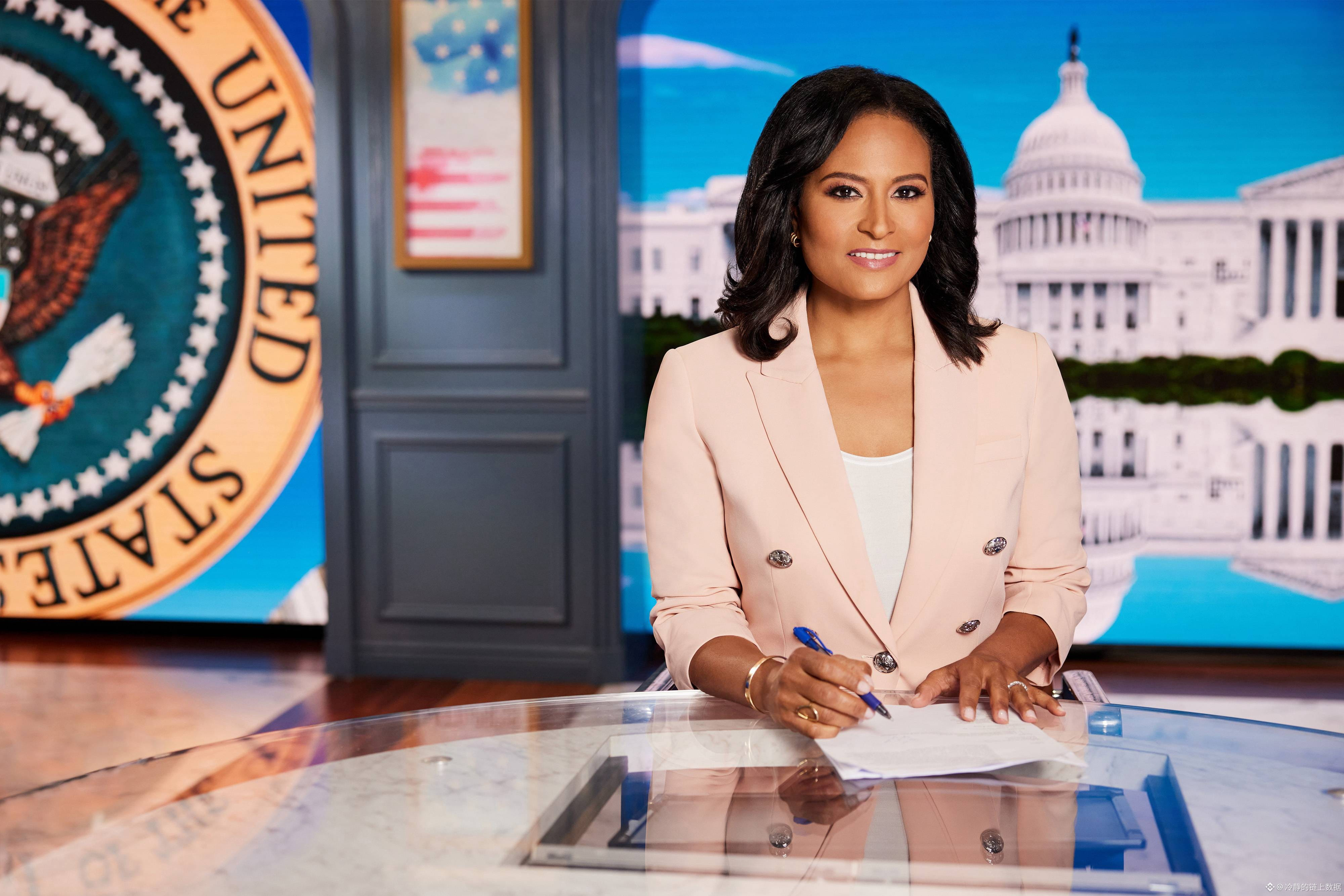
Trump publicly urges the FCC to punish NBC, arguing that the broadcaster “showed favoritism” in its debate coverage—the regulator has been drawn into a media-opinion battle, and tensions in the media industry are growing hotter.
According to disclosures, Trump publicly called on the U.S. Federal Communications Commission to take punitive action against NBC, accusing it of having systematic bias in its reporting. The move has once again reignited the debate over whether “regulators should intervene in media content.”
At heart, it’s the classic power struggle over regulatory boundaries: the FCC holds the cards of licensing and the power to impose penalties, but stepping into content-related controversy risks crossing the First Amendment line. It’s not new in the U.S. for politicians to use regulators as a tool to pressure the media—but every time, it sparks a backlash from the industry.
When regulators start choosing sides, how much independence is left for the media? What do you think?
👉 特朗普喊话FCC惩罚NBC,监管开始选边站?进群聊
According to disclosures, Trump publicly called on the U.S. Federal Communications Commission to take punitive action against NBC, accusing it of having systematic bias in its reporting. The move has once again reignited the debate over whether “regulators should intervene in media content.”
At heart, it’s the classic power struggle over regulatory boundaries: the FCC holds the cards of licensing and the power to impose penalties, but stepping into content-related controversy risks crossing the First Amendment line. It’s not new in the U.S. for politicians to use regulators as a tool to pressure the media—but every time, it sparks a backlash from the industry.
When regulators start choosing sides, how much independence is left for the media? What do you think?
👉 特朗普喊话FCC惩罚NBC,监管开始选边站?进群聊
Verified
#美联储9月加息概率升至57%
👉 欧元逼近1.16关口,德国CPI前市场已定价?进群看
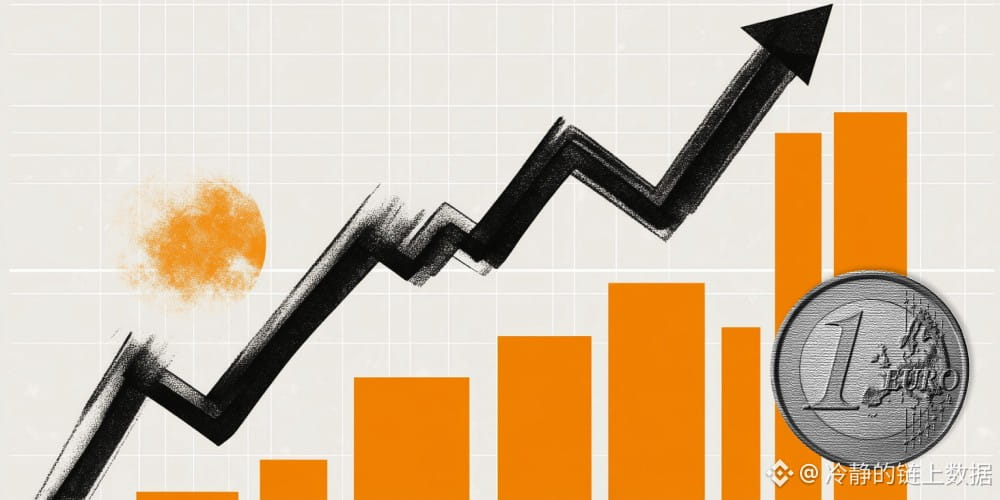
The euro rises against the US dollar, nearing the 1.16 level—ahead of the release of Germany’s CPI data, the market has already priced it in.
This week, attention in the FX market has shifted to Europe’s inflation data, and the euro has found support around 1.16. If Germany’s CPI comes in above expectations, it will strengthen the market’s view that the European Central Bank will maintain high interest rates, thereby supporting the euro; otherwise, it could trigger a pullback.
At its core, this is a yield-differential logic: divergence in the policy paths of the US and European central banks directly determines where capital flows. Expectations that the Fed will turn more dovish have already been partly priced in, and the euro’s relative strength comes from the pricing that “Europe will cut rates more slowly.”
The FX market is never short on volatility—what it lacks is direction. This time, the euro pushing toward 1.16: is it the start of a trend, or just a short-term rebound? What do you think?
👉 欧元逼近1.16关口,德国CPI前市场已定价?进群看
The euro rises against the US dollar, nearing the 1.16 level—ahead of the release of Germany’s CPI data, the market has already priced it in.
This week, attention in the FX market has shifted to Europe’s inflation data, and the euro has found support around 1.16. If Germany’s CPI comes in above expectations, it will strengthen the market’s view that the European Central Bank will maintain high interest rates, thereby supporting the euro; otherwise, it could trigger a pullback.
At its core, this is a yield-differential logic: divergence in the policy paths of the US and European central banks directly determines where capital flows. Expectations that the Fed will turn more dovish have already been partly priced in, and the euro’s relative strength comes from the pricing that “Europe will cut rates more slowly.”
The FX market is never short on volatility—what it lacks is direction. This time, the euro pushing toward 1.16: is it the start of a trend, or just a short-term rebound? What do you think?
Verified
#委内瑞拉美国签25年石油合作协议
👉 委美25年石油长约,能源格局要变天?进群看
Venezuela and the United States signed a 25-year oil cooperation agreement, bringing a deep level of binding to the global energy landscape. The weight of this long-term deal goes far beyond an ordinary commercial contract.
The agreement covers the entire chain of oil extraction, transportation, and sales, with a term lasting up to a quarter of a century. For Venezuela, it is a crucial step to re-enter the international market after years of sanctions; for the United States, it is an important bargaining chip to secure long-term energy supplies and hedge geopolitical risks.
At its core, this is a strategic compromise in which both sides get what they need: one side wants market access and capital, while the other wants stable supply. Energy has never been just a business—it is an extension of geopolitics. This 25-year long-term contract effectively ties the interests of the two countries to the same oil well.
A contract is signed for oil, but the future is what gets secured. In this energy chess match, how many variables still remain? What do you think?
👉 委美25年石油长约,能源格局要变天?进群看
Venezuela and the United States signed a 25-year oil cooperation agreement, bringing a deep level of binding to the global energy landscape. The weight of this long-term deal goes far beyond an ordinary commercial contract.
The agreement covers the entire chain of oil extraction, transportation, and sales, with a term lasting up to a quarter of a century. For Venezuela, it is a crucial step to re-enter the international market after years of sanctions; for the United States, it is an important bargaining chip to secure long-term energy supplies and hedge geopolitical risks.
At its core, this is a strategic compromise in which both sides get what they need: one side wants market access and capital, while the other wants stable supply. Energy has never been just a business—it is an extension of geopolitics. This 25-year long-term contract effectively ties the interests of the two countries to the same oil well.
A contract is signed for oil, but the future is what gets secured. In this energy chess match, how many variables still remain? What do you think?

#黄金本周下跌3.24%
👉 黄金一周跌3.24%,避险资产失灵了?进群聊
Gold fell 3.24% this week, registering its largest weekly decline in the recent period. Safe-haven assets suddenly stopped being “safe”—what is the market repricing?
Data show that gold prices have retreated steadily from their highs this week, with losses exceeding 3%. At the same time, the U.S. dollar strengthened and expectations for further rate hikes warmed up, reversing the flow of funds between risk assets and safe-haven assets. The Federal Reserve officials’ hawkish remarks became the final straw that pushed down gold prices.
At its core, it’s the interest-rate logic at work: rising rate-hike expectations lift real yields, increasing the opportunity cost of holding gold, so capital naturally flows into assets with higher returns. Gold’s safe-haven attribute has not disappeared—it has simply temporarily lost out to rates.
Gold always walks the tightrope between risk aversion and interest rates. Is this pullback a chance to get in, or a signal of trend reversal—what do you think?
👉 黄金一周跌3.24%,避险资产失灵了?进群聊
Gold fell 3.24% this week, registering its largest weekly decline in the recent period. Safe-haven assets suddenly stopped being “safe”—what is the market repricing?
Data show that gold prices have retreated steadily from their highs this week, with losses exceeding 3%. At the same time, the U.S. dollar strengthened and expectations for further rate hikes warmed up, reversing the flow of funds between risk assets and safe-haven assets. The Federal Reserve officials’ hawkish remarks became the final straw that pushed down gold prices.
At its core, it’s the interest-rate logic at work: rising rate-hike expectations lift real yields, increasing the opportunity cost of holding gold, so capital naturally flows into assets with higher returns. Gold’s safe-haven attribute has not disappeared—it has simply temporarily lost out to rates.
Gold always walks the tightrope between risk aversion and interest rates. Is this pullback a chance to get in, or a signal of trend reversal—what do you think?
#越南试点加密资产市场
👉 越南试点加密市场,东南亚合规潮要来了?进群看
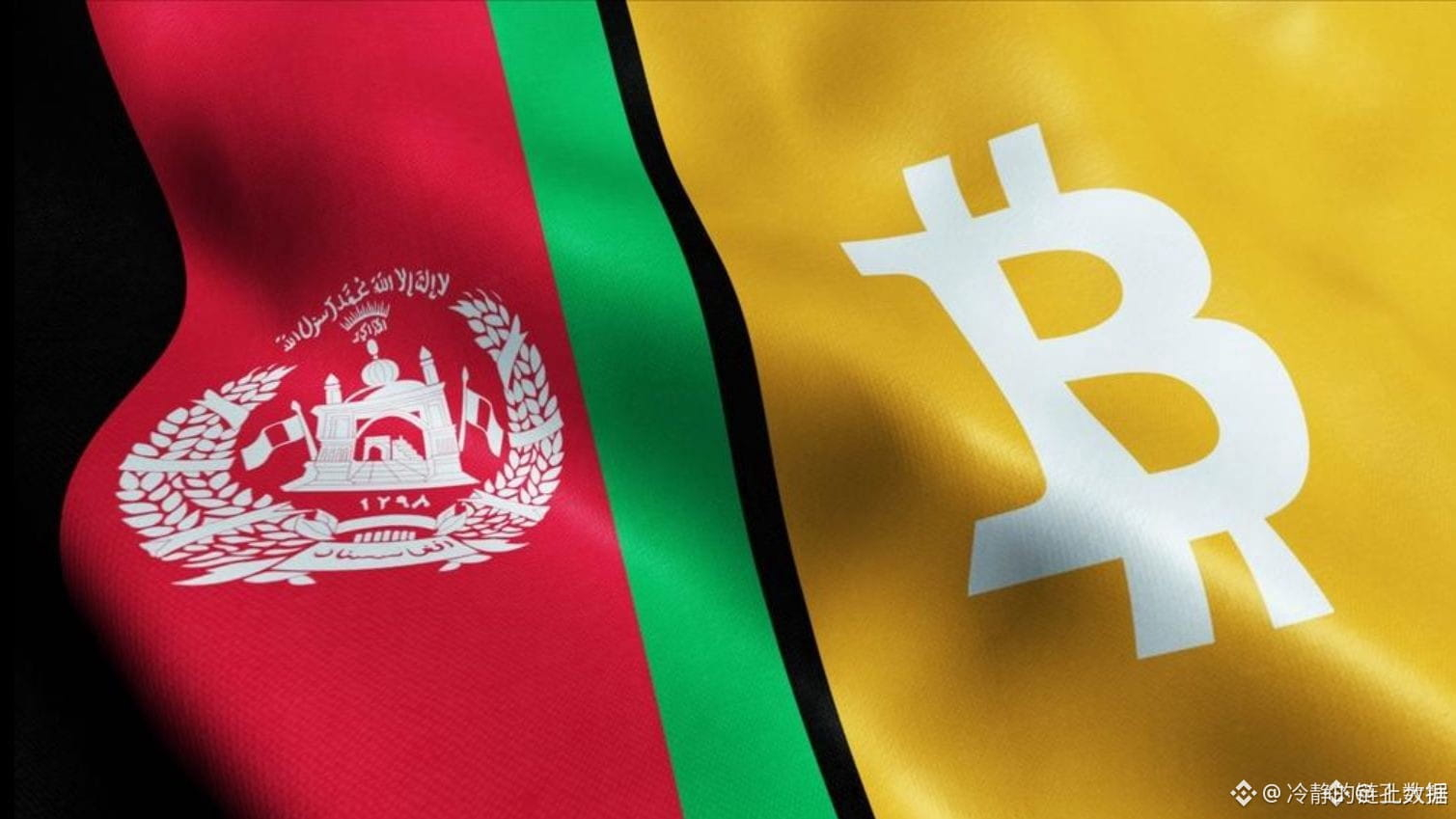
Vietnam officially launches a pilot program for the crypto-asset market, becoming another Southeast Asian country that openly embraces digital assets. The signal from regulators is very direct: try first, then set the rules.
According to a local regulator announcement, the pilot will cover crypto trading platforms and payment scenarios. In the initial stage, the scale and participating entities will be limited. After the process runs smoothly, it will be assessed whether to fully open it up. Previously, Vietnam’s rate of crypto holdings has long ranked among the highest in the world, but regulators have remained vague. This pilot is effectively providing the industry with a clear compliance path.
At its core, it reflects a shift in regulatory thinking: from “blocking” to “channeling.” Rather than letting trading move offshore, it’s better to bring it within a regulatory framework to observe and manage risks. Many countries across Southeast Asia are competing to seize this window—whoever sets the rules first will gain pricing power.
The phrase “pilot program” is the biggest act of tenderness regulators can offer the industry. After Vietnam’s step is implemented, will it drive neighboring countries to follow suit? What do you think?
👉 越南试点加密市场,东南亚合规潮要来了?进群看
Vietnam officially launches a pilot program for the crypto-asset market, becoming another Southeast Asian country that openly embraces digital assets. The signal from regulators is very direct: try first, then set the rules.
According to a local regulator announcement, the pilot will cover crypto trading platforms and payment scenarios. In the initial stage, the scale and participating entities will be limited. After the process runs smoothly, it will be assessed whether to fully open it up. Previously, Vietnam’s rate of crypto holdings has long ranked among the highest in the world, but regulators have remained vague. This pilot is effectively providing the industry with a clear compliance path.
At its core, it reflects a shift in regulatory thinking: from “blocking” to “channeling.” Rather than letting trading move offshore, it’s better to bring it within a regulatory framework to observe and manage risks. Many countries across Southeast Asia are competing to seize this window—whoever sets the rules first will gain pricing power.
The phrase “pilot program” is the biggest act of tenderness regulators can offer the industry. After Vietnam’s step is implemented, will it drive neighboring countries to follow suit? What do you think?
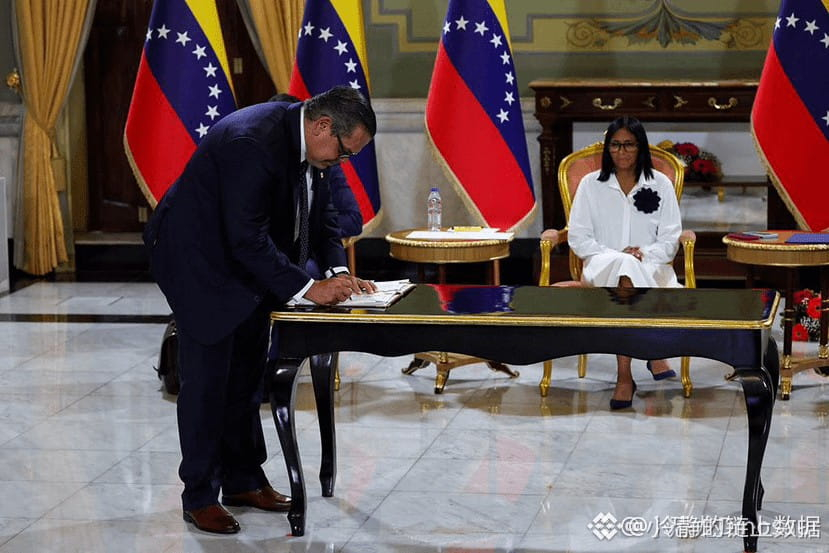
Tokenized stock supply on the BNB Chain surpasses $1.2 billion, with bStocks’ cumulative trading volume reaching 1.47 billion. The tokenized-asset market is quietly changing hands.
According to the latest data, tokenized stock supply on BNB Chain has climbed to $1.2 billion, doubling from the previous figure, and now accounts for about half of the tokenized stock market. On the Ethereum side, the comparable supply volume has been overtaken during the same period, signaling a clear shift in the market landscape.
At its core, it’s a battle over infrastructure and costs: lower trading fees and faster settlement on BNB Chain lead issuers to “vote with their feet.” Institutional demand for on-chain stocks isn’t just hype—it's a real, cash-and-liquidity migration. Whoever is cheaper gets the business.
On this tokenized-stock track, on-chain efficiency determines market share. How long can BNB Chain keep leading the pack? It’s worth watching closely. What do you think?
👉 BNB链代币化股票破12亿,链上效率之争才刚开始?进群看
According to the latest data, tokenized stock supply on BNB Chain has climbed to $1.2 billion, doubling from the previous figure, and now accounts for about half of the tokenized stock market. On the Ethereum side, the comparable supply volume has been overtaken during the same period, signaling a clear shift in the market landscape.
At its core, it’s a battle over infrastructure and costs: lower trading fees and faster settlement on BNB Chain lead issuers to “vote with their feet.” Institutional demand for on-chain stocks isn’t just hype—it's a real, cash-and-liquidity migration. Whoever is cheaper gets the business.
On this tokenized-stock track, on-chain efficiency determines market share. How long can BNB Chain keep leading the pack? It’s worth watching closely. What do you think?
👉 BNB链代币化股票破12亿,链上效率之争才刚开始?进群看

#日元贬值日本已投入970亿美元护盘
👉 日元970亿护盘,汇率拉锯战你怎么看?进群聊节奏
The Japanese yen has fallen below a key threshold. Over the past two months, the Bank of Japan has poured in $97 billion in real, hard cash. The scale of this round of intervention is the largest in recent years, yet the exchange rate continues to lurch back and forth around the key level.
According to publicly available data, in two rounds of operations from late July to August, Japanese authorities reportedly injected a combined total of about $97 billion, directly stepping into the foreign exchange market to buy and sell currencies. This is the largest set of actions since the interventions in 2024. The market at one point thought the central bank might call it quits, but the second wave came sooner—and hit harder.
At bottom, it’s a dilemma: inflation pressures call for the yen not to be too weak, while pressure from exports and the interest-rate differential continues to weigh on the yen’s depreciation. Intervention can only buy time—it can’t purchase a trend reversal. Global capital flows haven’t changed, and one-way support eventually reaches its limit at the margin.
What’s being propped up is confidence, not the exchange rate itself. Only when the Federal Reserve there signals a shift and eases will the yen’s pressure truly start to ease. What do you think about the effectiveness of this round of market shielding?
👉 日元970亿护盘,汇率拉锯战你怎么看?进群聊节奏
The Japanese yen has fallen below a key threshold. Over the past two months, the Bank of Japan has poured in $97 billion in real, hard cash. The scale of this round of intervention is the largest in recent years, yet the exchange rate continues to lurch back and forth around the key level.
According to publicly available data, in two rounds of operations from late July to August, Japanese authorities reportedly injected a combined total of about $97 billion, directly stepping into the foreign exchange market to buy and sell currencies. This is the largest set of actions since the interventions in 2024. The market at one point thought the central bank might call it quits, but the second wave came sooner—and hit harder.
At bottom, it’s a dilemma: inflation pressures call for the yen not to be too weak, while pressure from exports and the interest-rate differential continues to weigh on the yen’s depreciation. Intervention can only buy time—it can’t purchase a trend reversal. Global capital flows haven’t changed, and one-way support eventually reaches its limit at the margin.
What’s being propped up is confidence, not the exchange rate itself. Only when the Federal Reserve there signals a shift and eases will the yen’s pressure truly start to ease. What do you think about the effectiveness of this round of market shielding?
The U.S. Securities and Exchange Commission is rewriting rules for crypto asset custody, and the new framework has entered White House review, signaling a subtle shift in regulatory stance.
Previously, crypto custody had long existed in a gray area: banks were reluctant to touch it, exchanges managed it themselves, and there was no unified standard for the safety of customer assets. This rewrite is widely interpreted by the market as a move from “containment” to “standardization” — giving compliant custodians a clear operating space.
For the industry, this is a milestone step. Custody is a prerequisite for institutional capital to enter the market. Once the rules are clearer, pensions, banks, and large asset managers will have the confidence to allocate to crypto assets. After White House review is completed, there may still be a public consultation process.
Every small step in regulation is a giant leap for the industry. Once custody rules are in place, the logic behind an institutional bull market will truly be complete. What do you think?
👉 SEC 重写加密托管规则进白宫审查,机构牛要来了?进群看
Previously, crypto custody had long existed in a gray area: banks were reluctant to touch it, exchanges managed it themselves, and there was no unified standard for the safety of customer assets. This rewrite is widely interpreted by the market as a move from “containment” to “standardization” — giving compliant custodians a clear operating space.
For the industry, this is a milestone step. Custody is a prerequisite for institutional capital to enter the market. Once the rules are clearer, pensions, banks, and large asset managers will have the confidence to allocate to crypto assets. After White House review is completed, there may still be a public consultation process.
Every small step in regulation is a giant leap for the industry. Once custody rules are in place, the logic behind an institutional bull market will truly be complete. What do you think?
👉 SEC 重写加密托管规则进白宫审查,机构牛要来了?进群看

#美联储9月加息概率升至57%
👉 CFTC 数据显示黄金买盘激增,避险资金进场了?进群聊
CFTC latest position data shows: the Canadian dollar shorts are leading the cover, gold buying interest is surging at the same time, and hedging capital is quietly moving in.
According to the data, the short positions in Canadian dollar futures have been sharply reduced, and short-covering has driven the Canadian dollar higher in the short term. Meanwhile, long positions in gold have increased notably, and the market’s demand for safe-haven assets is heating up. The two commodities have moved in tandem, pointing to the same underlying logic: capital is lowering risk appetite.
Behind this may be a re-pricing of the Federal Reserve’s policy path, or a hedging demand amid geopolitical uncertainty. Either way, it suggests the market is no longer making a one-way bet on risk assets and is beginning to prepare for volatility.
Where capital flows is always the leading indicator of market moves. When smart money starts buying gold, will you also set aside a portion for hedging—what do you think?
👉 CFTC 数据显示黄金买盘激增,避险资金进场了?进群聊
CFTC latest position data shows: the Canadian dollar shorts are leading the cover, gold buying interest is surging at the same time, and hedging capital is quietly moving in.
According to the data, the short positions in Canadian dollar futures have been sharply reduced, and short-covering has driven the Canadian dollar higher in the short term. Meanwhile, long positions in gold have increased notably, and the market’s demand for safe-haven assets is heating up. The two commodities have moved in tandem, pointing to the same underlying logic: capital is lowering risk appetite.
Behind this may be a re-pricing of the Federal Reserve’s policy path, or a hedging demand amid geopolitical uncertainty. Either way, it suggests the market is no longer making a one-way bet on risk assets and is beginning to prepare for volatility.
Where capital flows is always the leading indicator of market moves. When smart money starts buying gold, will you also set aside a portion for hedging—what do you think?
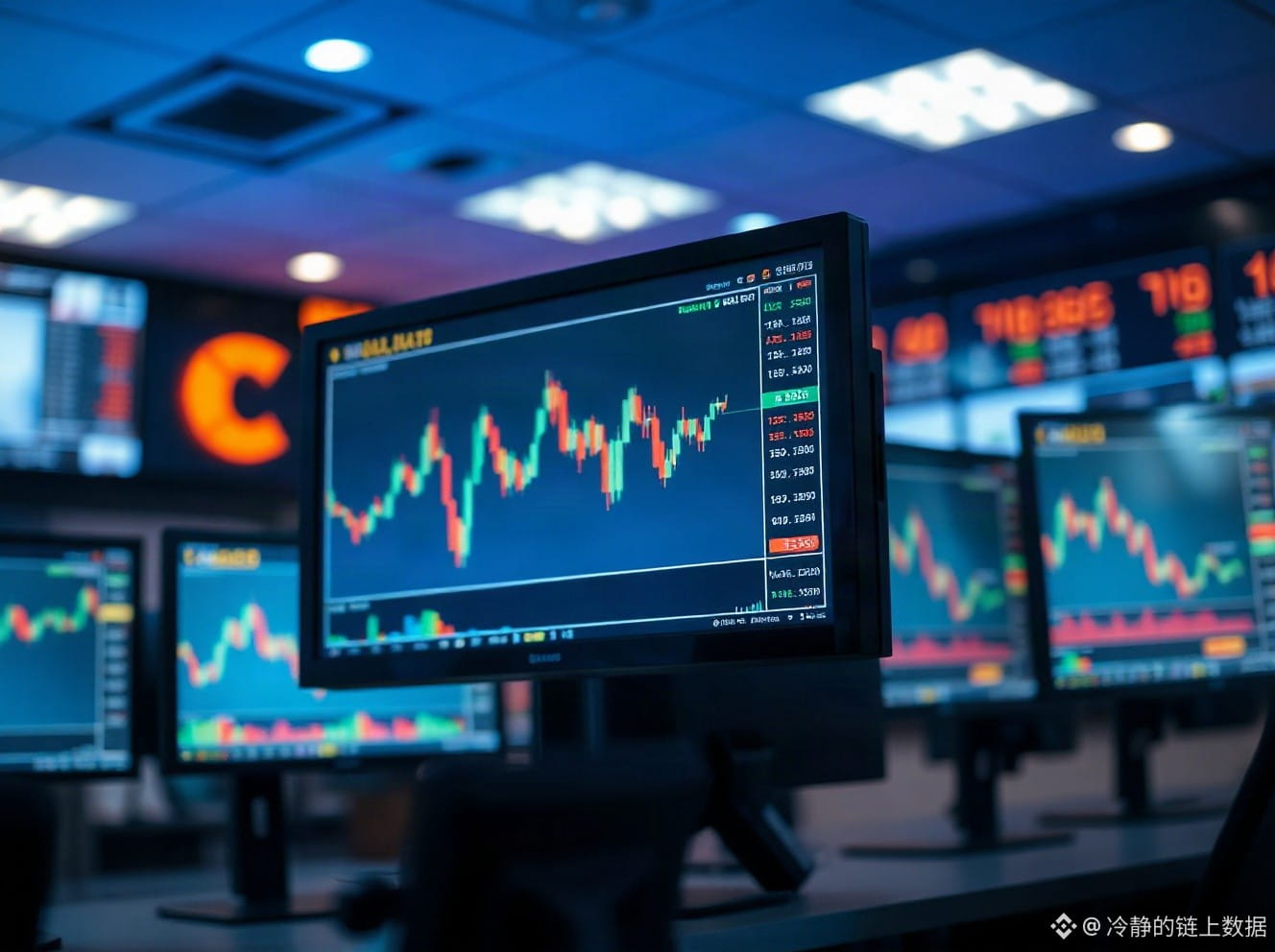
Details of the U.S.-Venezuela Oil Deal Emerge: The U.S. Will Receive a 55% Share of Venezuela’s Oil Production, Putting Pressure on Oil Prices.
After the announcement, international oil prices dipped sharply in the short term. The market interpreted the agreement as a major incremental supply from the producer side. Venezuela has one of the world’s largest proven reserves, but it has long been constrained by sanctions, leading to a serious underestimation of its export capacity. Once the deal is implemented, global crude oil supply dynamics will face new variables.
However, the deal’s enforceability remains the biggest question. Venezuela’s aging infrastructure and the high costs of U.S. shale oil mean uncertainty about how much of the 55% share can actually be realized. Oil prices are already pricing in this expectation, and the next step will depend on actual production data.
Geopolitical games are never a one-time deal. Signing the agreement is only the first step—the key is whether it can be implemented. What do you think?
👉 美委石油协议美国拿 55% 份额,油价要变天?进群看后续
After the announcement, international oil prices dipped sharply in the short term. The market interpreted the agreement as a major incremental supply from the producer side. Venezuela has one of the world’s largest proven reserves, but it has long been constrained by sanctions, leading to a serious underestimation of its export capacity. Once the deal is implemented, global crude oil supply dynamics will face new variables.
However, the deal’s enforceability remains the biggest question. Venezuela’s aging infrastructure and the high costs of U.S. shale oil mean uncertainty about how much of the 55% share can actually be realized. Oil prices are already pricing in this expectation, and the next step will depend on actual production data.
Geopolitical games are never a one-time deal. Signing the agreement is only the first step—the key is whether it can be implemented. What do you think?
👉 美委石油协议美国拿 55% 份额,油价要变天?进群看后续
#加州通过法案拟禁官员发行meme币
👉 GOLD 崩 99% 庄家套现百万,Meme 币还能玩吗?进群聊
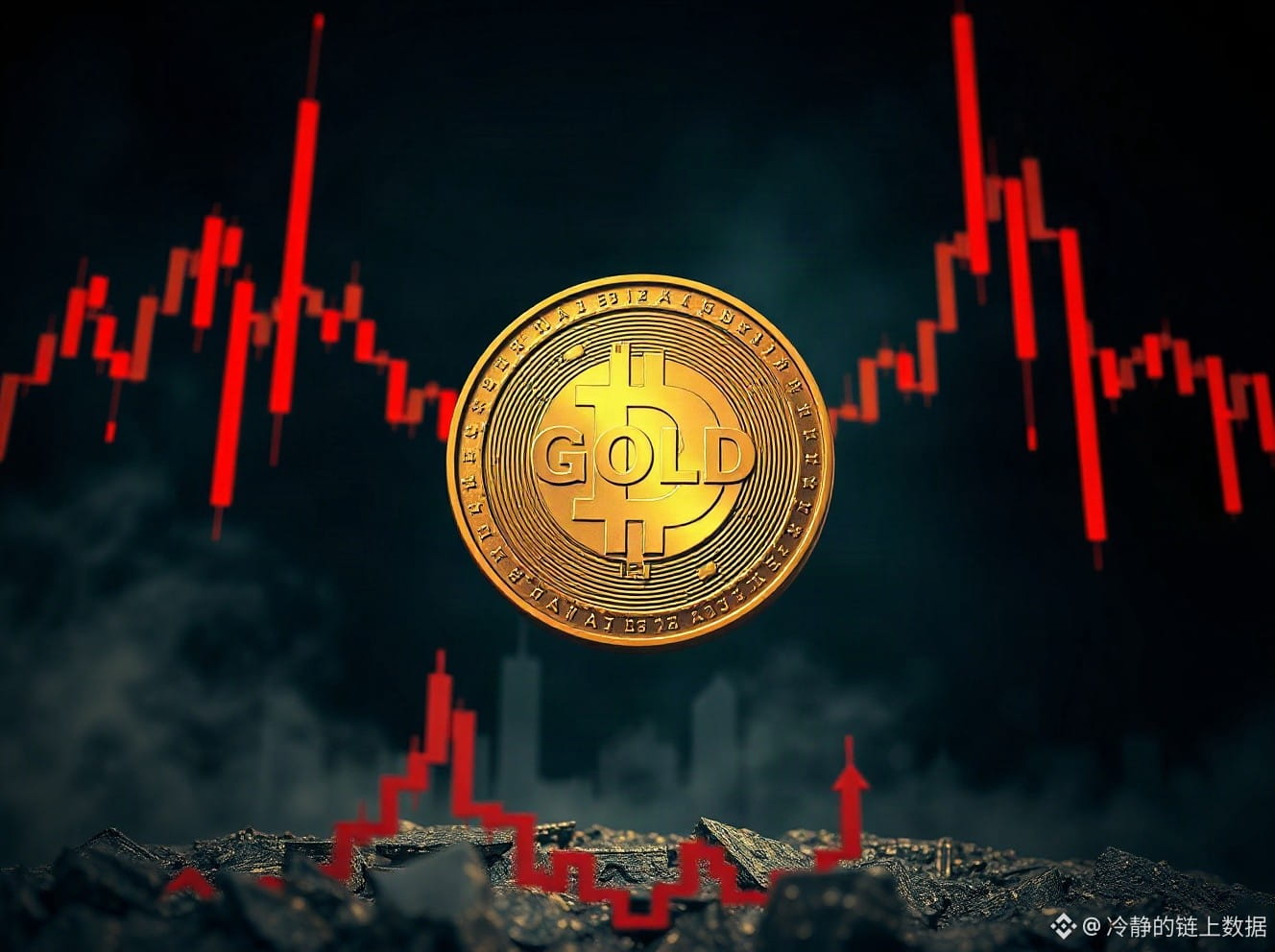
Trump-themed Meme Coin GOLD has crashed by 99%. The masterminds sold off all their holdings and cashed out about $1 million. Retail investors became the last bag-holders.
Before the incident, accounts linked to Trump were still hyping GOLD on social media. Just as the hype started to build, the token price was smashed through. On-chain data shows that the operators sold in multiple transactions at the high points, instantly draining liquidity. Nearly all the investors who bought on the hype were wiped out.
This is the harsh reality of Meme coins: no fundamentals—prices move purely on sentiment and the whims of the market makers. Hype, pump, distribution—after the whole process, being even a little late means losses. Especially for tokens that piggyback on celebrity-related concepts: the higher the hype, the greater the risk.
Meme coins can be played, but never go all-in chasing the price. When the hype fades, it’s the ones who run fast that are the winners—what do you think?
👉 GOLD 崩 99% 庄家套现百万,Meme 币还能玩吗?进群聊
Trump-themed Meme Coin GOLD has crashed by 99%. The masterminds sold off all their holdings and cashed out about $1 million. Retail investors became the last bag-holders.
Before the incident, accounts linked to Trump were still hyping GOLD on social media. Just as the hype started to build, the token price was smashed through. On-chain data shows that the operators sold in multiple transactions at the high points, instantly draining liquidity. Nearly all the investors who bought on the hype were wiped out.
This is the harsh reality of Meme coins: no fundamentals—prices move purely on sentiment and the whims of the market makers. Hype, pump, distribution—after the whole process, being even a little late means losses. Especially for tokens that piggyback on celebrity-related concepts: the higher the hype, the greater the risk.
Meme coins can be played, but never go all-in chasing the price. When the hype fades, it’s the ones who run fast that are the winners—what do you think?
#泰国拟扩大sec加密案调查权
👉 泰国SEC扩权调查,东南亚监管风向变了,进群看合规影响
The Thai SEC is currently mulling an expansion of its investigative authority over crypto cases, and the regulatory net is getting wider.
According to local media reports, the Thai SEC plans to add investigative powers under the existing framework, covering a broader range of violations involving digital assets, including unregistered exchanges, market manipulation, and cross-border capital flows. As soon as the news broke, compliance teams at domestic Thai exchanges immediately entered a state of readiness.
At its core, it’s about regulators catching up to the pace of the market. Crypto trading volumes have been rising year by year, and traditional financial regulation must extend onto the blockchain. Thailand is choosing to respond with “expanding authority” rather than “cracking down,” which is relatively pragmatic. Similar moves are being made in neighboring countries, and regulatory directions across Southeast Asia are tightening collectively.
Compliance costs may increase, but the barriers for compliant players are also getting thicker. After regulation is implemented, the industry may actually become cleaner—what do you think?
👉 泰国SEC扩权调查,东南亚监管风向变了,进群看合规影响
The Thai SEC is currently mulling an expansion of its investigative authority over crypto cases, and the regulatory net is getting wider.
According to local media reports, the Thai SEC plans to add investigative powers under the existing framework, covering a broader range of violations involving digital assets, including unregistered exchanges, market manipulation, and cross-border capital flows. As soon as the news broke, compliance teams at domestic Thai exchanges immediately entered a state of readiness.
At its core, it’s about regulators catching up to the pace of the market. Crypto trading volumes have been rising year by year, and traditional financial regulation must extend onto the blockchain. Thailand is choosing to respond with “expanding authority” rather than “cracking down,” which is relatively pragmatic. Similar moves are being made in neighboring countries, and regulatory directions across Southeast Asia are tightening collectively.
Compliance costs may increase, but the barriers for compliant players are also getting thicker. After regulation is implemented, the industry may actually become cleaner—what do you think?

#加州通过法案拟禁官员发行meme币
👉 GOLD 崩 99% 庄家套现百万,Meme 币还能玩吗?进群聊
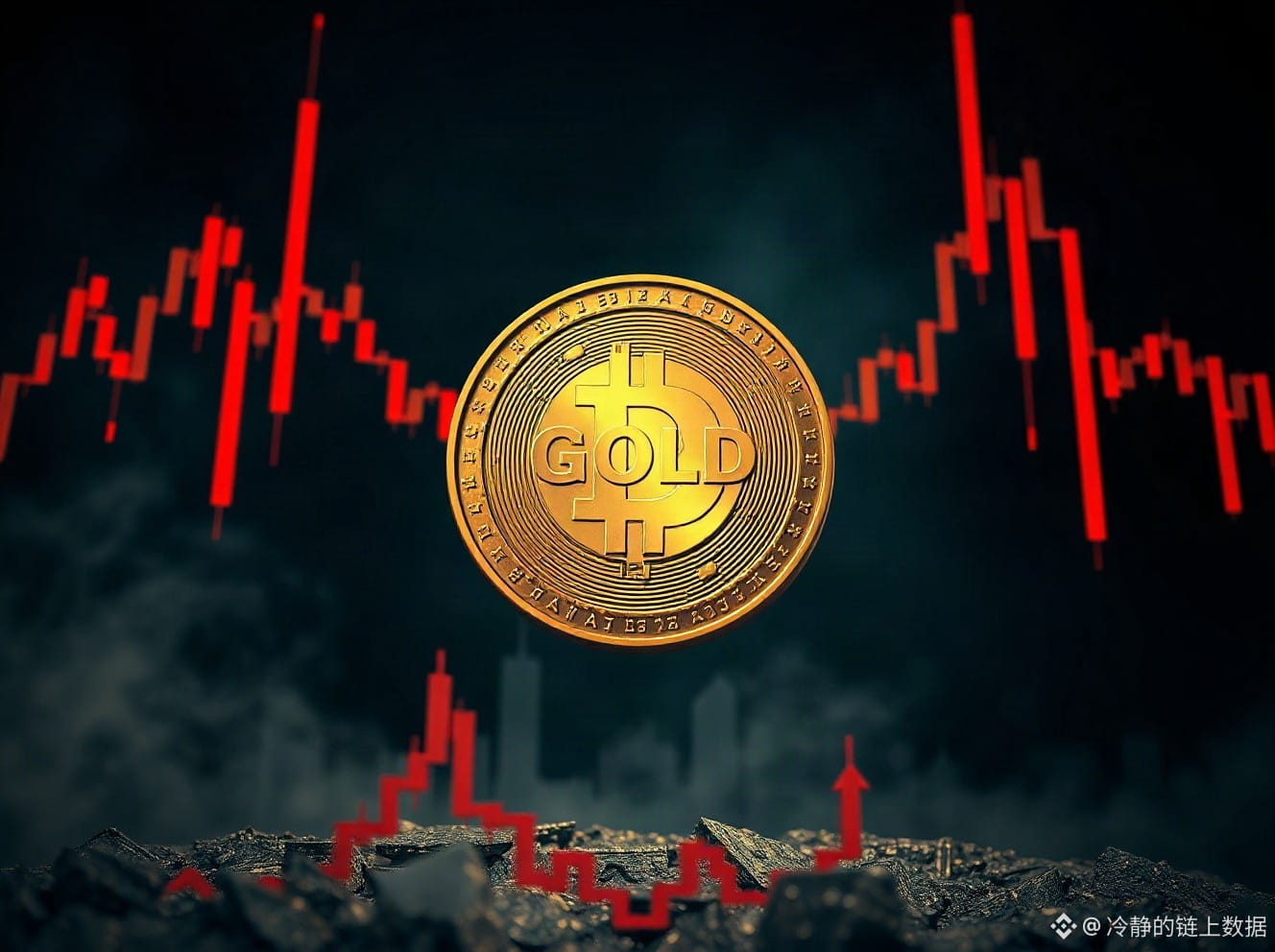
Trump-related Meme coin GOLD crashed 99%. The market makers dumped all their holdings and cashed out about $1 million, leaving retail investors as the last bag holders.
Before it happened, accounts related to Trump were still hyping up GOLD on social media. Just as the hype started to build, the token price was smashed through. On-chain data shows that the market maker sold in multiple batches at the high price points. Liquidity was drained in an instant, and almost all investors who chased the buy got wiped out.
This is the brutal reality of Meme coins: no fundamentals—price is driven entirely by sentiment and the whims of the market maker. Hype, pump, distribute—one complete cycle later, being even a step late means losses. Especially for tokens that ride on celebrity concepts: the higher the hype, the greater the risk.
Meme coins can be played, but never go all-in chasing highs. When the hype fades, the ones who run fastest are the winners—what do you think?
👉 GOLD 崩 99% 庄家套现百万,Meme 币还能玩吗?进群聊
Trump-related Meme coin GOLD crashed 99%. The market makers dumped all their holdings and cashed out about $1 million, leaving retail investors as the last bag holders.
Before it happened, accounts related to Trump were still hyping up GOLD on social media. Just as the hype started to build, the token price was smashed through. On-chain data shows that the market maker sold in multiple batches at the high price points. Liquidity was drained in an instant, and almost all investors who chased the buy got wiped out.
This is the brutal reality of Meme coins: no fundamentals—price is driven entirely by sentiment and the whims of the market maker. Hype, pump, distribute—one complete cycle later, being even a step late means losses. Especially for tokens that ride on celebrity concepts: the higher the hype, the greater the risk.
Meme coins can be played, but never go all-in chasing highs. When the hype fades, the ones who run fastest are the winners—what do you think?
Log in to explore more content