$XAU $CATI $NEIRO
A loud explosion—global oil prices won’t sleep tonight
Just past weekend, the Strait of Hormuz was rocked by violent explosions, and the U.S. military struck Iranian military targets. The moment the news broke, Brent crude futures for today (Aug. 31) surged straight through the $90 mark intraday, prompting traders worldwide to collectively gasp.
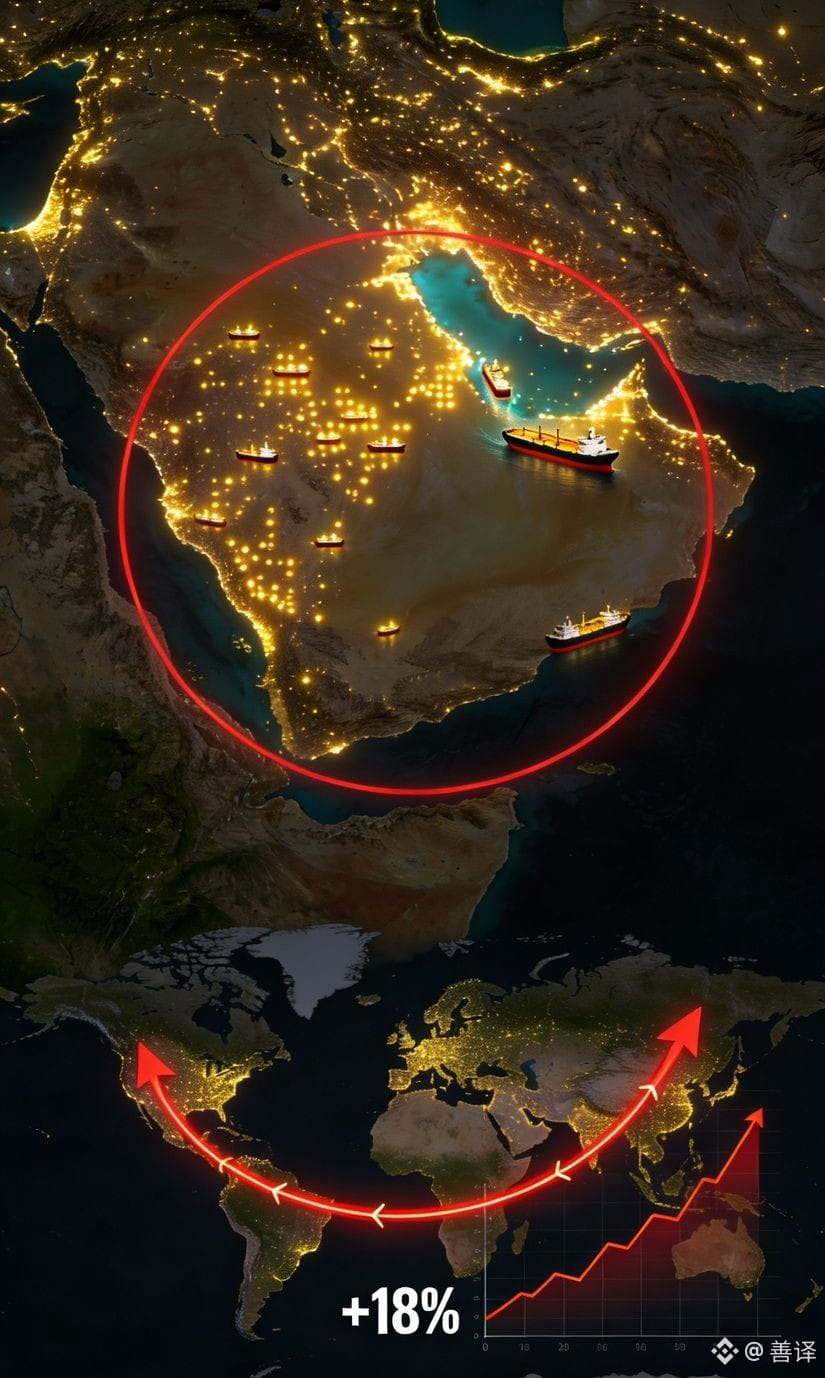
This narrow waterway carries nearly one-fifth of the world’s seaborne oil—yet it has now become the deadliest “minefield.” Boarding ships, firefights, missile intercepts… over the past half year, the U.S. and Iran have played out their set pieces in these waters. The result: the number of tankers trying to force their way through has fallen to a new low. More than 150 massive tankers are stuck in the Persian Gulf, with nowhere to go—every delay adds up, and even the accumulated demurrage fees have made shipowners want to cry. #特朗普达成委内瑞拉17油田开发协议
What’s even harsher are the knock-on effects. Tankers rerouting via the Cape of Good Hope saw freight rates skyrocket overnight. Security fees, insurance costs, and detour expenses all get folded into the price of oil—so in the end, the bill is still paid by you and me at the gas station. Goldman Sachs has already said: if the situation spins out of control again, $100 is no pipe dream. #霍尔木兹海峡战事再起
This fire in the Middle East isn’t burning the desert—it’s burning through the spare cash in people’s global wallets. When the “oil valve” malfunctions, hard days are still ahead.
A loud explosion—global oil prices won’t sleep tonight
Just past weekend, the Strait of Hormuz was rocked by violent explosions, and the U.S. military struck Iranian military targets. The moment the news broke, Brent crude futures for today (Aug. 31) surged straight through the $90 mark intraday, prompting traders worldwide to collectively gasp.
This narrow waterway carries nearly one-fifth of the world’s seaborne oil—yet it has now become the deadliest “minefield.” Boarding ships, firefights, missile intercepts… over the past half year, the U.S. and Iran have played out their set pieces in these waters. The result: the number of tankers trying to force their way through has fallen to a new low. More than 150 massive tankers are stuck in the Persian Gulf, with nowhere to go—every delay adds up, and even the accumulated demurrage fees have made shipowners want to cry. #特朗普达成委内瑞拉17油田开发协议
What’s even harsher are the knock-on effects. Tankers rerouting via the Cape of Good Hope saw freight rates skyrocket overnight. Security fees, insurance costs, and detour expenses all get folded into the price of oil—so in the end, the bill is still paid by you and me at the gas station. Goldman Sachs has already said: if the situation spins out of control again, $100 is no pipe dream. #霍尔木兹海峡战事再起
This fire in the Middle East isn’t burning the desert—it’s burning through the spare cash in people’s global wallets. When the “oil valve” malfunctions, hard days are still ahead.