
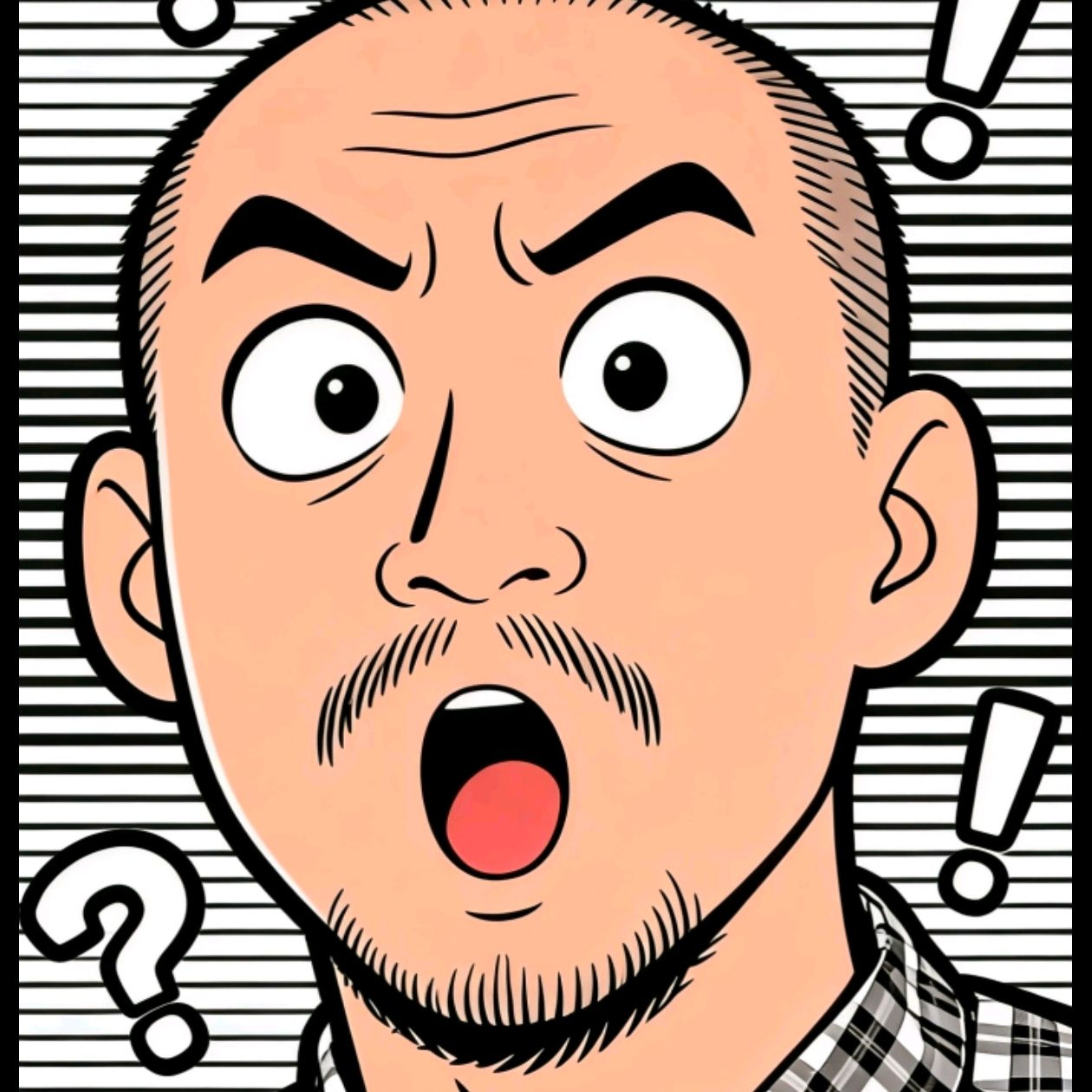
$牛来 This coin might be near the red line.
1. Use the original IP profile picture/cartoon character: copyright infringement
Movie, anime, emoticons, influencer images, logos, mascot original images are usually protected under the Copyright Law (artistic works / audiovisual works / character likeness).
Using the original image as a token profile picture, Twitter/X avatar, Telegram avatar, or an official website banner without permission
Copying, distributing, using it for token/coin promotion, making NFTs/stickers/merch
→ Infringes the rights of reproduction, information network communication, adaptation, and protection of the integrity of the work.
Rights holders may send lawyer letters, request platform takedowns, and sue for damages.
Compensation is calculated based on: actual losses / infringer’s profits / license fees.
Don’t trust “meme culture assumes open licensing.” The original creators of PEPE and DOGE weren’t pursued at first or later authorized it does not mean it’s a legal conclusion. In real life, the original creators of Grumpy Cat, Chill Guy, and Pepe the Frog have all enforced their rights and demanded compensation.
2. Rely on the name + avatar together: unfair competition (confusion)
If the original IP has some influence, and you post “XX Coin” while using the same avatar:
It makes retail investors think it’s “issued by the original team / an official collaboration / tacit endorsement.”
→ Violates Article 7 “confusing conduct” under the Anti-Unfair Competition Law.
The rights holder may request: stopping use, removing posts, changing the name, and compensating for reputational harm.
Regulatory market supervision authorities may also investigate as unfair competition and impose fines in the range of 100,000–5,000,000 RMB.
3. If the original image/name is still registered as a trademark: trademark infringement
If the IP party has registered the character name and/or logo as trademarks (categories such as toys, clothing, online communities, virtual goods, etc.):
Using it on tokens, TG groups, the X homepage, NFTs, and merch
→ May constitute trademark infringement.
In serious cases: the crime of selling counterfeit registered trademarks / selling counterfeit registered trademark goods (Criminal Law Articles 213 and 214).
Although “virtual currency” itself is not officially recognized by regulation, using trademarks to sell goods, build communities, produce merch, or use “authorization” as a hype pitch still counts as trademark use scenarios.
4. Add another layer: claiming “official authorization/collaboration/partner” but there isn’t one
Then it’s not as “light” as IP infringement:
False advertising → unfair competition
Using hype to lure people to buy coins, pump-and-dump (pulling the liquidity), pre-sales to cut investors → fraud / illegal fundraising /
1. Use the original IP profile picture/cartoon character: copyright infringement
Movie, anime, emoticons, influencer images, logos, mascot original images are usually protected under the Copyright Law (artistic works / audiovisual works / character likeness).
Using the original image as a token profile picture, Twitter/X avatar, Telegram avatar, or an official website banner without permission
Copying, distributing, using it for token/coin promotion, making NFTs/stickers/merch
→ Infringes the rights of reproduction, information network communication, adaptation, and protection of the integrity of the work.
Rights holders may send lawyer letters, request platform takedowns, and sue for damages.
Compensation is calculated based on: actual losses / infringer’s profits / license fees.
Don’t trust “meme culture assumes open licensing.” The original creators of PEPE and DOGE weren’t pursued at first or later authorized it does not mean it’s a legal conclusion. In real life, the original creators of Grumpy Cat, Chill Guy, and Pepe the Frog have all enforced their rights and demanded compensation.
2. Rely on the name + avatar together: unfair competition (confusion)
If the original IP has some influence, and you post “XX Coin” while using the same avatar:
It makes retail investors think it’s “issued by the original team / an official collaboration / tacit endorsement.”
→ Violates Article 7 “confusing conduct” under the Anti-Unfair Competition Law.
The rights holder may request: stopping use, removing posts, changing the name, and compensating for reputational harm.
Regulatory market supervision authorities may also investigate as unfair competition and impose fines in the range of 100,000–5,000,000 RMB.
3. If the original image/name is still registered as a trademark: trademark infringement
If the IP party has registered the character name and/or logo as trademarks (categories such as toys, clothing, online communities, virtual goods, etc.):
Using it on tokens, TG groups, the X homepage, NFTs, and merch
→ May constitute trademark infringement.
In serious cases: the crime of selling counterfeit registered trademarks / selling counterfeit registered trademark goods (Criminal Law Articles 213 and 214).
Although “virtual currency” itself is not officially recognized by regulation, using trademarks to sell goods, build communities, produce merch, or use “authorization” as a hype pitch still counts as trademark use scenarios.
4. Add another layer: claiming “official authorization/collaboration/partner” but there isn’t one
Then it’s not as “light” as IP infringement:
False advertising → unfair competition
Using hype to lure people to buy coins, pump-and-dump (pulling the liquidity), pre-sales to cut investors → fraud / illegal fundraising /