
Emmaa alex02
10.7k Posts

Emmaa alex02
 Square Verified+
crypto learning /Binance update I Bigneer -Frindly/No financial Advice 🌸
804 Following
33.7K+ Followers
23.6K+ Liked
Posts
All
Quotes
Live
🚨 $320 MILLION IN BITCOIN JUST DISAPPEARED
A hacker reportedly drained around 4,000 BTC from Blockstream’s Liquid Network.
But the craziest part?
He’s now communicating with developers through on-chain messages and claims he’ll return the funds once the vulnerability is fixed.
$320M involved
Network bug exposed
Hacker is talking directly to developers
Funds could potentially be returned
This doesn’t even sound like a normal crypto hack anymore…
Would you trust a hacker who says he’ll return the money?
$BTC
A hacker reportedly drained around 4,000 BTC from Blockstream’s Liquid Network.
But the craziest part?
He’s now communicating with developers through on-chain messages and claims he’ll return the funds once the vulnerability is fixed.
$320M involved
Network bug exposed
Hacker is talking directly to developers
Funds could potentially be returned
This doesn’t even sound like a normal crypto hack anymore…
Would you trust a hacker who says he’ll return the money?
$BTC
THE INTERESTING PART ISN’T ALWAYS THE PUMP…
$ZEC has been making some serious noise lately, and honestly, the privacy narrative is getting interesting again.
What catches my attention isn’t just the price move it’s the different narratives building around it.
What I’m watching:
• Volume & momentum
• Privacy narrative
• Ecosystem activity
• Market reaction after the breakout
That’s what makes this more interesting to me than simple hype.
ZEC has already shown strong strength, but after a big move, I’d rather watch the confirmation than blindly chase the candle.
Nothing is guaranteed in crypto.
Position size matters, and having a clear invalidation level is always important.
I’m keeping $ZEC on my watchlist and watching how it behaves from here.
If the momentum stays strong, the next move could get interesting…
Which one are you watching
right now👇
$ZEC or another privacy coin?
#ZEC #Zcash #Altcoins #PrivacyCoins
#zcash rises45 %weekly to Highest since2016
$ZEC has been making some serious noise lately, and honestly, the privacy narrative is getting interesting again.
What catches my attention isn’t just the price move it’s the different narratives building around it.
What I’m watching:
• Volume & momentum
• Privacy narrative
• Ecosystem activity
• Market reaction after the breakout
That’s what makes this more interesting to me than simple hype.
ZEC has already shown strong strength, but after a big move, I’d rather watch the confirmation than blindly chase the candle.
Nothing is guaranteed in crypto.
Position size matters, and having a clear invalidation level is always important.
I’m keeping $ZEC on my watchlist and watching how it behaves from here.
If the momentum stays strong, the next move could get interesting…
Which one are you watching
right now👇
$ZEC or another privacy coin?
#ZEC #Zcash #Altcoins #PrivacyCoins
#zcash rises45 %weekly to Highest since2016
PATIENCE PAYS BUT TIMING MATTERS TOO 💯
Some coins don’t move overnight…
Sometimes the setup needs time before the real momentum appears. 👀
Watching these levels closely:
$TUT → $0.50
$DEXE &10
$ONG → $1 💰
Agar aap post/caption mein “to $1” wali line banana chahti hain, bata dein
main engagement style mein bana doon.
ONG → $1
#DeXe. → $10
The real question isn’t just “which target comes first?”
It’s which one could offer the biggest upside from your average entry?
No guaranteed moves.
No blind hype.
DYOR + risk management always. 🧠
Which one are you watching most
closely? 👇
Some coins don’t move overnight…
Sometimes the setup needs time before the real momentum appears. 👀
Watching these levels closely:
$TUT → $0.50
$DEXE &10
$ONG → $1 💰
Agar aap post/caption mein “to $1” wali line banana chahti hain, bata dein
main engagement style mein bana doon.
ONG → $1
#DeXe. → $10
The real question isn’t just “which target comes first?”
It’s which one could offer the biggest upside from your average entry?
No guaranteed moves.
No blind hype.
DYOR + risk management always. 🧠
Which one are you watching most
closely? 👇
👀 THE NEXT MOVE MAY START BEFORE THE PUMP
Sometimes the biggest opportunity isn’t the coin already flying it’s the one where momentum is quietly building underneath.
I’m watching
$UAI , & ZEC
closely because each has a different narrative:
#UAIToken narrative
$ZEC Privacy narrative
But I’m not chasing green candles.
I want to see volume + sustained momentum + ecosystem activity + strong support before getting too confident.
No guaranteed plays here risk management matters more than hype.
If you had to pick ONE to watch right now… which one?
$UAI
$ZEC
Drop your pick below 👇
#UAİ #UAİ #zec #altocoins
Which is Strong
$ZEC
$UAI
Sometimes the biggest opportunity isn’t the coin already flying it’s the one where momentum is quietly building underneath.
I’m watching
$UAI , & ZEC
closely because each has a different narrative:
#UAIToken narrative
$ZEC Privacy narrative
But I’m not chasing green candles.
I want to see volume + sustained momentum + ecosystem activity + strong support before getting too confident.
No guaranteed plays here risk management matters more than hype.
If you had to pick ONE to watch right now… which one?
$UAI
$ZEC
Drop your pick below 👇
#UAİ #UAİ #zec #altocoins
Which is Strong
$ZEC
$UAI
$ZEC is getting interesting 👀
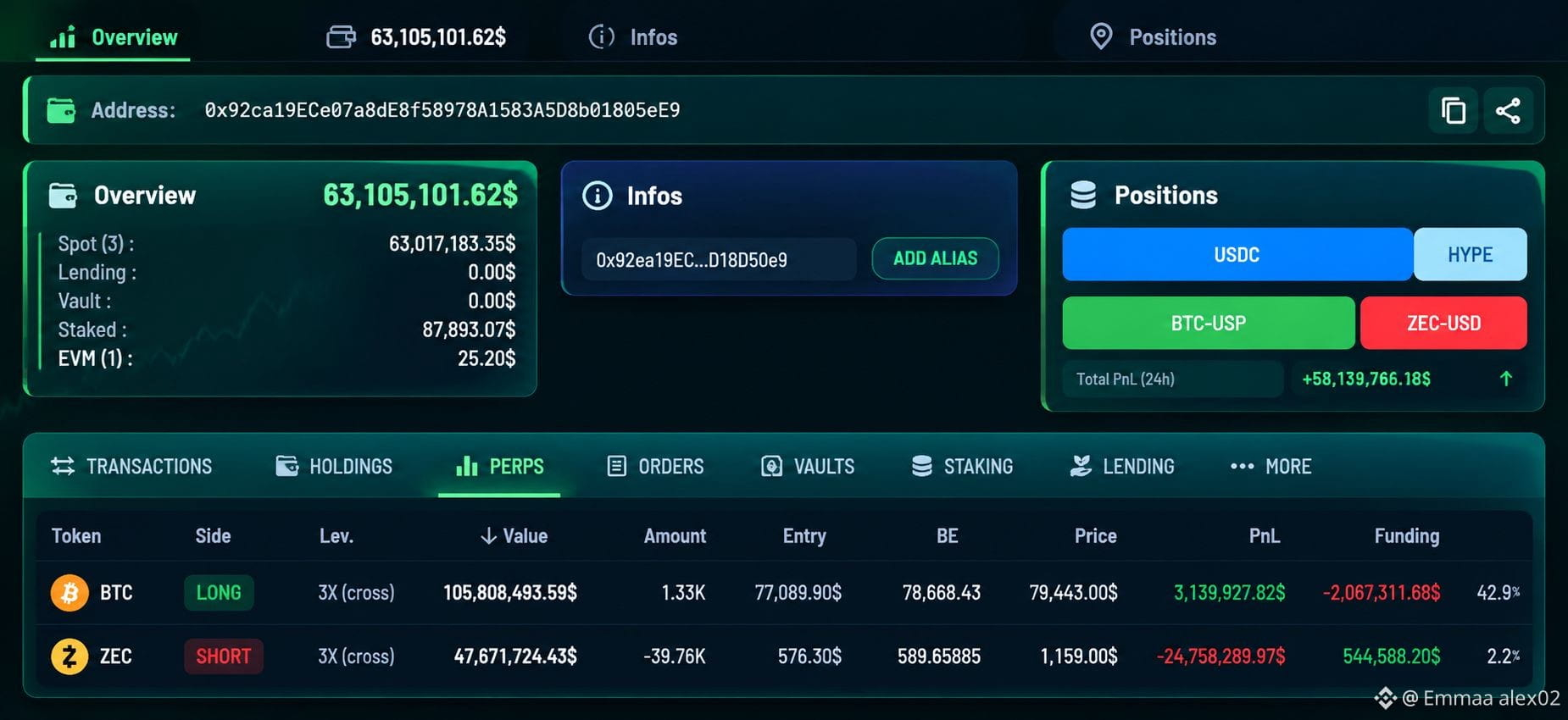
Garrett Jin is reportedly down over $24M on one of the biggest on-chain ZEC shorts.
And instead of closing… he added another $8.4M. 😳
His short is now around $47.22M, with liquidation near $2,292.
The crazy part? He made $11.24M shorting Zcash back in June.
Same trader. Same market. Very different situation now.
Do you think he closes, or keeps holding the short? 👇
Garrett Jin is reportedly down over $24M on one of the biggest on-chain ZEC shorts.
And instead of closing… he added another $8.4M. 😳
His short is now around $47.22M, with liquidation near $2,292.
The crazy part? He made $11.24M shorting Zcash back in June.
Same trader. Same market. Very different situation now.
Do you think he closes, or keeps holding the short? 👇
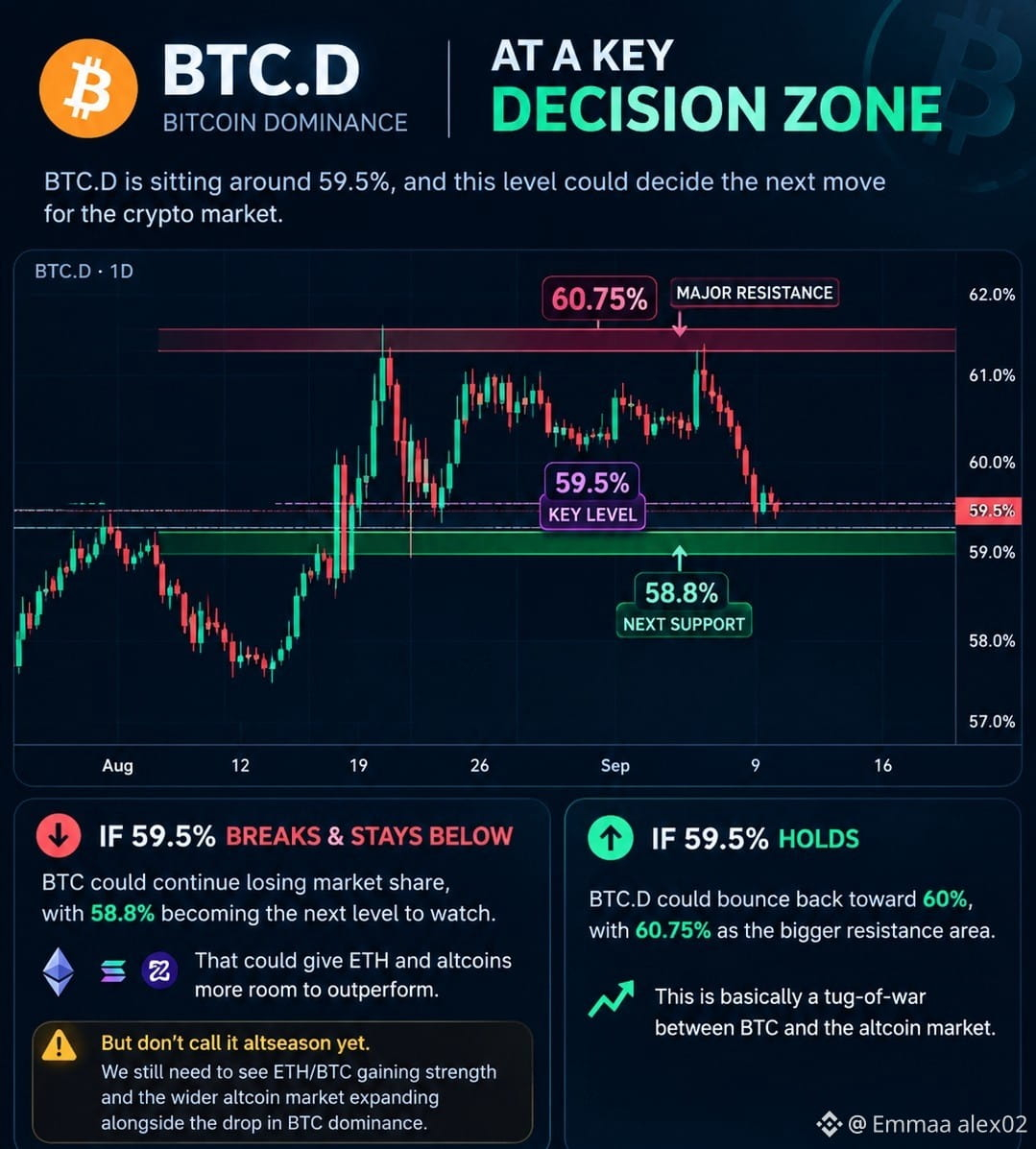
$BTC DOMINANCE 59.5% IS THE LEVEL TO WATCH 👀
BTC.D is sitting right around 59.5%, and this zone could set the tone for the next move.
🔻 Lose 59.5% and hold below → 58.8% comes into focus.
That could open more room for $ETH and alts to outperform.
But I wouldn’t call it altseason yet 👀
We still need to see $ETH/$BTC strengthen and the broader alt market start expanding.
📈 If 59.5% holds → BTC.D could push back toward 60%, with 60.75% as the bigger resistance.
So what do you think?
Breakdown or bounce from 59.5%? 👇
$BTC
BTC.D is sitting right around 59.5%, and this zone could set the tone for the next move.
🔻 Lose 59.5% and hold below → 58.8% comes into focus.
That could open more room for $ETH and alts to outperform.
But I wouldn’t call it altseason yet 👀
We still need to see $ETH/$BTC strengthen and the broader alt market start expanding.
📈 If 59.5% holds → BTC.D could push back toward 60%, with 60.75% as the bigger resistance.
So what do you think?
Breakdown or bounce from 59.5%? 👇
$BTC
$BTC
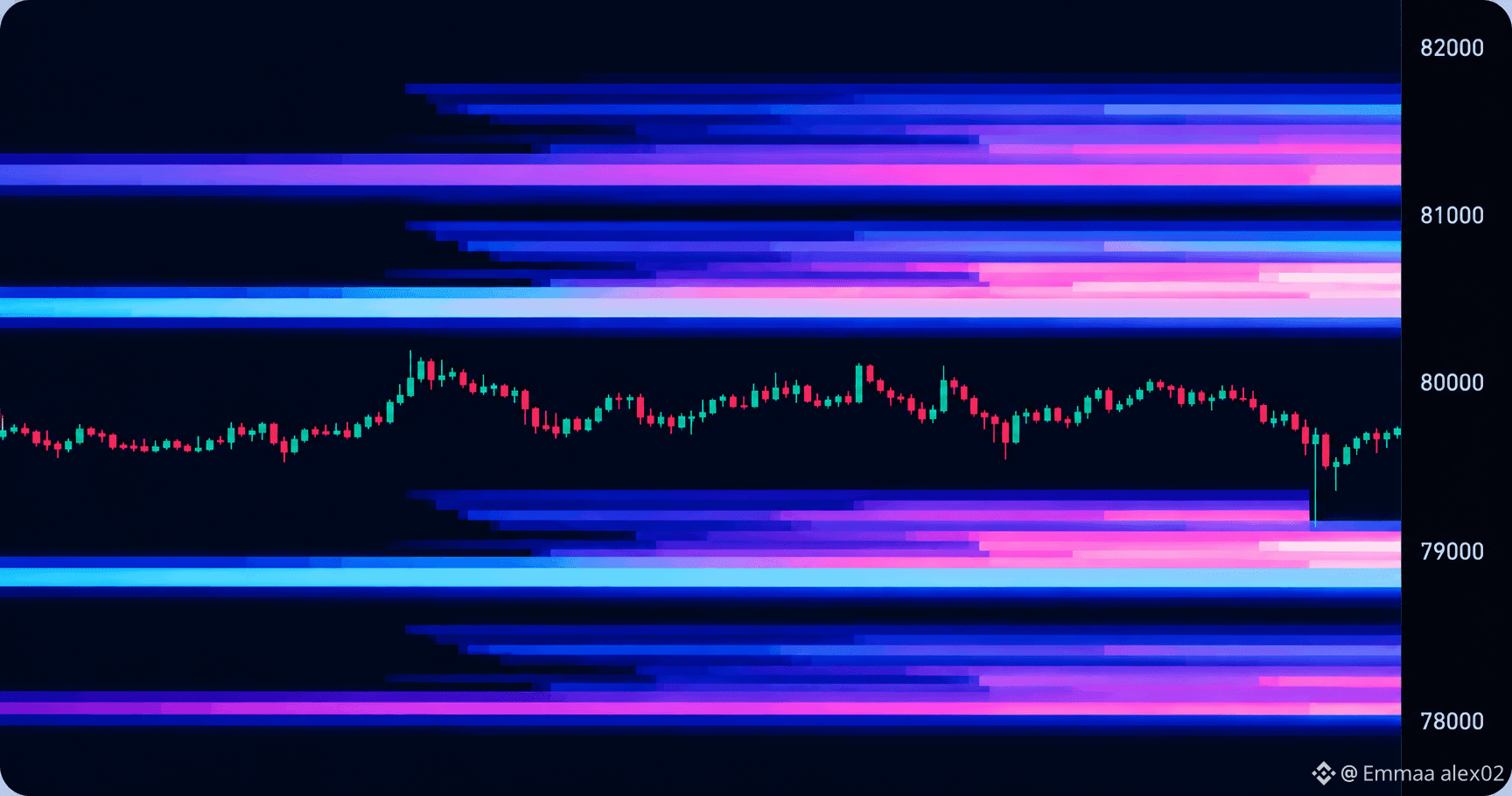
$BTC 👀 Something interesting is building here.
BTC has been moving inside a tight range, with liquidity stacking on both sides.
My main focus right now isn’t guessing the direction.
I’m watching for a sweep of one side, followed by a strong move back into the range.
If that happens, the opposite liquidity zone could become the next target. 🎯
I wouldn’t chase the first breakout here.
Which side do you think gets swept first above or below? 👇
$BTC 👀 Something interesting is building here.
BTC has been moving inside a tight range, with liquidity stacking on both sides.
My main focus right now isn’t guessing the direction.
I’m watching for a sweep of one side, followed by a strong move back into the range.
If that happens, the opposite liquidity zone could become the next target. 🎯
I wouldn’t chase the first breakout here.
Which side do you think gets swept first above or below? 👇
🚨 WILD CRYPTO SECURITY ALERT
Liquid Network has reportedly halted transactions after around 4,000 BTC
roughly $320M was withdrawn from its federation wallet.
Think about that for a second. 👀
This isn’t just a normal network pause. Liquid sits directly in the Bitcoin ecosystem, so an incident of this size naturally raises serious
questions about security, transaction controls and infrastructure risk.
What makes it even more interesting? The withdrawals reportedly involved SideSwap, while Liquid says the cryptographic key itself was not compromised.
For now, the biggest signal isn’t panic —it’s what the investigation reveals next. 🔎
Watch the official updates closely.
#Bitcoin #liquidnetwork #crypto
$CATI
$CFG
Liquid Network has reportedly halted transactions after around 4,000 BTC
roughly $320M was withdrawn from its federation wallet.
Think about that for a second. 👀
This isn’t just a normal network pause. Liquid sits directly in the Bitcoin ecosystem, so an incident of this size naturally raises serious
questions about security, transaction controls and infrastructure risk.
What makes it even more interesting? The withdrawals reportedly involved SideSwap, while Liquid says the cryptographic key itself was not compromised.
For now, the biggest signal isn’t panic —it’s what the investigation reveals next. 🔎
Watch the official updates closely.
#Bitcoin #liquidnetwork #crypto
$CATI
$CFG
$TRUMP 👀
I just saw a recent photo of Trump and people are already talking about his tired appearance.
But here’s the real question…
If Trump is no longer the main narrative, can
$TRUMP still keep rising? 📈
What do you think? 🤔
$TRUMP
I just saw a recent photo of Trump and people are already talking about his tired appearance.
But here’s the real question…
If Trump is no longer the main narrative, can
$TRUMP still keep rising? 📈
What do you think? 🤔
$TRUMP

$BTC
Eric Trump says he’ll “ride BTC forever” and believes in Bitcoin with strong conviction.
But after this move, the real question is:
Are we heading higher from here, or is a pullback coming first? 📈📉
What’s your BTC bias right now — BULLISH or BEARISH? 👇
$ZEC
$TRUMP
Eric Trump says he’ll “ride BTC forever” and believes in Bitcoin with strong conviction.
But after this move, the real question is:
Are we heading higher from here, or is a pullback coming first? 📈📉
What’s your BTC bias right now — BULLISH or BEARISH? 👇
$ZEC
$TRUMP
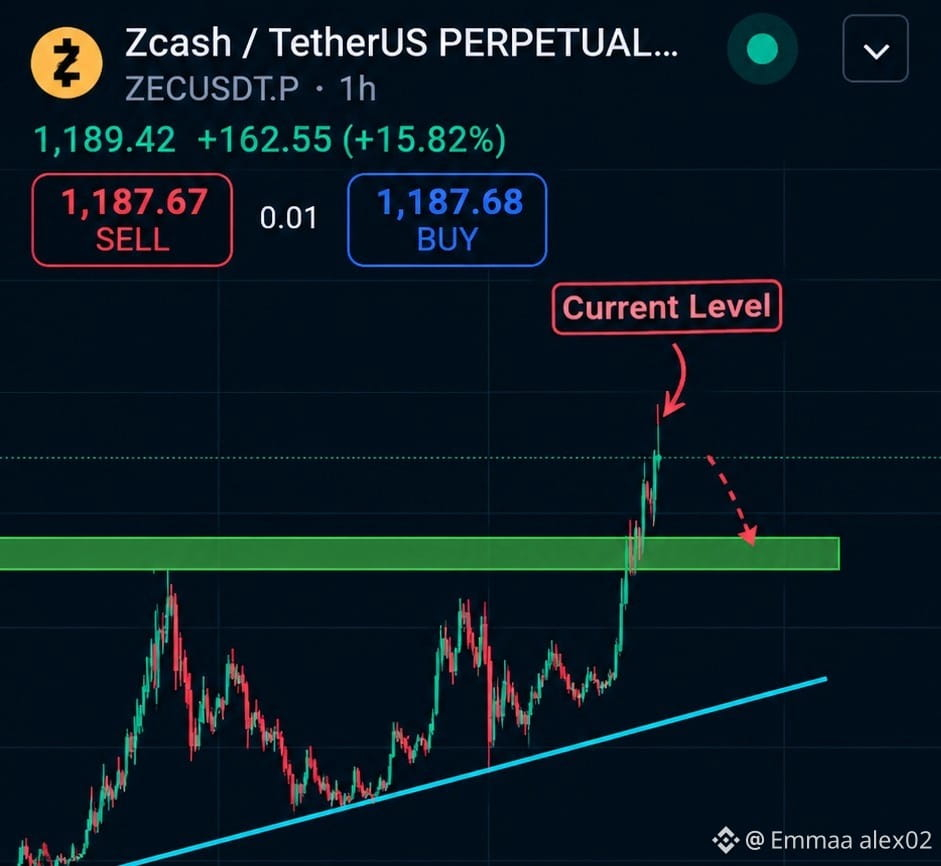
$ZEC ⚠️ BE CAREFUL HERE!
Price is pushing near the current highs, and this
area could bring some bearish pressure. 📉
I wouldn’t chase fresh longs at these levels.
Better to wait for a clear confirmation before making a move.
Stay patient. Protect your setup. 👀
Current ZEC price is moving around the
$1.15K–$1.18K area, so I kept the wording as a caution, not a guaranteed bearish call. �
$ZEC
Price is pushing near the current highs, and this
area could bring some bearish pressure. 📉
I wouldn’t chase fresh longs at these levels.
Better to wait for a clear confirmation before making a move.
Stay patient. Protect your setup. 👀
Current ZEC price is moving around the
$1.15K–$1.18K area, so I kept the wording as a caution, not a guaranteed bearish call. �
$ZEC
$TAO Long Setup 📈
TAO is holding near support, and if this zone stays strong, a bounce could be on the table.
Bias: Long
Buy Zone: 232.70 – 233.90
TP1: 244.50
TP2: 253.50
Invalidation: 225.70
If 232.17 support breaks, the setup could weaken and deeper downside may follow.
Manage your risk and size the position according to the stop.
Check
👇
$TAO
TAO is holding near support, and if this zone stays strong, a bounce could be on the table.
Bias: Long
Buy Zone: 232.70 – 233.90
TP1: 244.50
TP2: 253.50
Invalidation: 225.70
If 232.17 support breaks, the setup could weaken and deeper downside may follow.
Manage your risk and size the position according to the stop.
Check
👇
$TAO
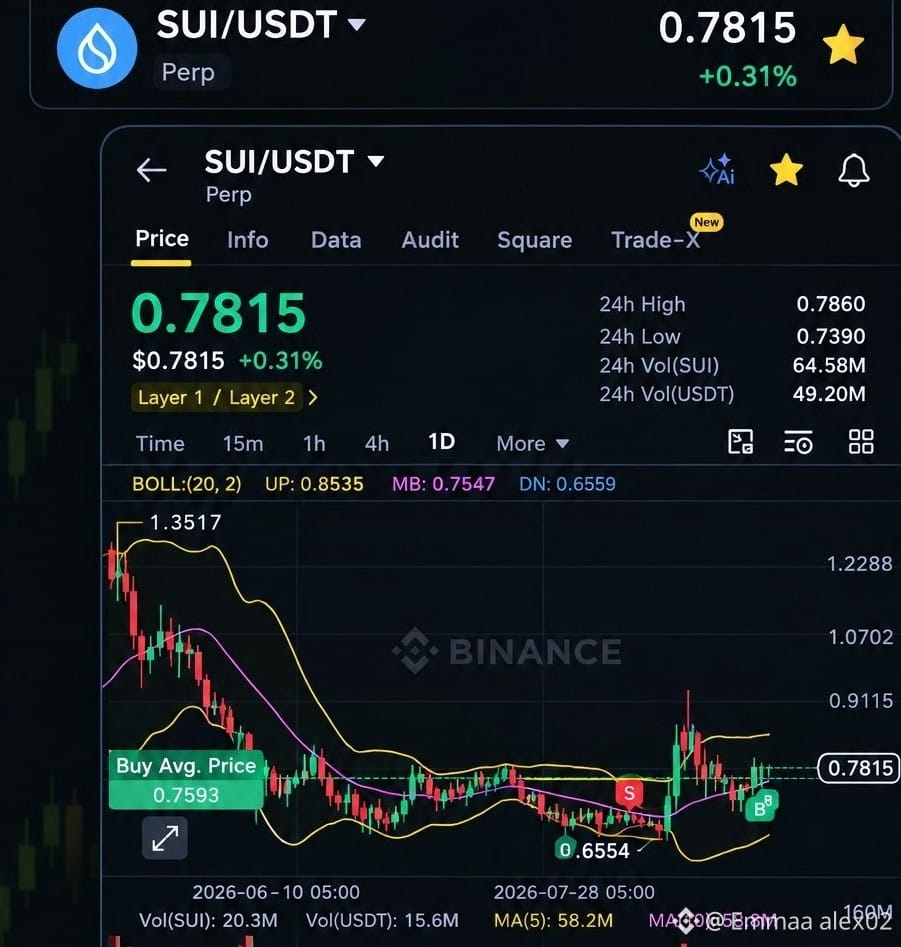
Take Profit at 0.011
$DOGS
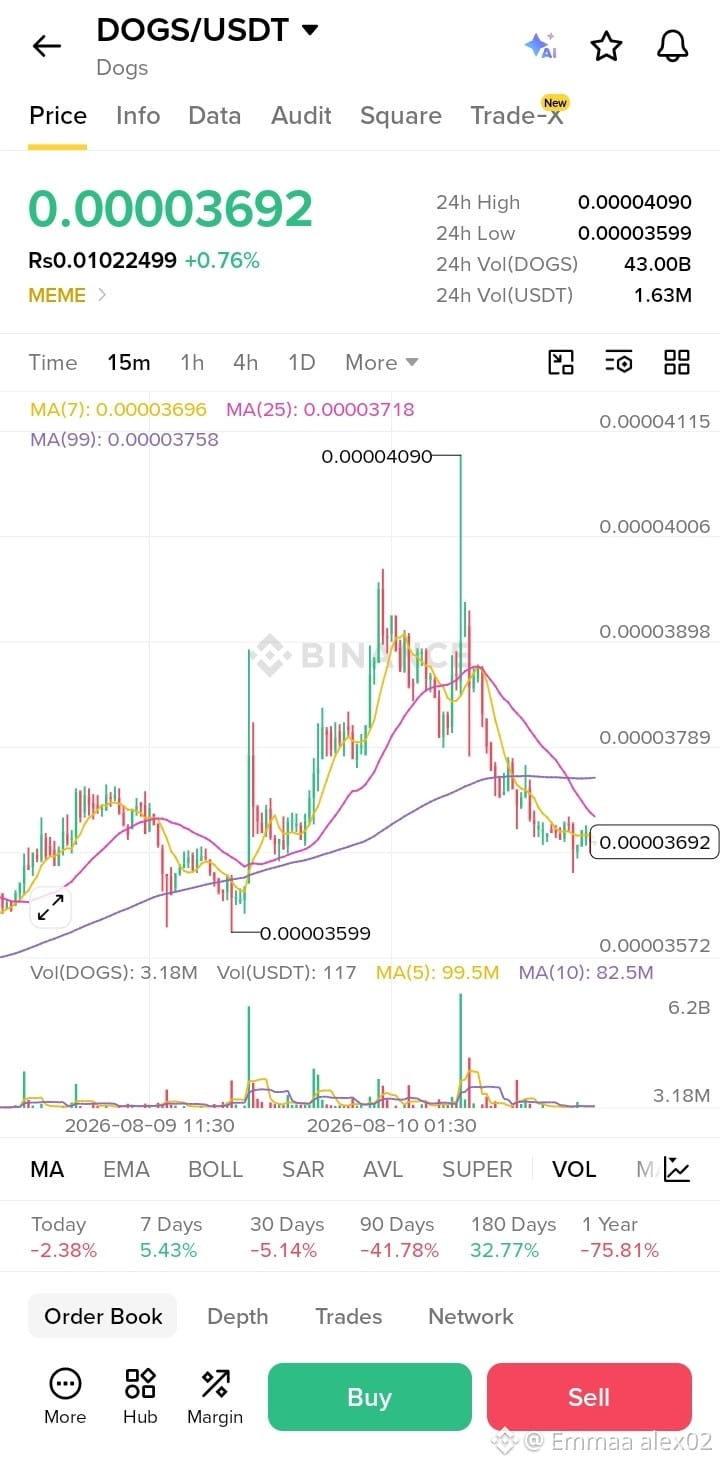
SHORT $ACT now 📉
$ACTUSDT Perp
Entry: Current Price
TP: 0.011
Trade smart & manage risk. ⚡
DOGS is facing seller pressure near resistance. If buyers fail to reclaim this zone, another move lower is possible. 📉
$DOGS
SHORT $ACT now 📉
$ACTUSDT Perp
Entry: Current Price
TP: 0.011
Trade smart & manage risk. ⚡
DOGS is facing seller pressure near resistance. If buyers fail to reclaim this zone, another move lower is possible. 📉
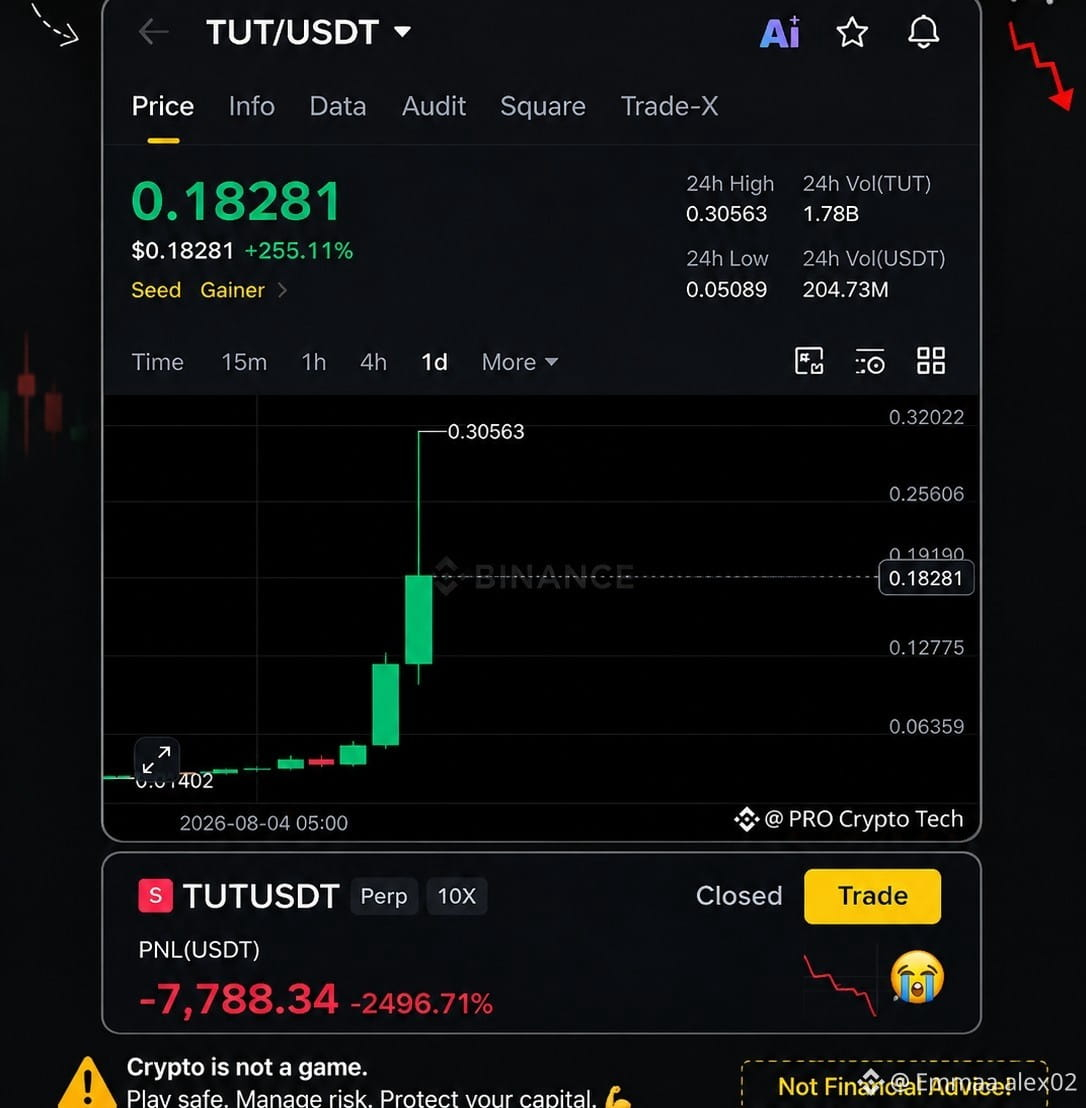
😂 If you hate your money,
just try $TUT ! 💸😭
One pump 🚀, one dump 💀…
and your balance disappears! 😂
No FOMO. Protect your capital. 🧠💰
#TUT #crypto #TradingTales #Binance
$TUT
just try $TUT ! 💸😭
One pump 🚀, one dump 💀…
and your balance disappears! 😂
No FOMO. Protect your capital. 🧠💰
#TUT #crypto #TradingTales #Binance
$TUT
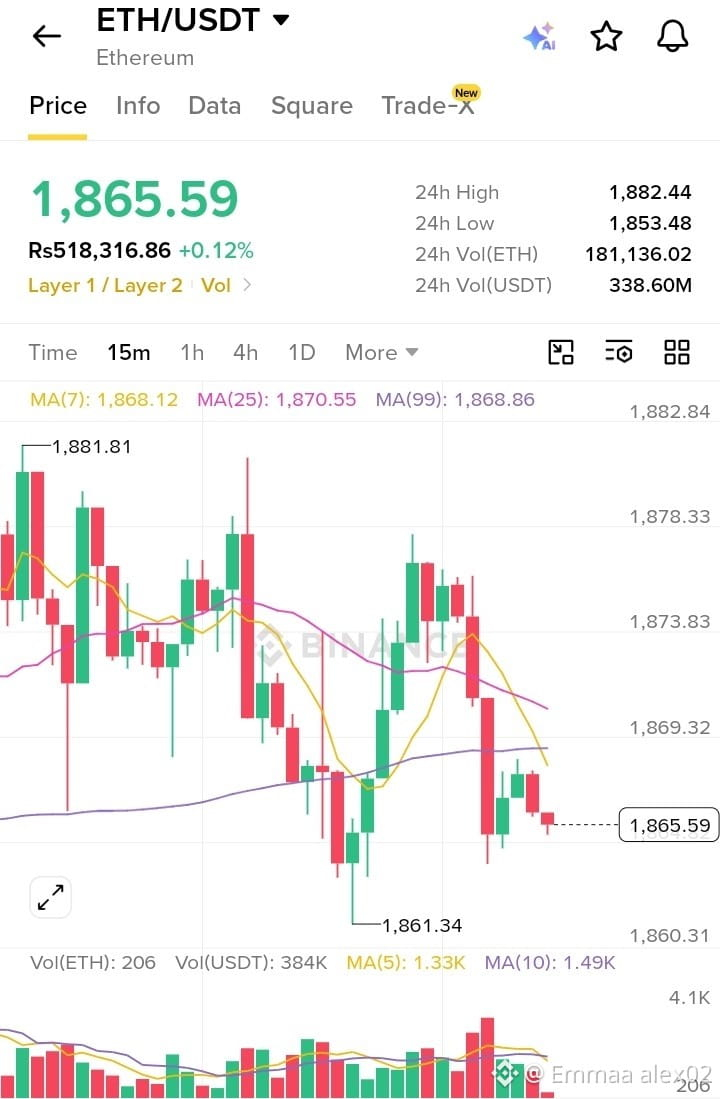
ETH bearish pressure is building as price trades below key resistance, with sellers keeping momentum on their side.
Trading Plan SHORT: $ETH
📍 Entry: 1867 – 1872
🛑 Stop-Loss: 1883
🎯 TP1: 1860
🎯 TP2: 1853
🎯 TP3: 1845
$ETH continues to print lower highs while buyers struggle to reclaim resistance. If price rejects the 1867–1872 liquidity zone, the
bearish structure remains valid and another move toward lower support could follow.
Click and Trade $ETH here 👇
$ETH
Current Price: 1865.59
#ETH #Ethereum #ETHUSDT t#TechnicalAnalysis #tradingplan
Trading Plan SHORT: $ETH
📍 Entry: 1867 – 1872
🛑 Stop-Loss: 1883
🎯 TP1: 1860
🎯 TP2: 1853
🎯 TP3: 1845
$ETH continues to print lower highs while buyers struggle to reclaim resistance. If price rejects the 1867–1872 liquidity zone, the
bearish structure remains valid and another move toward lower support could follow.
Click and Trade $ETH here 👇
$ETH
Current Price: 1865.59
#ETH #Ethereum #ETHUSDT t#TechnicalAnalysis #tradingplan
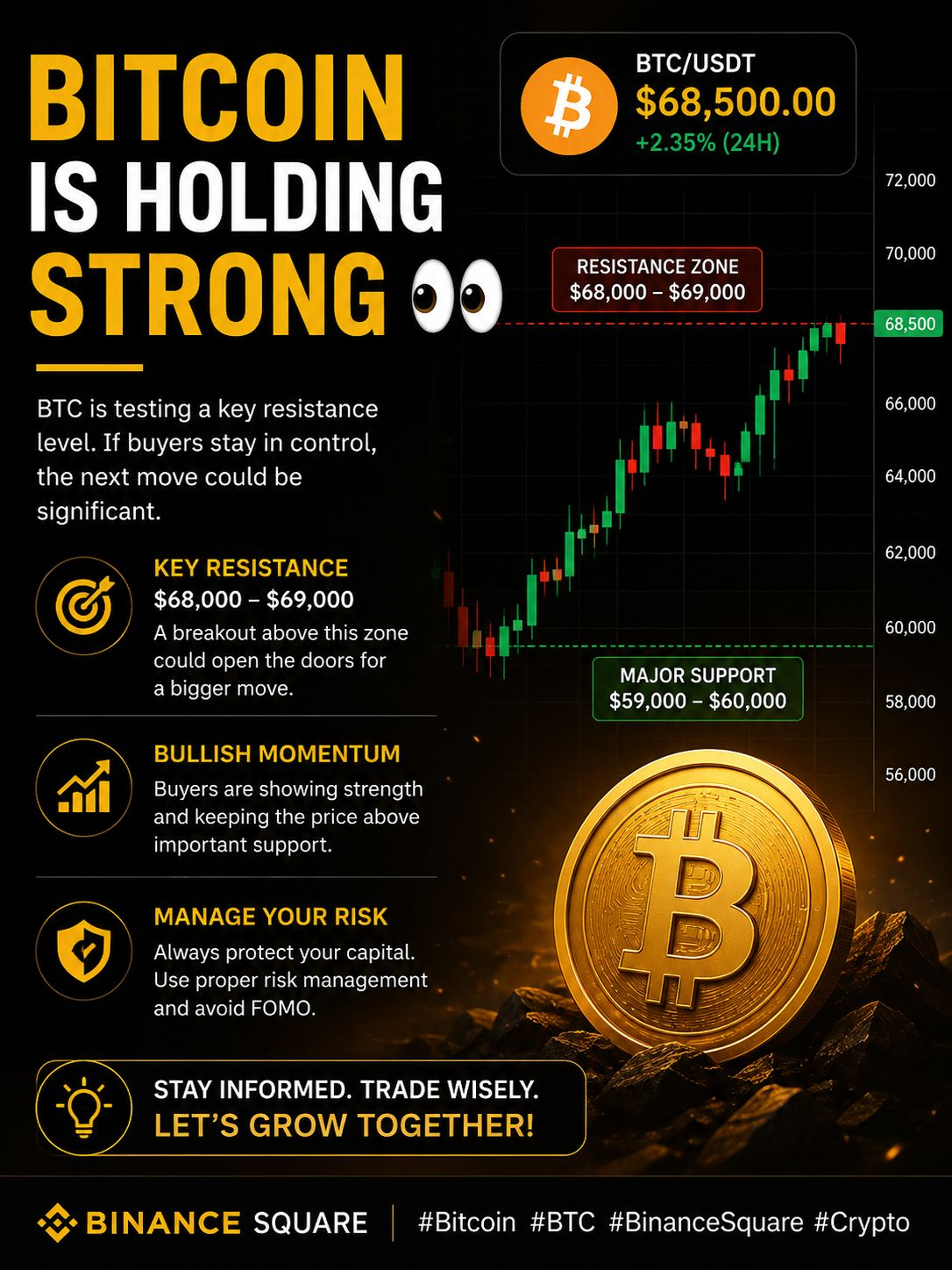
Bitcoin is approaching a critical level, and the market is paying close attention.
If buyers continue to defend the current momentum, BTC could be preparing for its next major move.
No one can predict the market with certainty, so staying patient,
managing risk, and avoiding emotional trades is always the smarter approach.
#BTC #BinanceSquare #crypto
#trading #DYOR🟢
$BTC
If buyers continue to defend the current momentum, BTC could be preparing for its next major move.
No one can predict the market with certainty, so staying patient,
managing risk, and avoiding emotional trades is always the smarter approach.
#BTC #BinanceSquare #crypto
#trading #DYOR🟢
$BTC

$OPEN @OpenLedger #OpenLedger
Everyone talks about AI as if better models automatically create better outcomes.
Lately, I’ve been questioning that assumption.
The more I watch AI and crypto evolve together, the more I feel the real challenge is not intelligence. Intelligence is becoming abundant. What remains scarce is accountability.
That’s one reason I’ve been paying attention to @OpenLedger
Most AI systems operate like black boxes.
You provide data, receive an output, and are expected to trust what happens in between. The problem is that trust becomes difficult when contributors, datasets, and model actions are invisible.
@OpenLedger er seems to be exploring a different direction.
Instead of treating data as an afterthought, it focuses on making contributions measurable and traceable. That idea feels increasingly important as AI becomes more integrated into everyday decision-making.
What interests me most is not the technology itself, but the incentive structure behind it. Strong ecosystems are usually built when participants have a clear reason to contribute, stay engaged, and create value together.
We are still early, and many questions remain unanswered. But I think the next phase of AI adoption will be shaped less by who has the biggest model and more by who builds the most trustworthy system around it.
That’s the part I’m watching closely.
$OPEN #OpenLedger #AI #crypto
Everyone talks about AI as if better models automatically create better outcomes.
Lately, I’ve been questioning that assumption.
The more I watch AI and crypto evolve together, the more I feel the real challenge is not intelligence. Intelligence is becoming abundant. What remains scarce is accountability.
That’s one reason I’ve been paying attention to @OpenLedger
Most AI systems operate like black boxes.
You provide data, receive an output, and are expected to trust what happens in between. The problem is that trust becomes difficult when contributors, datasets, and model actions are invisible.
@OpenLedger er seems to be exploring a different direction.
Instead of treating data as an afterthought, it focuses on making contributions measurable and traceable. That idea feels increasingly important as AI becomes more integrated into everyday decision-making.
What interests me most is not the technology itself, but the incentive structure behind it. Strong ecosystems are usually built when participants have a clear reason to contribute, stay engaged, and create value together.
We are still early, and many questions remain unanswered. But I think the next phase of AI adoption will be shaped less by who has the biggest model and more by who builds the most trustworthy system around it.
That’s the part I’m watching closely.
$OPEN #OpenLedger #AI #crypto

Log in to explore more content