
Rose时间玫瑰
14.5k Posts

Rose时间玫瑰
 Square Verified+
“一年前:大佬求带。现在:这K线我见过。虽然仍旧山顶吹风,但心态已从‘新韭菜’进化为‘老韭菜根’。专注BTC/ETH,主打一个跌了装死,涨了看戏,欢迎来互相扎心。”

BNB Holder
High-Frequency Trader
1.2 Years
3.4K+ Following
40.8K+ Followers
32.6K+ Liked
Posts
All
Quotes
Videos
Live
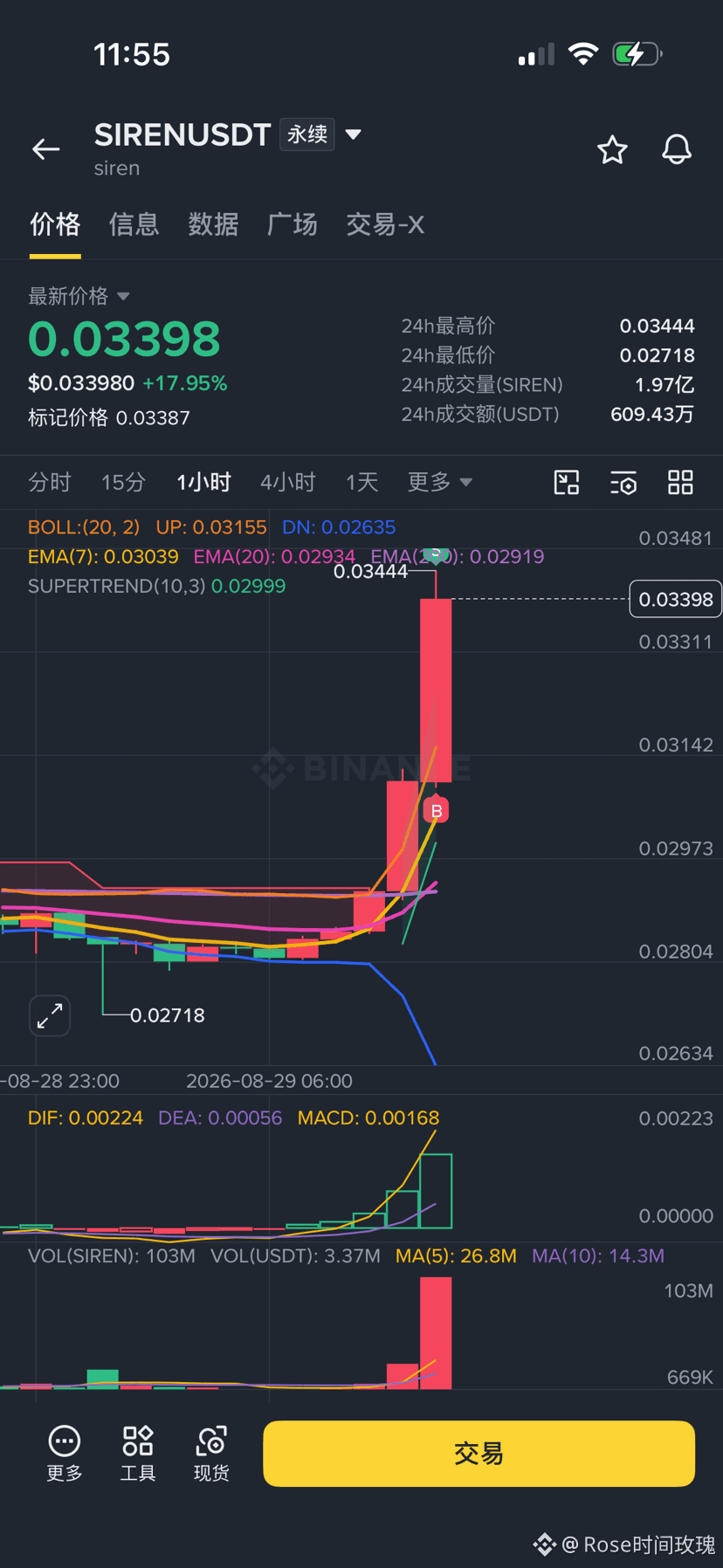
The妖coin $SIREN , which has been quiet for months, has surged violently today; over the past 24 hours, the amplitude exceeded 26%. The current price is 0.03398, approaching the previous high of 0.03444. The MACD golden cross is separating, and trading volume has spiked to 197 million, indicating strong bullish momentum. However, the Bollinger Bands have opened widely; there are signs of heavy dealer control. When chasing longs, be sure to watch out for a needle insertion. Only consider entering if the pullback to 0.0315 holds and does not break.
Verified
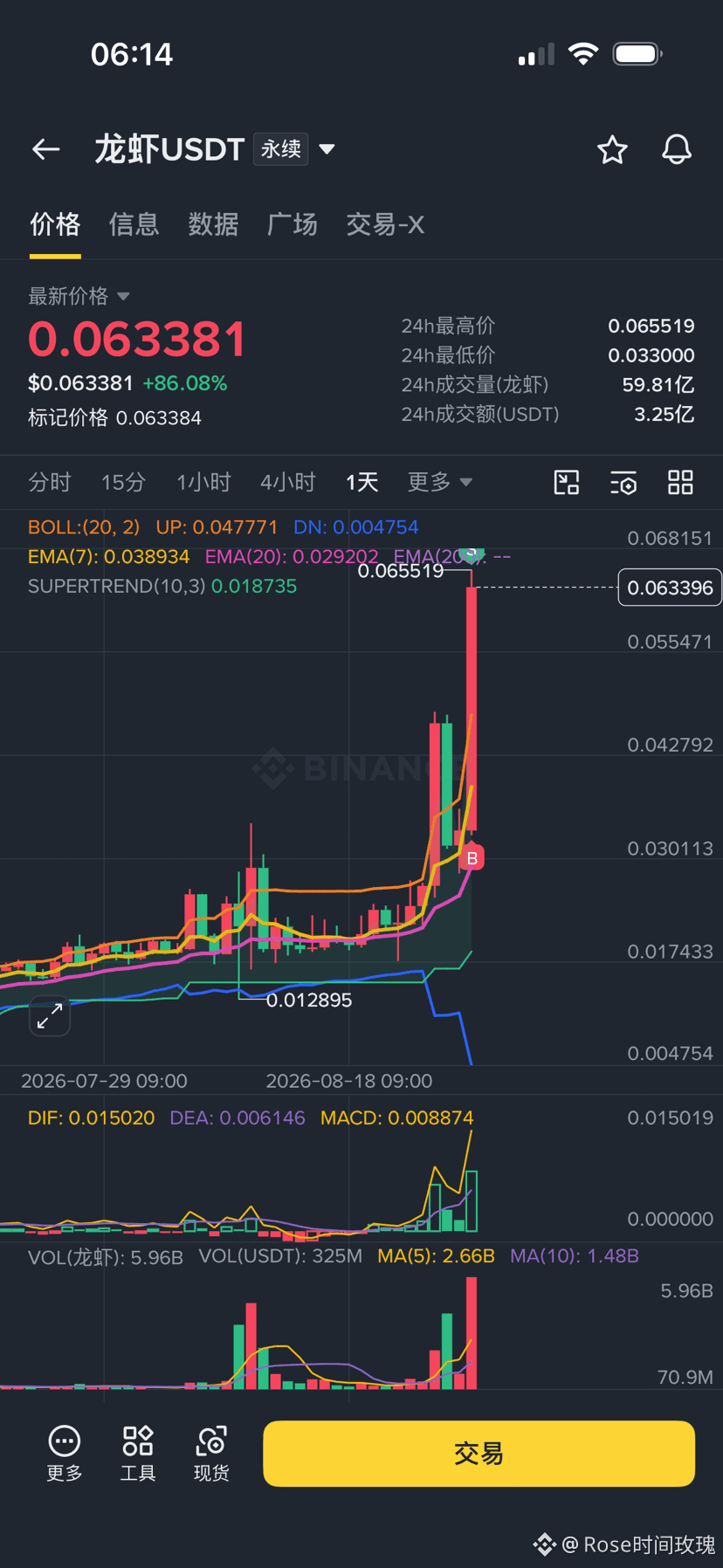
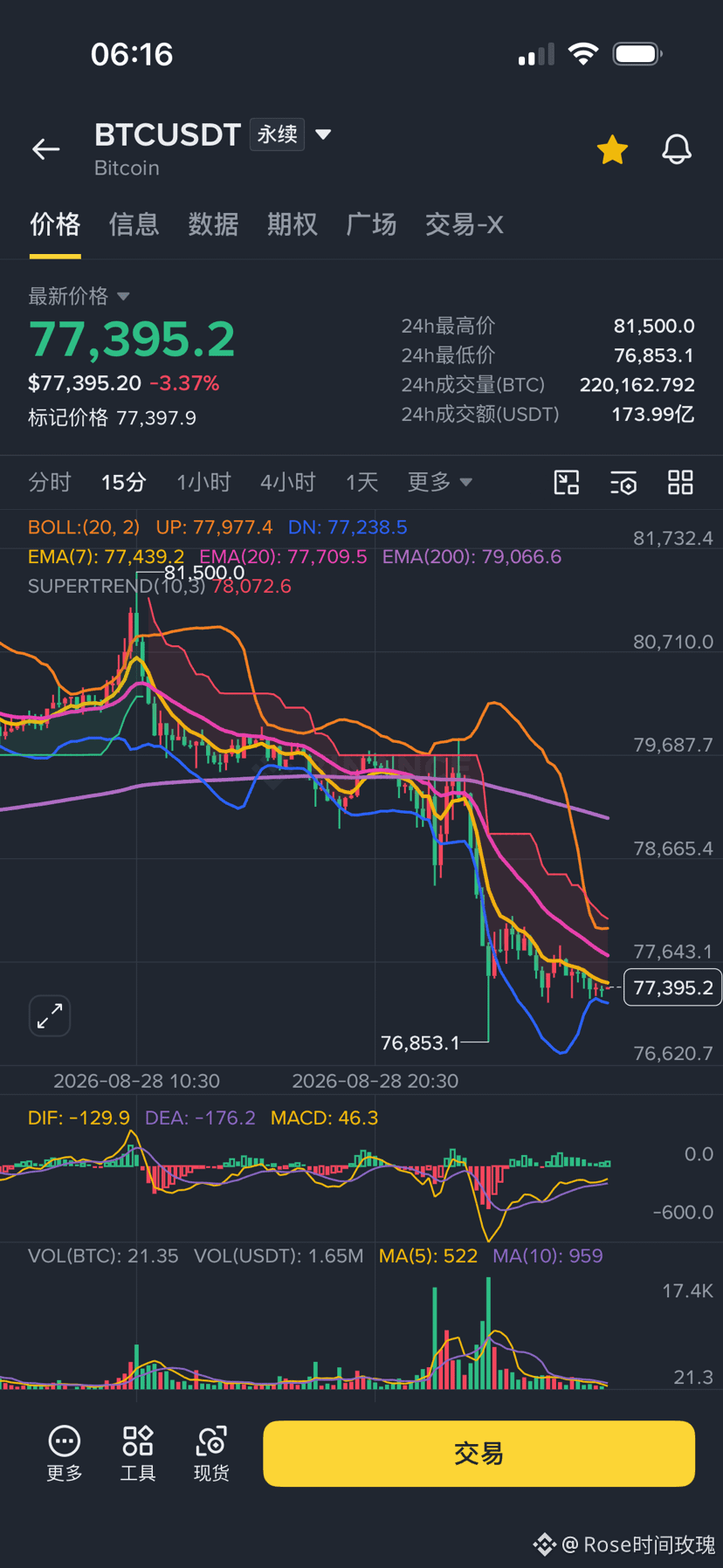
Fed hawkish signals boost rate-hike expectations. Liquidity tightening leads to a sharp drop in $BTC ETH. But that’s not the whole story: Meme coin $龙虾 surges 86% against the trend, driven by community storytelling rather than macro fundamentals. It just launched its contract, and leveraged capital along with FOMO sentiment sync up, setting off an independent move. Speculative funds divert from major coins, creating a stark contrast between hot and cold #沃什称通胀是美联储首要关注 #SOL本周上涨20%
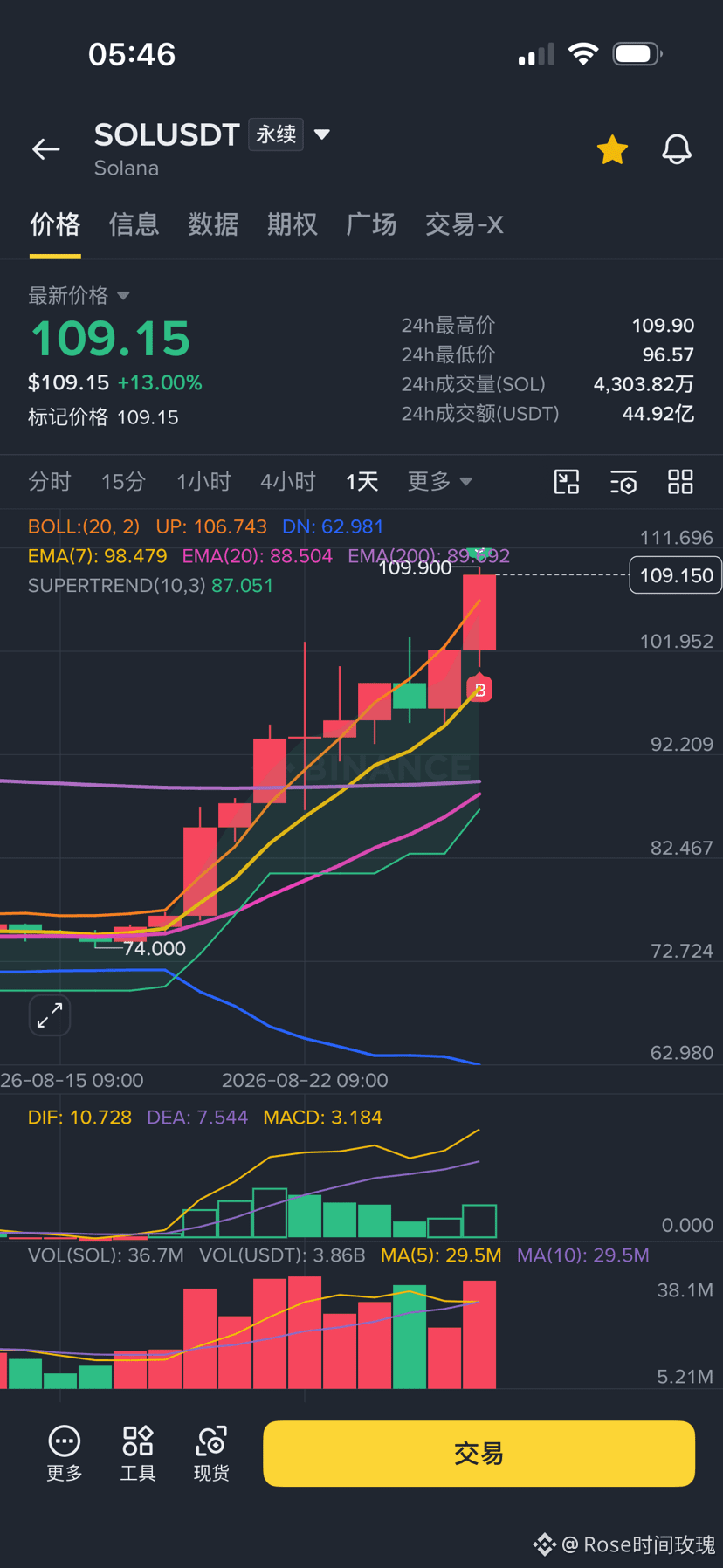
“Still playing U.S. stocks? The index has rebounded—$SOL $BNB catch-up gains. Are you stocking up? SOL is up 13%, with trading volume of 4.4 billion, near 111. Have a core position and hold steady; stay in cash and wait for a pullback to 106. BNB is following with declining volume. Buy more on the pullback; the main trade is SOL, $BTC ETH, BNB
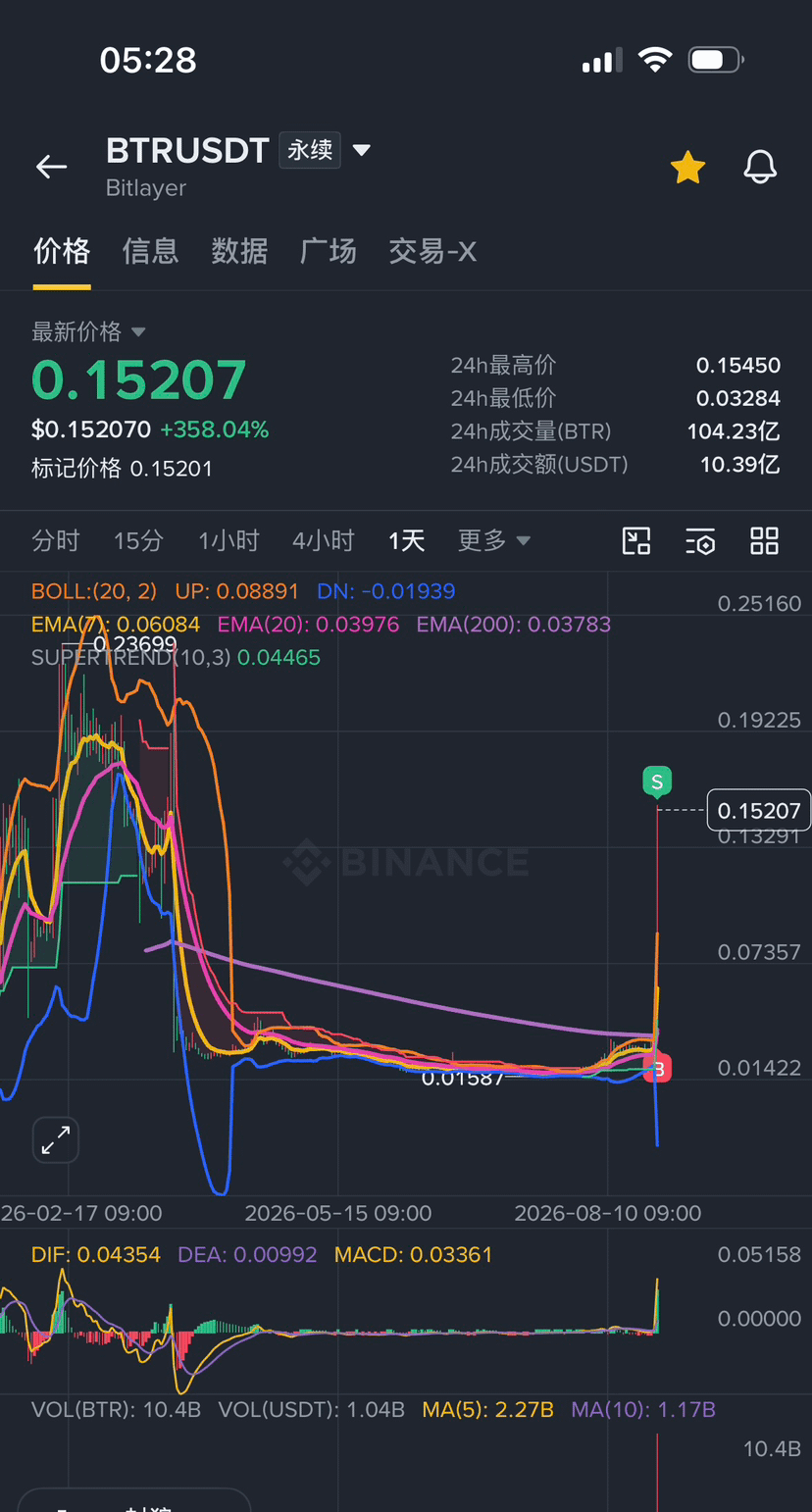
Today $BTR directly left me stunned—+358%. From 0.032 to 0.154, with daily trading volume hitting $1 billion.
A few days ago, the 48% from $BMT was only the appetizer.
This is what real breakout looks like. With $1 billion in daily trades, the market cap shoots up instantly. Getting in in the morning is called getting rich, chasing it at night is called standing guard—the difference is that big.
I’m not telling you to chase; I’m reminding you: the market isn’t silent—it’s just choosing the next target.
A few days ago, the 48% from $BMT was only the appetizer.
This is what real breakout looks like. With $1 billion in daily trades, the market cap shoots up instantly. Getting in in the morning is called getting rich, chasing it at night is called standing guard—the difference is that big.
I’m not telling you to chase; I’m reminding you: the market isn’t silent—it’s just choosing the next target.
#dusk $DUSK @Dusk When reading the Dusk whitepaper, I noticed an easily overlooked detail: the descriptions of different contracts use different tenses.
In Section 6.2, when describing the Genesis, Transfer, and Stake Contracts, it mainly describes the functions they currently serve: transferring, Gas deductions, staking, etc. These are core infrastructure required for the operation of the Dusk network.
Whereas in Section 6.3, when introducing Zedger and Citadel, there are clearly more future-oriented statements—for example, “designed to be deployed” and “will allow.”
Tense alone, of course, cannot prove that a function has “not yet been implemented.” But as a signal in a technical document, it at least reminds us that the whitepaper’s architectural design, the protocols that have already been deployed, and the product capabilities that can currently be used in practice are not the same concept.
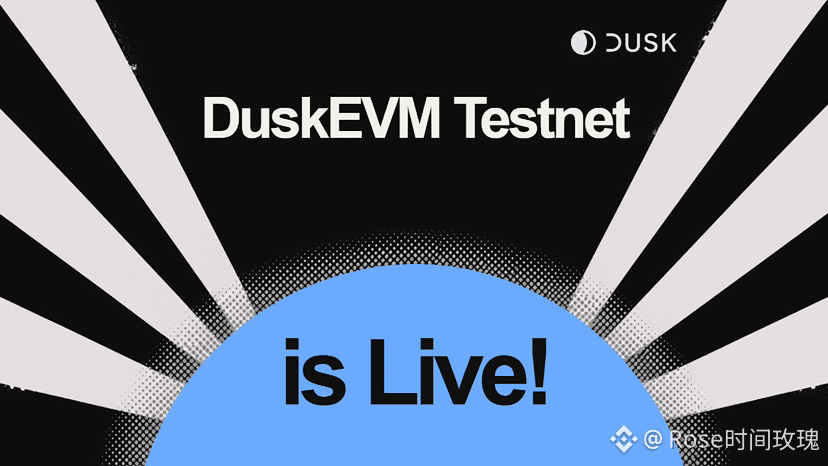
Now looking at the Dusk website, the status of different products is already labeled as Live, Building, and Testnet. This actually gives us a more concrete frame of reference: when discussing a capability, should we also distinguish whether it is designed, already deployed, or already verifiable and usable in practice?
Today, Dusk’s discussions about regulated on-chain finance are increasingly focused on end-to-end processes such as investor access, controlled transfers, privacy disclosures, and settlement.
So the question becomes more specific:
Where, among “design, deployment, and verifiable use,” do the current stages of capabilities like Zedger, XSC, and Citadel each fall?
If Dusk’s goal is to support real regulated financial markets, then as it moves from the whitepaper’s design to real-world market usage, what key step most needs external validation right now?#dusk $DUSK @Dusk
In Section 6.2, when describing the Genesis, Transfer, and Stake Contracts, it mainly describes the functions they currently serve: transferring, Gas deductions, staking, etc. These are core infrastructure required for the operation of the Dusk network.
Whereas in Section 6.3, when introducing Zedger and Citadel, there are clearly more future-oriented statements—for example, “designed to be deployed” and “will allow.”
Tense alone, of course, cannot prove that a function has “not yet been implemented.” But as a signal in a technical document, it at least reminds us that the whitepaper’s architectural design, the protocols that have already been deployed, and the product capabilities that can currently be used in practice are not the same concept.
Now looking at the Dusk website, the status of different products is already labeled as Live, Building, and Testnet. This actually gives us a more concrete frame of reference: when discussing a capability, should we also distinguish whether it is designed, already deployed, or already verifiable and usable in practice?
Today, Dusk’s discussions about regulated on-chain finance are increasingly focused on end-to-end processes such as investor access, controlled transfers, privacy disclosures, and settlement.
So the question becomes more specific:
Where, among “design, deployment, and verifiable use,” do the current stages of capabilities like Zedger, XSC, and Citadel each fall?
If Dusk’s goal is to support real regulated financial markets, then as it moves from the whitepaper’s design to real-world market usage, what key step most needs external validation right now?#dusk $DUSK @Dusk
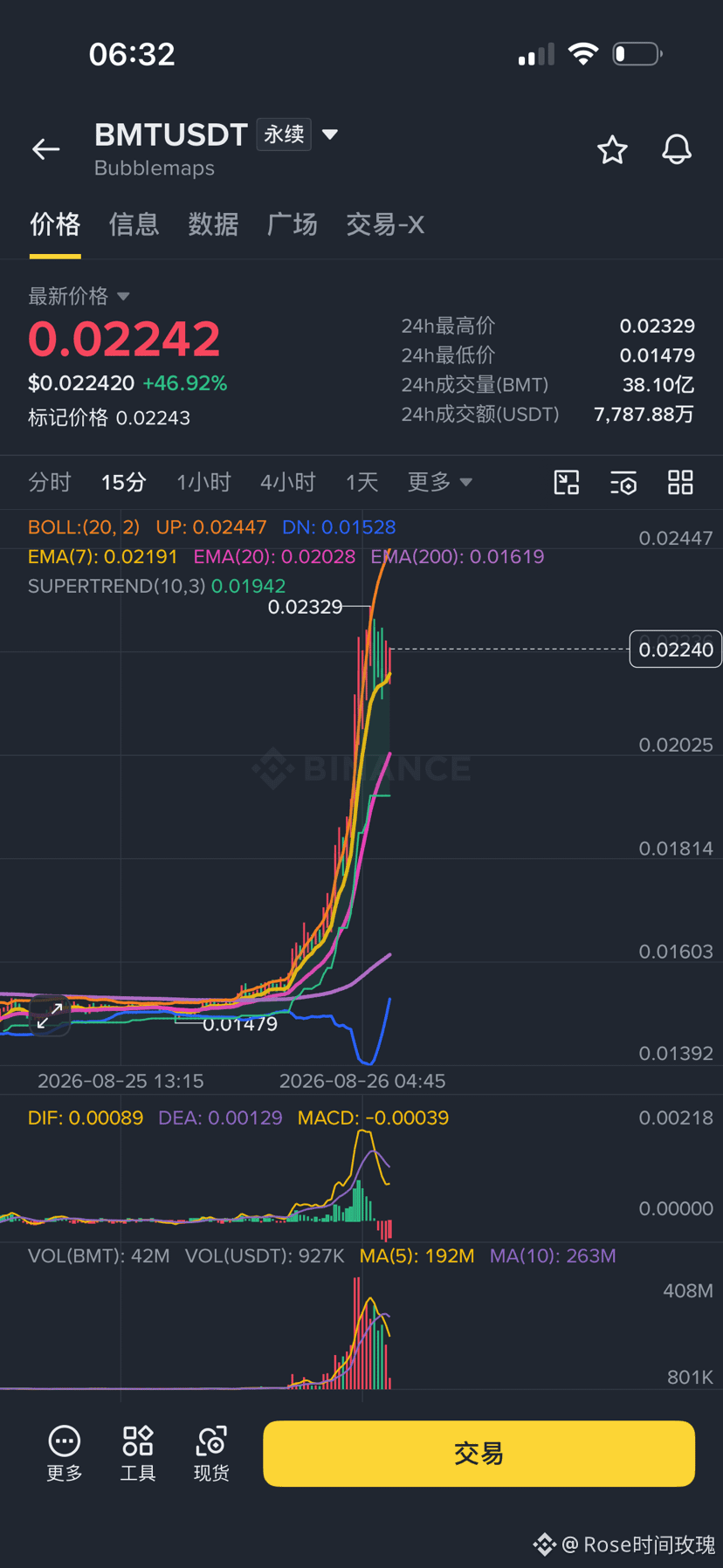
“I almost threw the trading software into the trash.”
For weeks, the counterfeit coins have been lifeless—green K-lines are like a legend. Every day I just stare blankly at the BTC dominance rate, my mindset is about to collapse.
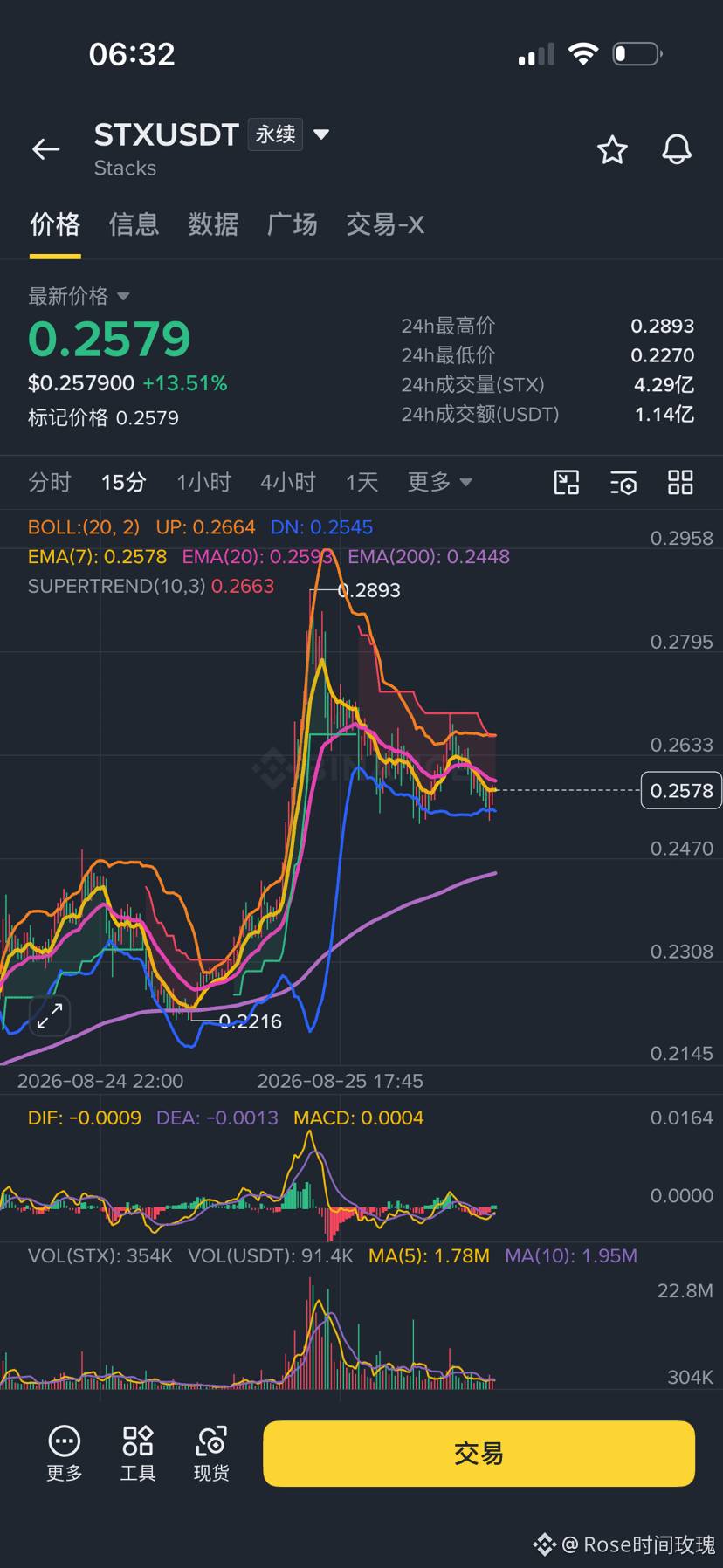
Turns out today I casually glanced at the gainers list—$BMT +48%, $ONG +15%, $STX +14%. None of them are big names in the top ten; they’re all small-cap coins quietly running their own independent moves.
For weeks, the counterfeit coins have been lifeless—green K-lines are like a legend. Every day I just stare blankly at the BTC dominance rate, my mindset is about to collapse.
Turns out today I casually glanced at the gainers list—$BMT +48%, $ONG +15%, $STX +14%. None of them are big names in the top ten; they’re all small-cap coins quietly running their own independent moves.
#dusk $DUSK @Dusk Transaction display “Success”—does that really mean it’s done?
Last night, while going through Dusk’s developer documentation, I noticed a detail I hadn’t paid much attention to before.
After a transaction is submitted, the node returns 202 Accepted—which only means the request has been received and is being processed. It does not mean the transaction has already completed.
Keep reading and you’ll see that it still has to go through admission, the mempool, block selection, and execution.
And even after execution, it still isn’t over.
Because a block that has already been accepted could still be rolled back.
Only when the block reaches the finalized state does the transaction truly gain finality.
I find this detail pretty interesting.
When we normally say “transaction success,” we’re actually mixing together several completely different states:
Whether the node received it is not the same as whether the network accepted it;
being included in a block is not the same as successful execution;
and successful execution is not the same as final settlement.
For ordinary transfers, these may just be differences between a few states.
But what if, in the future, the chain is running securities, payments, or other financial assets?
Then “pretty much successful” is obviously not enough.
What really needs answering is:
At which state exactly do the rights and obligations over the asset truly change?
That’s also one angle I’ve recently used to re-understand Dusk’s “deterministic settlement.”
What it truly needs to solve may never have been only making transactions faster, but rather ensuring participants clearly know:
when they can stop waiting, and when they can truly treat the transaction as already completed.
That might be what the phrase “transaction completed” really means in financial infrastructure.
@Dusk $DUSK #DUSK
Last night, while going through Dusk’s developer documentation, I noticed a detail I hadn’t paid much attention to before.
After a transaction is submitted, the node returns 202 Accepted—which only means the request has been received and is being processed. It does not mean the transaction has already completed.
Keep reading and you’ll see that it still has to go through admission, the mempool, block selection, and execution.
And even after execution, it still isn’t over.
Because a block that has already been accepted could still be rolled back.
Only when the block reaches the finalized state does the transaction truly gain finality.
I find this detail pretty interesting.
When we normally say “transaction success,” we’re actually mixing together several completely different states:
Whether the node received it is not the same as whether the network accepted it;
being included in a block is not the same as successful execution;
and successful execution is not the same as final settlement.
For ordinary transfers, these may just be differences between a few states.
But what if, in the future, the chain is running securities, payments, or other financial assets?
Then “pretty much successful” is obviously not enough.
What really needs answering is:
At which state exactly do the rights and obligations over the asset truly change?
That’s also one angle I’ve recently used to re-understand Dusk’s “deterministic settlement.”
What it truly needs to solve may never have been only making transactions faster, but rather ensuring participants clearly know:
when they can stop waiting, and when they can truly treat the transaction as already completed.
That might be what the phrase “transaction completed” really means in financial infrastructure.
@Dusk $DUSK #DUSK
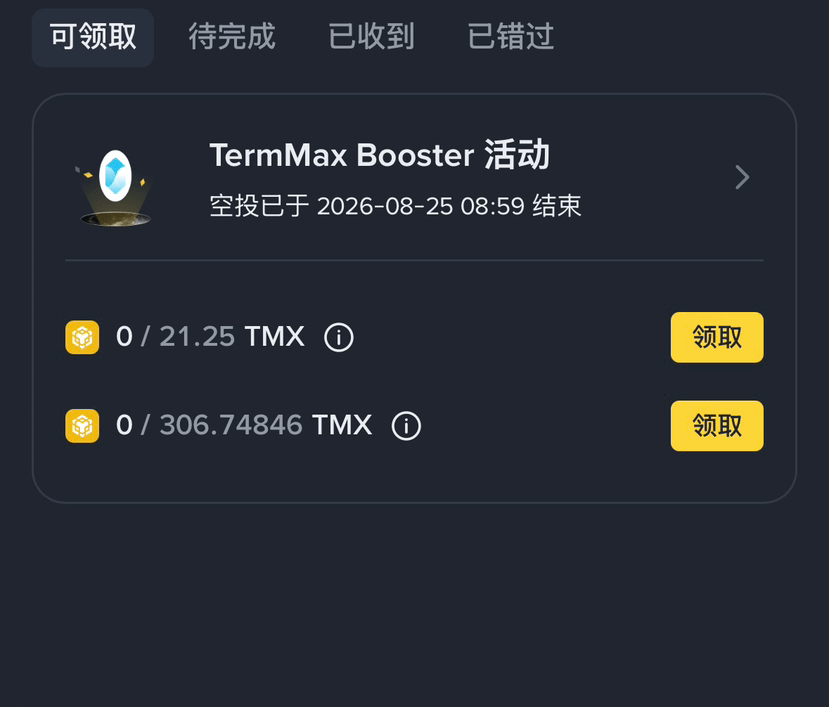
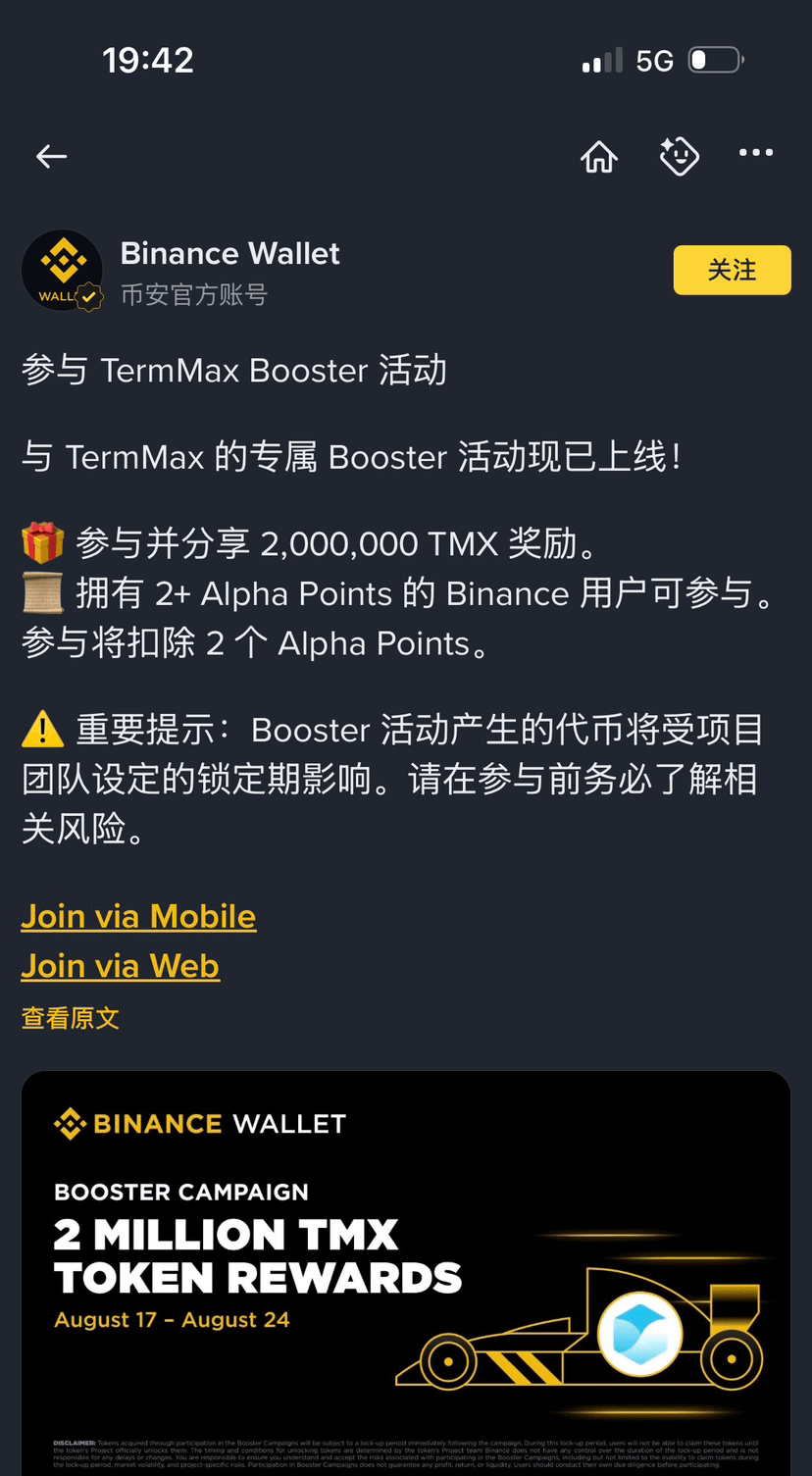
Binance Wallet @TermMax Booster Airdrop has ended! Check your rewards now—don’t miss out on claiming. $TMX
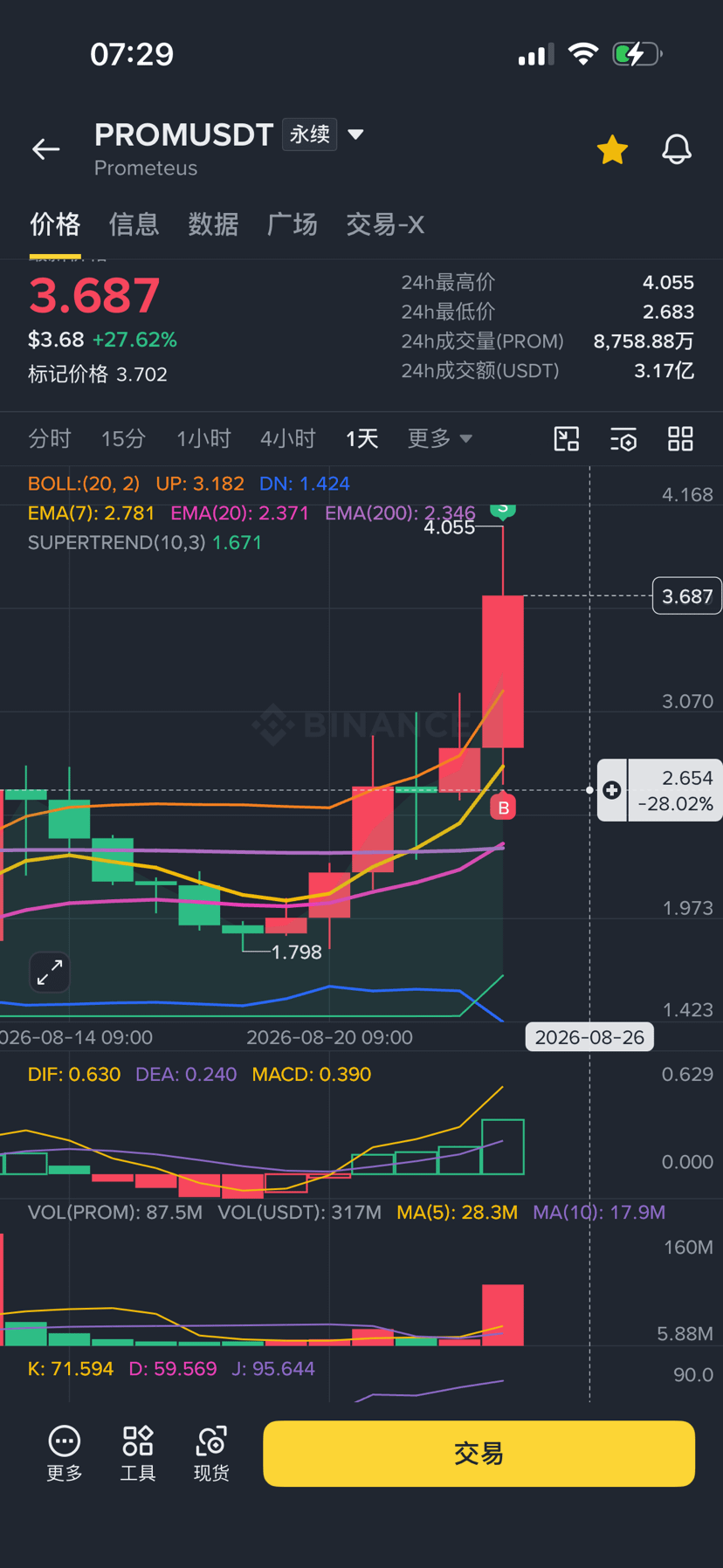
$VELVET One day drops 77%—from heaven to hell; the legs that tried to bottom are trembling, and the hands that stayed in cash are itching! $PROM still rockets forward, and the heat is surging into the top five—did you once again snap your thigh? $CLO pretending to be dead and staying put—are you waiting for a surge, or for a blow-up?
The market gives you two doors: greed on the left, fear on the right.
Today, which door do you push?
The market gives you two doors: greed on the left, fear on the right.
Today, which door do you push?
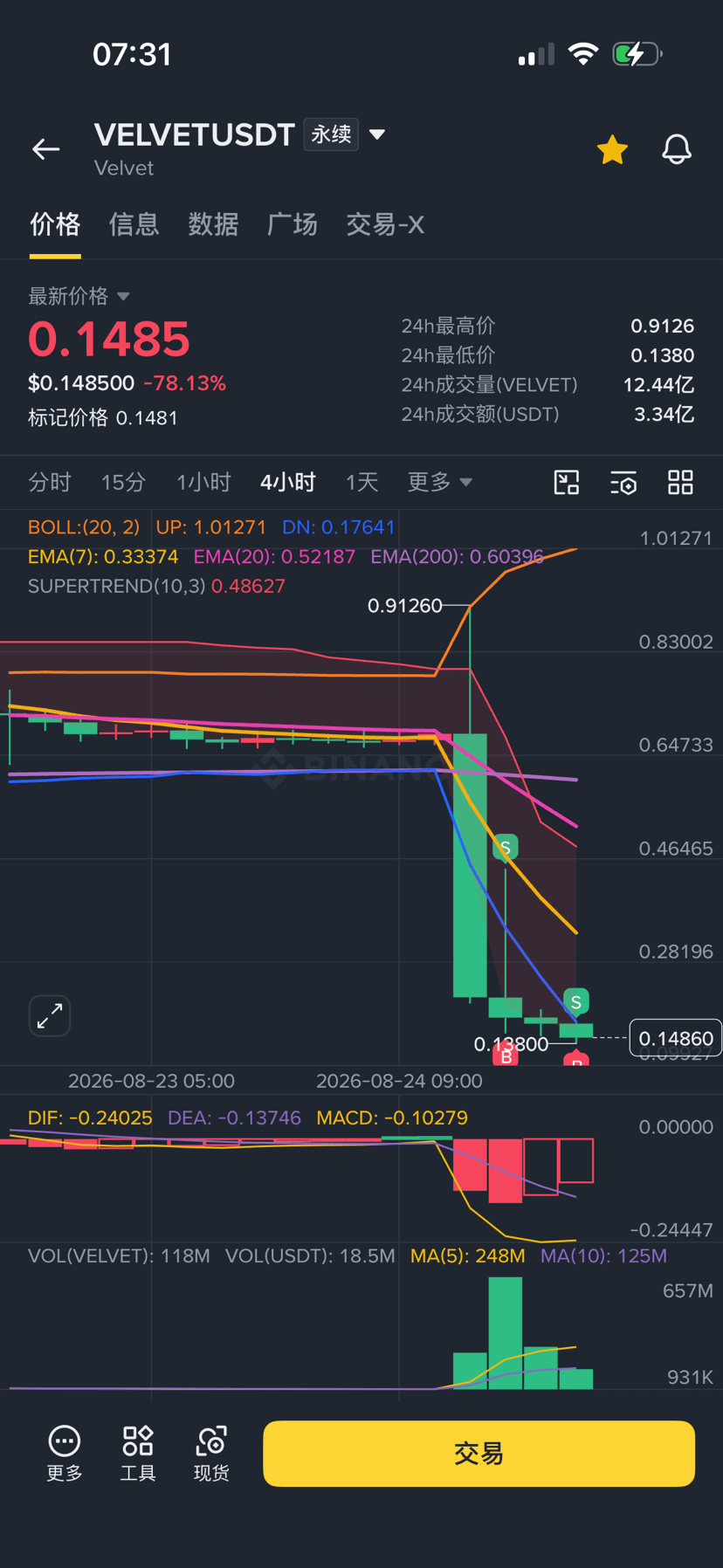
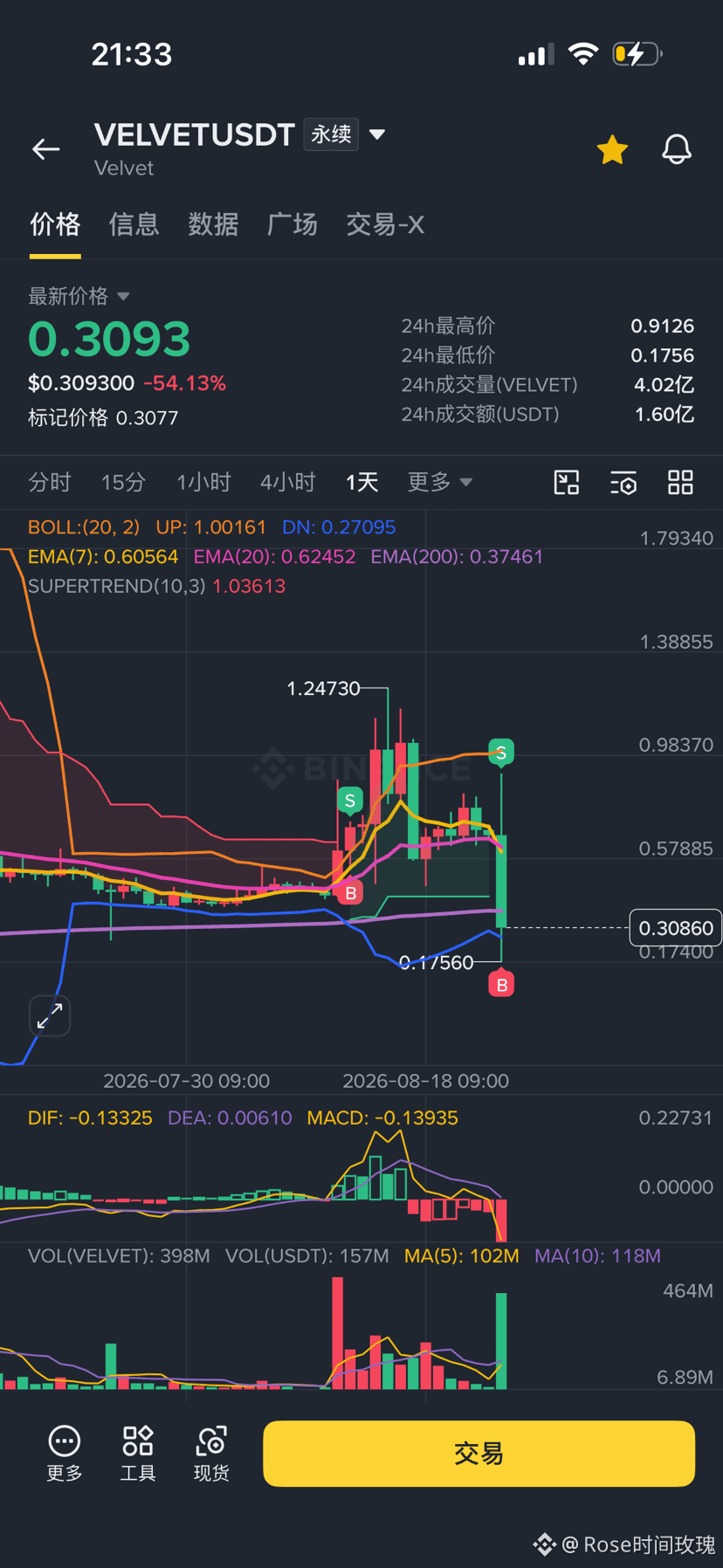
$VELVET After the massive quake, the cold has not yet faded
In 24 hours, it fell from 0.91 to 0.17—those who bought the dip have been replaced by others, again and again.
A low-volume rebound with the Bollinger Bands tightening—are we building up power, or just catching our breath?
EMA200 is far away at 0.53. The moving averages remain in bearish alignment, with each bullish candle walking across an icy surface.
A MACD golden cross has just begun to appear, but volume is not keeping up—be careful not to mistake a brief retracement for a real turn.
A breakout/inflection is imminent, but the direction is still unclear.
Protect your principal—it's more important than betting on direction.
In 24 hours, it fell from 0.91 to 0.17—those who bought the dip have been replaced by others, again and again.
A low-volume rebound with the Bollinger Bands tightening—are we building up power, or just catching our breath?
EMA200 is far away at 0.53. The moving averages remain in bearish alignment, with each bullish candle walking across an icy surface.
A MACD golden cross has just begun to appear, but volume is not keeping up—be careful not to mistake a brief retracement for a real turn.
A breakout/inflection is imminent, but the direction is still unclear.
Protect your principal—it's more important than betting on direction.
#dusk $DUSK @Dusk Transaction details are all hidden—how does the blockchain know the status is correct?
When I was researching Dusk, I kept thinking about one question:
If the amount of a transaction, the sender, and even the exact destination can all be hidden, how does the blockchain know that the transaction is actually valid?
Moonlight and Phoenix gave me a very intuitive entry point.
Moonlight is a public, account-based transaction model: balances, sender, recipient, and amount can all be observed; Phoenix puts funds into encrypted notes and uses zero-knowledge proofs to verify that the funds are sufficient and that there is no double-spending—without needing to reveal all those transaction details.
At first glance, they seem like two completely different ledger logics.
But as I went deeper, I found that in the end they both have to answer the same question:
After this transaction happens, what should the global state become?
Dusk’s Transfer Contract plays that role—it takes different types of transaction payloads, routes them to the corresponding verification logic, and ultimately lets the state transitions of both models enter the same global state update mechanism.
That made me rethink what “private transactions” really mean.
Privacy is not something that ends once you hide the transaction.
The real difficulty is this:
Information doesn’t have to be public, but the state cannot be ambiguous.
Phoenix can hide transaction details, yet it must still prove that the funds aren’t being reused; Moonlight can reveal balances, but it still has to advance the state correctly according to the account and the nonce (transaction sequence number). In the end, both models must land on a deterministic state transition.
So what I care about now isn’t:
How much transaction information can Dusk hide?
It’s:
When different participants see completely different information, how does the network ensure that everyone ultimately agrees on the same final state?
If it can’t be solved, privacy can only be “hiding.”
If it can be solved, privacy can truly become part of the financial infrastructure.
@Dusk $DUSK #DUSK
When I was researching Dusk, I kept thinking about one question:
If the amount of a transaction, the sender, and even the exact destination can all be hidden, how does the blockchain know that the transaction is actually valid?
Moonlight and Phoenix gave me a very intuitive entry point.
Moonlight is a public, account-based transaction model: balances, sender, recipient, and amount can all be observed; Phoenix puts funds into encrypted notes and uses zero-knowledge proofs to verify that the funds are sufficient and that there is no double-spending—without needing to reveal all those transaction details.
At first glance, they seem like two completely different ledger logics.
But as I went deeper, I found that in the end they both have to answer the same question:
After this transaction happens, what should the global state become?
Dusk’s Transfer Contract plays that role—it takes different types of transaction payloads, routes them to the corresponding verification logic, and ultimately lets the state transitions of both models enter the same global state update mechanism.
That made me rethink what “private transactions” really mean.
Privacy is not something that ends once you hide the transaction.
The real difficulty is this:
Information doesn’t have to be public, but the state cannot be ambiguous.
Phoenix can hide transaction details, yet it must still prove that the funds aren’t being reused; Moonlight can reveal balances, but it still has to advance the state correctly according to the account and the nonce (transaction sequence number). In the end, both models must land on a deterministic state transition.
So what I care about now isn’t:
How much transaction information can Dusk hide?
It’s:
When different participants see completely different information, how does the network ensure that everyone ultimately agrees on the same final state?
If it can’t be solved, privacy can only be “hiding.”
If it can be solved, privacy can truly become part of the financial infrastructure.
@Dusk $DUSK #DUSK
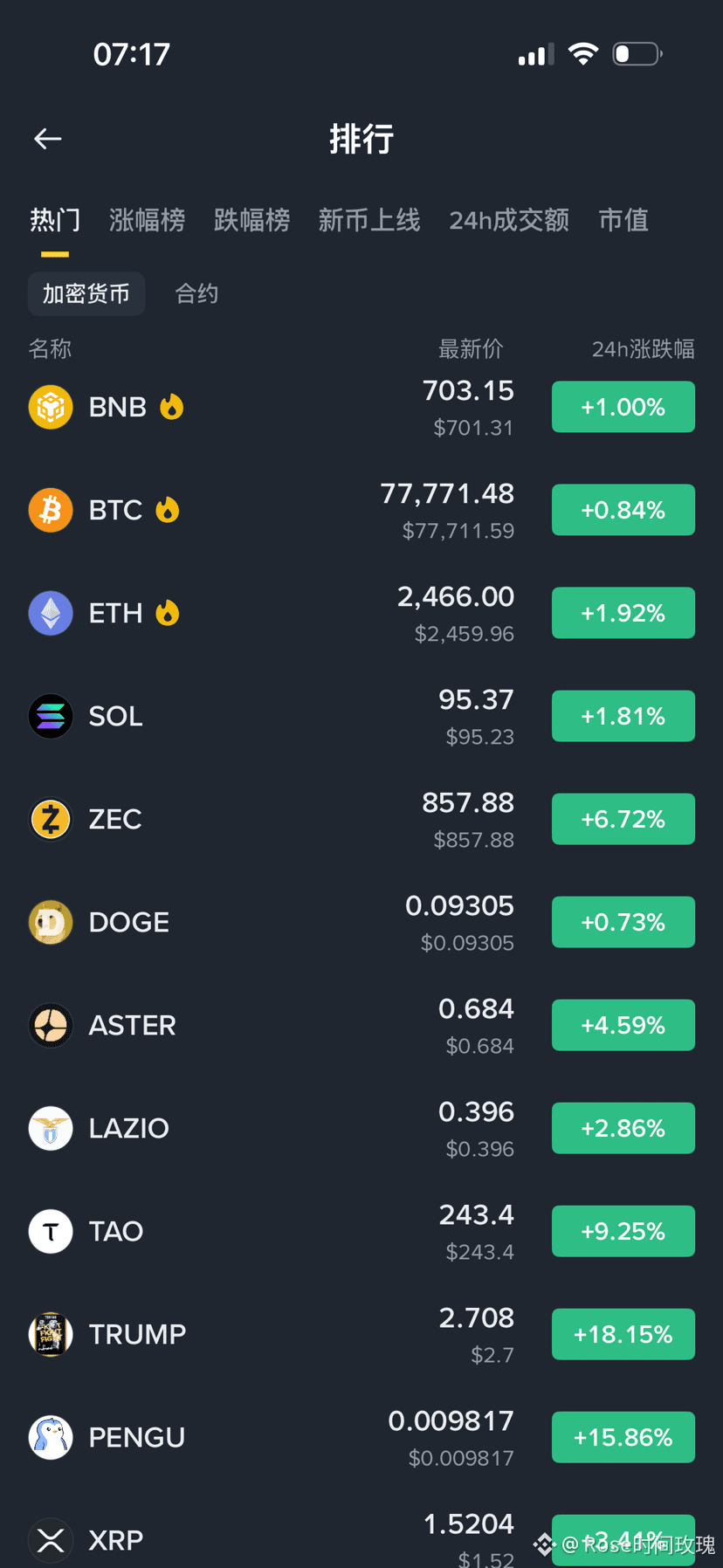
Making money still depends on the overall market. $BNB $BTC first stay steady; then $ETH starts to show clear momentum, and market sentiment warms up as well. With the U.S. midterm elections approaching, expectations for improved crypto regulation, along with ETF capital returning, have become key catalysts for this rally. Once the main market starts generating profit opportunities, it’s easier for funds to spread out into smaller altcoins. Look at the overall market first, then look for opportunities. #比特币创2023年3月来最强周涨幅 #标普500结束周线连涨
Partly True
#dusk $DUSK @Dusk After financial assets are put on-chain, who has the authority to tell the chain what the on-chain “price is”?
While researching Dusk, I’ve recently been thinking about a very specific question:
If a stock, bond, or other financial asset has already been brought onto the chain, then who, exactly, should the chain believe when it comes to the price provided?
A blockchain can verify transactions on-chain, but the price itself is not native information that exists on-chain.
This means that once financial assets start trading on-chain, the Oracle is no longer just a tool for supplying data.
In practice, it determines what the on-chain system treats as the “real-world price.”
Continuing to dig into this question in Dusk, I noticed that the Oracle layer actually has many additional details.
In the relevant design, different assets can configure their Oracles independently, restrict key changes with time locks, and still retain a mechanism to switch to backup Oracles.
This led me to rethink how Oracles work in financial scenarios.
In ordinary DeFi, an incorrect price might mean a liquidation error.
But if the asset is replaced with securities or other regulated assets, incorrect data can further affect trading, valuation, and even the asset’s entire lifecycle.
So the real question might not be:
“Does Dusk have an Oracle?”
But rather:
When on-chain needs to rely on off-chain information, who is authorized to provide it? Who can modify it? If the Oracle truly fails, should the asset pause trading, or should it continue using the old price?
I think this is the fundamental infrastructure issue that’s easy to overlook, but impossible to bypass, once financial assets are actually brought onto the chain.
Because what a blockchain solves is whether the on-chain state is trustworthy.
And what the Oracle needs to solve is whether the real-world that the chain sees is truly real or not.
@Dusk $DUSK #DUSK
While researching Dusk, I’ve recently been thinking about a very specific question:
If a stock, bond, or other financial asset has already been brought onto the chain, then who, exactly, should the chain believe when it comes to the price provided?
A blockchain can verify transactions on-chain, but the price itself is not native information that exists on-chain.
This means that once financial assets start trading on-chain, the Oracle is no longer just a tool for supplying data.
In practice, it determines what the on-chain system treats as the “real-world price.”
Continuing to dig into this question in Dusk, I noticed that the Oracle layer actually has many additional details.
In the relevant design, different assets can configure their Oracles independently, restrict key changes with time locks, and still retain a mechanism to switch to backup Oracles.
This led me to rethink how Oracles work in financial scenarios.
In ordinary DeFi, an incorrect price might mean a liquidation error.
But if the asset is replaced with securities or other regulated assets, incorrect data can further affect trading, valuation, and even the asset’s entire lifecycle.
So the real question might not be:
“Does Dusk have an Oracle?”
But rather:
When on-chain needs to rely on off-chain information, who is authorized to provide it? Who can modify it? If the Oracle truly fails, should the asset pause trading, or should it continue using the old price?
I think this is the fundamental infrastructure issue that’s easy to overlook, but impossible to bypass, once financial assets are actually brought onto the chain.
Because what a blockchain solves is whether the on-chain state is trustworthy.
And what the Oracle needs to solve is whether the real-world that the chain sees is truly real or not.
@Dusk $DUSK #DUSK
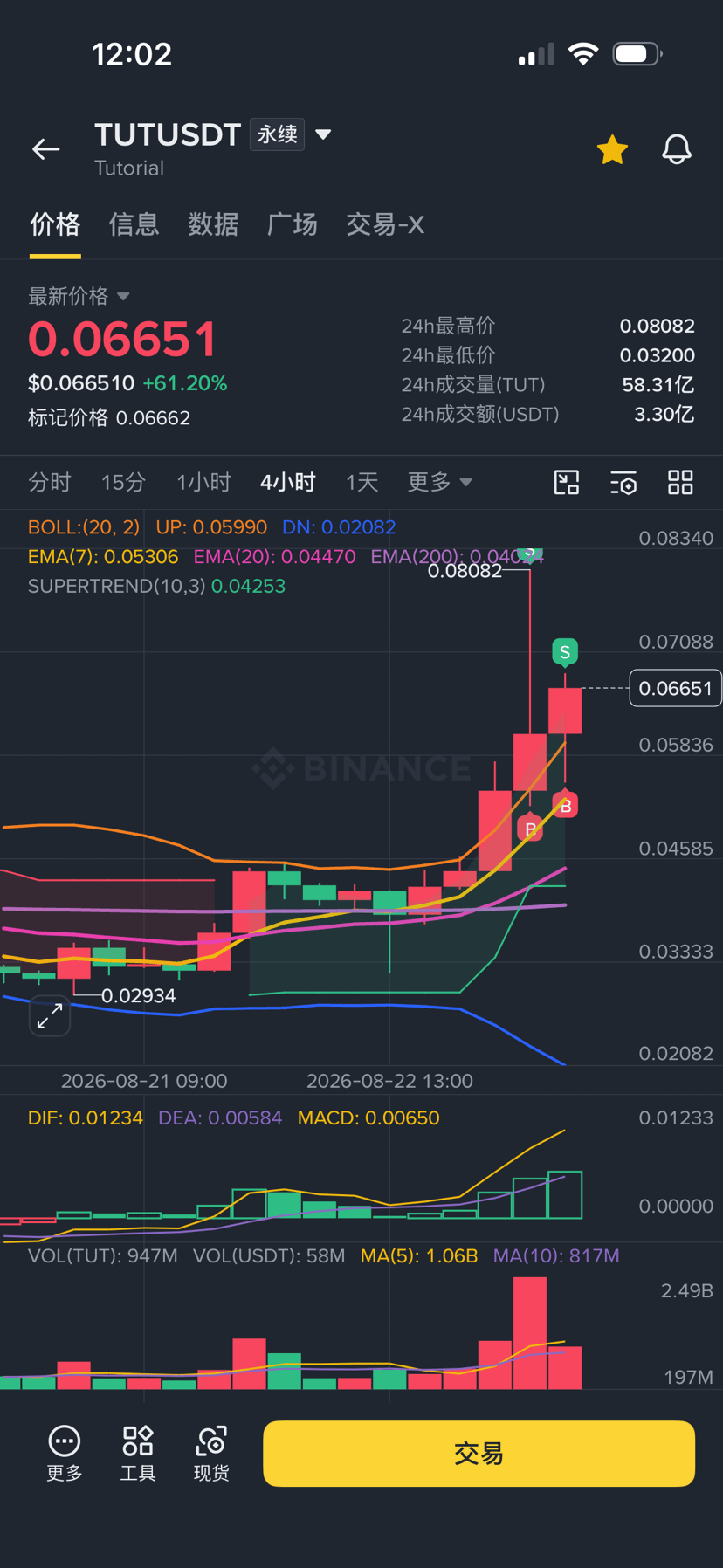
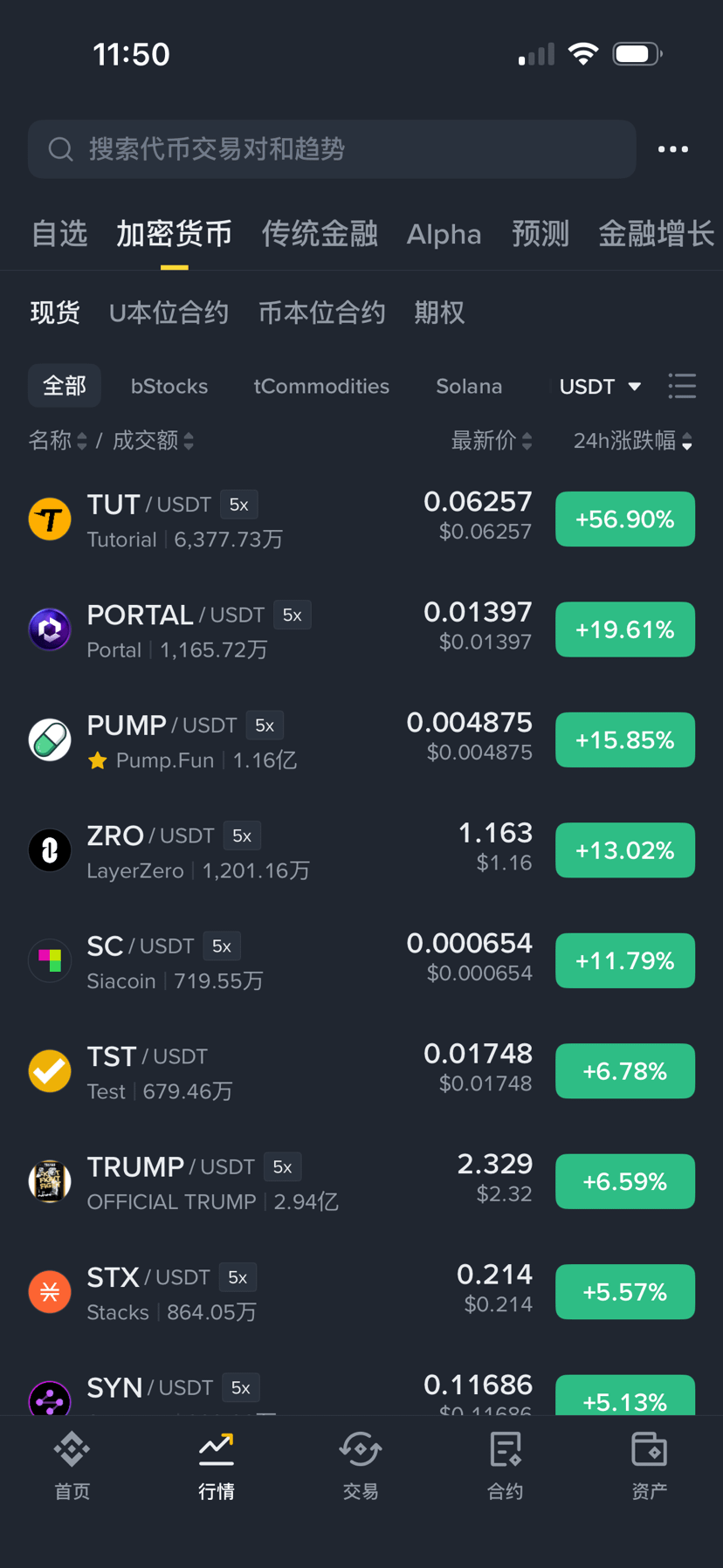
The top spot changes hands: $TUT , with a 56% surge, outshines all others. The counterfeit tide keeps pounding against the candlesticks, repeatedly honing both the chart and the resolve of those holding cash. $PUMP remains silent amid the fluctuations, biding its power. $TRUMP waits for the catalyst of value. Through all trials and tribulations, they forge the sword that will break the stalemate—when the wind rises, it will be the moment they cut through the fog and go straight for the heavens. Waiting for dawn, ready for the wind to come.
Verified
#dusk $DUSK @Dusk Assets Have Been Tokenized—Is That Really the End?
In the past, I thought the hardest part of RWA was turning real-world assets into a Token.
But over the past few days as I’ve continued researching Dusk, I’ve started to think the real trouble might be what happens after the Token exists.
After a security is placed on-chain, who verifies investors’ eligibility?
Who records true ownership?
When an asset is transferred, how do we confirm that the receiving party is qualified?
And what about dividends, coupon payments, and redemptions during the holding period?
If these matters are still scattered across different off-chain systems, while on-chain only adds an extra Token—have we truly completed tokenizing the asset, or have we merely created another ledger?
This question led me to revisit Dusk’s recent emphasis on Native Issuance.
It’s different from plain Tokenization.
Tokenization might simply map assets that originally existed off-chain into Tokens on-chain. Native Issuance goes further: from issuance onward, the asset is designed to be held, transferred, and managed based on on-chain state.
Going deeper into Dusk’s Market Infrastructure and Dusk Trade, I found that its focus isn’t only on “how to issue the asset.” It also covers whether investor access, ownership, transfer, trading, payments, settlement, and subsequent asset services can all be integrated into a continuous end-to-end process.
This has made me start to understand RWA again.
The real difficulty may never have been turning assets into Tokens.
Instead, it may be whether, after tokenization, this asset can truly keep operating like a financial asset over time.
So what I want to keep studying now is:
When a security runs on-chain from issuance through redemption, what state truly represents the asset?
This may be the question that RWA really needs to answer as it moves from “being on-chain” toward “financial infrastructure.”
@Dusk $DUSK #DUSK
In the past, I thought the hardest part of RWA was turning real-world assets into a Token.
But over the past few days as I’ve continued researching Dusk, I’ve started to think the real trouble might be what happens after the Token exists.
After a security is placed on-chain, who verifies investors’ eligibility?
Who records true ownership?
When an asset is transferred, how do we confirm that the receiving party is qualified?
And what about dividends, coupon payments, and redemptions during the holding period?
If these matters are still scattered across different off-chain systems, while on-chain only adds an extra Token—have we truly completed tokenizing the asset, or have we merely created another ledger?
This question led me to revisit Dusk’s recent emphasis on Native Issuance.
It’s different from plain Tokenization.
Tokenization might simply map assets that originally existed off-chain into Tokens on-chain. Native Issuance goes further: from issuance onward, the asset is designed to be held, transferred, and managed based on on-chain state.
Going deeper into Dusk’s Market Infrastructure and Dusk Trade, I found that its focus isn’t only on “how to issue the asset.” It also covers whether investor access, ownership, transfer, trading, payments, settlement, and subsequent asset services can all be integrated into a continuous end-to-end process.
This has made me start to understand RWA again.
The real difficulty may never have been turning assets into Tokens.
Instead, it may be whether, after tokenization, this asset can truly keep operating like a financial asset over time.
So what I want to keep studying now is:
When a security runs on-chain from issuance through redemption, what state truly represents the asset?
This may be the question that RWA really needs to answer as it moves from “being on-chain” toward “financial infrastructure.”
@Dusk $DUSK #DUSK
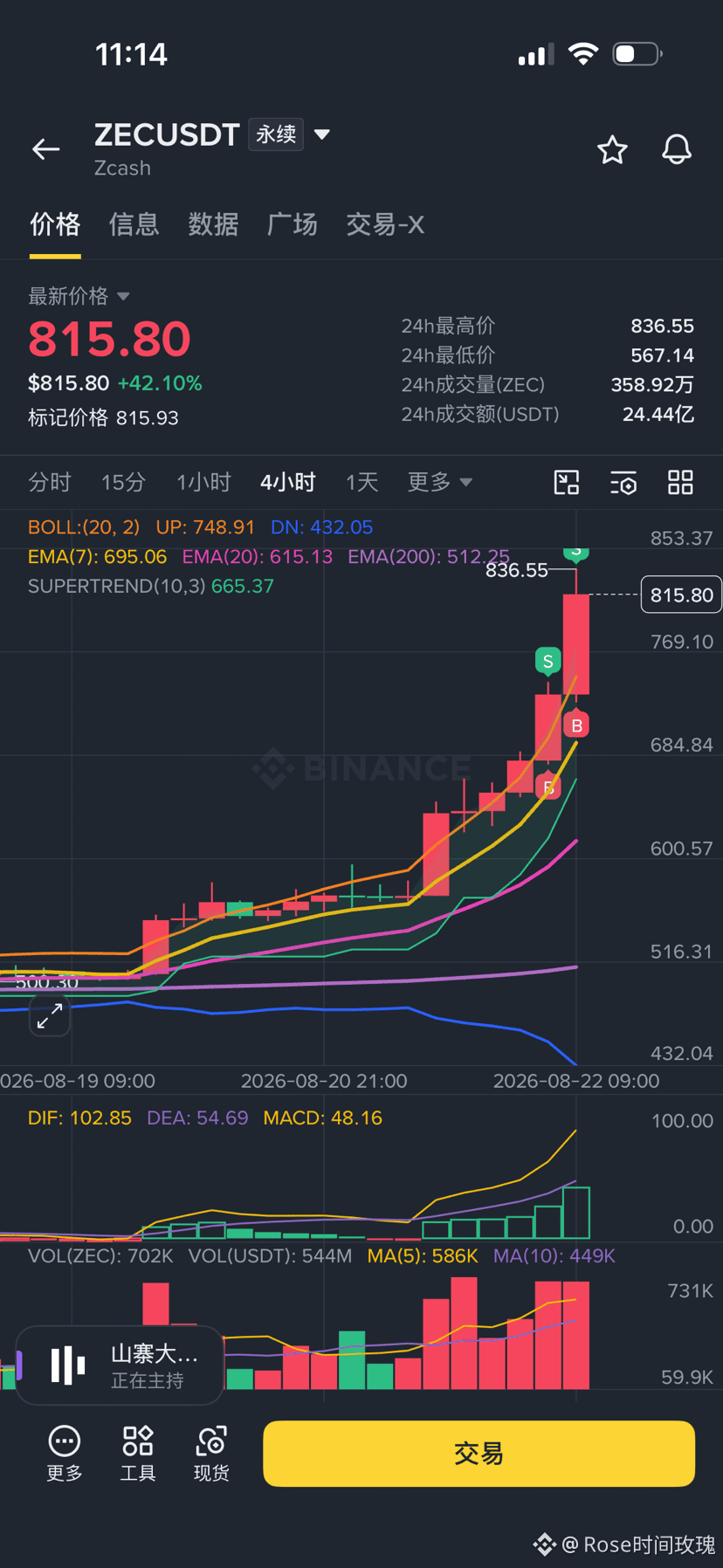
$ZEC This giant bullish candle just absolutely blew up the whole scene! In 24 hours, it jumped over 42%—ripping it up from 567 to 836, with trading volume surging to 2.4 billion USDT. The shorts were basically pinned to the ground and rubbed. All moving averages have been fully broken through, and the SuperTrend is far below. The bulls are surging like unstoppable momentum. Guess the ones who were shorting on the plaza are crying so hard they’re dizzy in the bathroom already. Those who chased shorts and those holding leveraged positions—this wave swept them all away. This is what a violent weekend for altcoins tastes like—but don’t just watch the show. Such extreme market moves come fast and disappear just as fast.
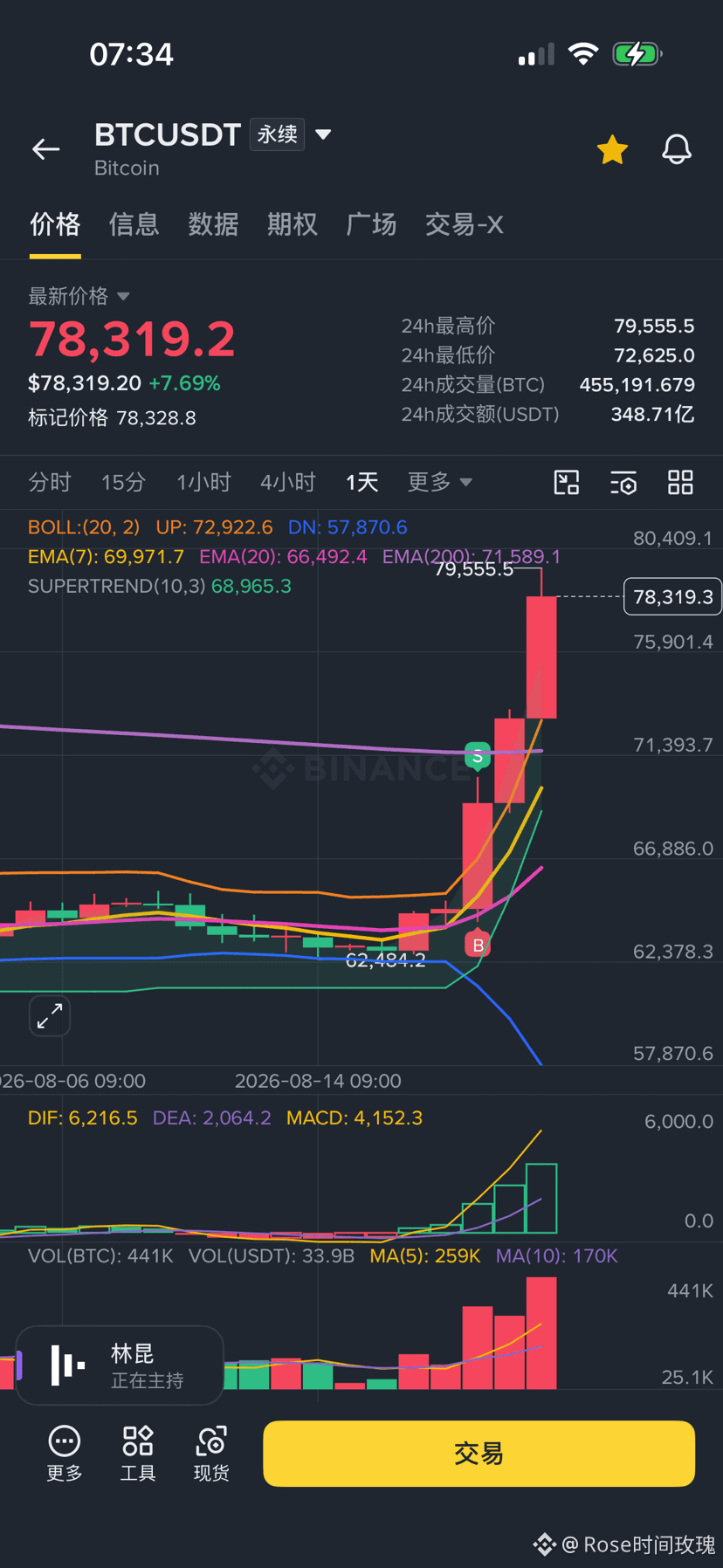
$BTC a long bullish candle pulls back above 78,000 USD, $ETH $ rises more than 9% in sync, both holding steady above the SuperTrend and EMA200
The short-term trend is clearly turning bullish. But the 4-hour indicators are already in the overbought zone, so chasing higher offers limited cost-effectiveness.
In this surge, how many have their short positions trapped at the foot of the mountain, and how many are already missing the move and kicking themselves? The market always breaks out amid hesitation. Next, wait for a pullback to support, see it stabilize, then go long on the dip—not chasing, not panic-selling. Patience wins more than slapping your thigh.
The short-term trend is clearly turning bullish. But the 4-hour indicators are already in the overbought zone, so chasing higher offers limited cost-effectiveness.
In this surge, how many have their short positions trapped at the foot of the mountain, and how many are already missing the move and kicking themselves? The market always breaks out amid hesitation. Next, wait for a pullback to support, see it stabilize, then go long on the dip—not chasing, not panic-selling. Patience wins more than slapping your thigh.
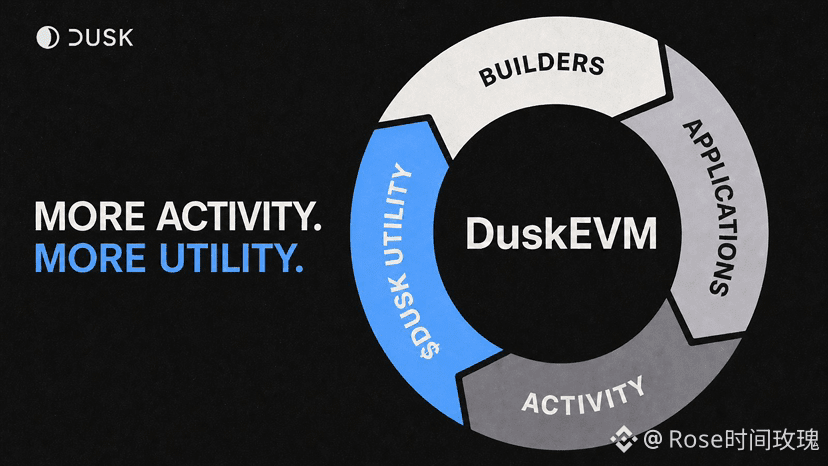
#dusk $DUSK @Dusk Day 9|After securities are put on-chain, should all information be public?
While continuing to study @Dusk , I encountered a question that made me pause:
If stocks, bonds, and other securities are truly moved onto the blockchain, should all transaction information be fully public?
Blockchain transparency is obviously valuable, but when placed in real financial markets, I feel it’s not that simple.
Investors need to confirm what they bought; counterparties need to confirm that trades are legitimate; issuers need to manage assets; and regulators must be able to review when necessary.
But that doesn’t mean everyone should see the exact same information.
As I continued looking into Dusk, I realized it’s not simply a choice between “public” and “hidden.”
1|Some information needs to be public anyway
Moonlight is a public-account model. Transaction information can be observed, making it suitable for scenarios that require transparent records. (DOCS)
2|Some information doesn’t need to be seen by everyone
Phoenix uses a privacy-preserving trading model. It verifies transaction validity using zero-knowledge proofs while hiding transaction details that don’t need to be exposed. (DOCS)
3|What truly interests me is the middle layer
If transactions aren’t fully public, what should regulators do?
Dusk mentions selective disclosure: an authorized party can obtain the relevant information when needed, rather than directly exposing complete financial data to the entire market. (DOCS)
This made me start rethinking “financial privacy.”
It may not be about hiding information, but about letting information flow according to different participants and different scenarios.
So what I want to continue researching isn’t:
Whether Dusk can hide transactions.
But:
Once securities truly enter the chain, who should be able to see what?
If this is not done well, privacy and compliance may still end up as two issues that constantly pull against each other.
And if it really is possible to bring both together, that’s exactly where I think Dusk is worth continuing to study.
@Dusk $DUSK #DUSK
While continuing to study @Dusk , I encountered a question that made me pause:
If stocks, bonds, and other securities are truly moved onto the blockchain, should all transaction information be fully public?
Blockchain transparency is obviously valuable, but when placed in real financial markets, I feel it’s not that simple.
Investors need to confirm what they bought; counterparties need to confirm that trades are legitimate; issuers need to manage assets; and regulators must be able to review when necessary.
But that doesn’t mean everyone should see the exact same information.
As I continued looking into Dusk, I realized it’s not simply a choice between “public” and “hidden.”
1|Some information needs to be public anyway
Moonlight is a public-account model. Transaction information can be observed, making it suitable for scenarios that require transparent records. (DOCS)
2|Some information doesn’t need to be seen by everyone
Phoenix uses a privacy-preserving trading model. It verifies transaction validity using zero-knowledge proofs while hiding transaction details that don’t need to be exposed. (DOCS)
3|What truly interests me is the middle layer
If transactions aren’t fully public, what should regulators do?
Dusk mentions selective disclosure: an authorized party can obtain the relevant information when needed, rather than directly exposing complete financial data to the entire market. (DOCS)
This made me start rethinking “financial privacy.”
It may not be about hiding information, but about letting information flow according to different participants and different scenarios.
So what I want to continue researching isn’t:
Whether Dusk can hide transactions.
But:
Once securities truly enter the chain, who should be able to see what?
If this is not done well, privacy and compliance may still end up as two issues that constantly pull against each other.
And if it really is possible to bring both together, that’s exactly where I think Dusk is worth continuing to study.
@Dusk $DUSK #DUSK
#termmax @TermMax 25号 TGE is getting closer, and I actually want to verify something more than ever
On the 25th, as the TGE gets closer, the community’s sentiment has definitely become noticeably stronger lately.
I’ve been following TermMax all the way to this point—the milestone on the 25th. Saying I have no expectations would be a lie. After all, we’re finally at the moment where results can be seen.
But the closer it gets, the more I want to verify one question.
I went back through the TermMax whitepaper and found that line again:
“TMX isn’t funding a roadmap. The protocol is thriving.”
If what the team truly means is that TMX isn’t raising money to fund a future roadmap, but instead is issuing tokens on a protocol that is already running.
Then after the TGE, what we should really be looking at isn’t just how much TMX can get, or what the price will be.
I want to come back to TermMax itself:
Have these products that are already built actually translated into real, ongoing usage?
For a lending protocol, TVL is certainly important—but I don’t think looking at TVL alone is enough.
Has the capital truly entered the lending market? Is there sustained borrowing demand? After continuous upgrades, has capital efficiency actually improved?
These might be the real key to judging whether a protocol is truly “running.”
So of course I’m looking forward to the 25th.
But for me, the TGE isn’t the end of the research—it’s the starting point of verification.
If TMX isn’t meant to fund a roadmap, then the next most worth watching question is:
Can TermMax use real protocol activity to prove the sentence it says?
@TermMax #TermMax
On the 25th, as the TGE gets closer, the community’s sentiment has definitely become noticeably stronger lately.
I’ve been following TermMax all the way to this point—the milestone on the 25th. Saying I have no expectations would be a lie. After all, we’re finally at the moment where results can be seen.
But the closer it gets, the more I want to verify one question.
I went back through the TermMax whitepaper and found that line again:
“TMX isn’t funding a roadmap. The protocol is thriving.”
If what the team truly means is that TMX isn’t raising money to fund a future roadmap, but instead is issuing tokens on a protocol that is already running.
Then after the TGE, what we should really be looking at isn’t just how much TMX can get, or what the price will be.
I want to come back to TermMax itself:
Have these products that are already built actually translated into real, ongoing usage?
For a lending protocol, TVL is certainly important—but I don’t think looking at TVL alone is enough.
Has the capital truly entered the lending market? Is there sustained borrowing demand? After continuous upgrades, has capital efficiency actually improved?
These might be the real key to judging whether a protocol is truly “running.”
So of course I’m looking forward to the 25th.
But for me, the TGE isn’t the end of the research—it’s the starting point of verification.
If TMX isn’t meant to fund a roadmap, then the next most worth watching question is:
Can TermMax use real protocol activity to prove the sentence it says?
@TermMax #TermMax
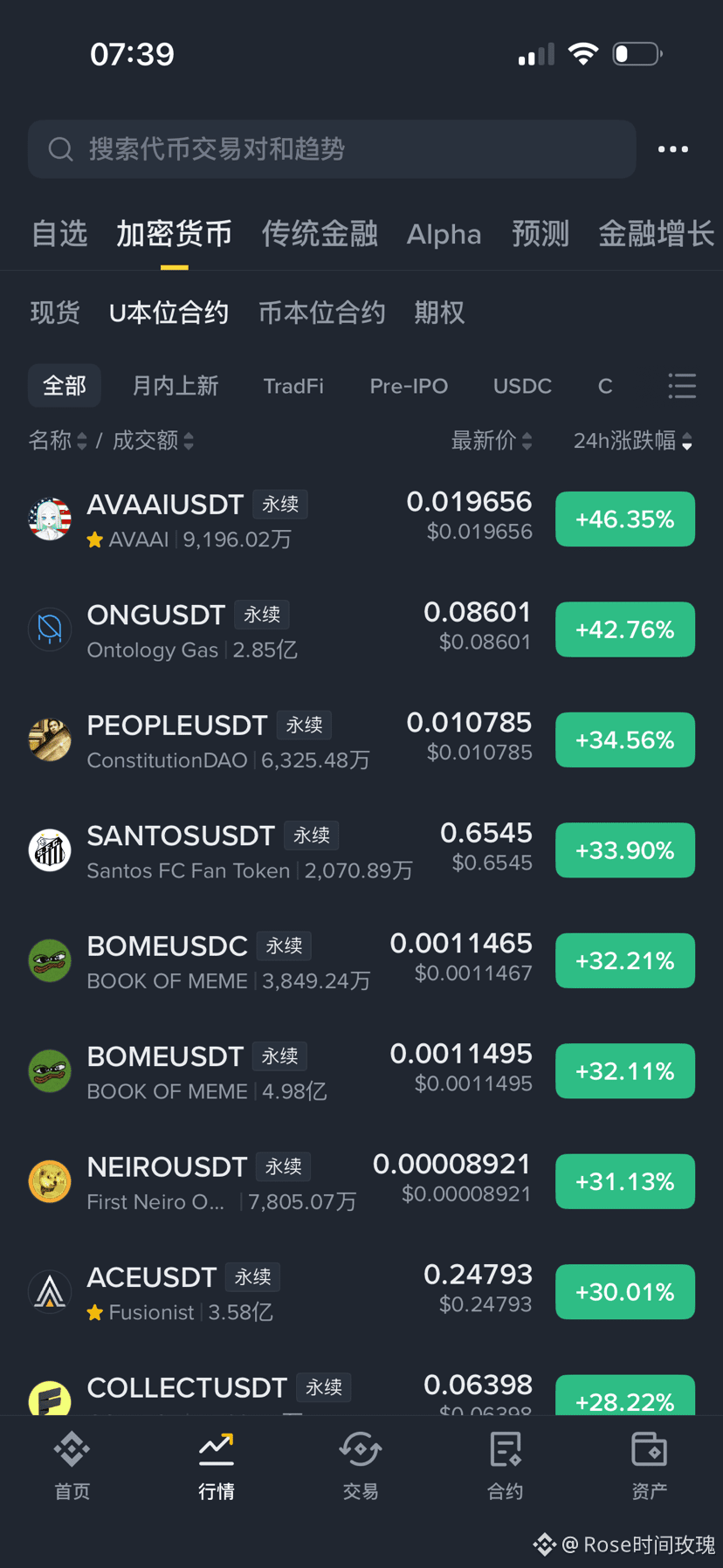
It’s the weekend and I’m opening a supermarket 😂😂😂 On the weekend, fake coins exploded all at once. $AVAAI surged more than 47% in a single day, with trading volume nearing 5 billion. It led the whole market. Coins like $ONG $PEOPLE followed up and jumped more than 30%, and market sentiment has clearly warmed up. Technically, the moving averages are bullish and the Bollinger Bands are opening—short-term trend is strong. — If something is strong, buy it; trade fast in and out to catch swings. But weekend liquidity may be thin—set take-profit and stop-loss, don’t be greedy, and run when you’ve made money. When the market is good, be bold; if the direction changes, retreat immediately. Simple and crude is the most effective.
Log in to explore more content