Two-year US Treasuries jump to 4.35% in one go—why do ETH bulls still dare to hold?
Two-year US Treasuries jump to 4.35% in one go—why do ETH bulls still dare to hold?
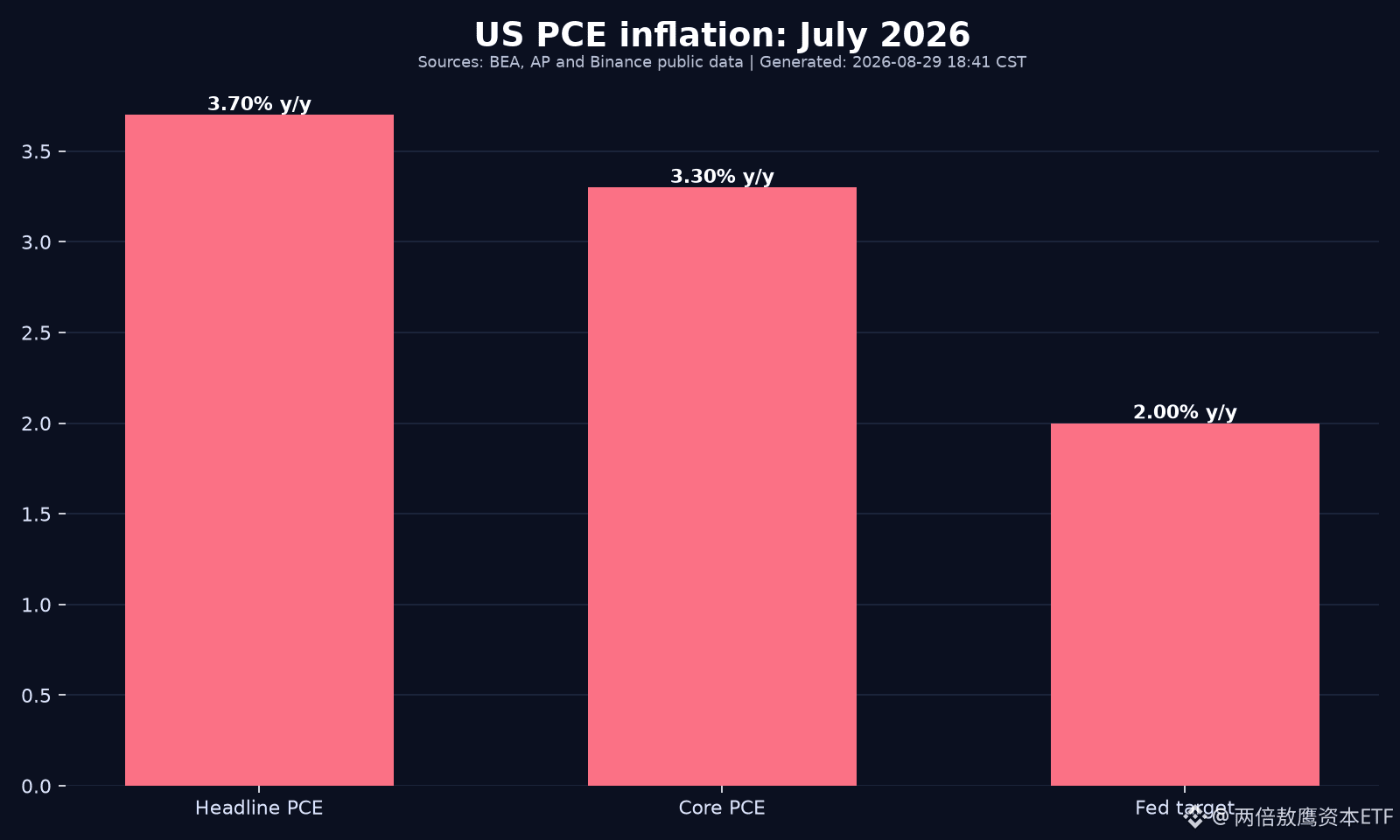
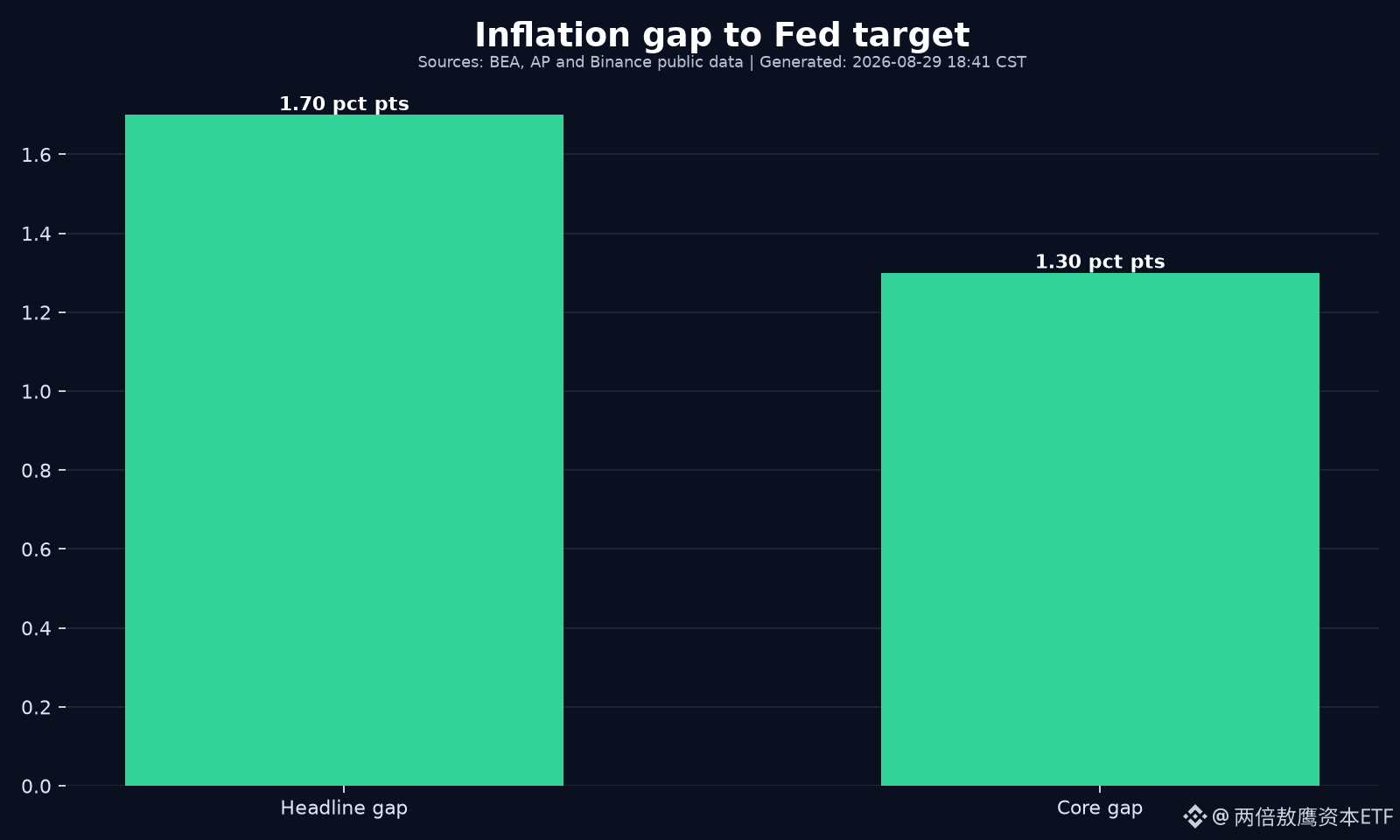
The fact: BEA reported July PCE year-on-year at 3.7% and core PCE year-on-year at 3.3%, both above the Fed’s 2% target. According to AP, Warsh said at Jackson Hole that inflation is still too high and that the Fed may raise rates if necessary. After his remarks, the yield on 2-year Treasuries rose from 4.22% to 4.35%, and the probability of a September rate hike increased from about 35% to nearly 58%. At the time of writing, Binance USDT-margined perpetuals show: $BTC around $77,645 (24h -2.10%), $ETH around $2,435 (-2.31%), and $BNB around $689 (-2.39%).
This time, the most important thing to watch isn’t the 10-year—it's the 2-year moving higher first. It more directly reflects the market’s repricing of policy rates: when short-end yields rise, the opportunity cost of holding dollar cash and short-dated Treasuries increases, and leverage tends to reduce tolerance for holding highly volatile positions.
The bulls aren’t without reason. Warsh didn’t commit to a September hike; even though PCE is higher year-on-year, the month-over-month increases were only 0.2%. If yields then pull back and the coin price retraces without breaking support, the speech may just trigger a round of position clean-up. The bears, however, will ask: since the rate-hike odds have already jumped, why still bet with high leverage that the market will immediately ignore it?
Derivatives traders especially need to distinguish between “volatility increasing” and “direction becoming clear.” The former has already happened after the remarks; the latter has not. When price rebounds and both trading volume and open interest pile up, another step up in short-end yields could become a de-leveraging catalyst. Conversely, when price falls and open interest declines and stabilizes, that’s a sign that leverage pressure has been released—and is generally safer.
Separate facts from speculation. The fact is that policy expectations have tightened, and the short end has already adjusted. The speculation is whether ETH and other high-beta coins will catch up on the downside—still requiring price confirmation. My view: I care more about how ETH reacts to rising rates than about labeling it as “resilient.” If yields keep climbing and ETH just chops sideways, the risk from crowded positioning is actually building.
Risk warning: Macro events aren’t a good time to set stop-losses far away, and certainly not a time to keep adding after taking losses.
#利率 #合约风险 $ETH $BTC
Getting the narrative right doesn’t mean you can withstand volatility.
Two-year US Treasuries jump to 4.35% in one go—why do ETH bulls still dare to hold?
The fact: BEA reported July PCE year-on-year at 3.7% and core PCE year-on-year at 3.3%, both above the Fed’s 2% target. According to AP, Warsh said at Jackson Hole that inflation is still too high and that the Fed may raise rates if necessary. After his remarks, the yield on 2-year Treasuries rose from 4.22% to 4.35%, and the probability of a September rate hike increased from about 35% to nearly 58%. At the time of writing, Binance USDT-margined perpetuals show: $BTC around $77,645 (24h -2.10%), $ETH around $2,435 (-2.31%), and $BNB around $689 (-2.39%).
This time, the most important thing to watch isn’t the 10-year—it's the 2-year moving higher first. It more directly reflects the market’s repricing of policy rates: when short-end yields rise, the opportunity cost of holding dollar cash and short-dated Treasuries increases, and leverage tends to reduce tolerance for holding highly volatile positions.
The bulls aren’t without reason. Warsh didn’t commit to a September hike; even though PCE is higher year-on-year, the month-over-month increases were only 0.2%. If yields then pull back and the coin price retraces without breaking support, the speech may just trigger a round of position clean-up. The bears, however, will ask: since the rate-hike odds have already jumped, why still bet with high leverage that the market will immediately ignore it?
Derivatives traders especially need to distinguish between “volatility increasing” and “direction becoming clear.” The former has already happened after the remarks; the latter has not. When price rebounds and both trading volume and open interest pile up, another step up in short-end yields could become a de-leveraging catalyst. Conversely, when price falls and open interest declines and stabilizes, that’s a sign that leverage pressure has been released—and is generally safer.
Separate facts from speculation. The fact is that policy expectations have tightened, and the short end has already adjusted. The speculation is whether ETH and other high-beta coins will catch up on the downside—still requiring price confirmation. My view: I care more about how ETH reacts to rising rates than about labeling it as “resilient.” If yields keep climbing and ETH just chops sideways, the risk from crowded positioning is actually building.
Risk warning: Macro events aren’t a good time to set stop-losses far away, and certainly not a time to keep adding after taking losses.
#利率 #合约风险 $ETH $BTC
Getting the narrative right doesn’t mean you can withstand volatility.