
AbdullRauf
8.2k Posts

AbdullRauf
 Square Verified
Hi Guys i am Spot trader specialist in Intra Daytrade, DCA and Swing trade. Follow me tostay updated about market and Binance reward Campaigns.
Open Trade
High-Frequency Trader
1.3 Years
1.1K+ Following
30.6K+ Followers
27.5K+ Liked
Posts
Portfolio
All
Quotes
Videos
Live
PINNED
YOUR SUPPORT = OUR THANKS. 2000 GIFTS, GO! 🚀🎁💐
Square Family, you rock! 🧧 To celebrate YOU, we’re giving away 2000 GIFTS. Let’s go!
How to enter:
👉 Follow us
👉 Share this post
👉 Comment “666”
Random draws. Huge wins. Enter now!
Square Family, you rock! 🧧 To celebrate YOU, we’re giving away 2000 GIFTS. Let’s go!
How to enter:
👉 Follow us
👉 Share this post
👉 Comment “666”
Random draws. Huge wins. Enter now!
muzamil

Muzamil Abbas⁷⁵ 穆扎米尔_阿巴斯
·
--
Bullish🎁 $SHIB GIVEAWAY WORTH $100 🎁
I’m giving away SHIB Gift Boxes to 3,000 lucky people! 🐕🔥
To participate:
❤️ Like this post ✅
🔁 Repost this post ✅
💬 Comment “1” below ✅
🎁 Claim your Gift Box ✅
Good luck everyone🚀✨
#SHIB #Giveaway #Binance #CryptoGiveaway

crypto
crypto-MS
·
--
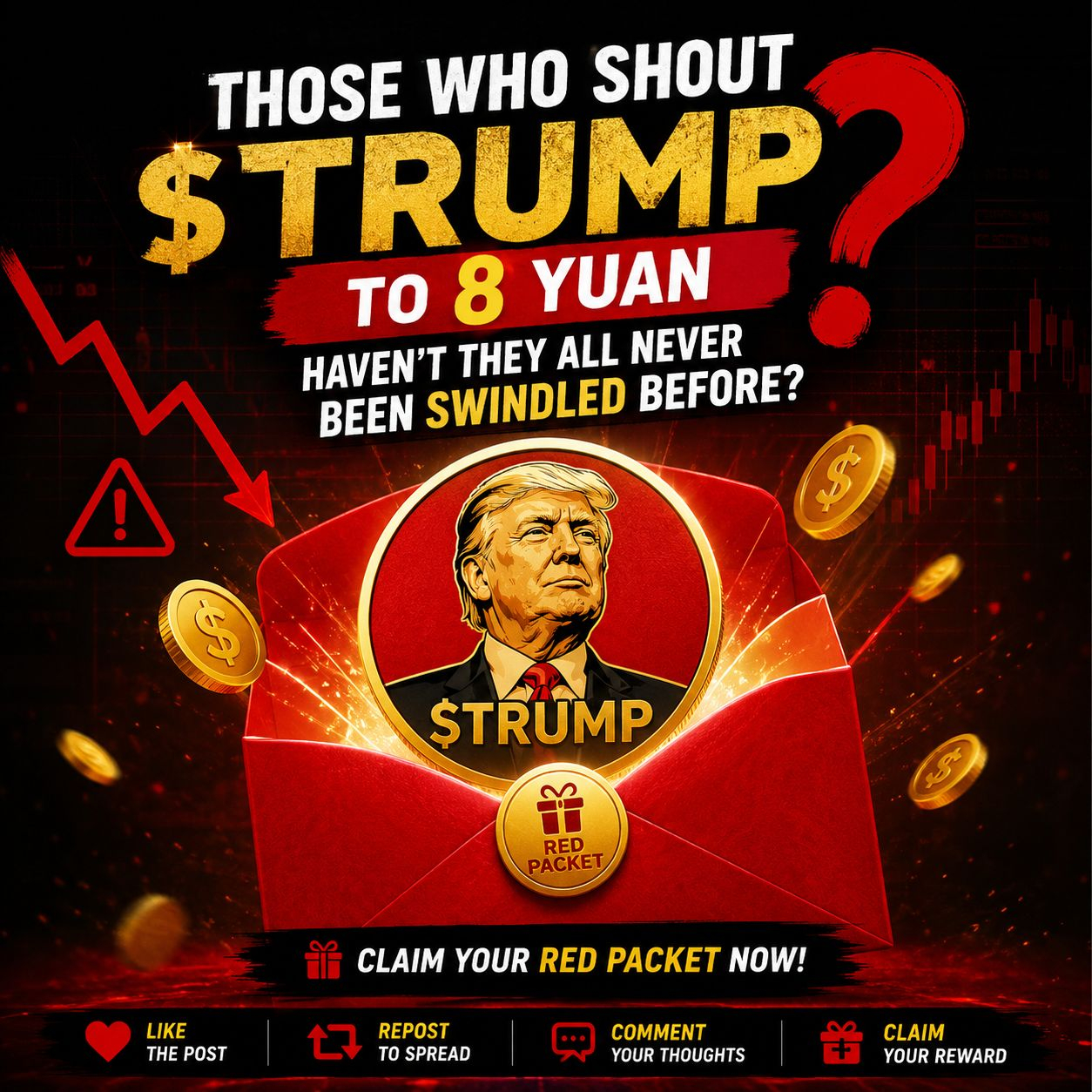
🎁 $TRUMP RED PACKET ALERT 🎁
They’re calling for $TRUMP to hit 8 yuan… 👀
But tell me — have they never been burned by the market before? 🔥
🎁 Drop your prediction below:
$TRUMP — 8 yuan or another surprise?
Stay sharp. Trade smart. 🚀#Crypto_Jobs🎯
They’re calling for $TRUMP to hit 8 yuan… 👀
But tell me — have they never been burned by the market before? 🔥
🎁 Drop your prediction below:
$TRUMP — 8 yuan or another surprise?
Stay sharp. Trade smart. 🚀#Crypto_Jobs🎯
coin

CoinVision110
·
--
🎁 Claim your reward
Follow me and repost this post to stay connected and support the journey. Every follow and repost means a lot! ❤️
#CaliforniaBillWouldBarOfficialMemeCoins
Follow me and repost this post to stay connected and support the journey. Every follow and repost means a lot! ❤️
#CaliforniaBillWouldBarOfficialMemeCoins
Dream

Dream Spicer 梦想家
·
--
25K Followers Completed Now I'm Looking Saalar ki Imama😂❤️
We’ve officially reached 25,000 followers on Binance Square.
Honestly, this milestone feels special because it was built one post, one discussion, and one interaction at a time.
I’ve always tried to share research and ideas that are actually worth reading not just chase numbers.
To celebrate, I’m sharing a Red Packet with the community. 🧧
Thank you to everyone who has been part of the journey.
25K today. Let’s see where we can take it next.
Good luck, everyone. ❤️
To Claim Red Packet
📌 Follow
📌 Repost
📌 Like
📌 Comment
#BinanceSquare #25K #CryptoCommunity
$SOL
We’ve officially reached 25,000 followers on Binance Square.
Honestly, this milestone feels special because it was built one post, one discussion, and one interaction at a time.
I’ve always tried to share research and ideas that are actually worth reading not just chase numbers.
To celebrate, I’m sharing a Red Packet with the community. 🧧
Thank you to everyone who has been part of the journey.
25K today. Let’s see where we can take it next.
Good luck, everyone. ❤️
To Claim Red Packet
📌 Follow
📌 Repost
📌 Like
📌 Comment
#BinanceSquare #25K #CryptoCommunity
$SOL

MRT

M R T
·
--
Follow Me 🚀
Repost & Support ❤️
Claim the USDC Reward 🎁
Repost & Support ❤️
Claim the USDC Reward 🎁

prof

Prof Denial
·
--
I’m giving a $DOGE 🐶 reward 🎁 to our community as a BIG gift of appreciation.
💛claim it before the reward is gone.💛
💛 Don’t wait and miss your chance! 💛
💛claim it before the reward is gone.💛
💛 Don’t wait and miss your chance! 💛

Hamid

HAMID HN404
·
--
#BNB.
BNB remains one of the strongest utility-focused cryptocurrencies, supported by the growing Binance ecosystem and BNB Chain. Its key strengths include low transaction fees, DeFi activity, Web3 applications, and regular token burns that reduce supply over time. In the short term, BNB’s direction will largely depend on overall crypto market sentiment and Bitcoin’s trend. 📈 Bullish above key support levels; a break of major resistance could open the door to further upside, while losing support may trigger a deeper correction.
BNB remains one of the strongest utility-focused cryptocurrencies, supported by the growing Binance ecosystem and BNB Chain. Its key strengths include low transaction fees, DeFi activity, Web3 applications, and regular token burns that reduce supply over time. In the short term, BNB’s direction will largely depend on overall crypto market sentiment and Bitcoin’s trend. 📈 Bullish above key support levels; a break of major resistance could open the door to further upside, while losing support may trigger a deeper correction.
Shaheen

Shaheen 69
·
--
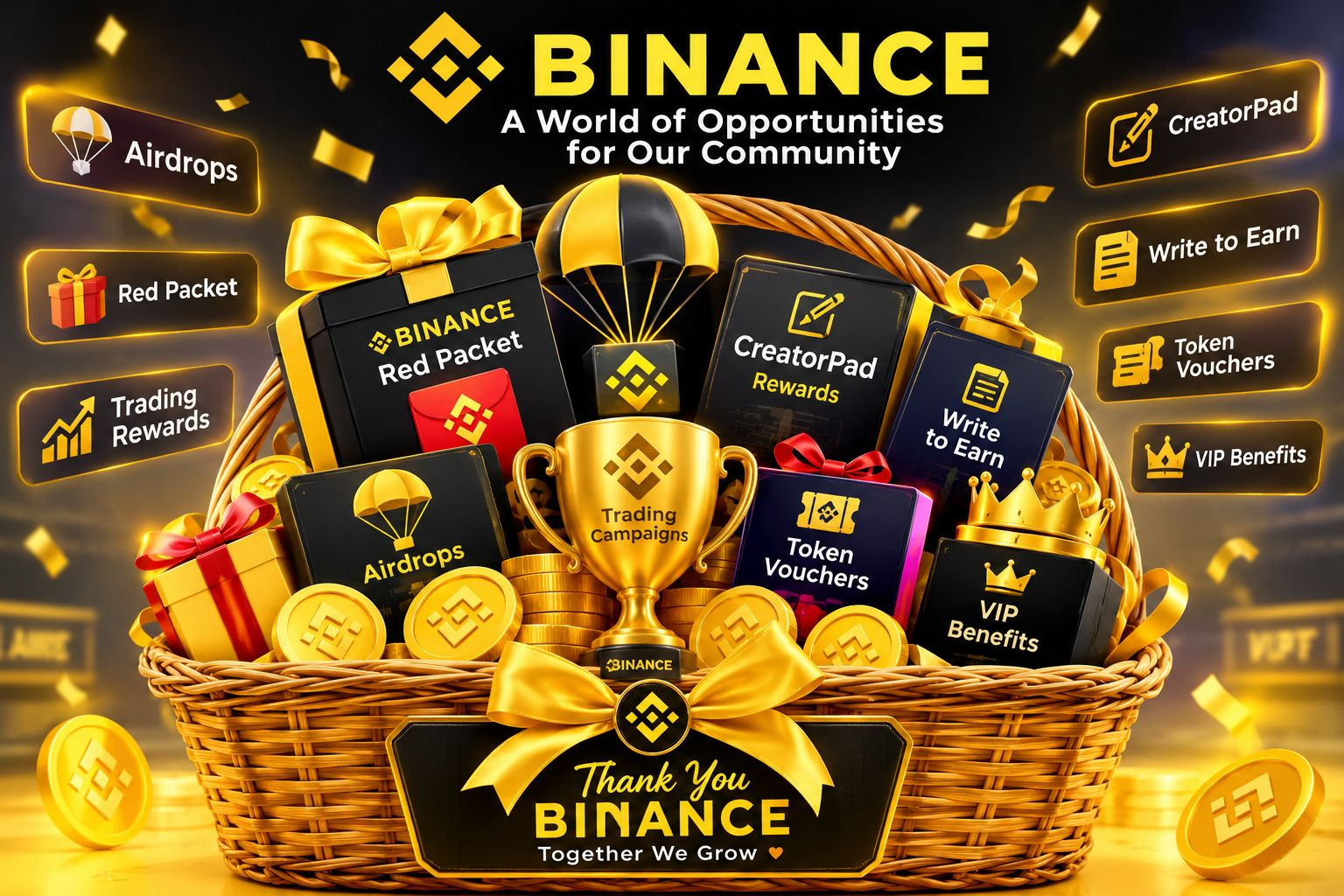
🎁 BINANCE PUT ALL THE GIFTS IN ONE BASKET! 🟡
Imagine one basket filled with Airdrops, Red Packets, Trading Rewards, Token Vouchers, CreatorPad rewards, Write-to-Earn opportunities and VIP benefits. 🚀
That’s what makes the Binance ecosystem exciting — it’s not only about trading, but also about discovering new opportunities, participating in campaigns and sharing rewards with the community.
And today, Shaheen69 is opening the gift basket for YOU! 🎉
I’m sharing Red Packet rewards with all of you as a small thank-you for your continued support and love. ❤️
Good luck everyone! 🍀
Who will grab the reward? 👀
#Binance #BNB #redpacket
Imagine one basket filled with Airdrops, Red Packets, Trading Rewards, Token Vouchers, CreatorPad rewards, Write-to-Earn opportunities and VIP benefits. 🚀
That’s what makes the Binance ecosystem exciting — it’s not only about trading, but also about discovering new opportunities, participating in campaigns and sharing rewards with the community.
And today, Shaheen69 is opening the gift basket for YOU! 🎉
I’m sharing Red Packet rewards with all of you as a small thank-you for your continued support and love. ❤️
Good luck everyone! 🍀
Who will grab the reward? 👀
#Binance #BNB #redpacket
go
龟龟财神到
·
--
Don't be sad, the flowers will bloom for you

snm

SNM Khan
·
--
$BNB Rewards Boxes 🎁🧧🎁 Like Share This Post & Claim Surprise $BNB Thankyou 🌱🌱

Anuuonchain

ANUUONCHAIN
·
--
😍🥰😍🥰😍🥰😍🥰😍🥰😍🥰😍🥰😍
🥵🥵🥵🥵🥵🥵🥵🥵🥵🥵🥵🥵🥵🥵🥵
follow me please
🙌🙌🙌🙌😼😼😼😼😼😼😼😼😼😼😼
🥵🥵🥵🥵🥵🥵🥵🥵🥵🥵🥵🥵🥵🥵🥵
follow me please
🙌🙌🙌🙌😼😼😼😼😼😼😼😼😼😼😼

jannat

JANNAT BM_
·
--
GIFT🎁 BOX 🎁🎁🎁🎁 BTTC 🧧🧧🧧 CLAIM
Mr Raj

⁰MR RAJ⁰
·
--
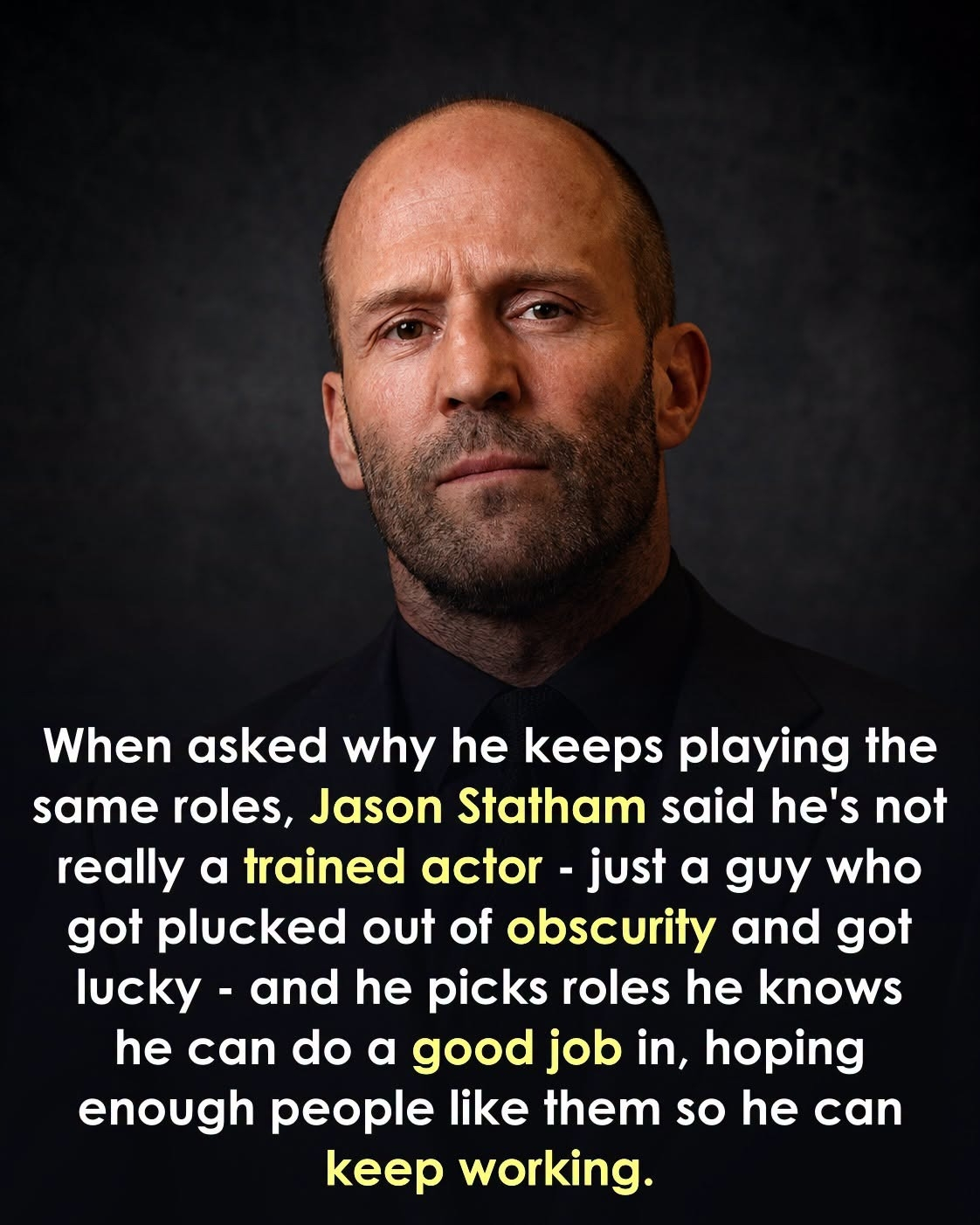
BearishJason Statham knows his strengths, embraces them, and built a legendary career by simply being himself. 💪🎬🔥
$DEXE $NIL
#SOLJumps20%OnTheWeek #WarshSaysInflationIsFedTopFocus #FedSeptRateHikeOddsRiseTo57% #TrumpSaysUSReachedVenezuelaOilDeal #USShortTermTreasuryYieldsJump
$DEXE $NIL
#SOLJumps20%OnTheWeek #WarshSaysInflationIsFedTopFocus #FedSeptRateHikeOddsRiseTo57% #TrumpSaysUSReachedVenezuelaOilDeal #USShortTermTreasuryYieldsJump
junia

J U N I A
·
--
comment "yes" and 🤑 claim reward

Leo

Leo - F0
·
--
Bullish🔥🧧🧧GREETINGS TO MY FAMILY FROM DUBAİ WITH A RED GIFT PACKAGE.🧧🧧🔥
"Shed your worries under the palm tree shade. Chasing the paradise your dreams have made." 🏝️🍹🛥️
$BTC 🔥🔥🧧🧧 #Dubai_Crypto_Group
#金价升破4400美元创两月高
$BNB $ETH
#1688家族family 💚 @周周1688
#xrp #Binance
"Shed your worries under the palm tree shade. Chasing the paradise your dreams have made." 🏝️🍹🛥️
$BTC 🔥🔥🧧🧧 #Dubai_Crypto_Group
#金价升破4400美元创两月高
$BNB $ETH
#1688家族family 💚 @周周1688
#xrp #Binance

zone

Z O N E P R I M E
·
--
Bullish🎉🎁 ZONE PRIME BTC SURPRISE DROP! 🎁🎉
✨ The Red Packet is full and ready to open! ✨
👇 Simple Steps to Participate 👇
❤️ Follow ZONE PRIME
🔁 Like & Share
💬 Comment “BTC”
🚀 Stay active for the next reward round!
#BTC #Crypto #ZONEPRIME #RedPacket #BİNANCE
✨ The Red Packet is full and ready to open! ✨
👇 Simple Steps to Participate 👇
❤️ Follow ZONE PRIME
🔁 Like & Share
💬 Comment “BTC”
🚀 Stay active for the next reward round!
#BTC #Crypto #ZONEPRIME #RedPacket #BİNANCE

sheemm

Sheemm
·
--
🎁🎁🎁🎁 GOOD AFTERNOON
LIKE REPOST COMMENT AND
CLAIM 🤗🤗$BNB 🎁🎁🎁🎁
$MOVR
$HEMI
#NYSilverFuturesDrop3%
#RedPacketMission 😊
LIKE REPOST COMMENT AND
CLAIM 🤗🤗$BNB 🎁🎁🎁🎁
$MOVR
$HEMI
#NYSilverFuturesDrop3%
#RedPacketMission 😊
Ahmed

Ahmed Ali Nizamani
·
--
50 + 730 = 🎁🎁🎁🎁✨
Verified
At first I assumed the two transaction models on Dusk were just a privacy toggle. Public or private. One switch. Simple choice.
The actual difference runs deeper than that.
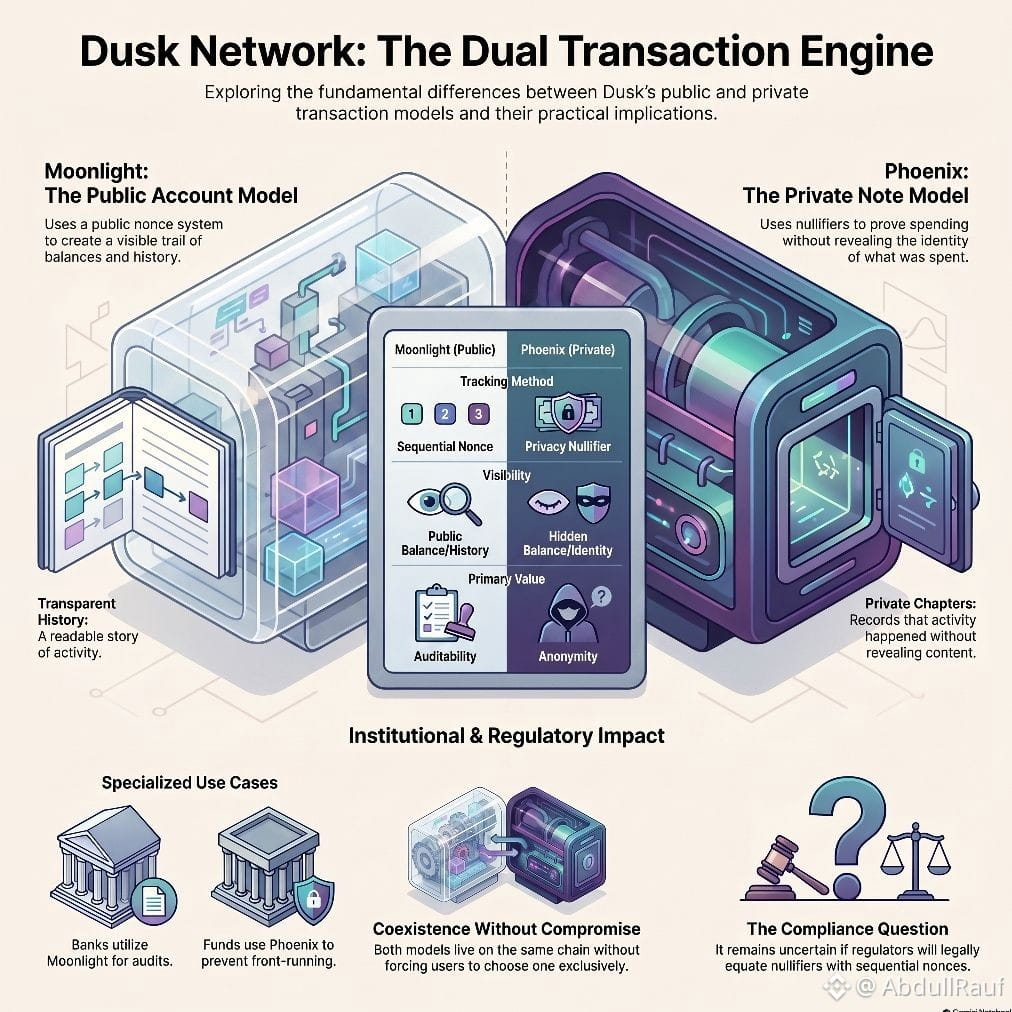
Moonlight works like Ethereum. Your account has a nonce. Every transaction increments it publicly. Anyone can see your balance, your history, your sequence. The nonce is a counter. It is also a trail.
Phoenix works differently. There is no account. No visible balance. No sequential counter. Instead, when you spend a note, you produce a nullifier. The network records that nullifier and knows the note is gone. But it cannot link the nullifier back to the note it came from. The spending is provable. The identity of what was spent is not.
That distinction matters more than it sounds. In Moonlight, your transaction history is a readable story. In Phoenix, the network knows chapters are being written without knowing what they say.
What I keep thinking about is which institutions actually want which model. A bank processing a settlement might need Moonlight for audit trails. A fund executing a strategy might need Phoenix to avoid front-running. Both can live on the same chain. Neither forces the other to compromise.
What I cannot find in the documentation is how regulators treat nullifiers as evidence. A nonce proves sequence. A nullifier proves spending without revealing the note. Are those legally equivalent in a compliance context?
What do you think — when a regulator asks for proof of transaction, does a nullifier satisfy the requirement or does it just raise a harder question?
#dusk $DUSK @Dusk
The actual difference runs deeper than that.
Moonlight works like Ethereum. Your account has a nonce. Every transaction increments it publicly. Anyone can see your balance, your history, your sequence. The nonce is a counter. It is also a trail.
Phoenix works differently. There is no account. No visible balance. No sequential counter. Instead, when you spend a note, you produce a nullifier. The network records that nullifier and knows the note is gone. But it cannot link the nullifier back to the note it came from. The spending is provable. The identity of what was spent is not.
That distinction matters more than it sounds. In Moonlight, your transaction history is a readable story. In Phoenix, the network knows chapters are being written without knowing what they say.
What I keep thinking about is which institutions actually want which model. A bank processing a settlement might need Moonlight for audit trails. A fund executing a strategy might need Phoenix to avoid front-running. Both can live on the same chain. Neither forces the other to compromise.
What I cannot find in the documentation is how regulators treat nullifiers as evidence. A nonce proves sequence. A nullifier proves spending without revealing the note. Are those legally equivalent in a compliance context?
What do you think — when a regulator asks for proof of transaction, does a nullifier satisfy the requirement or does it just raise a harder question?
#dusk $DUSK @Dusk
Log in to explore more content