
圣克斯Lucky1688
151 Posts

圣克斯Lucky1688
适当风险与适当收益中寻找更多幸运值,最爱风险小并且含确定性的套利
Open Trade
Frequent Trader
2 Years
290 Following
17.1K+ Followers
4.0K+ Liked
Posts
Portfolio
All
Quotes
PINNED
Verified
🧧🧧🔥🧧🧧Actual yield rise speed is faster than nominal yield and the break-even yield. This indicates that, according to Bloomberg, the bond market believes the Fed’s stance on inflation is credible. Follow me, answer 1, and take away a $SOL red envelope.🧧🧧🔥🧧🧧

PINNED
🧧🧧🔥🔥🧧🧧With inflation remaining the main focus, uncertainty around the Fed is on the rise. Less guidance may mean increased market volatility—so watch the data, yields, and liquidity closely. Follow me, answer 1 to the question, and take away the $SOL red envelope 🧧🧧🔥🔥🧧🧧.


✅✅

XY 心月势不可挡
·
--
Sun loses out on traffic again and gets caught together 😃😃😃💃🏻🕺🏻



ABL阿布辣2020
·
--
“Reuters” reveals Meta’s predicament after AI layoffs:
Cybersecurity incidents up 40%, time spent cleaning up up 70%
In recent months, social media giant Meta has repeatedly carried out mass layoffs to develop AI. In a follow-up report published by Reuters on August 26, it noted that Meta CEO Mark Zuckerberg had already proposed an AI transformation plan as early as January this year. The initiative, code-named Organization Transformation (OT), aims to move Meta toward an “AI-native” operating model, where AI takes over much of the daily work originally handled by employees, leaving only smaller teams with higher talent density to oversee operations. After news of Meta’s layoffs plan leaked in March, employee morale was hit hard, and supervisors were even told to play down the handling—only informing teams that their future roles would “evolve” because of AI.
According to an internal post by Meta’s CTO Andrew in June, the amount of code written by employees using AI has grown year over year by up to 220%, but the number of new features or upgrades that were actually deployed to benefit users has grown by only 36%. Instead of improving performance, the wave of AI-assisted coding has raised concerns about reliability, leading to “large-scale, disruptive AI agent behavior.” As a result, major technical and cybersecurity incidents increased by 40% compared with the same period last year, and the time employees spent “cleaning up” issues surged by 70%.$AAPL.US
Cybersecurity incidents up 40%, time spent cleaning up up 70%
In recent months, social media giant Meta has repeatedly carried out mass layoffs to develop AI. In a follow-up report published by Reuters on August 26, it noted that Meta CEO Mark Zuckerberg had already proposed an AI transformation plan as early as January this year. The initiative, code-named Organization Transformation (OT), aims to move Meta toward an “AI-native” operating model, where AI takes over much of the daily work originally handled by employees, leaving only smaller teams with higher talent density to oversee operations. After news of Meta’s layoffs plan leaked in March, employee morale was hit hard, and supervisors were even told to play down the handling—only informing teams that their future roles would “evolve” because of AI.
According to an internal post by Meta’s CTO Andrew in June, the amount of code written by employees using AI has grown year over year by up to 220%, but the number of new features or upgrades that were actually deployed to benefit users has grown by only 36%. Instead of improving performance, the wave of AI-assisted coding has raised concerns about reliability, leading to “large-scale, disruptive AI agent behavior.” As a result, major technical and cybersecurity incidents increased by 40% compared with the same period last year, and the time employees spent “cleaning up” issues surged by 70%.$AAPL.US
@Trillion✅✅✅

万亿88
·
--
Get attention for red envelopes 🧧🧧🧧🧧🧧


白鲨观点合约账户
·
--
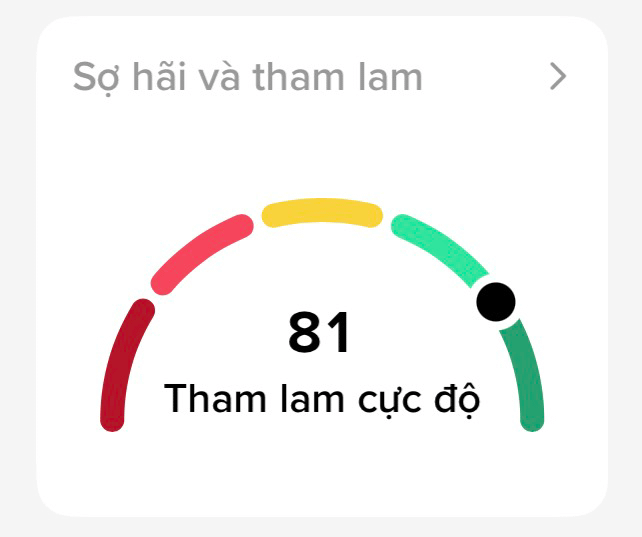
Fear & Greed index hits 71—already calling it the top? Don’t let yourself be led by the nose! Is 71 already considered greed?????
Review the past:
* Bull market peak in 2021: 95
* October 2025, BTC touched 126k: 88
* Right now: at 71, you’ve only just stepped into the greed zone
So what is real greed?
It’s when the aunties selling vegetables at the market ask you what coin you’re buying.
It’s when the taxi driver sits down with you to study the K-line chart.
It’s when even your mom wants to put money in.
That’s when it’s truly greed. 😂
And now—what about it? Still tons of people shouting “technical rebound in a downtrend,” “pump the price to unload the bags.” The short side is still stubborn, while the long side is still hesitating.
The market often rises amid doubt, and ends when everyone is feeling euphoric. Since there are still many people doubting right now, in my view, it’s still a long way from being over.
Brothers, do you think BTC is already at the top right now?
🧧🧧🧧Comment to receive a gift🧧🧧🧧
- already at the top: reply with number 1
- not at the top yet: reply with number 2
$BTC #BinanceSquare #BTC #行情分析📈 #加密货币
Review the past:
* Bull market peak in 2021: 95
* October 2025, BTC touched 126k: 88
* Right now: at 71, you’ve only just stepped into the greed zone
So what is real greed?
It’s when the aunties selling vegetables at the market ask you what coin you’re buying.
It’s when the taxi driver sits down with you to study the K-line chart.
It’s when even your mom wants to put money in.
That’s when it’s truly greed. 😂
And now—what about it? Still tons of people shouting “technical rebound in a downtrend,” “pump the price to unload the bags.” The short side is still stubborn, while the long side is still hesitating.
The market often rises amid doubt, and ends when everyone is feeling euphoric. Since there are still many people doubting right now, in my view, it’s still a long way from being over.
Brothers, do you think BTC is already at the top right now?
🧧🧧🧧Comment to receive a gift🧧🧧🧧
- already at the top: reply with number 1
- not at the top yet: reply with number 2
$BTC #BinanceSquare #BTC #行情分析📈 #加密货币
✅✅

光明社区-千慧
·
--
LUCIC golden light descends upon the holy street, angels above, all look up in olden time.
LUCIC's golden light descends upon the holy street, angels above, all look up in olden time.
#BNB #BTC #LUCIC
LUCIC's golden light descends upon the holy street, angels above, all look up in olden time.
#BNB #BTC #LUCIC

✅✅


Elena神话MUA
·
--
#MUA
Your good and bad are determined in other people’s eyes,
and it only has to do with their interests.$BTC
If you fit what they want, they praise and compliment you;
if you don’t, they belittle you, slander you.
Other people’s approval is the cheapest kind of chain,$BNB
So you only need to protect your own feelings and interests;
as for other people’s feelings and interests, they will fight for them themselves.$ETH
Your good and bad are determined in other people’s eyes,
and it only has to do with their interests.$BTC
If you fit what they want, they praise and compliment you;
if you don’t, they belittle you, slander you.
Other people’s approval is the cheapest kind of chain,$BNB
So you only need to protect your own feelings and interests;
as for other people’s feelings and interests, they will fight for them themselves.$ETH

蛋花955
·
--
@everyone Lucic's price increase logic: 1) The underlying pool is BNB. It follows the pool formula: when the pool doubles, the price increases by 4.8x; 2) Strong community consensus and promotion. More than 20 studios nationwide; the underlying pool keeps increasing; 3) Listed on top-tier exchanges to connect liquidity and eliminate hype. Currently listed on 5 exchanges, and the final battle is to list on Binance; 4) Binance Square marketing. Binance Square streams live teaching and sales every night; the live room ranking stays in the top three every night

@Burning Insight

灼见
·
--
🔥 BTC drops back to $78K, but this time, I’m not so much concerned with how much it fell.
I’m more concerned with—
Where did the money go?
Over the past few days, $BTC briefly broke through $80K, and market sentiment warmed up quickly.
But once the weekend hit, the pace started to change.
BTC pulled back from its highs, and spot ETFs also ended their previous streak of strong inflows, showing net outflows.
Normally, this would be easy to interpret as a simple signal:
Capital is retreating.
But interestingly, the market didn’t fully follow this script.
ETH and some major Altcoins still show clear capital resilience.
That’s what’s gotten me thinking about another possibility:
The money isn’t leaving Crypto—it’s being reallocated within Crypto.
BTC handled the first phase of the breakout.
But once BTC enters high-level consolidation, capital may start looking for:
🔹 Higher relative returns
🔹 New narratives
🔹 Mainstream assets with higher beta
So next, I won’t just watch a single BTC candlestick.
I’m paying closer attention to one indicator:
When BTC is falling, who holds up the best?
Because if overall market liquidity is still there, then the real winners of the next phase often reveal themselves first while BTC is resting.
BTC sets the direction of the market.
Where the capital flows determines who becomes the star in the next phase.
👇 If capital really starts rotating, who do you think the next stop will be?
BTC / ETH / BNB?
#BTC #ETH #BNB
I’m more concerned with—
Where did the money go?
Over the past few days, $BTC briefly broke through $80K, and market sentiment warmed up quickly.
But once the weekend hit, the pace started to change.
BTC pulled back from its highs, and spot ETFs also ended their previous streak of strong inflows, showing net outflows.
Normally, this would be easy to interpret as a simple signal:
Capital is retreating.
But interestingly, the market didn’t fully follow this script.
ETH and some major Altcoins still show clear capital resilience.
That’s what’s gotten me thinking about another possibility:
The money isn’t leaving Crypto—it’s being reallocated within Crypto.
BTC handled the first phase of the breakout.
But once BTC enters high-level consolidation, capital may start looking for:
🔹 Higher relative returns
🔹 New narratives
🔹 Mainstream assets with higher beta
So next, I won’t just watch a single BTC candlestick.
I’m paying closer attention to one indicator:
When BTC is falling, who holds up the best?
Because if overall market liquidity is still there, then the real winners of the next phase often reveal themselves first while BTC is resting.
BTC sets the direction of the market.
Where the capital flows determines who becomes the star in the next phase.
👇 If capital really starts rotating, who do you think the next stop will be?
BTC / ETH / BNB?
#BTC #ETH #BNB

✅✅✅

币圈淘金小旋风
·
--
$BTC $ETH Done, done, BTC. A massive drop— the whole market is dyed red. Let’s first talk about why it fell: it’s all because of Wash! Last night, at the international central bank meeting, he gave an aggressive speech, saying that current inflation is too high and hinting at the possibility of rate hikes. Then—before you know it— the crypto market and U.S. stocks both dove together, down 5% or more.
So the question is: can you buy the dip? 🔥🔥🔥
Honestly, when a sudden crash hits, people’s minds are the easiest to get thrown off. ETH follows the big coin down as well, moving even more violently than Bitcoin. Many friends holding perpetual contracts got liquidated and kicked out overnight. A lot of people see it falling a lot and rush in to buy the dip, thinking they just found a huge bargain—only to buy in halfway down, and end up buying more while still trapped. 🔥🔥🔥
Don’t assume the bull market is completely over just because it drops. And don’t blindly rush in just because it’s falling—be careful about catching the falling knife. Right now, panic sentiment is in control, and leveraged positions are still getting liquidated one after another. It’s very likely the price could keep probing lower, and “the bottom” isn’t something we can guess. 🔥🔥🔥
If you’re holding spot, don’t be blindly scared into cutting for a loss just because the screen looks ugly. If you’re trading contracts, you must reduce leverage. Set a stop-loss—definitely—and don’t stubbornly hold on to a losing position. #日元跌破160创一个月新低
Never go all-in on “buying the dip.” You can wait for the market to stabilize and for signals of a potential reversal to show up before considering it. In crypto, big sell-offs are never short on opportunities. Preserving your principal and staying alive is far more important than grabbing a little bounce. #美国短期国债收益率上涨 #美联储9月加息概率升至57% #沃什称通胀是美联储首要关注
So the question is: can you buy the dip? 🔥🔥🔥
Honestly, when a sudden crash hits, people’s minds are the easiest to get thrown off. ETH follows the big coin down as well, moving even more violently than Bitcoin. Many friends holding perpetual contracts got liquidated and kicked out overnight. A lot of people see it falling a lot and rush in to buy the dip, thinking they just found a huge bargain—only to buy in halfway down, and end up buying more while still trapped. 🔥🔥🔥
Don’t assume the bull market is completely over just because it drops. And don’t blindly rush in just because it’s falling—be careful about catching the falling knife. Right now, panic sentiment is in control, and leveraged positions are still getting liquidated one after another. It’s very likely the price could keep probing lower, and “the bottom” isn’t something we can guess. 🔥🔥🔥
If you’re holding spot, don’t be blindly scared into cutting for a loss just because the screen looks ugly. If you’re trading contracts, you must reduce leverage. Set a stop-loss—definitely—and don’t stubbornly hold on to a losing position. #日元跌破160创一个月新低
Never go all-in on “buying the dip.” You can wait for the market to stabilize and for signals of a potential reversal to show up before considering it. In crypto, big sell-offs are never short on opportunities. Preserving your principal and staying alive is far more important than grabbing a little bounce. #美国短期国债收益率上涨 #美联储9月加息概率升至57% #沃什称通胀是美联储首要关注

✅✅

Suadagar Ali
·
--
#BNB BTC ETH$
Follow 🌹☘️🥀like
and comments
Follow 🌹☘️🥀like
and comments

✅✅

Leo木BNB_1688
·
--
On August 28, the Panic & Greed Index was 72, in the “Greed” range.
30 days ago, the very same index was 24, in “Extreme Panic”—at that time, BTC was around 64,000, Coldcard was hacked, ETFs saw consecutive outflows, the CLARITY Act passed with a probability of dropping below 30%, and everyone was saying, “This is the last leg down.”
In those 30 days, market sentiment completed a full turnaround.
The speed is worth taking seriously for two reasons.
First: The speed from extreme panic to greed historically often corresponds to real structural changes, not just fluctuations in sentiment—this time, the turnaround was driven by the Treasury doubling bond repurchase agreements, the White House directly pushing the CLARITY Act, and ETFs posting net inflows of $1.918 billion in one week. All three things are real events, not narrative.
Second: After the Greed range appears, it usually comes with two possible outcomes—if the underlying structure continues to support it, greed tends to persist and drive further upside; if it’s an overextended sentiment expansion, even a small piece of bad news can quickly pull price back to panic. Warsh’s speech was the first stress test: around 77,800, buy orders appeared and there was no breakdown—this indicates structure supporting the move, not just pure sentiment.
Meanwhile, the SEC’s new rules for crypto asset custody (RIN 3235-AN46) entered White House review under the Office of Management and Budget on August 25—this is the final step before the formal regulatory rule takes effect. This rule will allow institutions to custody crypto assets under licensing conditions, directly lowering the compliance threshold for allocation.
Sentiment reversal + the regulatory framework are quietly coming into place—when both happen at the same time, those are the two long-term signals I think are worth recording as August ends.
On September 9, the Treasury expanded repo operations; on September 16, the FOMC; and after the CLARITY Act is revisited for negotiations when it reconvenes in September. Those three items, taken together, are the real answer to September’s direction.
Do you think this time sentiment truly changed in a structural way from extreme panic to greed—or will it retrace after an overextension? Share your view.
$BTC
#BTC
30 days ago, the very same index was 24, in “Extreme Panic”—at that time, BTC was around 64,000, Coldcard was hacked, ETFs saw consecutive outflows, the CLARITY Act passed with a probability of dropping below 30%, and everyone was saying, “This is the last leg down.”
In those 30 days, market sentiment completed a full turnaround.
The speed is worth taking seriously for two reasons.
First: The speed from extreme panic to greed historically often corresponds to real structural changes, not just fluctuations in sentiment—this time, the turnaround was driven by the Treasury doubling bond repurchase agreements, the White House directly pushing the CLARITY Act, and ETFs posting net inflows of $1.918 billion in one week. All three things are real events, not narrative.
Second: After the Greed range appears, it usually comes with two possible outcomes—if the underlying structure continues to support it, greed tends to persist and drive further upside; if it’s an overextended sentiment expansion, even a small piece of bad news can quickly pull price back to panic. Warsh’s speech was the first stress test: around 77,800, buy orders appeared and there was no breakdown—this indicates structure supporting the move, not just pure sentiment.
Meanwhile, the SEC’s new rules for crypto asset custody (RIN 3235-AN46) entered White House review under the Office of Management and Budget on August 25—this is the final step before the formal regulatory rule takes effect. This rule will allow institutions to custody crypto assets under licensing conditions, directly lowering the compliance threshold for allocation.
Sentiment reversal + the regulatory framework are quietly coming into place—when both happen at the same time, those are the two long-term signals I think are worth recording as August ends.
On September 9, the Treasury expanded repo operations; on September 16, the FOMC; and after the CLARITY Act is revisited for negotiations when it reconvenes in September. Those three items, taken together, are the real answer to September’s direction.
Do you think this time sentiment truly changed in a structural way from extreme panic to greed—or will it retrace after an overextension? Share your view.
$BTC
#BTC

✅✅

Aria Bloom 阿莉娅
·
--
BullishThe journey isn’t always about numbers, markets, and targets. Sometimes, it’s about stepping away for a moment, enjoying the beauty of nature, and appreciating the peaceful moments that make life meaningful. ✨
A beautiful view, calm waters, and my little companion by my side. 🐱🤍
Simple moments, unforgettable memories.
Keep moving forward, stay positive, and enjoy every part of the journey. 🚀✨
$BTR $GIGGLE $SOL
A beautiful view, calm waters, and my little companion by my side. 🐱🤍
Simple moments, unforgettable memories.
Keep moving forward, stay positive, and enjoy every part of the journey. 🚀✨
$BTR $GIGGLE $SOL



✅✅

Shaheen 69
·
--
🎁 5 EARNING TIPS + LIVE BNB REWARD! 🔥
Want to grow your crypto journey? Start with these 5 simple tips:
1️⃣ Learn before you trade.
2️⃣ Manage your risk.
3️⃣ Follow useful market updates.
4️⃣ Don’t chase pumps or FOMO.
5️⃣ Stay consistent and patient.
💰 Shaheen69 is sharing a LIVE BNB Red Packet reward! 🎁
If you’re part of my community, this one is for you. ❤️
Stay active, keep learning, and grab your reward when it drops! 🚀
#Binance #Crypto
$PROM $UNI $OPG
Want to grow your crypto journey? Start with these 5 simple tips:
1️⃣ Learn before you trade.
2️⃣ Manage your risk.
3️⃣ Follow useful market updates.
4️⃣ Don’t chase pumps or FOMO.
5️⃣ Stay consistent and patient.
💰 Shaheen69 is sharing a LIVE BNB Red Packet reward! 🎁
If you’re part of my community, this one is for you. ❤️
Stay active, keep learning, and grab your reward when it drops! 🚀
#Binance #Crypto
$PROM $UNI $OPG

✅✅

Syco 疯子
·
--
Have Patience
Take your time, be patient with yourself
Many people are anxious, restless, and eager to
make quick money
But most end up being taken advantage of
You need to be grounded and cultivate yourself
Adhere to long-termism
Only then can you reap the rewards
Take your time, be patient with yourself
Many people are anxious, restless, and eager to
make quick money
But most end up being taken advantage of
You need to be grounded and cultivate yourself
Adhere to long-termism
Only then can you reap the rewards


超人不会飞2020
·
--
Superman 100U DCA Day 15 of $BTC ✅
We’ve reached Day 15 of this DCA. The market is still up and down—rising, then pulling back—causing a frustrating amount of choppy consolidation.
🫥 But compared to playing with the primary (early-stage) market, spot DCA is still way too steady!
It reminds me of when I first joined the space: people around me heard you buy BTC and said you were too aggressive; after you’d been in for a while and told others you only buy Bitcoin, they’d say you were too conservative!
🥹 In the past couple of days I kept trial-and-erroring, so let me review my own “shady moves”:
1. SOL chain (currently the one with the biggest loss). I used a position size of 500U per trade. Roughly, once I buy in, I could make about 1,000 RMB—trying to chase high multiples right to the end, only to get pulled back, and even ended up buying a zero-out coin!
2. The Robinhood chain (which I personally thought had more potential) also—trades with a 500U position size. It started with losses right after buying.
🤯 After yesterday, once I bought, it would slowly start turning profitable until tonight when I finally bought a 2x token—but I didn’t see it break through at a market cap of 800,000, and I entered at a market cap of 1.7 million (the slippage was especially big at the time, and I just felt the coin had momentum).
I bought at the relative high then, and after entering it pulled back. When it was close to breakeven, I sold—and with slippage included, I lost 60U……
Because I sold while it was still rising, it ended up doubling right after I cut out 😂 The end result: I missed it by 500U~
😅 Summary:
Don’t think about winning while being afraid of losing. Keep summarizing, keep improving, and you’ll eventually hit the jackpot 💪
⚠️ Personal live trading notes only; not investment advice
#BTC #DCA
We’ve reached Day 15 of this DCA. The market is still up and down—rising, then pulling back—causing a frustrating amount of choppy consolidation.
🫥 But compared to playing with the primary (early-stage) market, spot DCA is still way too steady!
It reminds me of when I first joined the space: people around me heard you buy BTC and said you were too aggressive; after you’d been in for a while and told others you only buy Bitcoin, they’d say you were too conservative!
🥹 In the past couple of days I kept trial-and-erroring, so let me review my own “shady moves”:
1. SOL chain (currently the one with the biggest loss). I used a position size of 500U per trade. Roughly, once I buy in, I could make about 1,000 RMB—trying to chase high multiples right to the end, only to get pulled back, and even ended up buying a zero-out coin!
2. The Robinhood chain (which I personally thought had more potential) also—trades with a 500U position size. It started with losses right after buying.
🤯 After yesterday, once I bought, it would slowly start turning profitable until tonight when I finally bought a 2x token—but I didn’t see it break through at a market cap of 800,000, and I entered at a market cap of 1.7 million (the slippage was especially big at the time, and I just felt the coin had momentum).
I bought at the relative high then, and after entering it pulled back. When it was close to breakeven, I sold—and with slippage included, I lost 60U……
Because I sold while it was still rising, it ended up doubling right after I cut out 😂 The end result: I missed it by 500U~
😅 Summary:
Don’t think about winning while being afraid of losing. Keep summarizing, keep improving, and you’ll eventually hit the jackpot 💪
⚠️ Personal live trading notes only; not investment advice
#BTC #DCA

花涧空
·
--
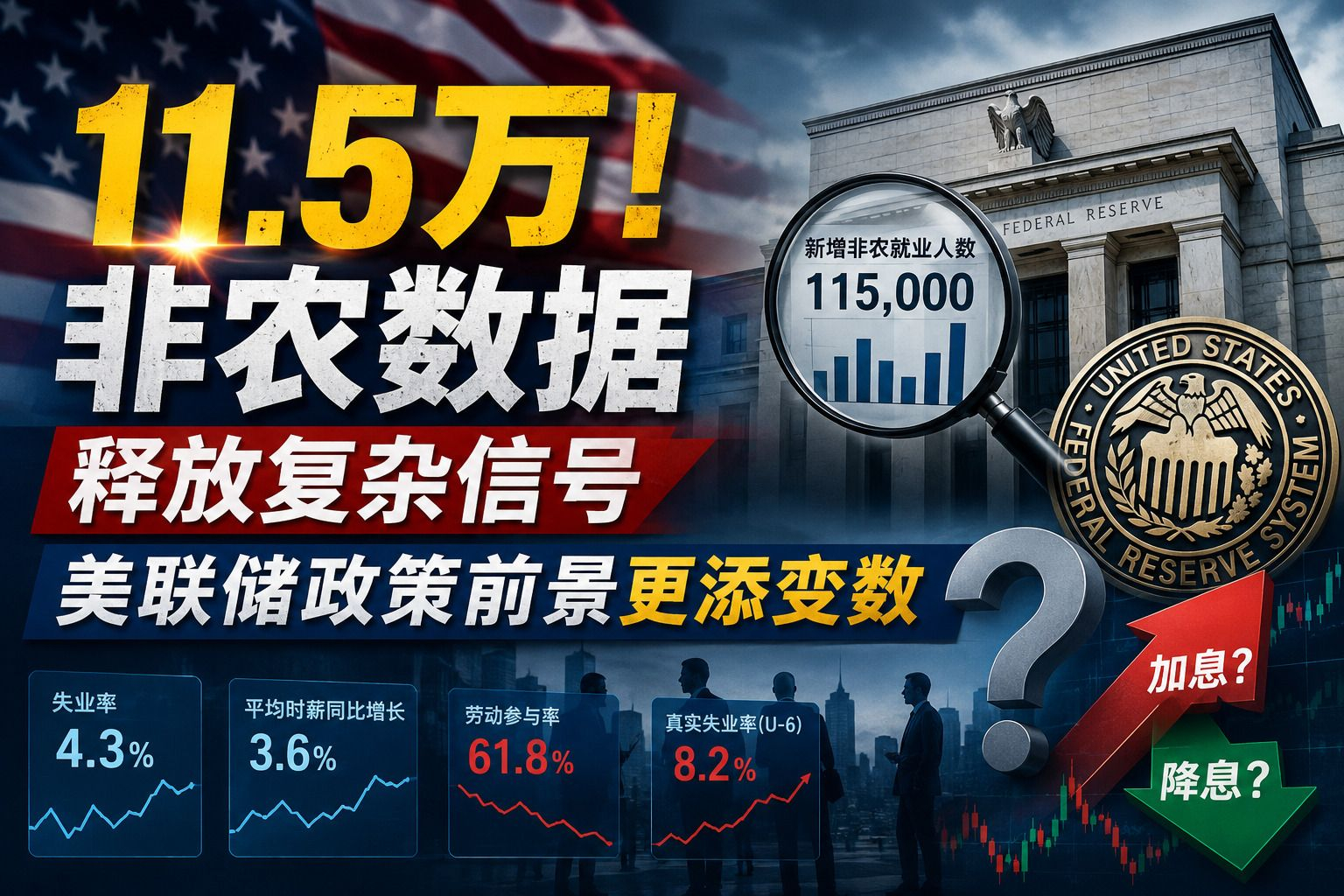
📢 Bloomberg Chief Economist: Next week’s Nonfarm Payrolls data may be weak, and the probability of Fed rate hikes may decline
Hua Jian Kong Quick News: On August 29, Bloomberg Chief Economist Anna Wong said in an analysis that the upcoming U.S. nonfarm payrolls report next week carries risks of weakening, and there is even a possibility of recording negative employment growth. This data will directly influence the Fed’s subsequent monetary policy stance.
She noted that, looking back at the policy history of the modern Federal Reserve, there has not been an example of initiating rate hikes in a backdrop of consecutive two periods of negative nonfarm employment growth. If employment continues to cool, market expectations for the Fed to tighten monetary policy would likely fall noticeably.
Employment is the key benchmark the Fed uses to weigh interest rates. Weak nonfarm data may dampen expectations for U.S. Treasuries and a stronger U.S. dollar, indirectly providing sentiment support for risk assets. However, it’s also important to remember that inflation data remains an important constraint; it does not necessarily mean a shift toward easing. The market still needs to wait for the data to be released and validated.#美联储9月加息概率升至57%
⚠️ Information sharing only and does not constitute investment advice.
Hua Jian Kong Quick News: On August 29, Bloomberg Chief Economist Anna Wong said in an analysis that the upcoming U.S. nonfarm payrolls report next week carries risks of weakening, and there is even a possibility of recording negative employment growth. This data will directly influence the Fed’s subsequent monetary policy stance.
She noted that, looking back at the policy history of the modern Federal Reserve, there has not been an example of initiating rate hikes in a backdrop of consecutive two periods of negative nonfarm employment growth. If employment continues to cool, market expectations for the Fed to tighten monetary policy would likely fall noticeably.
Employment is the key benchmark the Fed uses to weigh interest rates. Weak nonfarm data may dampen expectations for U.S. Treasuries and a stronger U.S. dollar, indirectly providing sentiment support for risk assets. However, it’s also important to remember that inflation data remains an important constraint; it does not necessarily mean a shift toward easing. The market still needs to wait for the data to be released and validated.#美联储9月加息概率升至57%
⚠️ Information sharing only and does not constitute investment advice.



Log in to explore more content