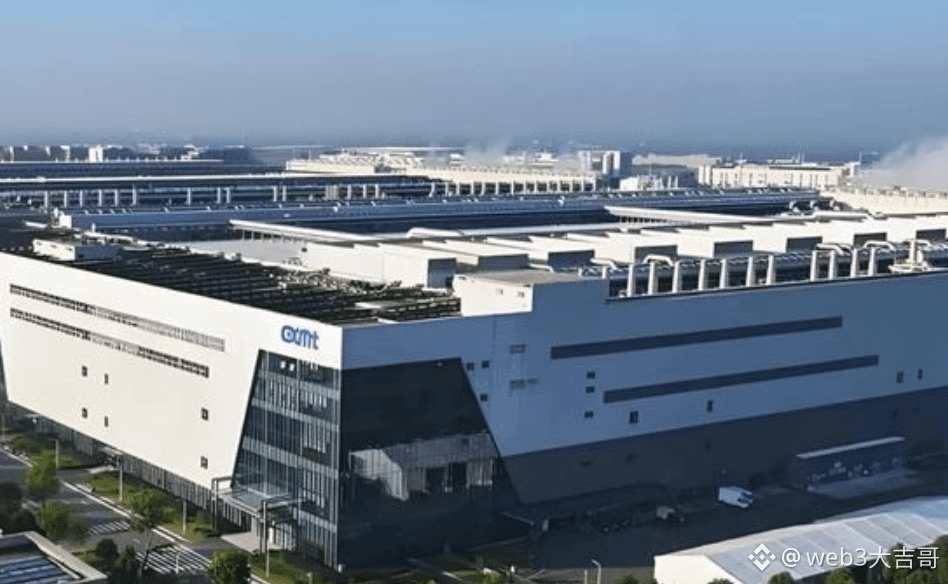
ChangXin Technology enters the global high-end memory market; LPDDR6 achieves first commercial breakthrough
Domestic storage chips have made an important step forward.
ChangXin Technology announced that its independently developed next-generation low-power memory, LPDDR6, has entered mass production and for the first time has been used in Xiaomi 18 Fold, its flagship foldable smartphone.
This means that for the first time, global LPDDR6 products have achieved commercial deployment. It also marks the first time domestic storage companies have made a global-first mass-production breakthrough in the high-end memory standard segment.
According to information, ChangXin’s LPDDR6 reaches a peak transmission speed of 12,800 Mbps through architecture optimizations and upgrades to data transmission technologies, with a maximum capacity of up to 16GB. It delivers further improvements in both performance and power consumption.
In simple terms, the high-end memory market has long been dominated by overseas vendors. Now, domestic storage is accelerating its catch-up and beginning to take on challenges in even more advanced technology areas.
The development of AI phones, foldable-screen devices, and smart terminals is driving continued growth in memory demand, while domestic chip manufacturers are entering a new window of opportunity.
Domestic storage chips have made an important step forward.
ChangXin Technology announced that its independently developed next-generation low-power memory, LPDDR6, has entered mass production and for the first time has been used in Xiaomi 18 Fold, its flagship foldable smartphone.
This means that for the first time, global LPDDR6 products have achieved commercial deployment. It also marks the first time domestic storage companies have made a global-first mass-production breakthrough in the high-end memory standard segment.
According to information, ChangXin’s LPDDR6 reaches a peak transmission speed of 12,800 Mbps through architecture optimizations and upgrades to data transmission technologies, with a maximum capacity of up to 16GB. It delivers further improvements in both performance and power consumption.
In simple terms, the high-end memory market has long been dominated by overseas vendors. Now, domestic storage is accelerating its catch-up and beginning to take on challenges in even more advanced technology areas.
The development of AI phones, foldable-screen devices, and smart terminals is driving continued growth in memory demand, while domestic chip manufacturers are entering a new window of opportunity.