
白鲨观点
539 Posts

白鲨观点
交易之神,白鲨观点,同名公众号x。
Frequent Trader
5.3 Years
107 Following
20.6K+ Followers
5.6K+ Liked
Posts
All
Quotes
Videos
Live
PINNED
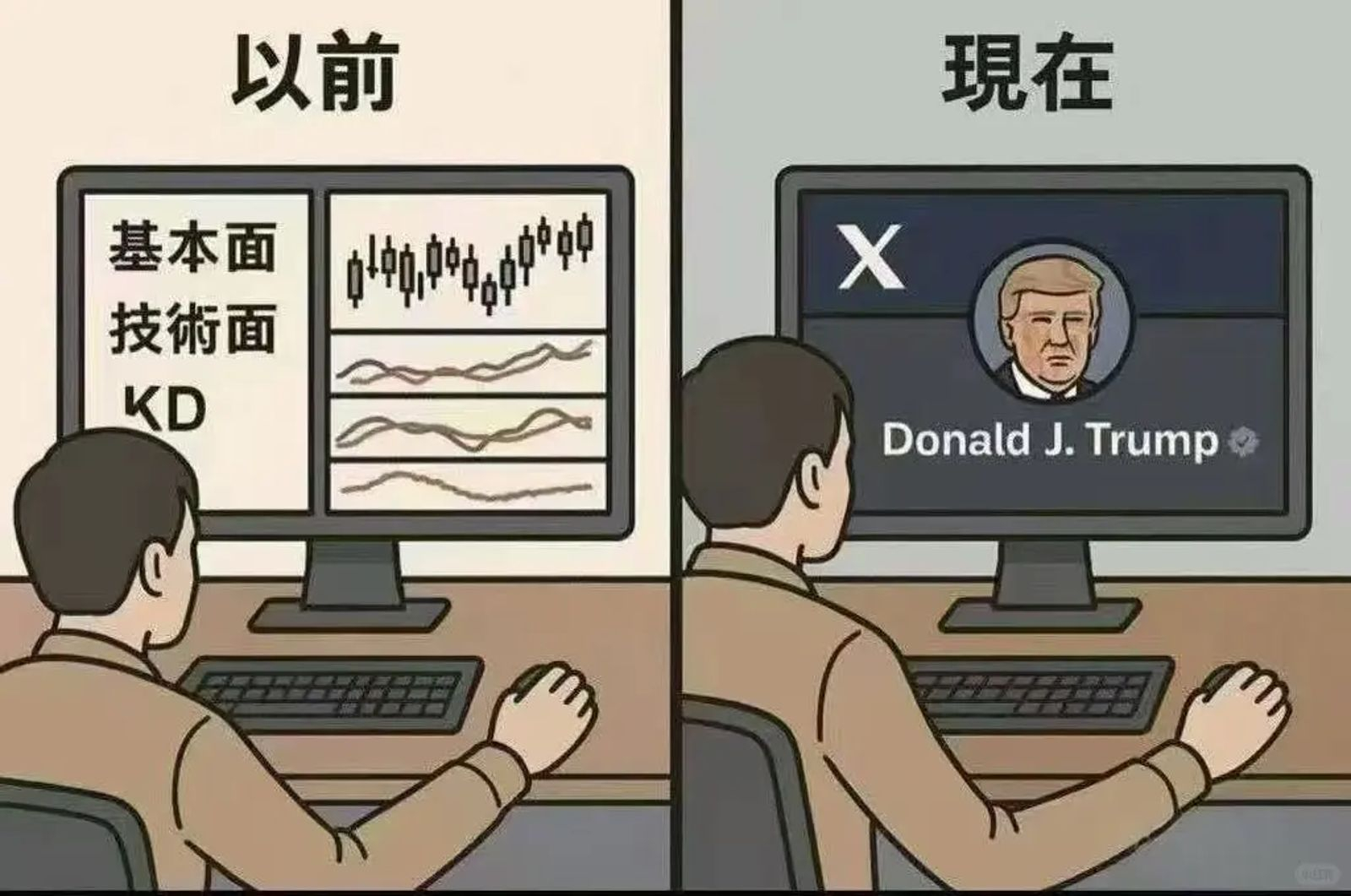
Previously I thought that trading, like any other industry,
was the same: as long as you worked hard enough, you could get ahead. So I stared at the charts for 16 hours every day—drawing K-line charts over and over, studying dozens of indicators, scrolling the news nonstop for 24 hours. Even when I slept, I kept my phone under my pillow. Whenever the market moved, I’d wake up.
And what happened? The harder I tried, the more I lost.
Later, it gradually clicked for me:
Trading isn’t like construction work. It’s not that if you do one more hour, you’ll earn one more hour of money.
Quite the opposite.
The more frequently you trade, the higher the probability you’ll make mistakes.
The truly profitable trades are often the ones you wait for,
not the ones you force into existence.
Patience—waiting for the right opportunity,
patiently holding the correct position,
patiently letting profits grow on their own—
those stretches of time when it feels like you’re doing nothing,
are actually the most valuable part of trading.
It’s kind of ironic when you think about it:
When I first started, I was always hunting for opportunities, always wanting to trade. In the end, I lost terribly.
Now, I might only make trades once or twice a week—
and yet I earn more than before.
So sometimes I wonder:
are we really competing with the market,
or are we competing with our own “reluctance”?
Reluctant to miss any market move,
reluctant to let the money in the account sit idle,
reluctant to just watch other people make money…
In the end, I realized:
all that reluctance is a trap.
Slow down. Do less.
And you’ll go farther.
#BinanceSquare #BTC #交易心得 #交易认知
was the same: as long as you worked hard enough, you could get ahead. So I stared at the charts for 16 hours every day—drawing K-line charts over and over, studying dozens of indicators, scrolling the news nonstop for 24 hours. Even when I slept, I kept my phone under my pillow. Whenever the market moved, I’d wake up.
And what happened? The harder I tried, the more I lost.
Later, it gradually clicked for me:
Trading isn’t like construction work. It’s not that if you do one more hour, you’ll earn one more hour of money.
Quite the opposite.
The more frequently you trade, the higher the probability you’ll make mistakes.
The truly profitable trades are often the ones you wait for,
not the ones you force into existence.
Patience—waiting for the right opportunity,
patiently holding the correct position,
patiently letting profits grow on their own—
those stretches of time when it feels like you’re doing nothing,
are actually the most valuable part of trading.
It’s kind of ironic when you think about it:
When I first started, I was always hunting for opportunities, always wanting to trade. In the end, I lost terribly.
Now, I might only make trades once or twice a week—
and yet I earn more than before.
So sometimes I wonder:
are we really competing with the market,
or are we competing with our own “reluctance”?
Reluctant to miss any market move,
reluctant to let the money in the account sit idle,
reluctant to just watch other people make money…
In the end, I realized:
all that reluctance is a trap.
Slow down. Do less.
And you’ll go farther.
#BinanceSquare #BTC #交易心得 #交易认知
PINNED
Sun Yuchen’s piece titled “My Girlfriend Jing Tian” has cornered all the trending topics on the entire Chinese internet. My first reaction was to laugh; and as I kept laughing, I thought—this is just too “Sun Yuchen.”
A man with a net worth of $8.5 billion, for more than $30 million in bride price, lays out details of his ex-girlfriend’s private life for the whole internet to watch. You say he’s short on money? No way. You say he’s deeply devoted? Even the ending has a line that says, “This article is entirely fictional.”
It’s like the pump-and-dump tactics commonly seen in the crypto circle—you think it’s value discovery, but in reality it’s attention being cashed out. Sun Yuchen has always understood this: the Buffett lunch was filmed and then he didn’t go, using the heat for two waves; he paid $6.2 million for a banana and ate it publicly, getting headlines everywhere. His life is a continuous “market-making” of attention—every incident is like an “on-chain” moment, turning controversy, gossip, and shock value into traffic and exposure.
But you need to see the essence clearly: attention can pump prices, and it can also dump them. The most worth-guarding in this incident isn’t the melodramatic plot—it’s that the founder’s public-opinion risk is now transmitting to related assets. Tron TRX, HTX, and the Trump coin he’s deeply tied to are, in essence, “Sun Yuchen concept stocks.” When the founder’s public image shifts from “the king of crypto marketing” to “the male lead in a relationship dispute,” the fragility of the chip structure gets amplified.
More subtly, there’s the detail that’s been mentioned again and again: when Jing Tian asked him, “Can you come to Beijing?” he went silent. Behind that silence lie questions about travel restrictions, regulatory risk, and asset liquidity. For someone who can’t even get back to the capital, how much of his wealth is paper glory, and how much is real cash in hand—let the market weigh it.
Gossip is for looking at, not for paying for the story. The iron rules of the crypto world have never changed: the more noisy the founder is, the more calmly you must think. He’s cashed in all that attention—yet you might end up becoming the cost of the attention economy.
#孙割 #景甜 #Binance #BTC
A man with a net worth of $8.5 billion, for more than $30 million in bride price, lays out details of his ex-girlfriend’s private life for the whole internet to watch. You say he’s short on money? No way. You say he’s deeply devoted? Even the ending has a line that says, “This article is entirely fictional.”
It’s like the pump-and-dump tactics commonly seen in the crypto circle—you think it’s value discovery, but in reality it’s attention being cashed out. Sun Yuchen has always understood this: the Buffett lunch was filmed and then he didn’t go, using the heat for two waves; he paid $6.2 million for a banana and ate it publicly, getting headlines everywhere. His life is a continuous “market-making” of attention—every incident is like an “on-chain” moment, turning controversy, gossip, and shock value into traffic and exposure.
But you need to see the essence clearly: attention can pump prices, and it can also dump them. The most worth-guarding in this incident isn’t the melodramatic plot—it’s that the founder’s public-opinion risk is now transmitting to related assets. Tron TRX, HTX, and the Trump coin he’s deeply tied to are, in essence, “Sun Yuchen concept stocks.” When the founder’s public image shifts from “the king of crypto marketing” to “the male lead in a relationship dispute,” the fragility of the chip structure gets amplified.
More subtly, there’s the detail that’s been mentioned again and again: when Jing Tian asked him, “Can you come to Beijing?” he went silent. Behind that silence lie questions about travel restrictions, regulatory risk, and asset liquidity. For someone who can’t even get back to the capital, how much of his wealth is paper glory, and how much is real cash in hand—let the market weigh it.
Gossip is for looking at, not for paying for the story. The iron rules of the crypto world have never changed: the more noisy the founder is, the more calmly you must think. He’s cashed in all that attention—yet you might end up becoming the cost of the attention economy.
#孙割 #景甜 #Binance #BTC

1


Ahmed Ali Nizamani
·
--
50 + 730 = 🎁🎁🎁🎁✨
1

慢就是快Mike
·
--
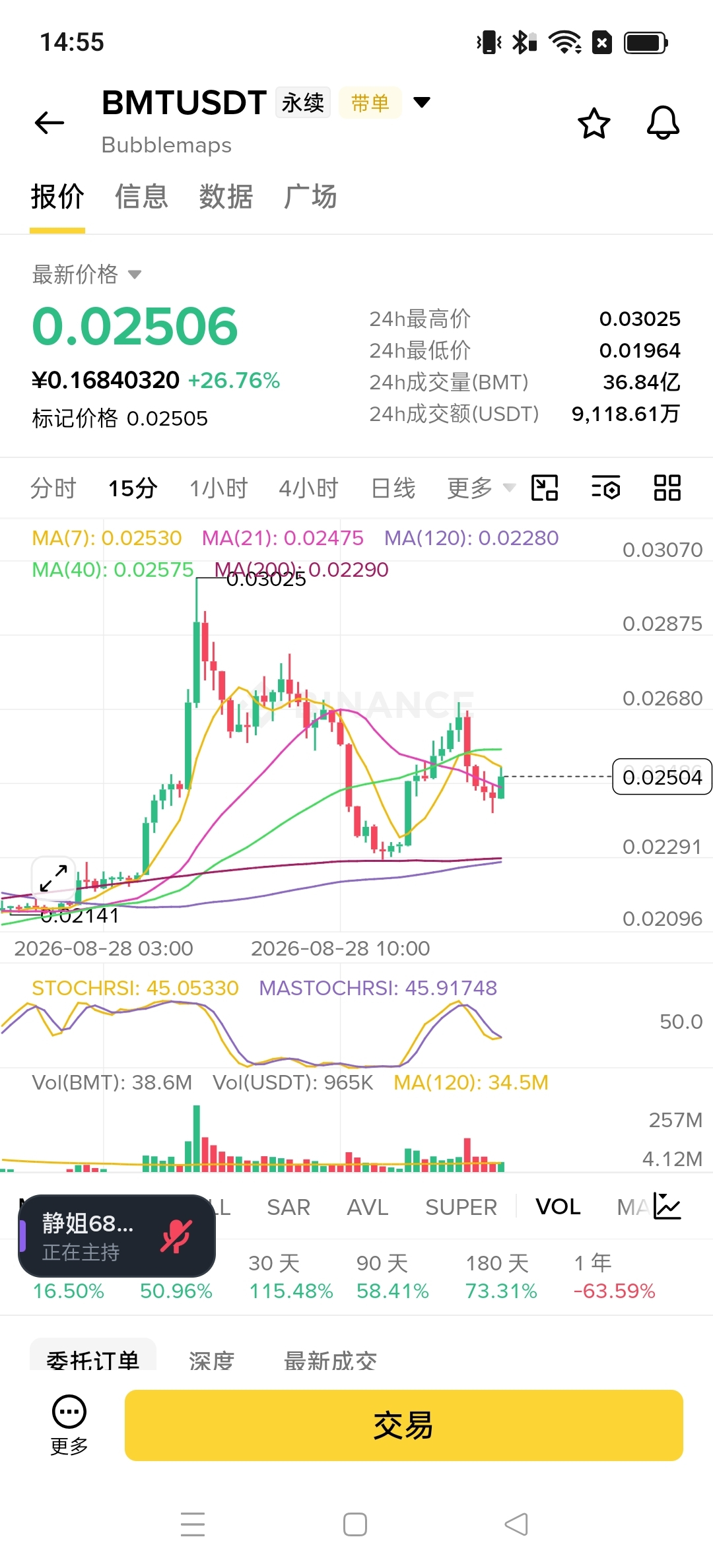
$BMT ! Wow!
Good

周周1688
·
--
UXUY × SUBB Special Event | A Big Binance Plaza AMA Is Coming!🔥🔥
$BNB 🧧🧧
📅 Time: August 29 (tonight) 21:00 - 22:00
📍 Tune in: Zhouzhou 1688 Live Room
We’ll hold an in-depth conversation around the UXUY and SUBB ecosystem, kick off real-time Q&A interaction, and chat with industry partners about new opportunities in Web3.
🎁 There are plenty of on-site interactive rewards—join in for a chance to win surprises!
#SUBB #uxuy #币安广场AMA
$BNB 🧧🧧
📅 Time: August 29 (tonight) 21:00 - 22:00
📍 Tune in: Zhouzhou 1688 Live Room
We’ll hold an in-depth conversation around the UXUY and SUBB ecosystem, kick off real-time Q&A interaction, and chat with industry partners about new opportunities in Web3.
🎁 There are plenty of on-site interactive rewards—join in for a chance to win surprises!
#SUBB #uxuy #币安广场AMA

Good

远方1688 BNB
·
--
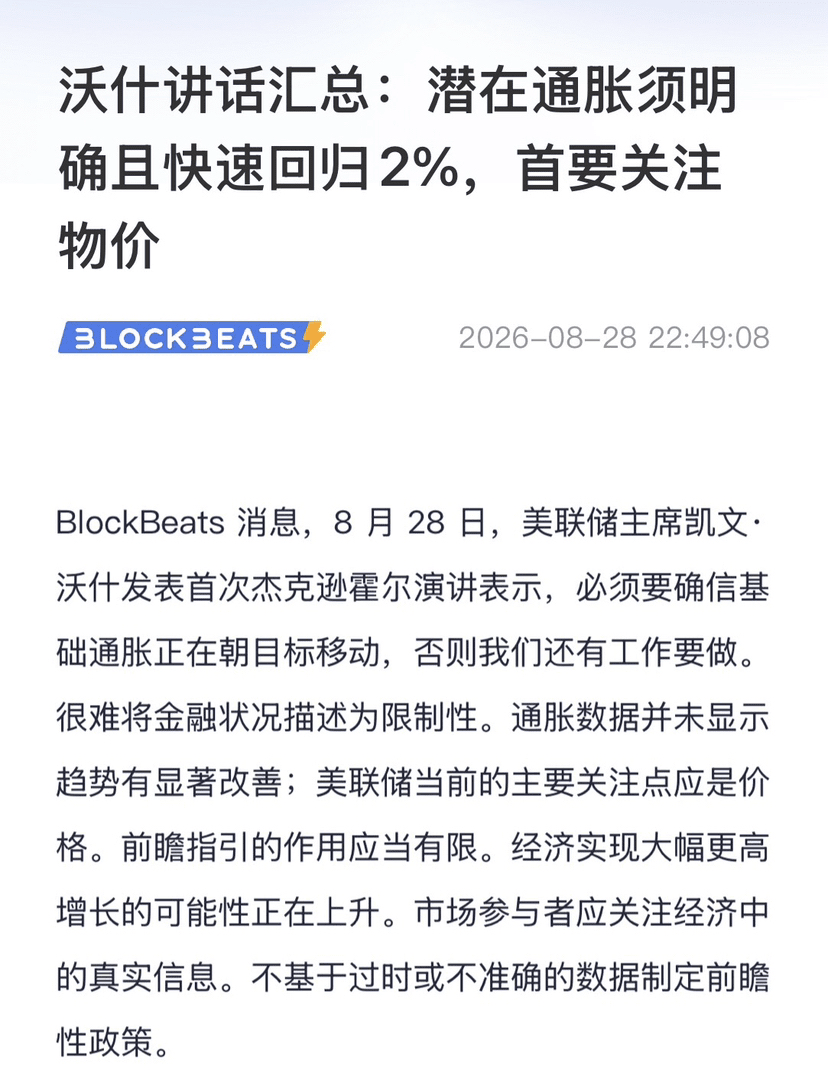
Don’t be optimistic and interpret Vosh’s remarks as a straightforward positive for rate cuts this time.
He clearly stated that the 2% inflation target will not change, but the current data is not yet sufficient to prove that inflation is returning to 2% quickly. This is crucial.
What the market wants to trade most right now is a rate cut—but what the Fed truly cares about is inflation.
If the subsequent PCE and CPI data continue to improve, expectations for easing will naturally heat up;
but if inflation proves to be erratic, rate-cut expectations will be repriced just the same.
So at this stage, I actually think we should stay a bit cautious.
The market can price in rate-cut expectations early, but before liquidity truly turns more accommodative, expectations are ultimately just expectations.
The hotter the market has been recently, the more you can’t look at only prices—the macro story hasn’t really run its full course yet.
He clearly stated that the 2% inflation target will not change, but the current data is not yet sufficient to prove that inflation is returning to 2% quickly. This is crucial.
What the market wants to trade most right now is a rate cut—but what the Fed truly cares about is inflation.
If the subsequent PCE and CPI data continue to improve, expectations for easing will naturally heat up;
but if inflation proves to be erratic, rate-cut expectations will be repriced just the same.
So at this stage, I actually think we should stay a bit cautious.
The market can price in rate-cut expectations early, but before liquidity truly turns more accommodative, expectations are ultimately just expectations.
The hotter the market has been recently, the more you can’t look at only prices—the macro story hasn’t really run its full course yet.


·
--
🎙️ Build Binance Square, DCA BNB|Saturday—Is today’s market action related to what the Fed’s “talk” from last night said? Let’s chat~

End
05 h 22 m 55 s
16.2k
61
Can’t sleep. I got up and checked the market. It’s still the same.
Suddenly I want to ask everyone a question:
When you first entered the crypto circle, what was it for?
Let me go first:
In 2017, a friend told me buying BTC made money. I took a shot at it and invested 20,000.
Back then, I was thinking something very simple:
Make some extra cash, buy a slightly better car, and get a bigger house for my family.
What about later?
It went up, it went down. I got liquidated, and I also doubled my money.
You make money and you lose money, but people change a lot.
From staring at the charts for 16 hours a day, to now checking three times a day;
From fantasies of getting rich overnight, to slowly accepting “slow is fast.”
I came in at first for the money,
and now I stay for more than that—it’s become habit.
I’ve gotten used to this kind of volatility.
I’ve gotten used to the people and things in this circle.
I’ve gotten used to finding a bit of certainty in uncertainty.
What about you?
Why did you come in back then?
And what’s your reason for still holding on now?
Talk about it in the comments.
Anyway, none of us can sleep.
#BinanceSquare #BTC #币圈人生 #交易者日常 #深夜话题
Suddenly I want to ask everyone a question:
When you first entered the crypto circle, what was it for?
Let me go first:
In 2017, a friend told me buying BTC made money. I took a shot at it and invested 20,000.
Back then, I was thinking something very simple:
Make some extra cash, buy a slightly better car, and get a bigger house for my family.
What about later?
It went up, it went down. I got liquidated, and I also doubled my money.
You make money and you lose money, but people change a lot.
From staring at the charts for 16 hours a day, to now checking three times a day;
From fantasies of getting rich overnight, to slowly accepting “slow is fast.”
I came in at first for the money,
and now I stay for more than that—it’s become habit.
I’ve gotten used to this kind of volatility.
I’ve gotten used to the people and things in this circle.
I’ve gotten used to finding a bit of certainty in uncertainty.
What about you?
Why did you come in back then?
And what’s your reason for still holding on now?
Talk about it in the comments.
Anyway, none of us can sleep.
#BinanceSquare #BTC #币圈人生 #交易者日常 #深夜话题

A trader I know got liquidated last week.
We’ve known each other for three years—he’s a very hardworking trader.
When BTC surged from 63,000 to 81,000 this week, he was gone.
It wasn’t just that he lost money—he completely lost his place in this world—
He used 50x leverage to short $, full position, and got liquidated.
The principal was the down payment he’d planned for a house, plus the money he borrowed from relatives.
Yesterday he messaged me saying he won’t touch futures contracts anymore.
He found a regular job—9 to 5—and he’s going to live steadily.
I didn’t try to talk him out of it, and I didn’t comfort him.
Because I know stories like this are playing out in the crypto world every day.
Most of the time, what you hear is “someone made X times,”
and nobody goes around saying they got liquidated.
So today, I won’t talk about the market—just plain human words:
Leverage—when used properly, it’s an accelerator; when used poorly, it’s a crushing machine.
You can win 10 times, but if you lose just once, you might end up with nothing at all.
Spot can be held long-term, but futures can’t—
Time is always your biggest enemy.
Don’t tell me anything like “fortune favors those who take risks.”
The truth is, the ones who can truly survive in this market
are never the bravest.
They’re the most cautious.
#BinanceSquare #交易心得分享 #合约交易 #币圈故事 #BTC
We’ve known each other for three years—he’s a very hardworking trader.
When BTC surged from 63,000 to 81,000 this week, he was gone.
It wasn’t just that he lost money—he completely lost his place in this world—
He used 50x leverage to short $, full position, and got liquidated.
The principal was the down payment he’d planned for a house, plus the money he borrowed from relatives.
Yesterday he messaged me saying he won’t touch futures contracts anymore.
He found a regular job—9 to 5—and he’s going to live steadily.
I didn’t try to talk him out of it, and I didn’t comfort him.
Because I know stories like this are playing out in the crypto world every day.
Most of the time, what you hear is “someone made X times,”
and nobody goes around saying they got liquidated.
So today, I won’t talk about the market—just plain human words:
Leverage—when used properly, it’s an accelerator; when used poorly, it’s a crushing machine.
You can win 10 times, but if you lose just once, you might end up with nothing at all.
Spot can be held long-term, but futures can’t—
Time is always your biggest enemy.
Don’t tell me anything like “fortune favors those who take risks.”
The truth is, the ones who can truly survive in this market
are never the bravest.
They’re the most cautious.
#BinanceSquare #交易心得分享 #合约交易 #币圈故事 #BTC

Is fear and greed index 71 the signal to call the top? Don’t get fooled.
Recently, a lot of people have been saying, “It’s getting greedy—so it’s about to drop.” The fear and greed index is at 71 now, so run.
Let me say one thing: is 71 really “greed”?
Let me show you a few numbers:
2021 bull market peak: 95
Oct 2025 BTC touched 126,000: 88
Now: 71—just entered the “greed” threshold
What is real greed?
It’s when a grandma at the market asks you what coin to buy,
It’s when a taxi driver chats about the candlestick chart,
It’s when even your mom wants to get in—
That’s what you call greed.
So what about now?
There are still tons of people shouting “a bear-market bounce” “pump to distribute,”
The bears are still stubborn, and the bulls are still hesitating.
Price rises amid doubt, and ends in celebration.
Since there are still so many people who are in doubt, it means the end is far from here.
Do you think this is the top, or just halfway up the mountain?
$BTC #BinanceSquare #BTC #行情分析📈 #加密货币
Recently, a lot of people have been saying, “It’s getting greedy—so it’s about to drop.” The fear and greed index is at 71 now, so run.
Let me say one thing: is 71 really “greed”?
Let me show you a few numbers:
2021 bull market peak: 95
Oct 2025 BTC touched 126,000: 88
Now: 71—just entered the “greed” threshold
What is real greed?
It’s when a grandma at the market asks you what coin to buy,
It’s when a taxi driver chats about the candlestick chart,
It’s when even your mom wants to get in—
That’s what you call greed.
So what about now?
There are still tons of people shouting “a bear-market bounce” “pump to distribute,”
The bears are still stubborn, and the bulls are still hesitating.
Price rises amid doubt, and ends in celebration.
Since there are still so many people who are in doubt, it means the end is far from here.
Do you think this is the top, or just halfway up the mountain?
$BTC #BinanceSquare #BTC #行情分析📈 #加密货币

I respect you guys who are still fully loaded.
Let me say something that might get me criticized:
If you’re going all-in around the $80,000 BTC level, you’re either a real pro or a real rookie.
From $62,000 to $79,000—up 27% in two weeks.
It moves fast, but the risk isn’t small either.
At the $80,000 level, there’s resistance from the previous highs above, and selling pressure from profit-takers below—no matter how you look at it, it doesn’t seem like a place for “safe full allocation.”
But I also understand those who are fully allocated:
After being sidelined for more than half a month, you finally chased in—while everyone around you is making money. It creates anxiety. You believe the bull market just started. To you, $80,000 is only the foot of the mountain.
With trading, though, position management matters more than directional judgment.
If you get the direction wrong, with a lighter position you can still hold on;
If you get the direction right, with a heavy position one pullback can wipe you out.
Full allocation isn’t bravery—it’s gambling.
Real高手 (pros) always keep their ammunition.
$BTC #BinanceSquare #BTC #仓位管理 #交易心得
Let me say something that might get me criticized:
If you’re going all-in around the $80,000 BTC level, you’re either a real pro or a real rookie.
From $62,000 to $79,000—up 27% in two weeks.
It moves fast, but the risk isn’t small either.
At the $80,000 level, there’s resistance from the previous highs above, and selling pressure from profit-takers below—no matter how you look at it, it doesn’t seem like a place for “safe full allocation.”
But I also understand those who are fully allocated:
After being sidelined for more than half a month, you finally chased in—while everyone around you is making money. It creates anxiety. You believe the bull market just started. To you, $80,000 is only the foot of the mountain.
With trading, though, position management matters more than directional judgment.
If you get the direction wrong, with a lighter position you can still hold on;
If you get the direction right, with a heavy position one pullback can wipe you out.
Full allocation isn’t bravery—it’s gambling.
Real高手 (pros) always keep their ammunition.
$BTC #BinanceSquare #BTC #仓位管理 #交易心得
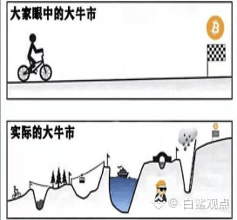
After three years of trading, the most important lesson I learned: accepting imperfection
Every night, I review the market. Sitting in front of my computer, I’d just stare for a while.
Then it hit me—three years ago, when I first entered the market, I was always chasing perfect trades—
Buy the dip at the absolute lowest point, exit at the exact highest point. Every single trade must be profitable.
So what happened?
The more I pursued perfection, the easier it was to miss the move; the more I feared losses, the more likely I was to get trapped.
Trading is like grabbing sand. The tighter you clench, the faster it slips through.
Later, I slowly figured it out—
Don’t chase the fish head, don’t chase the fish tail. Only eat the fattest part of the fish. Out of ten trades, being right on six and wrong on four is already when skilled traders make more when they’re winning and lose less when they’re not. Over the long run, that’s how you win.
Like this round of the market: I didn’t buy all the way down at 62,000, and I didn’t sell at the peak at 79,000.
But in the middle stretch, I held steadily.
The highest level of trading isn’t getting every trade right—it’s being able to afford the mistakes and hold your ground when you’re right.
Life is the same.
There’s no perfect choice—only the choices you make, and then making them the right ones.
Good night, everyone. Tomorrow is a new day.
#BinanceSquare #交易心得分享 #BTC #加密货币 #交易者日常
Every night, I review the market. Sitting in front of my computer, I’d just stare for a while.
Then it hit me—three years ago, when I first entered the market, I was always chasing perfect trades—
Buy the dip at the absolute lowest point, exit at the exact highest point. Every single trade must be profitable.
So what happened?
The more I pursued perfection, the easier it was to miss the move; the more I feared losses, the more likely I was to get trapped.
Trading is like grabbing sand. The tighter you clench, the faster it slips through.
Later, I slowly figured it out—
Don’t chase the fish head, don’t chase the fish tail. Only eat the fattest part of the fish. Out of ten trades, being right on six and wrong on four is already when skilled traders make more when they’re winning and lose less when they’re not. Over the long run, that’s how you win.
Like this round of the market: I didn’t buy all the way down at 62,000, and I didn’t sell at the peak at 79,000.
But in the middle stretch, I held steadily.
The highest level of trading isn’t getting every trade right—it’s being able to afford the mistakes and hold your ground when you’re right.
Life is the same.
There’s no perfect choice—only the choices you make, and then making them the right ones.
Good night, everyone. Tomorrow is a new day.
#BinanceSquare #交易心得分享 #BTC #加密货币 #交易者日常
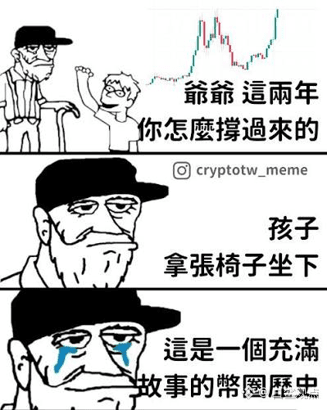
In this rebound, were you sidelined and missed the boat, chased in mid-way and ended up stuck, or did you steadily take a bite and come out ahead? Come clean.
First, let me confess: I’m in the third category—I steadily rode the middle portion, and made about 15% profit.
I didn’t dare bottom-fish at 62,000, afraid there might be even lower prices; I started cutting my position at 78,000, afraid of getting hit by a pullback.
I didn’t fully eat from both ends, but the middle meat was chewed up thoroughly and reliably.
Trading is like eating sugarcane. You can’t get sweet from start to finish. If you can manage to eat the sweetest part in the middle, you’ve already outperformed 80% of people.
Now let’s count:
If you were sidelined and missed it, comment “1”. If you chased in mid-way and got trapped, comment “2”. If you’re like me and actually came out ahead, comment “3”.
Let me see which side has the most people. The side with more people is probably the one that’s wrong.
#BinanceSquare #BTC #交易心得分享 #加密货币 #投资者注意
First, let me confess: I’m in the third category—I steadily rode the middle portion, and made about 15% profit.
I didn’t dare bottom-fish at 62,000, afraid there might be even lower prices; I started cutting my position at 78,000, afraid of getting hit by a pullback.
I didn’t fully eat from both ends, but the middle meat was chewed up thoroughly and reliably.
Trading is like eating sugarcane. You can’t get sweet from start to finish. If you can manage to eat the sweetest part in the middle, you’ve already outperformed 80% of people.
Now let’s count:
If you were sidelined and missed it, comment “1”. If you chased in mid-way and got trapped, comment “2”. If you’re like me and actually came out ahead, comment “3”.
Let me see which side has the most people. The side with more people is probably the one that’s wrong.
#BinanceSquare #BTC #交易心得分享 #加密货币 #投资者注意
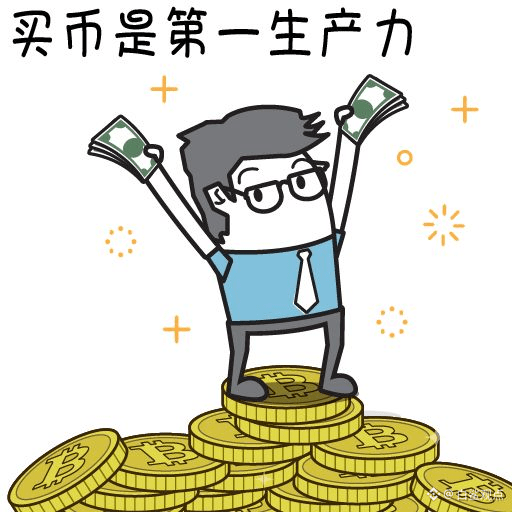
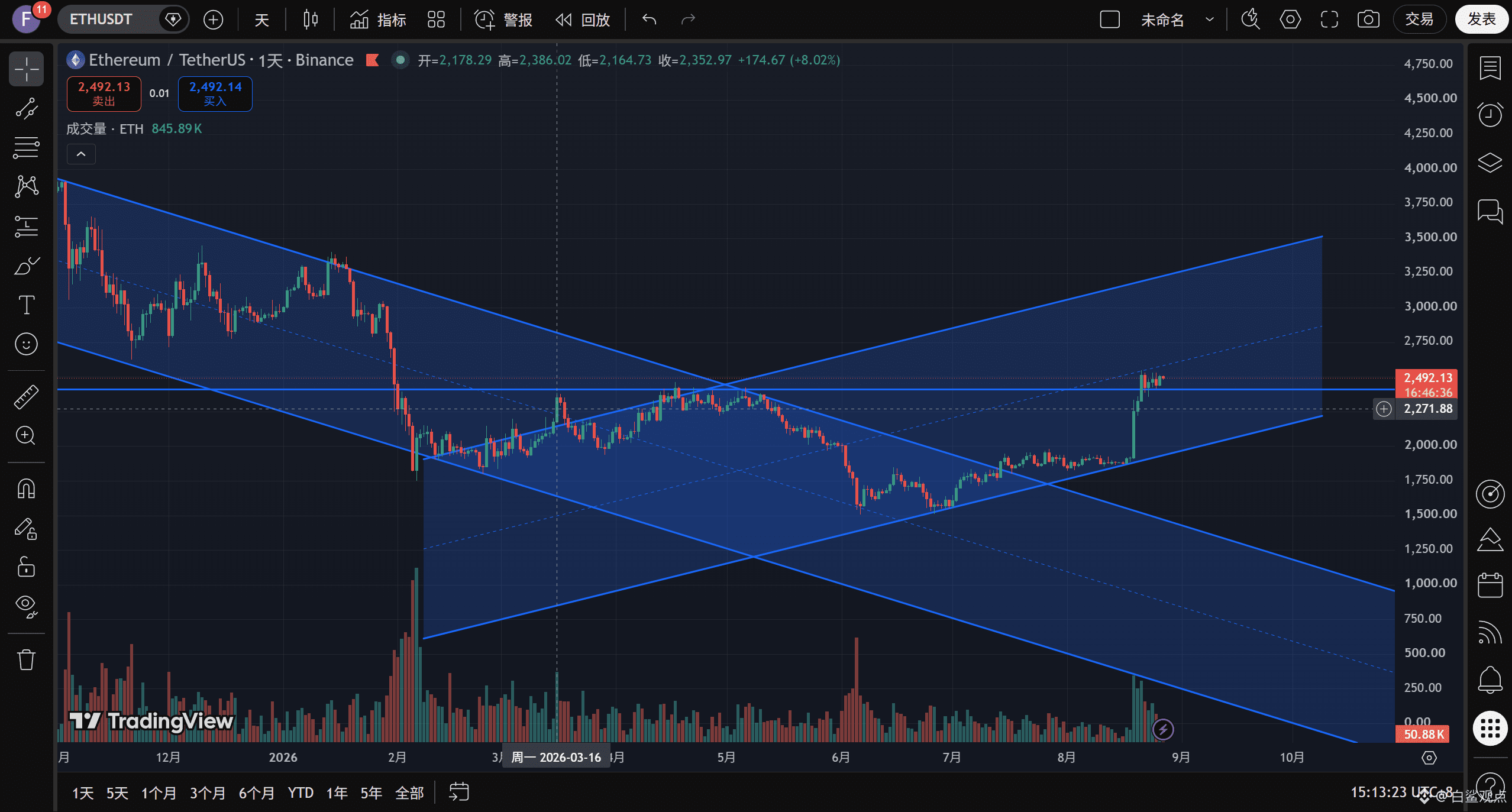
Woke up this morning and checked the market—after BTC touched 79,200, it got smashed back down again. A lot of people are starting to panic. But let me say this: don’t just focus on BTC—this wave in ETH is the real powerhouse.
Let me share a few key numbers:
BTC’s current price is 78,800, up 0.2% over the past 24 hours. The resistance in the 79,000–80,000 range is indeed strong.
ETH’s current price is 2,495. Up 2% over the past 24 hours. Its 30-day cumulative gain is 27%, which is exactly 7 percentage points stronger than BTC.
ETF net inflows have continued for 7 straight days. BTC’s cumulative net inflow is $2.57 billion. ETH has also been rising for 7 consecutive days.
Why do I say ETH might be the next star?
It’s simple: BTC is like a large-cap stock—stable, but with limited upside volatility. ETH is more like a growth stock. Once a bull market is confirmed, ETH’s gains often crush BTC’s.
Also, there’s a detail you may have noticed recently—Bitmine bought 32,000 ETH in a week. Its holdings are up to 5.85 million ETH. That’s not an amount retail investors can play with.
Right now, the market feels like a seesaw. Too many people are on the BTC side, so it won’t move. On the ETH side, new capital has just entered and hasn’t reached the peak yet.
My plan: keep BTC at half position unchanged. Add another 20% position to ETH. Set a stop-loss at 2,400, with an initial target of 2,700.
Do you think this ETH move can outperform BTC? Vote in the comments.
#BinanceSquareTalks #bitcoin #BTC #ETH #加密货币
Let me share a few key numbers:
BTC’s current price is 78,800, up 0.2% over the past 24 hours. The resistance in the 79,000–80,000 range is indeed strong.
ETH’s current price is 2,495. Up 2% over the past 24 hours. Its 30-day cumulative gain is 27%, which is exactly 7 percentage points stronger than BTC.
ETF net inflows have continued for 7 straight days. BTC’s cumulative net inflow is $2.57 billion. ETH has also been rising for 7 consecutive days.
Why do I say ETH might be the next star?
It’s simple: BTC is like a large-cap stock—stable, but with limited upside volatility. ETH is more like a growth stock. Once a bull market is confirmed, ETH’s gains often crush BTC’s.
Also, there’s a detail you may have noticed recently—Bitmine bought 32,000 ETH in a week. Its holdings are up to 5.85 million ETH. That’s not an amount retail investors can play with.
Right now, the market feels like a seesaw. Too many people are on the BTC side, so it won’t move. On the ETH side, new capital has just entered and hasn’t reached the peak yet.
My plan: keep BTC at half position unchanged. Add another 20% position to ETH. Set a stop-loss at 2,400, with an initial target of 2,700.
Do you think this ETH move can outperform BTC? Vote in the comments.
#BinanceSquareTalks #bitcoin #BTC #ETH #加密货币

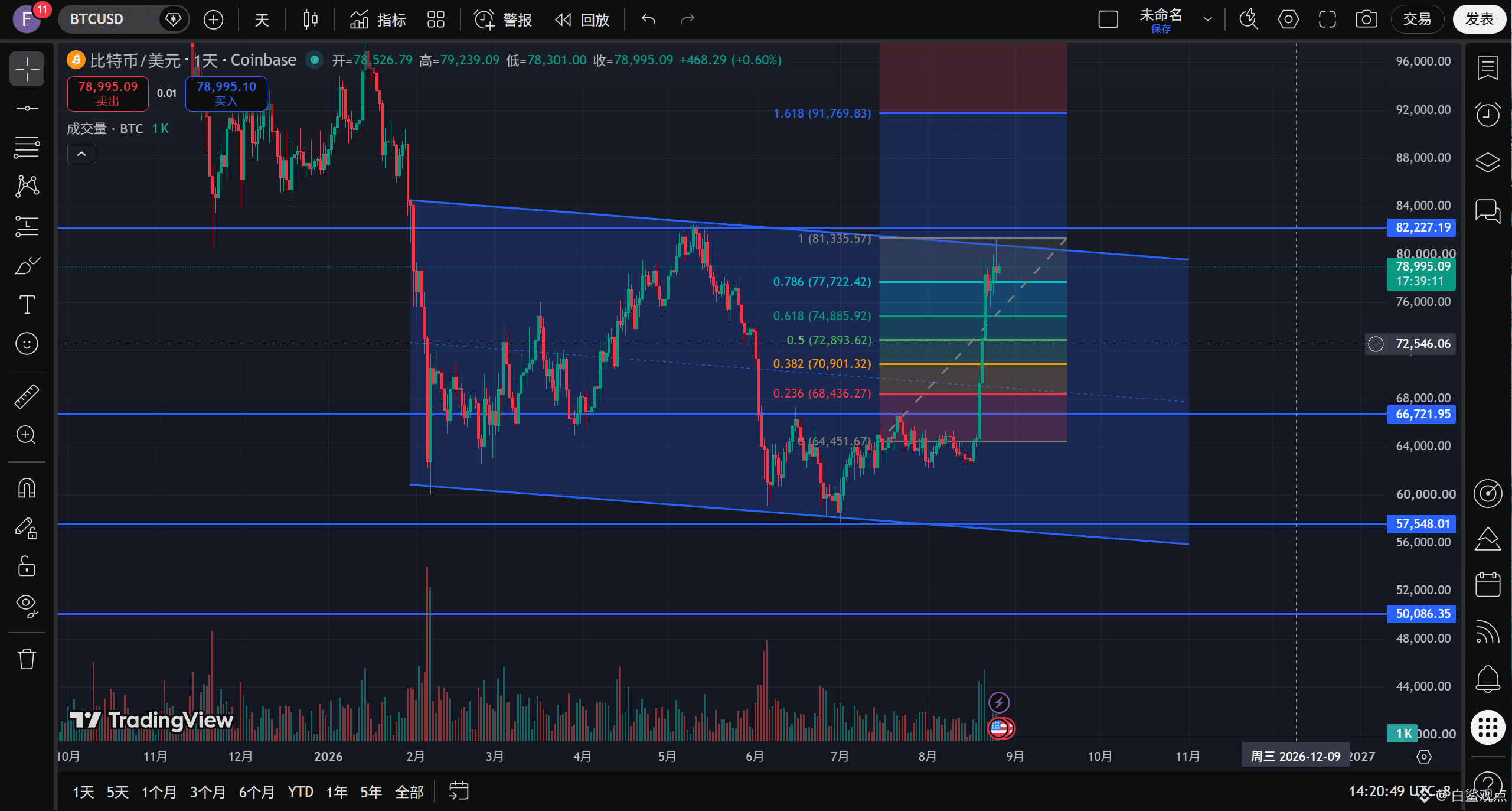
The BTC Greed Index has already surged to 79, and Trump’s call is still way too bullish. 😂😂😂
In recent times, tensions in geopolitics have eased, and oil prices promptly fell 8%. In addition, various U.S. economic indicators have also cooled, providing a step toward Federal Reserve interest-rate cuts and strengthening market expectations for a rate cut.
After Trump took the stage in support of crypto, BTC promptly surged 25%.
Now, aside from BTC not yet breaking the previous high, assets like ETH and SOL have both broken through the most recent valid resistance level.
At present, as long as BTC fails to effectively break 828, and a pullback also cannot break 74500, we will continue to look bearish. However, the long-term bearish view must always be on guard against the possibility that a bull market is beginning.
So for the near term, we should still expect range-bound movement—let the bullish momentum digest. Now we can patiently wait for the trading range to form, then trade it a few times; that should be enough to profit.
After Trump took the stage in support of crypto, BTC promptly surged 25%.
Now, aside from BTC not yet breaking the previous high, assets like ETH and SOL have both broken through the most recent valid resistance level.
At present, as long as BTC fails to effectively break 828, and a pullback also cannot break 74500, we will continue to look bearish. However, the long-term bearish view must always be on guard against the possibility that a bull market is beginning.
So for the near term, we should still expect range-bound movement—let the bullish momentum digest. Now we can patiently wait for the trading range to form, then trade it a few times; that should be enough to profit.
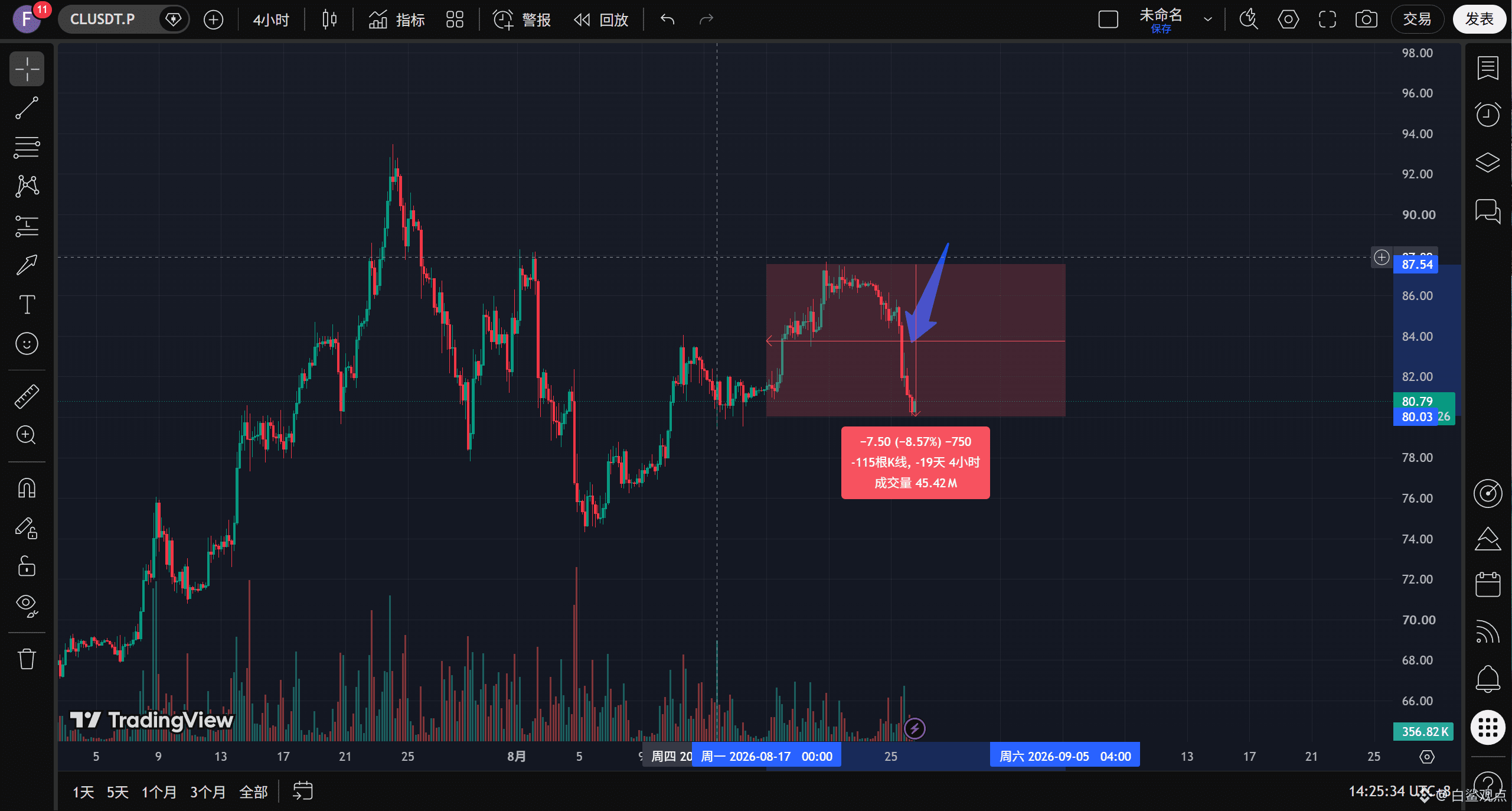
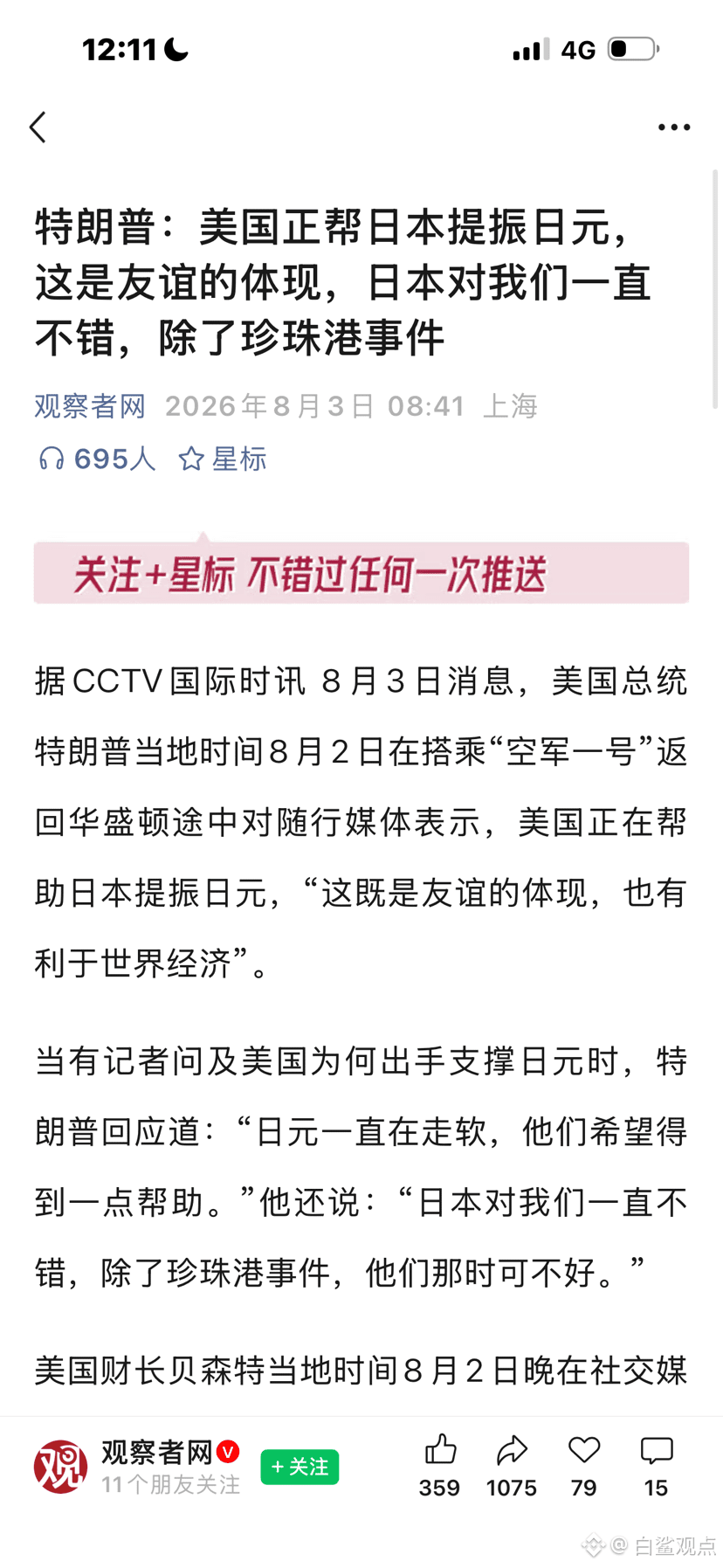
The yen’s main upward surge is about to begin. After a brief consolidation at the bottom, it should trigger at least one round of gains of no less than 30%.
Log in to explore more content