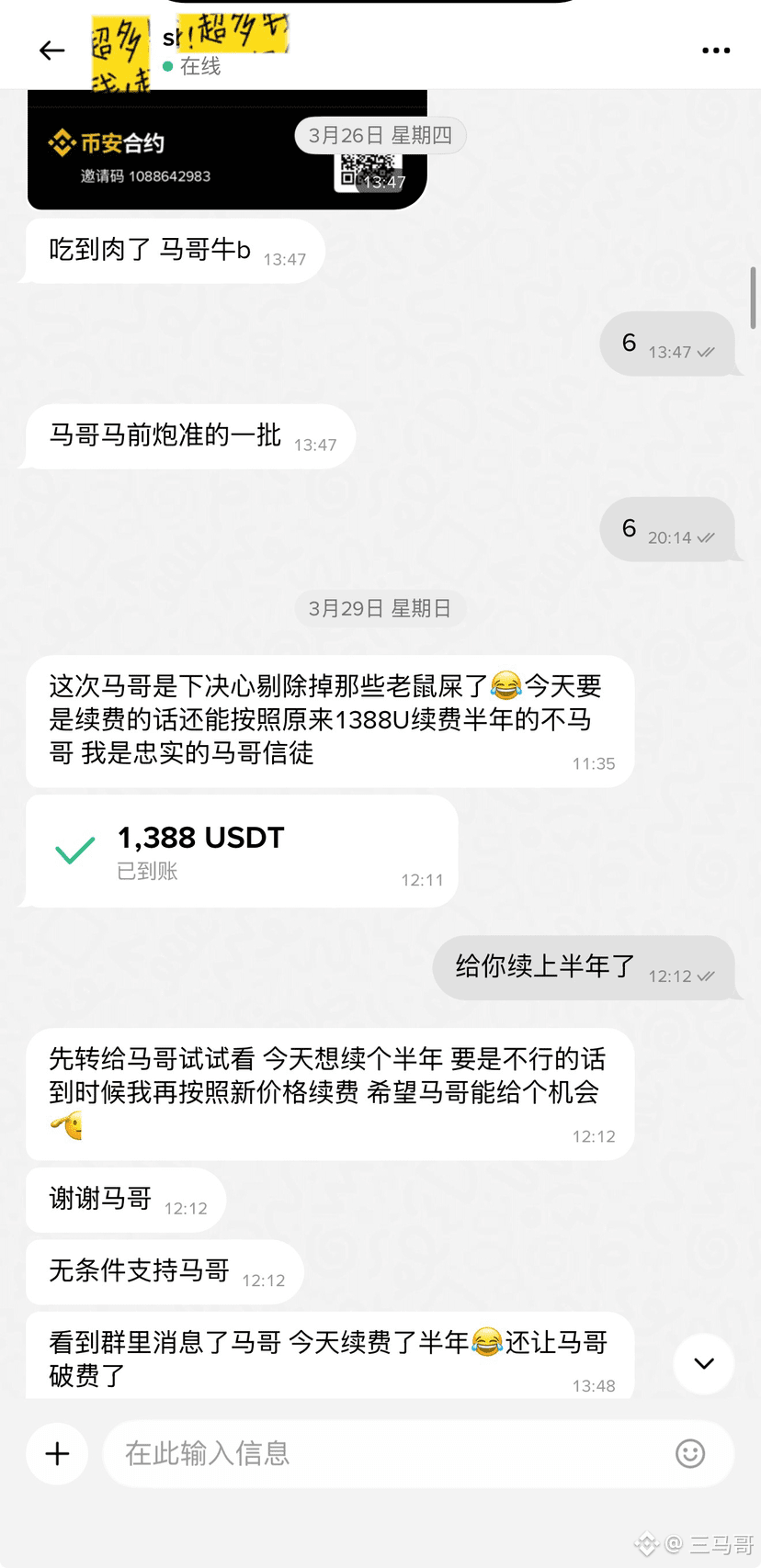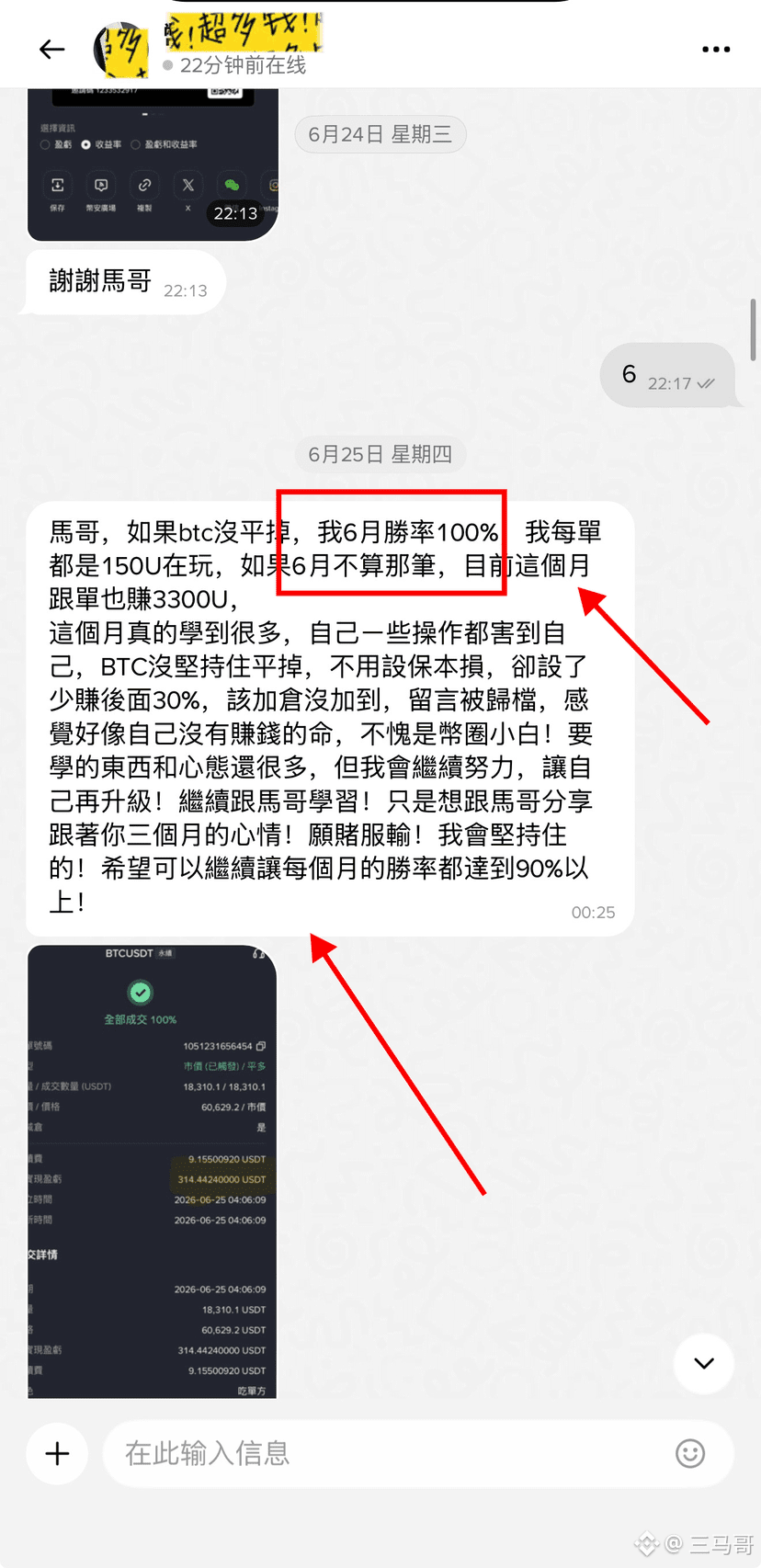
The contract strategy of separating trades by market conditions and volatility is not that every month’s returns are fixed and unchanging. For example, in May it was a bear market, but our win rate reached 100%. We went short Ethereum and placed 45 consecutive trades, continuously adding to shorts while the profit was floating.
From May to June, the market kept crashing, and there were many people who managed to flip the account. The win rate and the people who regained their accounts were very high. In July and August, the market was consolidating and bottoming out—there were choppy moves and we both went long and short to “feed on both sides.” We placed 55 trades and stopped out 4.
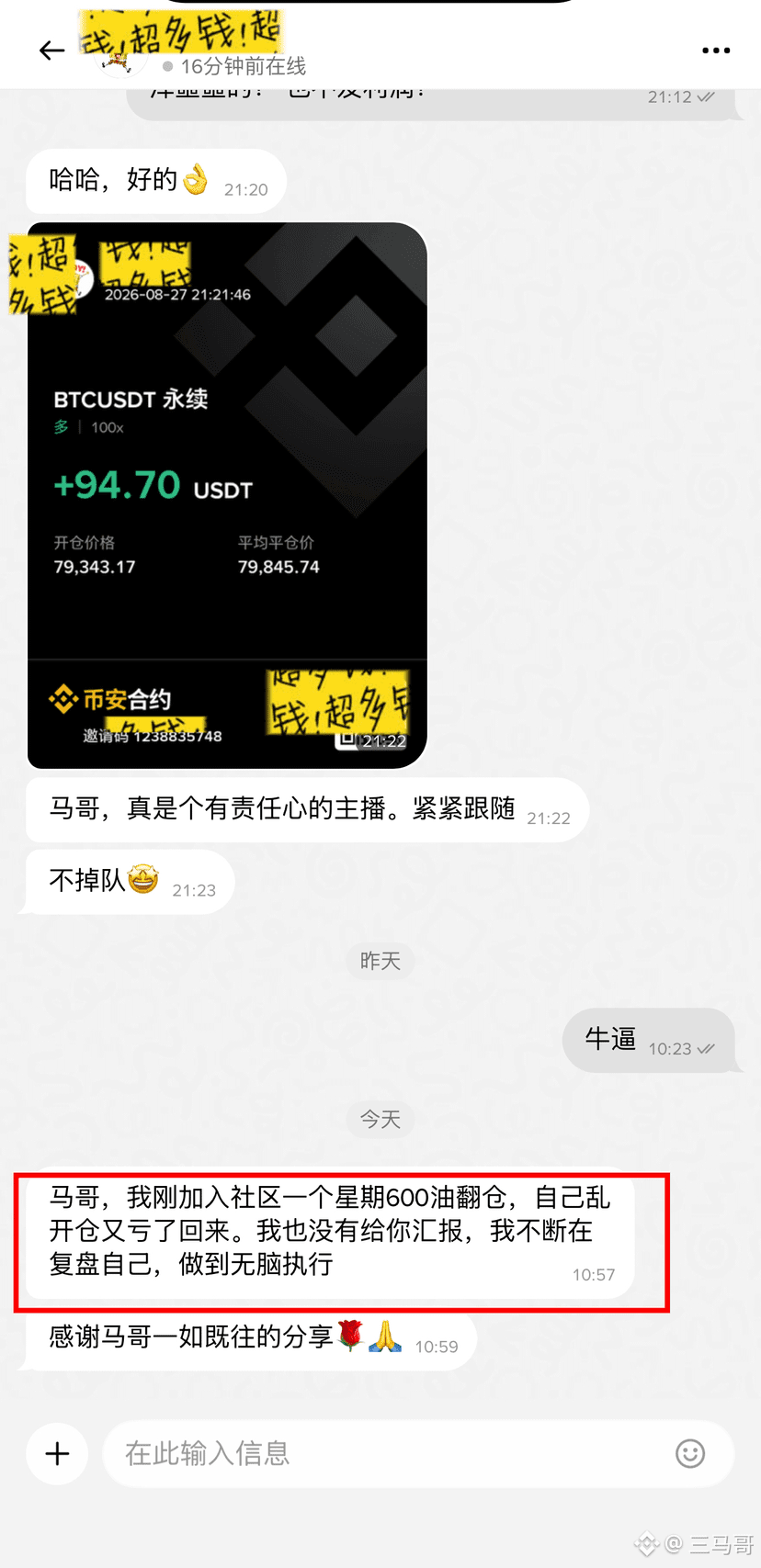
So your misconception is that you think each month’s market is the same—that’s one-sided. In August, a bull market started: Bitcoin surged by 30%+. But many people can’t hold their positions. Once it rises a little, they exit, and they still trade with bear-market thinking. In the end, they’re not as consistently profitable as before. Even though they still made money, they didn’t make the shift in mindset to a bull-market approach.
In a bull market, there can also be sharp pullbacks and selloffs. So it’s wrong to think it will just keep rising all the time. According to many members who followed it for more than 6 months and kept renewing, their own feedback showed an average monthly return of about 30%. With positions opened larger, the risk (i.e., drawdown) for the higher-risk accounts could be 55%+. The “degenerate gambler” reports showed a one-month account flip of 4x, or 400%. But the risk for degenerate gamblers is that they will inevitably get liquidated if they can’t withstand the order book volatility. These are the things they reported via private messages, because there are too many people in the bull market now and there’s no time to统计(track and analyze) every day. #BTC #翻仓 👉🏻历史翻仓
From May to June, the market kept crashing, and there were many people who managed to flip the account. The win rate and the people who regained their accounts were very high. In July and August, the market was consolidating and bottoming out—there were choppy moves and we both went long and short to “feed on both sides.” We placed 55 trades and stopped out 4.
So your misconception is that you think each month’s market is the same—that’s one-sided. In August, a bull market started: Bitcoin surged by 30%+. But many people can’t hold their positions. Once it rises a little, they exit, and they still trade with bear-market thinking. In the end, they’re not as consistently profitable as before. Even though they still made money, they didn’t make the shift in mindset to a bull-market approach.
In a bull market, there can also be sharp pullbacks and selloffs. So it’s wrong to think it will just keep rising all the time. According to many members who followed it for more than 6 months and kept renewing, their own feedback showed an average monthly return of about 30%. With positions opened larger, the risk (i.e., drawdown) for the higher-risk accounts could be 55%+. The “degenerate gambler” reports showed a one-month account flip of 4x, or 400%. But the risk for degenerate gamblers is that they will inevitably get liquidated if they can’t withstand the order book volatility. These are the things they reported via private messages, because there are too many people in the bull market now and there’s no time to统计(track and analyze) every day. #BTC #翻仓 👉🏻历史翻仓