
ETHcryptohub
16.5k Posts
 LIVE
LIVEETHcryptohub
 Square Verified+
Gold Standard Club, the Founding Co-builder of Binance's Top Guild! Verified KOL ✅ Binance Future Scalper ✅ Content Writer ✅ X : @Sanjaygupt74977

GRVT Holder
High-Frequency Trader
5.7 Years
1.3K+ Following
47.3K+ Followers
44.3K+ Liked
Posts
All
Quotes
Videos
Live
PINNED
PINNED
Verified
30D trade $DUSK 1.3K USDT
#dusk $DUSK @Dusk
What I find interesting about Dusk is that its bigger idea is not simply putting financial assets on a blockchain. The harder problem is making the infrastructure fit the way regulated finance actually works. Institutions need privacy, controlled access, clear settlement, and the ability to disclose information when required. Dusk is building these pieces into the same environment instead of treating them as separate layers.
The privacy part matters more than it might seem. A public ledger can make transactions easy to verify, but exposing every balance, position, and trade is not practical for many financial businesses. Dusk uses confidential transfers, zero-knowledge proofs, and selective disclosure so information can stay protected while still being available to the parties that need it, while still being available to the parties that need it.
What makes the infrastructure more interesting to me is how these pieces connect. Identity and access controls can determine who is allowed to participate, asset rules can control how something moves, and deterministic settlement can make the final transaction predictable. Developers can also use familiar EVM tooling through DuskEVM instead of having to abandon the tools they already know.
That is the part I think people can easily overlook. Tokenizing an asset is relatively simple compared with rebuilding the market around it. Issuance, investor eligibility, transfers, settlement, reporting, and disclosure all have to work together. Dusk is trying to make those requirements part of the infrastructure itself.
For me, the bigger thesis is whether this approach can make on-chain finance practical for assets that cannot operate under complete public visibility. If regulated markets move onchain at scale, will the winning infrastructure be the one with the most users, or the one that best handles the rules those markets already depend on?
What I find interesting about Dusk is that its bigger idea is not simply putting financial assets on a blockchain. The harder problem is making the infrastructure fit the way regulated finance actually works. Institutions need privacy, controlled access, clear settlement, and the ability to disclose information when required. Dusk is building these pieces into the same environment instead of treating them as separate layers.
The privacy part matters more than it might seem. A public ledger can make transactions easy to verify, but exposing every balance, position, and trade is not practical for many financial businesses. Dusk uses confidential transfers, zero-knowledge proofs, and selective disclosure so information can stay protected while still being available to the parties that need it, while still being available to the parties that need it.
What makes the infrastructure more interesting to me is how these pieces connect. Identity and access controls can determine who is allowed to participate, asset rules can control how something moves, and deterministic settlement can make the final transaction predictable. Developers can also use familiar EVM tooling through DuskEVM instead of having to abandon the tools they already know.
That is the part I think people can easily overlook. Tokenizing an asset is relatively simple compared with rebuilding the market around it. Issuance, investor eligibility, transfers, settlement, reporting, and disclosure all have to work together. Dusk is trying to make those requirements part of the infrastructure itself.
For me, the bigger thesis is whether this approach can make on-chain finance practical for assets that cannot operate under complete public visibility. If regulated markets move onchain at scale, will the winning infrastructure be the one with the most users, or the one that best handles the rules those markets already depend on?
Rules First
75%
Users Matter
0%
Compliance Wins
25%
8 votes • Voting closed
1
Smart Tr ⁶⁶⁰
·
--
JAPAN JUST OPENED THE DOOR
FOR SHIB. #REWARDS 🎁🎁🎁
Nomura-backed Laser Digital Japan added SHIB as one of only 6 supported cryptos after FSA approval — alongside BTC, ETH, XRP.
Burn rate up 441% in 24h. Exchange balances dropping fast — whales moving SHIB off exchanges.
$1000SHIB | $ETH | $XRP
#XRPUSDT🚨
#ETH
#SHIB
FOR SHIB. #REWARDS 🎁🎁🎁
Nomura-backed Laser Digital Japan added SHIB as one of only 6 supported cryptos after FSA approval — alongside BTC, ETH, XRP.
Burn rate up 441% in 24h. Exchange balances dropping fast — whales moving SHIB off exchanges.
$1000SHIB | $ETH | $XRP
#XRPUSDT🚨
#ETH
#SHIB
1

Stella_ DCruz
·
--
click here 👈🌹
$NVDAB
join & claim web3 benefits 🚀👈
$NVDAB
join & claim web3 benefits 🚀👈

2
MrRUHUL
·
--
who let bro cook this hard 🧧🎁💰💵🧧🎁💰💵🧧🎁💰💵🧧🎁💰💵🧧🎁💰💵

2

A L I A N S A R I
·
--
guys claim gift 🎁🎁🎁

2

Prof Denial
·
--
I’m giving a $DOGE 🐶 reward 🎁 to our community as a BIG gift of appreciation.
💛claim it before the reward is gone.💛
💛 Don’t wait and miss your chance! 💛
💛claim it before the reward is gone.💛
💛 Don’t wait and miss your chance! 💛

3

Frenzy _13
·
--
Hello crypto friends 🤗✨
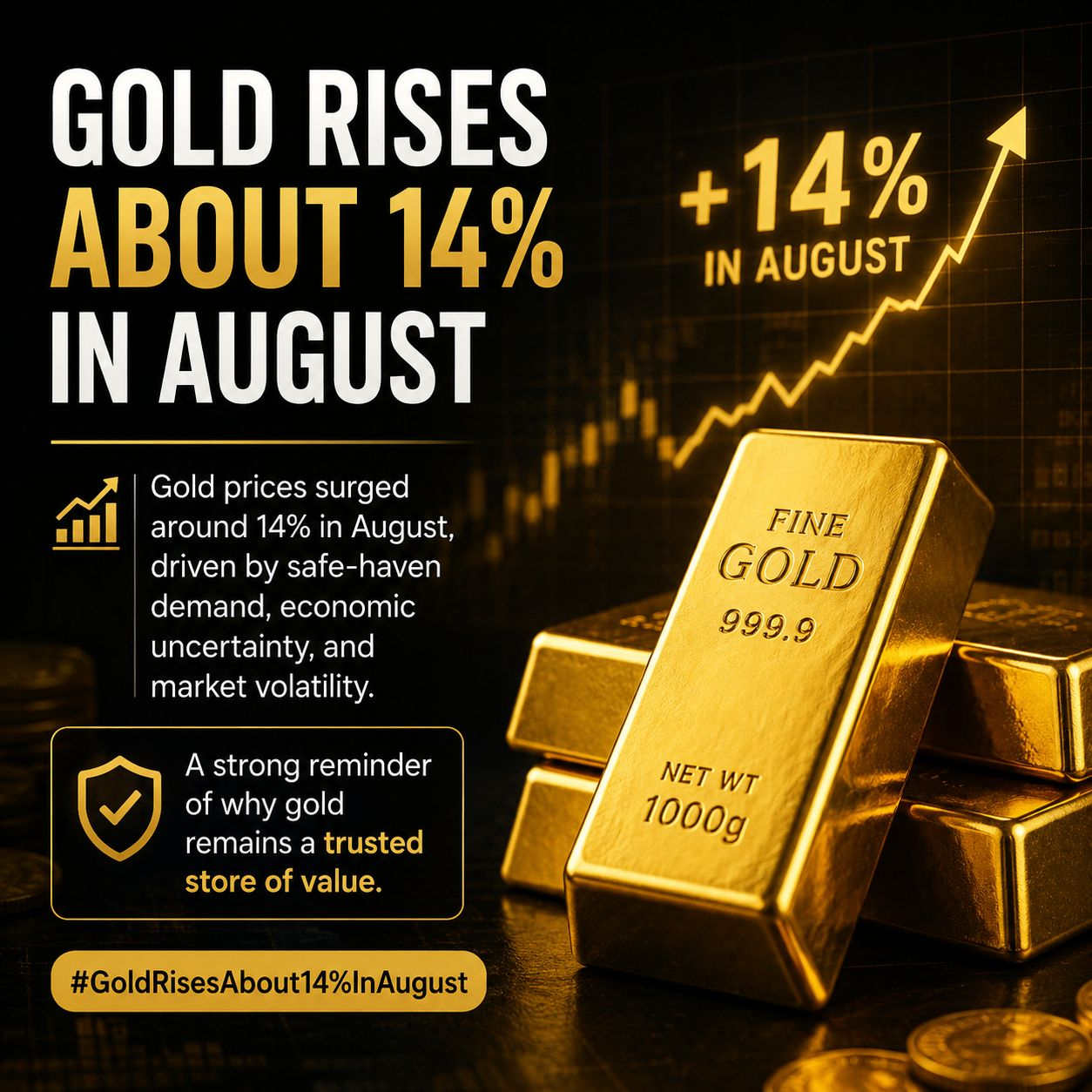
Gold is up around 14% in August, and that’s definitely caught my attention. To me, this move looks bigger than just a short-term price pump. It shows how much interest investors still have in safe-haven assets. Now I’m watching to see if this momentum can carry into September.
$XAU
Gold is up around 14% in August, and that’s definitely caught my attention. To me, this move looks bigger than just a short-term price pump. It shows how much interest investors still have in safe-haven assets. Now I’m watching to see if this momentum can carry into September.
$XAU
2
KAN_ 加密 143
·
--
BNB (originally Binance Coin) is a major native cryptocurrency that powers the BNB Chain ecosystem and the Binance exchange🌹💕
follow 💕🌹
like💕🌹
repost💕🌹
$BNB $XRP
follow 💕🌹
like💕🌹
repost💕🌹
$BNB $XRP
1

Coin--King
·
--
People don’t look at their own behavior, yet they still ask why we changed.
🎁 🎁
$BICO $DUSK $BMT
#XRPLeadsCryptoPullbackDropsNearly7% #DollarPostsBiggestGainInNearlyFourWeeks #NvidiaRises4%OnRevenueBeat #XRPRallies44%InAWeek
🎁 🎁
$BICO $DUSK $BMT
#XRPLeadsCryptoPullbackDropsNearly7% #DollarPostsBiggestGainInNearlyFourWeeks #NvidiaRises4%OnRevenueBeat #XRPRallies44%InAWeek
4
Ahmed Ali Nizamani
·
--
50 + 730 = 🎁🎁🎁🎁✨

2

W i F e
·
--
Hello everyone 🤠
Come sometime 🫠 on the hawli 🤭🥱
Come sometime 🫠 on the hawli 🤭🥱

2

Dream Spicer 梦想家
·
--
25K Followers Completed Now I'm Looking Saalar ki Imama😂❤️
We’ve officially reached 25,000 followers on Binance Square.
Honestly, this milestone feels special because it was built one post, one discussion, and one interaction at a time.
I’ve always tried to share research and ideas that are actually worth reading not just chase numbers.
To celebrate, I’m sharing a Red Packet with the community. 🧧
Thank you to everyone who has been part of the journey.
25K today. Let’s see where we can take it next.
Good luck, everyone. ❤️
To Claim Red Packet
📌 Follow
📌 Repost
📌 Like
📌 Comment
#BinanceSquare #25K #CryptoCommunity
$SOL
We’ve officially reached 25,000 followers on Binance Square.
Honestly, this milestone feels special because it was built one post, one discussion, and one interaction at a time.
I’ve always tried to share research and ideas that are actually worth reading not just chase numbers.
To celebrate, I’m sharing a Red Packet with the community. 🧧
Thank you to everyone who has been part of the journey.
25K today. Let’s see where we can take it next.
Good luck, everyone. ❤️
To Claim Red Packet
📌 Follow
📌 Repost
📌 Like
📌 Comment
#BinanceSquare #25K #CryptoCommunity
$SOL

1

E L E X A
·
--
🚨 LIVE NOW 🚨
Watching is easy… winning takes action 👀
Want free $USDT?
💬 Comment 666
❤️ Like
🔁 Share
➕ Follow
⏳ Spots are filling fast
Comment 666 now 🚀
#Crypto #USDT
Watching is easy… winning takes action 👀
Want free $USDT?
💬 Comment 666
❤️ Like
🔁 Share
➕ Follow
⏳ Spots are filling fast
Comment 666 now 🚀
#Crypto #USDT

1

Flora Firdos
·
--
🎁 FREE $USDT GIVEAWAY! 💸
Want a chance to grab some $USDT ? 👀
Just follow these simple steps:
💬 Comment 999
❤️ Like this post
🔄 Repost & share
➕ Follow the account
Don’t wait too long the earlier you join, the better! 🚀
#USDT #CryptoGiveaway #Airdrops_free #USDTfree
Want a chance to grab some $USDT ? 👀
Just follow these simple steps:
💬 Comment 999
❤️ Like this post
🔄 Repost & share
➕ Follow the account
Don’t wait too long the earlier you join, the better! 🚀
#USDT #CryptoGiveaway #Airdrops_free #USDTfree

2
JANNAT BM_
·
--
GIFT🎁 BOX 🎁🎁🎁🎁 BTTC 🧧🧧🧧 CLAIM
1
美琳 Měi Lín
·
--
claim reward $USDT gift for my followers 🎁😄

·
--
🎙️ Let's pala pala each other 🤣
 LIVE
LIVE369 listens · 2 in Live Trading
0
30D trade $DUSK 6.1K USDT
#dusk $DUSK @Dusk
When I look at $DUSK , I think its utility makes more sense when you stop treating the token as just something to hold. It has two jobs inside the network: paying for transactions and execution, and helping secure the network through staking. That gives the token a direct connection to activity happening on Dusk.
The gas side is straightforward. Every transaction uses gas, and fees are paid in DUSK. So as people actually use the network, DUSK becomes part of the basic cost of doing things onchain. For me, that is more meaningful than utility that exists mainly because a project decided to attach a feature to its token.
Staking adds another layer. A minimum of 1,000 DUSK is required for direct staking, with provisioners participating in block proposal and validation. Active provisioners can receive rewards from both new DUSK emissions and transaction fees. There is also a staking-pool route for users who do not want to operate infrastructure themselves.
What I find important is that these two uses connect the token to two different sides of the network. Gas links DUSK to usage, while staking links it to security and participation. Neither guarantees demand, though. The real question is whether actual network activity grows enough for these utilities to matter beyond the token itself.
For me, that is the part worth watching: does DUSK become more useful because people genuinely use and secure the network, rather than because the token simply has more features attached to it?
When I look at $DUSK , I think its utility makes more sense when you stop treating the token as just something to hold. It has two jobs inside the network: paying for transactions and execution, and helping secure the network through staking. That gives the token a direct connection to activity happening on Dusk.
The gas side is straightforward. Every transaction uses gas, and fees are paid in DUSK. So as people actually use the network, DUSK becomes part of the basic cost of doing things onchain. For me, that is more meaningful than utility that exists mainly because a project decided to attach a feature to its token.
Staking adds another layer. A minimum of 1,000 DUSK is required for direct staking, with provisioners participating in block proposal and validation. Active provisioners can receive rewards from both new DUSK emissions and transaction fees. There is also a staking-pool route for users who do not want to operate infrastructure themselves.
What I find important is that these two uses connect the token to two different sides of the network. Gas links DUSK to usage, while staking links it to security and participation. Neither guarantees demand, though. The real question is whether actual network activity grows enough for these utilities to matter beyond the token itself.
For me, that is the part worth watching: does DUSK become more useful because people genuinely use and secure the network, rather than because the token simply has more features attached to it?
Real User Growth
100%
Network Utility
0%
Organic Dema
0%
3 votes • Voting closed
#dusk $DUSK @Dusk
The difficult part of putting real financial markets onchain is not creating another token. It is making the whole process work the way regulated finance already needs it to work. An institution has to know who can participate, protect sensitive information, follow asset-specific rules, and settle trades correctly. That is where Dusk becomes interesting to me. It is trying to bring these requirements into the same infrastructure instead of leaving them scattered across different systems.
The privacy piece is especially important. A public blockchain can make ownership and transaction data visible by default, but a fund, market maker, or investor cannot always operate with every position exposed. Dusk uses confidential transactions and selective disclosure, so information can remain protected while still allowing the right parties to verify what they need to verify.
What I think makes this more useful than simply adding privacy to an existing chain is the wider workflow around it. Dusk combines identity and access controls, asset rules, deterministic settlement, and EVM compatibility. That means a regulated asset can be designed around eligibility, transfers, disclosure, and settlement rather than treating each requirement as a separate problem.
This matters because tokenization will not become meaningful just because stocks or bonds can be represented as tokens. The infrastructure has to handle the boring but essential parts of finance too. If Dusk can make those processes work together without sacrificing privacy or auditability, that could remove a major barrier to real institutional adoption.
For me, the bigger question is simple: will the next stage of onchain finance be about tokenizing more assets, or building infrastructure that can actually handle the way those assets need to operate?
The difficult part of putting real financial markets onchain is not creating another token. It is making the whole process work the way regulated finance already needs it to work. An institution has to know who can participate, protect sensitive information, follow asset-specific rules, and settle trades correctly. That is where Dusk becomes interesting to me. It is trying to bring these requirements into the same infrastructure instead of leaving them scattered across different systems.
The privacy piece is especially important. A public blockchain can make ownership and transaction data visible by default, but a fund, market maker, or investor cannot always operate with every position exposed. Dusk uses confidential transactions and selective disclosure, so information can remain protected while still allowing the right parties to verify what they need to verify.
What I think makes this more useful than simply adding privacy to an existing chain is the wider workflow around it. Dusk combines identity and access controls, asset rules, deterministic settlement, and EVM compatibility. That means a regulated asset can be designed around eligibility, transfers, disclosure, and settlement rather than treating each requirement as a separate problem.
This matters because tokenization will not become meaningful just because stocks or bonds can be represented as tokens. The infrastructure has to handle the boring but essential parts of finance too. If Dusk can make those processes work together without sacrificing privacy or auditability, that could remove a major barrier to real institutional adoption.
For me, the bigger question is simple: will the next stage of onchain finance be about tokenizing more assets, or building infrastructure that can actually handle the way those assets need to operate?
More Asset Types
67%
Better Infrastructure
33%
Both Will Matter
0%
3 votes • Voting closed
Log in to explore more content