BLACKBERRY LOST THE PHONE WAR. NOW IT WANTS TO OWN THE MACHINES.
Remember “BBM me”?
BlackBerry once ruled the smartphone world. Then the iPhone arrived in 2007, Android exploded, and BlackBerry’s consumer phone empire got absolutely crushed.
But here’s the part people are missing:
BlackBerry didn’t die. It transformed.
The company abandoned the battlefield it lost and moved into something far more critical: software that keeps machines alive, connected, and safe.
Today, BlackBerry’s business is primarily built around two pillars:
1. Secure Communications
Encrypted and secure communication technology for governments and other customers where security isn’t optional.
2. QNX
Its embedded software platform for automobiles and other safety-critical systems.
And QNX is the monster hiding underneath the brand.
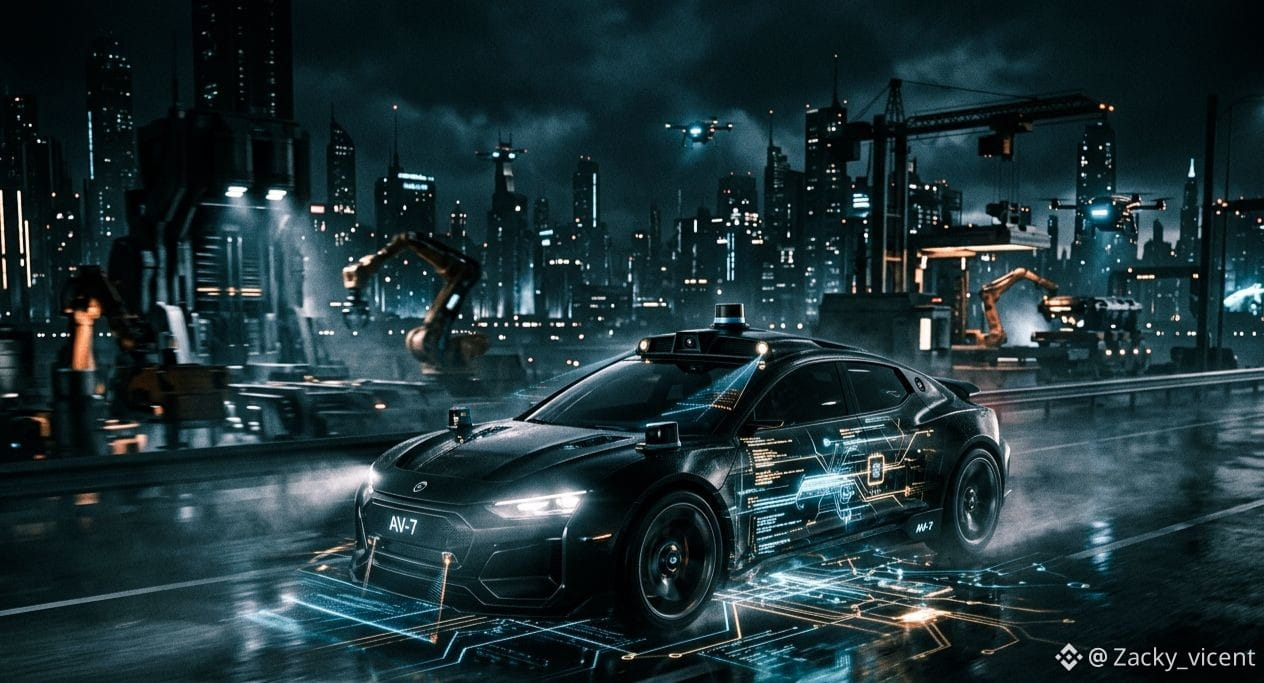
BlackBerry says QNX software is embedded in roughly 275 MILLION vehicles worldwide, supporting systems ranging from automotive controls to functions involved in advanced and semi-autonomous driving.
That changes the entire story.
BlackBerry no longer needs to sell you a phone.
It wants its software running inside the machines you depend on.
And now comes the bigger bet:
PHYSICAL AI.
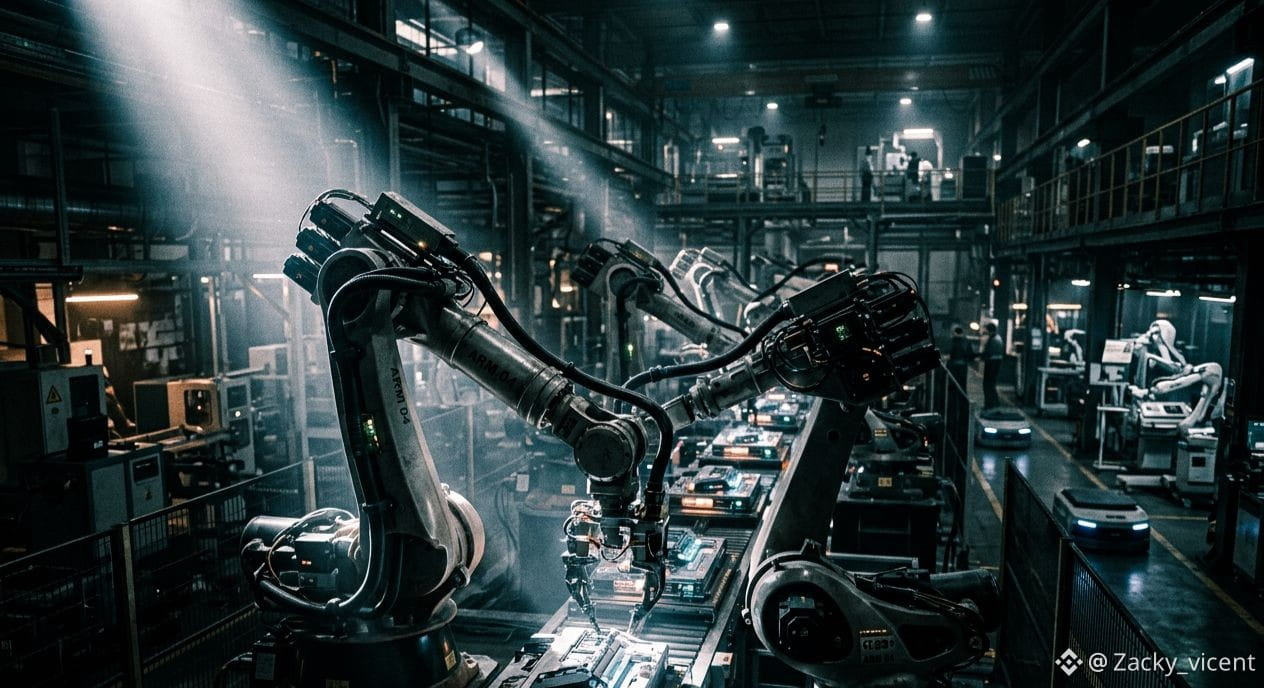
CEO John Giamatteo sees QNX expanding beyond traditional automotive applications into robotics, industrial automation, factories, and medical environments.
Not necessarily humanoid robots dancing for viral videos.
The real opportunity is far less flashy — and potentially far more valuable:
Machines that must operate safely in the physical world.
Cars.
Industrial robots.
Medical machines.
Autonomous systems.
Machines where software failure can mean catastrophic consequences.
That is exactly where BlackBerry believes its safety-focused software expertise gives it an advantage.
And investors are starting to notice.
BlackBerry’s QNX backlog is reportedly around $950 MILLION, with a portion already connected to robotics — although the company has not disclosed exactly how much.
$BTC
Remember “BBM me”?
BlackBerry once ruled the smartphone world. Then the iPhone arrived in 2007, Android exploded, and BlackBerry’s consumer phone empire got absolutely crushed.
But here’s the part people are missing:
BlackBerry didn’t die. It transformed.
The company abandoned the battlefield it lost and moved into something far more critical: software that keeps machines alive, connected, and safe.
Today, BlackBerry’s business is primarily built around two pillars:
1. Secure Communications
Encrypted and secure communication technology for governments and other customers where security isn’t optional.
2. QNX
Its embedded software platform for automobiles and other safety-critical systems.
And QNX is the monster hiding underneath the brand.
BlackBerry says QNX software is embedded in roughly 275 MILLION vehicles worldwide, supporting systems ranging from automotive controls to functions involved in advanced and semi-autonomous driving.
That changes the entire story.
BlackBerry no longer needs to sell you a phone.
It wants its software running inside the machines you depend on.
And now comes the bigger bet:
PHYSICAL AI.
CEO John Giamatteo sees QNX expanding beyond traditional automotive applications into robotics, industrial automation, factories, and medical environments.
Not necessarily humanoid robots dancing for viral videos.
The real opportunity is far less flashy — and potentially far more valuable:
Machines that must operate safely in the physical world.
Cars.
Industrial robots.
Medical machines.
Autonomous systems.
Machines where software failure can mean catastrophic consequences.
That is exactly where BlackBerry believes its safety-focused software expertise gives it an advantage.
And investors are starting to notice.
BlackBerry’s QNX backlog is reportedly around $950 MILLION, with a portion already connected to robotics — although the company has not disclosed exactly how much.
$BTC