Binance Square
Яaghib
430 Posts

Яaghib

Software engineer, open source contributor. Github/X: @RagibAlasad
Open Trade

BNB Holder
BNB Holder
Frequent Trader
1.2 Years
189 Following
16.1K+ Followers
8.6K+ Liked
Posts
Portfolio
·
--
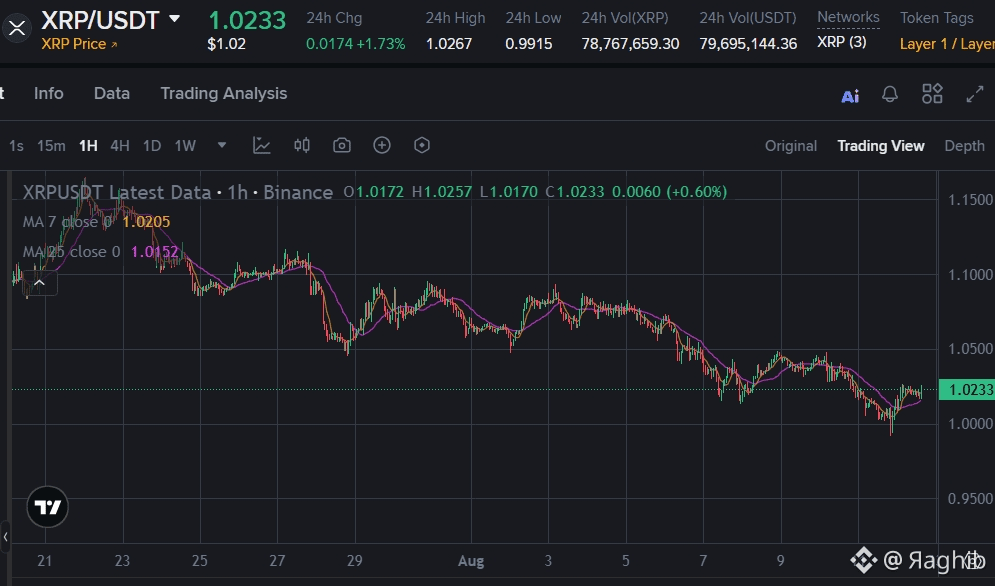
Reports describe an $XRP cross-chain bridge exploit where unbacked “fake” bridged XRP was minted on another network and then redeemed for real XRP from the bridge’s XRP reserve, with losses reported around ~$200,000, and the bridge was halted/closed afterward; some reporting also mentions the operator filed a complaint with the FBI/IC3. The part about $XRP dropping exactly $0.10 “because of this” is harder to attribute directly since price moves can have multiple causes, so I’d treat that as less certain. Please verify through official statements from the bridge operator and trusted crypto news sources. #XRPHACKED
Reports describe an $XRP cross-chain bridge exploit where unbacked “fake” bridged XRP was minted on another network and then redeemed for real XRP from the bridge’s XRP reserve, with losses reported around ~$200,000, and the bridge was halted/closed afterward; some reporting also mentions the operator filed a complaint with the FBI/IC3. The part about $XRP dropping exactly $0.10 “because of this” is harder to attribute directly since price moves can have multiple causes, so I’d treat that as less certain. Please verify through official statements from the bridge operator and trusted crypto news sources.

#XRPHACKED
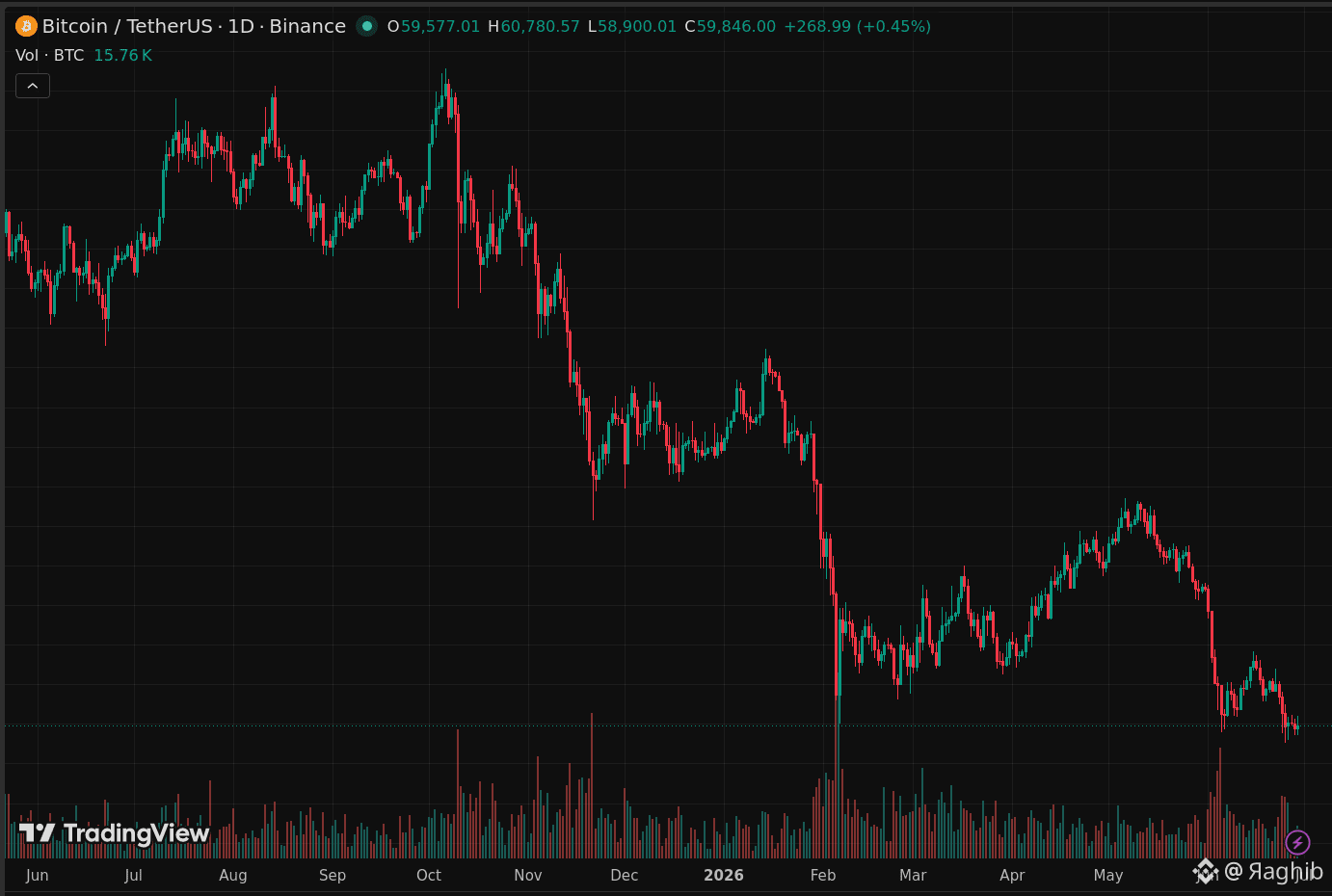
2026 is 49% complete. and $BTC is down 49% since July 2025.
2026 is 49% complete.
and $BTC is down 49% since July 2025.
Article
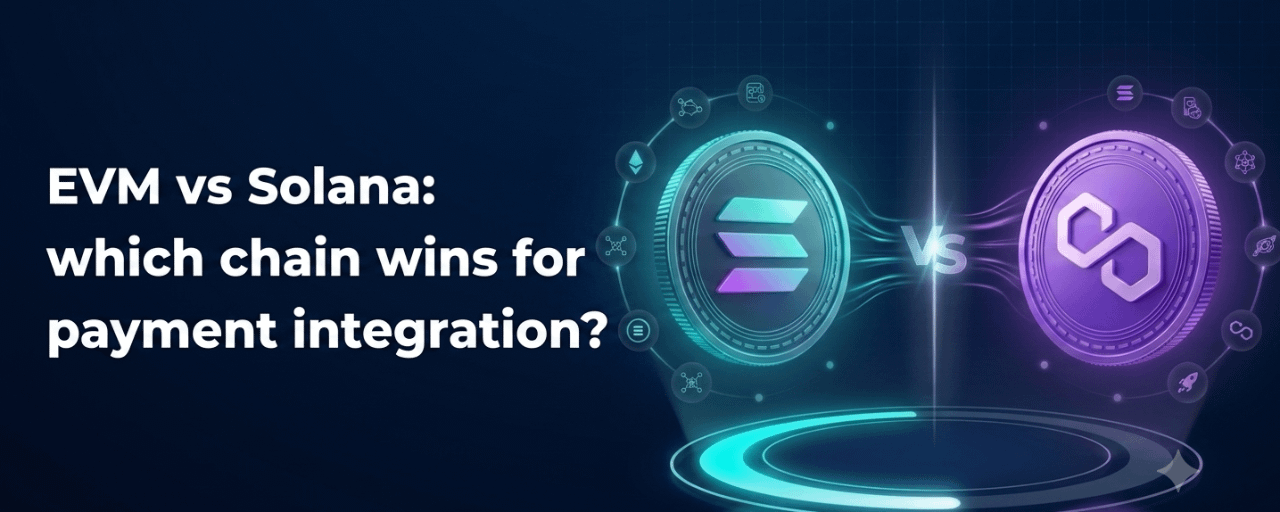
The Hidden Engineering Challenge in Crypto Payment Gateways: Why Solana Outperforms EVM ChainsWhen developers set out to build a crypto payment gateway, the conversation almost invariably begins with transaction fees. "Which blockchain offers the lowest gas costs?" becomes the driving question, with Polygon and Base emerging as popular answers. But after years of building payment infrastructure, I've come to realize something counterintuitive: optimizing for low network fees is actually the easy part. The real engineering challenge lies in architecting a system with minimal maintenance overhead and seamless order reconciliation. And in this domain, the architectural differences between EVM-compatible chains and Solana couldn't be more stark. The EVM Approach: At first glance, Ethereum Virtual Machine (EVM) chains like Polygon and Base appear attractive for payment applications. They're familiar, well-documented, and—crucially—offer significantly lower fees than Ethereum mainnet. But beneath this surface-level advantage lies a fundamental architectural hurdle that will haunt your backend engineering team. The Address-Per-Invoice Problem EVM-compatible chains lack a native, lightweight method to tag standard incoming transfers with unique metadata identifiers. This isn't a minor inconvenience—it's a design constraint that forces your system into a suboptimal architecture. To accurately map a payment to a specific order, your gateway must generate a brand-new deposit address for every single invoice. There's no alternative. Without the ability to embed meaningful metadata in the transaction itself, you're left with one address, one purpose: identify the payer through wallet uniqueness. This approach creates a cascade of engineering challenges: Fund Fragmentation As payments flow in, your revenue ends up scattered across countless wallets. Consolidating those funds into a main treasury wallet becomes a maintenance nightmare. You cannot simply "pull" funds from all addresses—each requires a separate transfer transaction. The Gas Pre-Funding Hazard Here's where the architecture truly breaks down. Every newly generated deposit address starts empty. It has no native gas (ETH or POL) to pay for outbound transfers. Your backend must execute a clumsy two-step process for every single payment: Detect incoming payment to the addressFund that address with a tiny bit of gasSweep the funds to your main wallet This adds complexity, increases total gas consumption (eating into your margins), and introduces multiple points of failure in your automation. A single failed sweep operation could mean lost funds or manual intervention. The Maintenance Overhead Multiplier Consider the operational load: monitoring hundreds of addresses for incoming transactions, tracking gas balances across all of them, executing thousands of sweep transactions, and reconciling each payment against its corresponding order. This isn't just engineering complexity—it's a perpetual maintenance burden that scales linearly with your transaction volume. Solana's Native Solution: Elegant by Design Solana addresses these architectural challenges at the protocol level, making it a fundamentally cleaner choice for backend payment infrastructure. The Reference Key Innovation Instead of generating a database of throwaway wallets, Solana allows your system to route every single transaction to one main wallet address. How? Through a simple but powerful feature: the ability to embed a custom reference key directly inside transaction data. This reference key is simply a random public key acting as a unique identifier for your order. Crucially, this metadata doesn't increase transaction costs—it's baked into the transaction's structure without adding computational overhead. Unified Address, Infinite Identifiers With this approach, your backend workflow becomes elegantly simple: Generate an order and create a unique reference stringEncode your main wallet address, exact payment amount, and reference key into a single Solana Pay QR code stringCustomer scans the QR code and their wallet automatically handles the payload From the customer's perspective, the payment experience is seamless. From your backend's perspective, every transaction lands directly in your central wallet. Streaming Reconciliation Your backend only needs to monitor a single web3 connection or webhook for your main wallet, filtering transactions by their reference key. When a transaction with the expected reference appears, your system instantly marks the invoice as paid. No address generation. No gas pre-funding. No sweeping operations. No fragmentation. No maintenance. Beyond Cost: Strategic Infrastructure Decisions When evaluating blockchain choices for payment infrastructure, the conversation needs to evolve beyond "which chain has the lowest fees?" Yes, low transaction costs are important—they directly impact your margins and customer pricing. But the operational costs of maintaining fragmented address architectures can quickly eclipse any savings from slightly cheaper gas. Solana's native architecture demonstrates a crucial principle: the best infrastructure decisions are those that eliminate complexity rather than manage it. By allowing merchants to maintain a single wallet address while still generating unique payment identifiers, Solana removes an entire class of engineering problems from the equation. Implementation Considerations EVM Workarounds and Their Limitations Some developers attempt to circumvent these EVM limitations through smart contract-based solutions or centralized tracking databases. While these approaches exist, they introduce their own trade-offs: Smart contract deposit addresses still require gas for interactionCentralized order mapping creates a single point of failureEvent monitoring and indexing adds infrastructure complexity None of these workarounds achieve the elegance of Solana's native reference key approach. Solana's Maturity and Tooling For developers concerned about Solana's maturity relative to Ethereum, the ecosystem has matured significantly. Solana Pay provides production-ready SDKs for payment integration, and the network's transaction throughput ensures reliable payment confirmation even during peak usage. Conclusion: The Architecture Matters The blockchain industry has matured past the point where "gas fees" should be the primary selection criterion for payment infrastructure. As payment applications scale from prototypes to production systems, architectural decisions reveal their true importance. Solana's reference key mechanism isn't just a feature—it's a fundamental architectural advantage that eliminates maintenance overhead, reduces failure points, and creates a cleaner engineering experience. For developers building payment gateways, this architectural clarity should be a primary consideration alongside cost efficiency. The next time you evaluate blockchain options for your payment infrastructure, ask yourself: does this chain make my engineering simpler or more complex? The answer will tell you everything you need to know. About the Author: Ragib Al Asad is a blockchain infrastructure engineer specializing in payment systems and decentralized finance applications. Disclaimer: This article reflects the author's technical analysis of blockchain architectures and is not financial advice. Always conduct your own research and consider your specific use case requirements when selecting blockchain infrastructure.

The Hidden Engineering Challenge in Crypto Payment Gateways: Why Solana Outperforms EVM Chains

When developers set out to build a crypto payment gateway, the conversation almost invariably begins with transaction fees. "Which blockchain offers the lowest gas costs?" becomes the driving question, with Polygon and Base emerging as popular answers. But after years of building payment infrastructure, I've come to realize something counterintuitive: optimizing for low network fees is actually the easy part.
The real engineering challenge lies in architecting a system with minimal maintenance overhead and seamless order reconciliation. And in this domain, the architectural differences between EVM-compatible chains and Solana couldn't be more stark.
The EVM Approach:
At first glance, Ethereum Virtual Machine (EVM) chains like Polygon and Base appear attractive for payment applications. They're familiar, well-documented, and—crucially—offer significantly lower fees than Ethereum mainnet. But beneath this surface-level advantage lies a fundamental architectural hurdle that will haunt your backend engineering team.
The Address-Per-Invoice Problem
EVM-compatible chains lack a native, lightweight method to tag standard incoming transfers with unique metadata identifiers. This isn't a minor inconvenience—it's a design constraint that forces your system into a suboptimal architecture.
To accurately map a payment to a specific order, your gateway must generate a brand-new deposit address for every single invoice. There's no alternative. Without the ability to embed meaningful metadata in the transaction itself, you're left with one address, one purpose: identify the payer through wallet uniqueness.
This approach creates a cascade of engineering challenges:
Fund Fragmentation
As payments flow in, your revenue ends up scattered across countless wallets. Consolidating those funds into a main treasury wallet becomes a maintenance nightmare. You cannot simply "pull" funds from all addresses—each requires a separate transfer transaction.
The Gas Pre-Funding Hazard
Here's where the architecture truly breaks down. Every newly generated deposit address starts empty. It has no native gas (ETH or POL) to pay for outbound transfers. Your backend must execute a clumsy two-step process for every single payment:
Detect incoming payment to the addressFund that address with a tiny bit of gasSweep the funds to your main wallet
This adds complexity, increases total gas consumption (eating into your margins), and introduces multiple points of failure in your automation. A single failed sweep operation could mean lost funds or manual intervention.
The Maintenance Overhead Multiplier
Consider the operational load: monitoring hundreds of addresses for incoming transactions, tracking gas balances across all of them, executing thousands of sweep transactions, and reconciling each payment against its corresponding order. This isn't just engineering complexity—it's a perpetual maintenance burden that scales linearly with your transaction volume.
Solana's Native Solution: Elegant by Design
Solana addresses these architectural challenges at the protocol level, making it a fundamentally cleaner choice for backend payment infrastructure.
The Reference Key Innovation
Instead of generating a database of throwaway wallets, Solana allows your system to route every single transaction to one main wallet address. How? Through a simple but powerful feature: the ability to embed a custom reference key directly inside transaction data.
This reference key is simply a random public key acting as a unique identifier for your order. Crucially, this metadata doesn't increase transaction costs—it's baked into the transaction's structure without adding computational overhead.
Unified Address, Infinite Identifiers
With this approach, your backend workflow becomes elegantly simple:
Generate an order and create a unique reference stringEncode your main wallet address, exact payment amount, and reference key into a single Solana Pay QR code stringCustomer scans the QR code and their wallet automatically handles the payload
From the customer's perspective, the payment experience is seamless. From your backend's perspective, every transaction lands directly in your central wallet.
Streaming Reconciliation
Your backend only needs to monitor a single web3 connection or webhook for your main wallet, filtering transactions by their reference key. When a transaction with the expected reference appears, your system instantly marks the invoice as paid.
No address generation. No gas pre-funding. No sweeping operations. No fragmentation. No maintenance.
Beyond Cost: Strategic Infrastructure Decisions
When evaluating blockchain choices for payment infrastructure, the conversation needs to evolve beyond "which chain has the lowest fees?" Yes, low transaction costs are important—they directly impact your margins and customer pricing. But the operational costs of maintaining fragmented address architectures can quickly eclipse any savings from slightly cheaper gas.
Solana's native architecture demonstrates a crucial principle: the best infrastructure decisions are those that eliminate complexity rather than manage it. By allowing merchants to maintain a single wallet address while still generating unique payment identifiers, Solana removes an entire class of engineering problems from the equation.
Implementation Considerations
EVM Workarounds and Their Limitations
Some developers attempt to circumvent these EVM limitations through smart contract-based solutions or centralized tracking databases. While these approaches exist, they introduce their own trade-offs:
Smart contract deposit addresses still require gas for interactionCentralized order mapping creates a single point of failureEvent monitoring and indexing adds infrastructure complexity
None of these workarounds achieve the elegance of Solana's native reference key approach.
Solana's Maturity and Tooling
For developers concerned about Solana's maturity relative to Ethereum, the ecosystem has matured significantly. Solana Pay provides production-ready SDKs for payment integration, and the network's transaction throughput ensures reliable payment confirmation even during peak usage.
Conclusion: The Architecture Matters
The blockchain industry has matured past the point where "gas fees" should be the primary selection criterion for payment infrastructure. As payment applications scale from prototypes to production systems, architectural decisions reveal their true importance.
Solana's reference key mechanism isn't just a feature—it's a fundamental architectural advantage that eliminates maintenance overhead, reduces failure points, and creates a cleaner engineering experience. For developers building payment gateways, this architectural clarity should be a primary consideration alongside cost efficiency.
The next time you evaluate blockchain options for your payment infrastructure, ask yourself: does this chain make my engineering simpler or more complex? The answer will tell you everything you need to know.
About the Author: Ragib Al Asad is a blockchain infrastructure engineer specializing in payment systems and decentralized finance applications.
Disclaimer: This article reflects the author's technical analysis of blockchain architectures and is not financial advice. Always conduct your own research and consider your specific use case requirements when selecting blockchain infrastructure.
Can anyone help me with the Binance Card? How do I claim this virtual card, and is it available yet in Bangladesh? When will it be available? Kindly help.. thanks #binanceCard #Mastercard
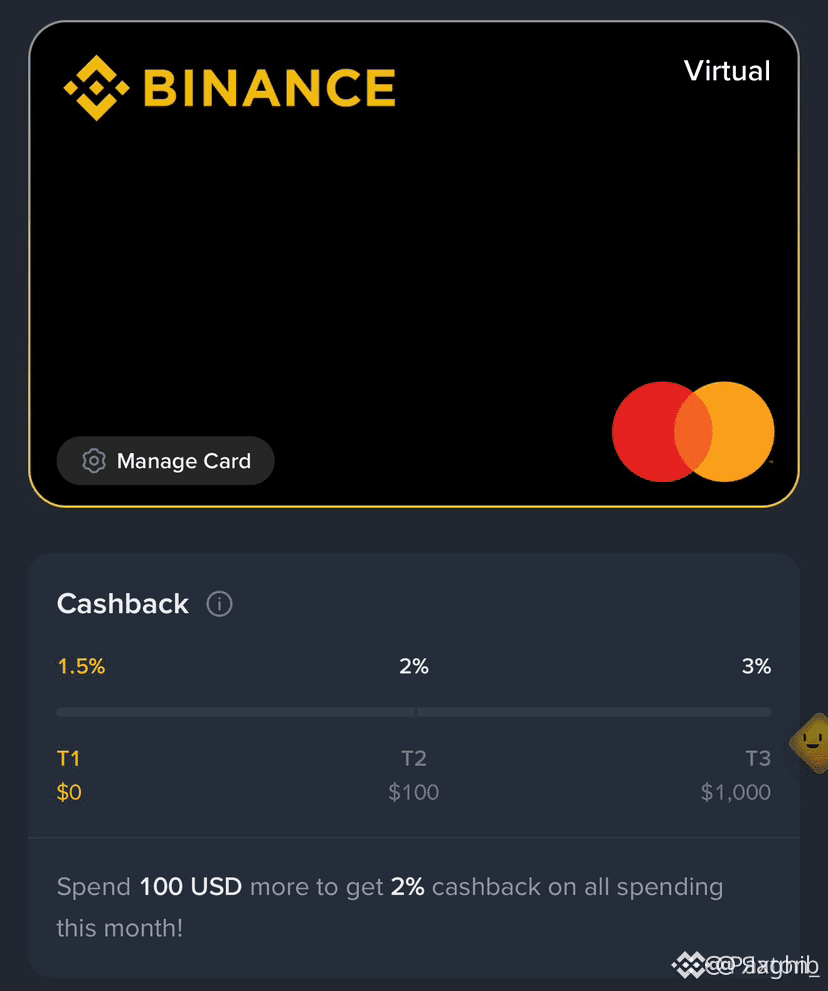
Can anyone help me with the Binance Card?
How do I claim this virtual card, and is it available yet in Bangladesh? When will it be available?

Kindly help.. thanks
#binanceCard #Mastercard
It's a wild take. But I'm still bullish on $BNB hitting $1200
I realized something interesting about how the Binance CreatorPad leaderboard actually works. It all comes down to that T+2 delay. Since the board stays hidden for the first two days, that first update on day three is a massive turning point. Once the rankings appear, everyone naturally heads to the top profiles to see what they’re doing. Here is the trick: all those curious people end up viewing the creator’s newest posts. Because those views happen right before the next update, it creates a loop where being at the top earns you the views you need to `stay` at the top. It is basically a self-sustaining cycle of visibility. If you are looking to climb, you really need to go all out on day one. If you can land a spot on that very first update, the crowd will give you the initial push you need to keep that momentum going.
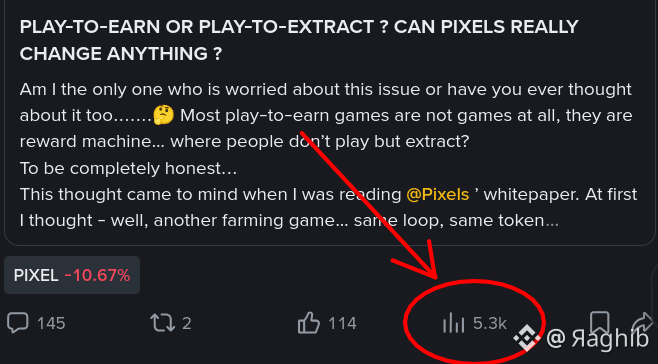
I realized something interesting about how the Binance CreatorPad leaderboard actually works. It all comes down to that T+2 delay. Since the board stays hidden for the first two days, that first update on day three is a massive turning point.

Once the rankings appear, everyone naturally heads to the top profiles to see what they’re doing. Here is the trick: all those curious people end up viewing the creator’s newest posts. Because those views happen right before the next update, it creates a loop where being at the top earns you the views you need to `stay` at the top. It is basically a self-sustaining cycle of visibility.

If you are looking to climb, you really need to go all out on day one. If you can land a spot on that very first update, the crowd will give you the initial push you need to keep that momentum going.
I’ve been playing Pixels with my friends lately and honestly, it’s just fun. But for those asking about the math: the trust comes from the Chapter 2 overhaul. They finally killed the inflationary $BERRY token and moved everything to $PIXEL utility. Instead of a "farm and dump" loop, they’re using a RORS (Return on Reward Spend) metric to make sure the game generates more value than it gives out. When a game is actually fun and the devs stop the hyper-inflation, that’s when you get a project worth holding. #pixel $PIXEL @pixels
I’ve been playing Pixels with my friends lately and honestly, it’s just fun. But for those asking about the math: the trust comes from the Chapter 2 overhaul. They finally killed the inflationary $BERRY token and moved everything to $PIXEL utility. Instead of a "farm and dump" loop, they’re using a RORS (Return on Reward Spend) metric to make sure the game generates more value than it gives out. When a game is actually fun and the devs stop the hyper-inflation, that’s when you get a project worth holding.
#pixel $PIXEL @Pixels
The new CreatorPad campaign is live, and 15M $PIXEL is up for grabs, but the real story is how @pixels continues to lead Web3 gaming. Unlike many projects that lost steam, Pixels has built a sustainable "Play-to-Earn" loop by focusing on social gameplay and actual land utility. It’s not just about clicking; it’s about the community hubs and the integration with the Ronin network that keeps the liquidity flowing. Are you farming today or focusing on the leaderboard? Let me know below! 👇 #pixel $PIXEL
The new CreatorPad campaign is live, and 15M $PIXEL is up for grabs, but the real story is how @Pixels continues to lead Web3 gaming.
Unlike many projects that lost steam, Pixels has built a sustainable "Play-to-Earn" loop by focusing on social gameplay and actual land utility. It’s not just about clicking; it’s about the community hubs and the integration with the Ronin network that keeps the liquidity flowing.
Are you farming today or focusing on the leaderboard? Let me know below! 👇
#pixel $PIXEL
🎙️ Breaking: $SOL bounced off major historical support.
avatar
End
11 m 33 s
34
2
0
·
--
Bullish
$SOL is coming back to a price area that has mattered before. It is now sitting near a long-term support zone. Long $SOL (5x) Entry: $106–$109 Stop: $94 Targets: $126 → $143 → $168 The downward move has now cooled. Price is hovering between $100 and $110, a range that has previously acted as a base. Short-term price action still looks weak, so this isn’t a momentum trade. It’s a location-based one. What keeps me leaning long here is that the network itself hasn’t slowed down. Transactions are still high, active users are growing, and institutions are quietly building on Solana. WisdomTree launching tokenized funds on the chain is one example, but the bigger point is that activity isn’t leaving. I’m looking to buy into this area with a clear invalidation below $95. If this support holds, upside opens toward $143 and $168 over time. If it doesn’t, the trade is dead and I move on. It's a pretty simple setup. Now it’s just about seeing whether this level holds. Trade $SOL here 👇 {future}(SOLUSDT)
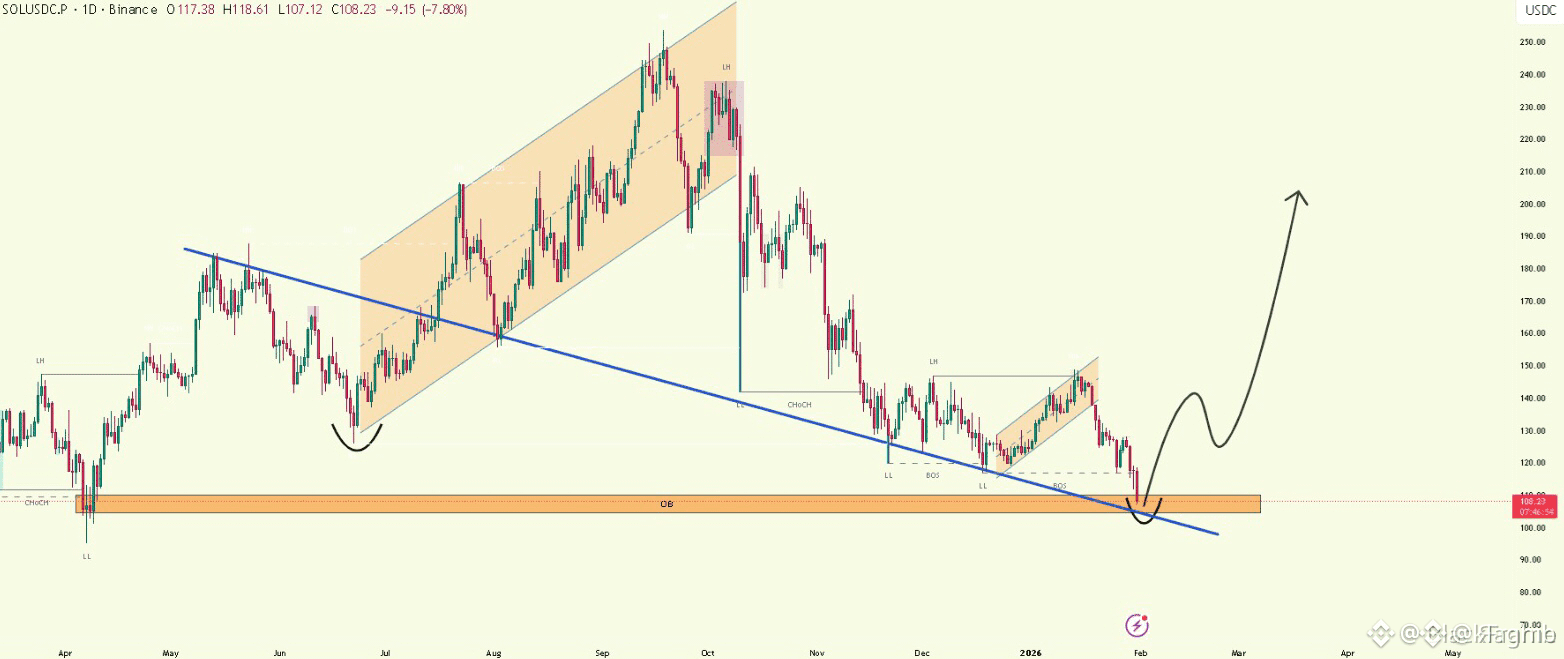
$SOL is coming back to a price area that has mattered before. It is now sitting near a long-term support zone.

Long $SOL (5x)
Entry: $106–$109
Stop: $94
Targets: $126 → $143 → $168

The downward move has now cooled. Price is hovering between $100 and $110, a range that has previously acted as a base. Short-term price action still looks weak, so this isn’t a momentum trade. It’s a location-based one.

What keeps me leaning long here is that the network itself hasn’t slowed down. Transactions are still high, active users are growing, and institutions are quietly building on Solana. WisdomTree launching tokenized funds on the chain is one example, but the bigger point is that activity isn’t leaving.

I’m looking to buy into this area with a clear invalidation below $95. If this support holds, upside opens toward $143 and $168 over time. If it doesn’t, the trade is dead and I move on.

It's a pretty simple setup.
Now it’s just about seeing whether this level holds.

Trade $SOL here 👇
🎙️ $SOL Repeating Historical Pattern
avatar
End
34 m 59 s
80
1
0
·
--
Bearish
This is insane! Silver (XAG) nuked almost 30% in a single daily candle. From 120+ straight down to ~80 with zero mercy. RSI completely crushed. $XAG
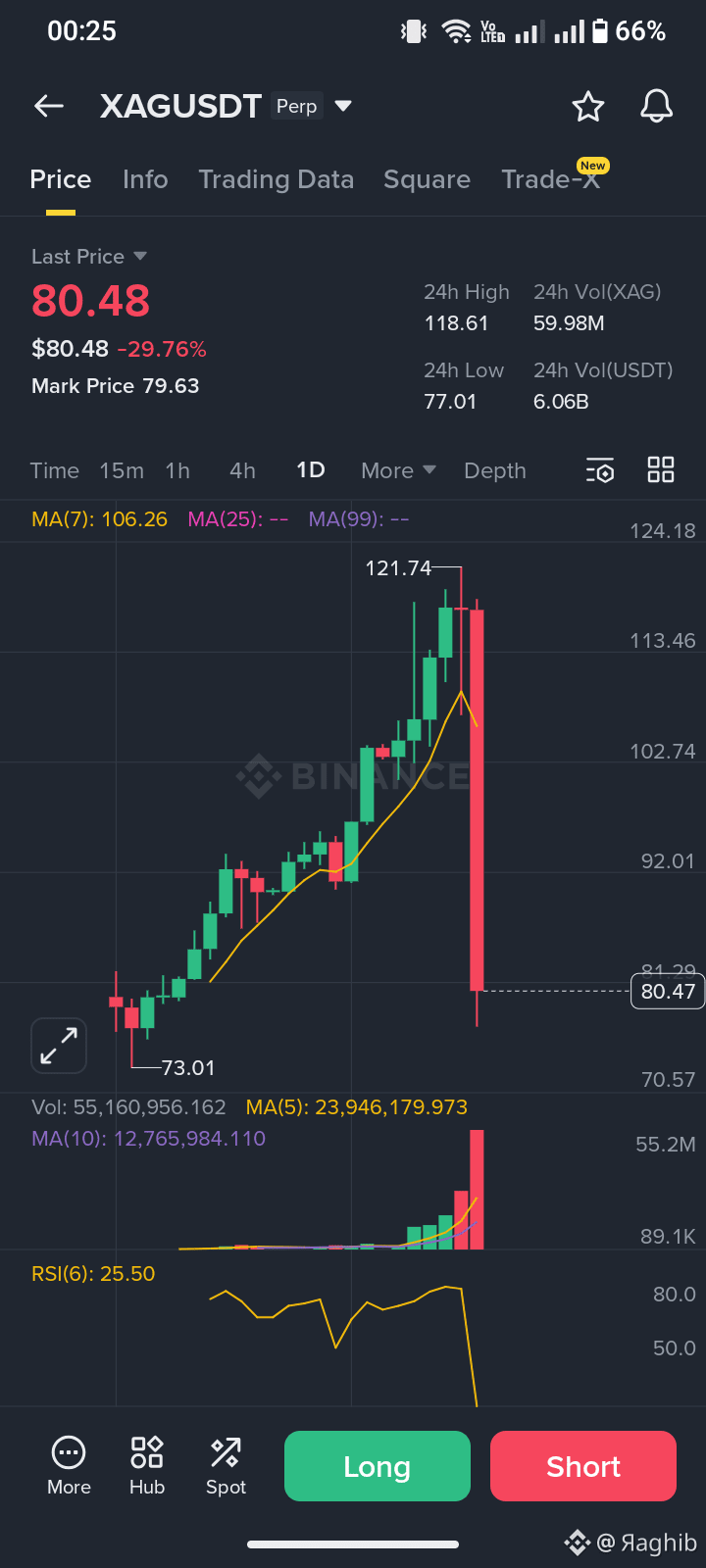
This is insane!
Silver (XAG) nuked almost 30% in a single daily candle. From 120+ straight down to ~80 with zero mercy. RSI completely crushed.

$XAG
🎙️ #XAU and #XAG Heavy Dump
avatar
End
02 h 38 m 01 s
879
3
2
Article
Why Stablechains Like Plasma Are Changing How We Move MoneyTLDR – What this article covers What stablechains are and why they existHow Plasma fits into the stablechain landscapeKey design choices that define PlasmaReal-world implications for payments, remittances, and DeFiHow Plasma compares to traditional blockchains and other stablecoin chains What stablechains actually are The old model was a general-purpose blockchain like Ethereum or Bitcoin. They try to do everything: smart contracts, token transfers, NFTs, DeFi, and more. That works, but it’s not ideal if you only need fast, low-cost movement of stablecoins like USDT. Stablechains rethink this by making stablecoin use the core function of the network. On these chains, stablecoins aren’t just an asset you deploy afterward. They’re the main focus. That means transaction fees can be paid directly in stablecoins, consensus mechanisms are tuned for high payment throughput, and tooling is optimized for wallets, merchants, and APIs. You trade some flexibility for efficiency. The network may not do everything, but it moves money better than any general-purpose chain. Plasma’s role in the stablechain landscape Plasma is a good example of a stablechain in action. It launched in 2025 with a clear goal: make stablecoin transfers fast, cheap, and reliable. From the start, Plasma focused on usability and throughput rather than trying to be a general smart contract playground. Some of the key choices that define Plasma are: Zero-fee USDT transfers. Users don’t need a separate native token to pay fees.High throughput and instant finality with a custom consensus system that can handle thousands of payments per second.EVM compatibility so existing Ethereum tools and contracts work with minimal changes.Native bridges and Bitcoin anchoring, giving extra security while supporting wrapped BTC and other assets. All of this reflects the stablechain philosophy: focus on the core use case and optimize for it. Why this design matters Plasma removes some of the biggest barriers that stop stablecoins from being practical. First, cost friction. On Ethereum or Bitcoin, fees fluctuate and can get expensive. That makes remittances, micropayments, and merchant payments harder. Plasma eliminates that problem. Second, user experience. You don’t have to manage a separate gas token or deal with unpredictable fees. Businesses can integrate stablecoins without educating users on extra tokens. Third, throughput and finality. Payments need speed. High transaction per second and quick confirmation make Plasma practical for real-world commerce. Finally, ecosystem compatibility. EVM support means developers can use existing tools and wallets, which helps liquidity and adoption grow faster. Stablechains vs general blockchains General-purpose chains aim to do everything. They let people deploy tokens, run complex logic, and build NFTs. That flexibility comes with trade-offs: congestion, high fees, and design choices that aren’t optimized for payments. Stablechains, by contrast, focus on one thing: moving stable value cheaply and quickly. That changes everything from the consensus layer to tooling, making them far better for real-world payments. Where Plasma fits in the market Plasma isn’t alone. Competitors like Arc, Tempo, and other stablecoin-focused chains are also emerging. Plasma stands out because it: Supports multiple stablecoins, not just USDTAnchors to Bitcoin for extra securityIs EVM compatible for easy developmentIntegrates with DeFi for lending, liquidity, and yield opportunitiesIt sits at the intersection of payments infrastructure and programmable finance. Why this matters now Stablecoins handle huge transaction volumes, but most of the value generated flows to chains like Ethereum or Tron rather than the issuers. Stablechains let issuers own the infrastructure where value moves, not just the asset itself. That’s a big shift in blockchain economics and adoption. Where this goes from here Plasma and other stablechains show a new way to build blockchain networks. They’re specialized, high-performance, and built for specific real-world use cases. If you’re writing about blockchain infrastructure, payments, or stablecoin adoption in 2026, this is where the action is. @Plasma #Plasma $XPL

Why Stablechains Like Plasma Are Changing How We Move Money

TLDR – What this article covers
What stablechains are and why they existHow Plasma fits into the stablechain landscapeKey design choices that define PlasmaReal-world implications for payments, remittances, and DeFiHow Plasma compares to traditional blockchains and other stablecoin chains
What stablechains actually are
The old model was a general-purpose blockchain like Ethereum or Bitcoin. They try to do everything: smart contracts, token transfers, NFTs, DeFi, and more. That works, but it’s not ideal if you only need fast, low-cost movement of stablecoins like USDT.
Stablechains rethink this by making stablecoin use the core function of the network. On these chains, stablecoins aren’t just an asset you deploy afterward. They’re the main focus. That means transaction fees can be paid directly in stablecoins, consensus mechanisms are tuned for high payment throughput, and tooling is optimized for wallets, merchants, and APIs.
You trade some flexibility for efficiency. The network may not do everything, but it moves money better than any general-purpose chain.
Plasma’s role in the stablechain landscape
Plasma is a good example of a stablechain in action. It launched in 2025 with a clear goal: make stablecoin transfers fast, cheap, and reliable. From the start, Plasma focused on usability and throughput rather than trying to be a general smart contract playground.
Some of the key choices that define Plasma are:
Zero-fee USDT transfers. Users don’t need a separate native token to pay fees.High throughput and instant finality with a custom consensus system that can handle thousands of payments per second.EVM compatibility so existing Ethereum tools and contracts work with minimal changes.Native bridges and Bitcoin anchoring, giving extra security while supporting wrapped BTC and other assets.
All of this reflects the stablechain philosophy: focus on the core use case and optimize for it.
Why this design matters
Plasma removes some of the biggest barriers that stop stablecoins from being practical.
First, cost friction. On Ethereum or Bitcoin, fees fluctuate and can get expensive. That makes remittances, micropayments, and merchant payments harder. Plasma eliminates that problem.
Second, user experience. You don’t have to manage a separate gas token or deal with unpredictable fees. Businesses can integrate stablecoins without educating users on extra tokens.
Third, throughput and finality. Payments need speed. High transaction per second and quick confirmation make Plasma practical for real-world commerce.
Finally, ecosystem compatibility. EVM support means developers can use existing tools and wallets, which helps liquidity and adoption grow faster.
Stablechains vs general blockchains
General-purpose chains aim to do everything. They let people deploy tokens, run complex logic, and build NFTs. That flexibility comes with trade-offs: congestion, high fees, and design choices that aren’t optimized for payments.
Stablechains, by contrast, focus on one thing: moving stable value cheaply and quickly. That changes everything from the consensus layer to tooling, making them far better for real-world payments.
Where Plasma fits in the market
Plasma isn’t alone. Competitors like Arc, Tempo, and other stablecoin-focused chains are also emerging. Plasma stands out because it:
Supports multiple stablecoins, not just USDTAnchors to Bitcoin for extra securityIs EVM compatible for easy developmentIntegrates with DeFi for lending, liquidity, and yield opportunitiesIt sits at the intersection of payments infrastructure and programmable finance.
Why this matters now
Stablecoins handle huge transaction volumes, but most of the value generated flows to chains like Ethereum or Tron rather than the issuers. Stablechains let issuers own the infrastructure where value moves, not just the asset itself. That’s a big shift in blockchain economics and adoption.
Where this goes from here
Plasma and other stablechains show a new way to build blockchain networks. They’re specialized, high-performance, and built for specific real-world use cases. If you’re writing about blockchain infrastructure, payments, or stablecoin adoption in 2026, this is where the action is.
@Plasma #Plasma $XPL
General-purpose chains aim to do everything. They let people deploy tokens, run complex logic, and build NFTs. That flexibility comes with trade-offs: congestion, high fees, and design choices that aren’t optimized for payments. Stablechains like @Plasma , by contrast, focus on one thing: moving stable value cheaply and quickly. That changes everything from the consensus layer to tooling, making them far better for real-world payments. $XPL #Plasma
General-purpose chains aim to do everything. They let people deploy tokens, run complex logic, and build NFTs. That flexibility comes with trade-offs: congestion, high fees, and design choices that aren’t optimized for payments.

Stablechains like @Plasma , by contrast, focus on one thing: moving stable value cheaply and quickly. That changes everything from the consensus layer to tooling, making them far better for real-world payments.

$XPL #Plasma
🎙️ Coin Shop | Buy and Sell here.
avatar
End
04 h 44 m 17 s
14.1k
4
0
Log in to explore more content
Join global crypto users on Binance Square
⚡️ Get latest and useful information about crypto.
💬 Trusted by the world’s largest crypto exchange.
👍 Discover real insights from verified creators.
Email / Phone number
Sitemap
Cookie Preferences
Platform T&Cs