Today I went to the hospital and witnessed an unforgettable scene. A patient's family member desperately pleaded with the doctor to provide blood for his family, but the doctor coldly told him to find a scalper to buy overpriced blood. Seeing this scene, I suddenly realized the terrifying truth: the physical flow rate of blood has never changed, but the "permission" to make it flow is tragically slow.
Observation on the Plasma chain: the "coagulation dysfunction" of global finance.
Observing the current stablecoin payment track, one discovers an absurd biological paradox: we have the most efficient "blood" in history (with USDT circulation exceeding $220 billion), yet it operates on a circulatory system severely afflicted by "coagulation disorders."
According to official data from Plasma, by 2025, the global number of stablecoin transfers has exceeded 5 billion transactions per year, but over 60% of transactions occur on non-optimal networks, with an average friction cost of up to 1.2%. In biological evolution, any energy system that consumes more than 30% of its benefits will be naturally eliminated. By this standard, the current on-chain payment infrastructure is essentially a "atavism phenomenon" - seemingly advanced, but actually clumsier than the traditional SWIFT system.
Zero Gas USDT transfers: Eliminating coagulation factor barriers
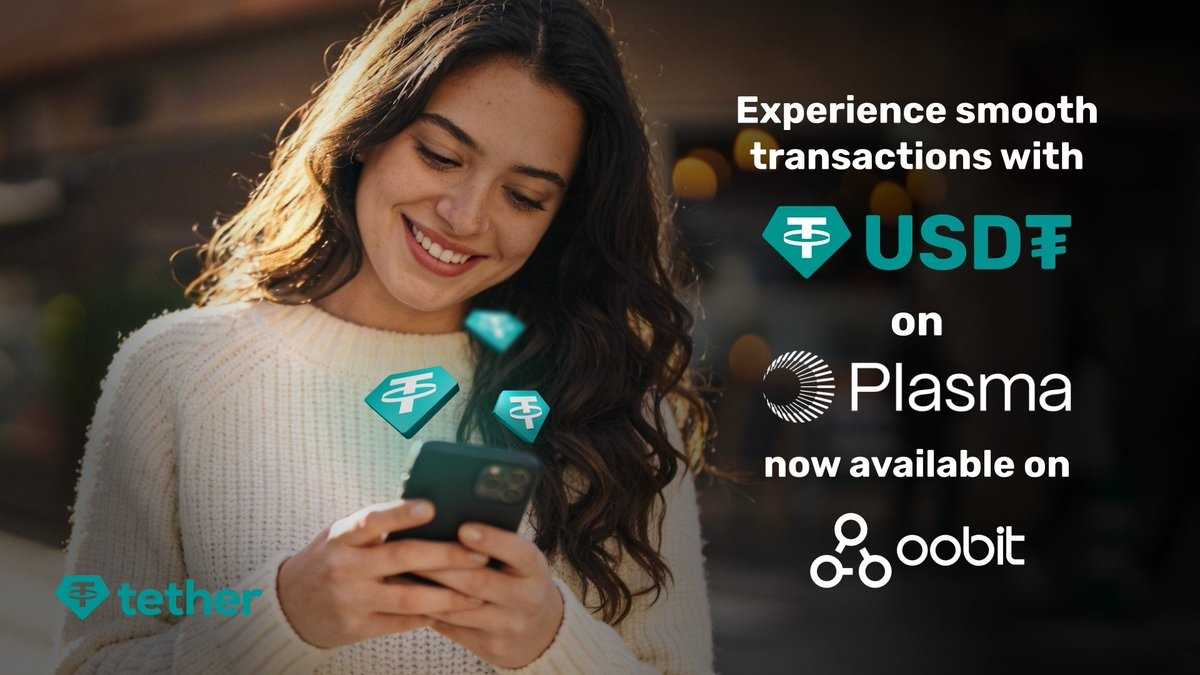
The core breakthrough of Plasma is the Paymaster mechanism - an embedded "payment steward" protocol. When users transfer USDT, there is no need to hold any XPL tokens as Gas fees, the network automatically covers the cost through ecological nodes. This is akin to establishing an "unconditional blood transfusion window" in a hospital emergency room, where blood starts flowing immediately regardless of whether the patient has a wallet. For simple payment operations, this "seamless payment" experience completely removes the biggest cognitive barrier of Web3: Gas token management.
XPL token: The blood pressure regulator of the circulation system
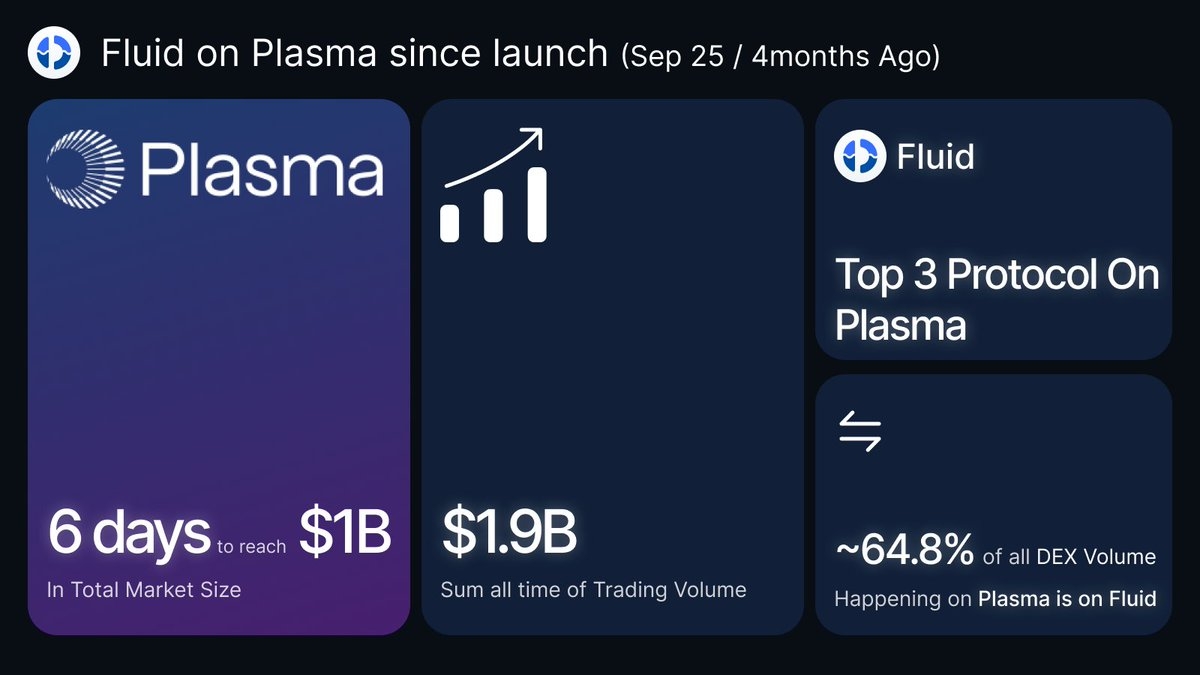
$XPL (Total supply of 10 billion pieces) is not just simple fuel, but the "blood pressure hormone" of this financial circulation system. Nodes must stake XPL to qualify for packaged transactions; the more you stake, the higher the network security; enterprise users need to lock XPL to cover ecological Gas subsidies; governance weight is linked to staking depth, forming a positive flywheel. With the on-chain stablecoin TVL exceeding 2 billion USD, XPL has effectively become an option for the "USD circulation market share" - every dollar's on-chain flow consumes XPL's liquidity, raising its scarcity.
@Plasma is great, forward-looking, and addresses the most primitive survival need: to let money flow like blood to wherever it is needed at any time.