$BTC
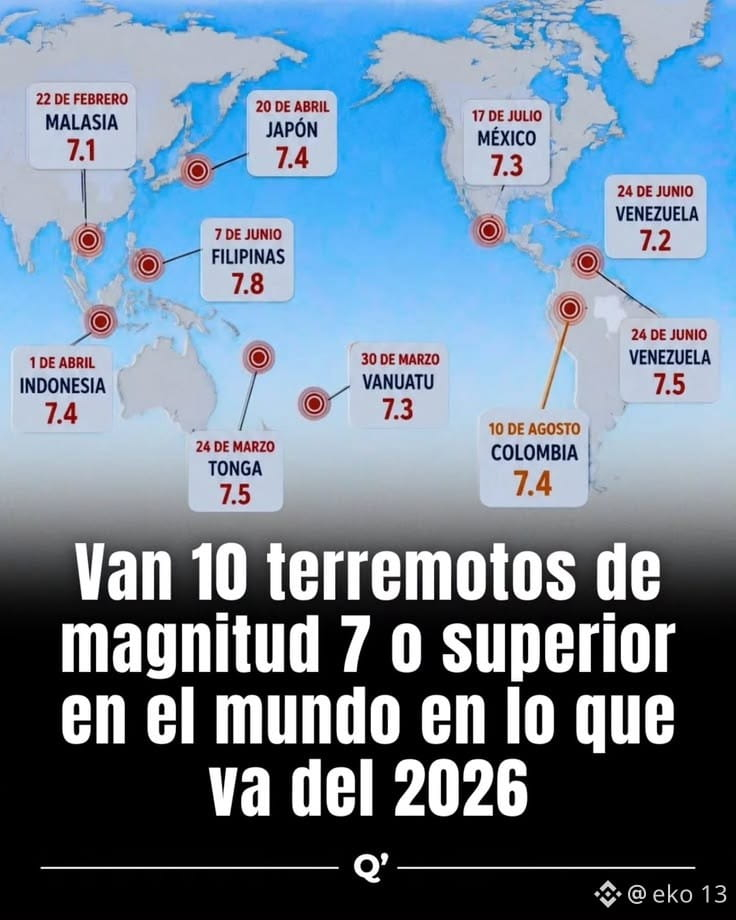
Earthquakes cause severe economic shocks in the short term due to the physical destruction of infrastructure and the shutdown of commercial operations. In the medium and long term, their financial implications span several key areas:
Direct Losses and GDP Decline
Capital destruction: Buildings, roads, power grids, water pipelines, and logistics centers suffer massive damage, drastically reducing national productive capacity.
Growth impact: Estimates often point to losses equivalent to a significant percentage of Gross Domestic Product (GDP), slowing projected growth and introducing risks of stagnation or recession.
Fiscal Challenges and Inflation
Pressure on public spending: Governments are forced to redirect budgets toward emergency response, subsidies, and reconstruction.
Monetary risk: If the reconstruction effort is financed through monetary issuance without backing or through unsustainable debt, inflationary pressures and local currency depreciation increase.
Shortage of foreign currency: Demand for imports (machinery, construction materials, medical supplies) rises, eroding international reserves.
Productive Sectors and Employment
Supply disruption: Small and medium-sized businesses face bankruptcies or prolonged suspensions due to the lack of basic services or structural damage.
Impact on consumption: Household income declines, shifting overall spending toward goods essential for survival and slowing retail trade.
Construction revitalization: The reconstruction phase often acts as a driver of domestic demand, boosting employment in construction, engineering, and basic input industries
Earthquakes cause severe economic shocks in the short term due to the physical destruction of infrastructure and the shutdown of commercial operations. In the medium and long term, their financial implications span several key areas:
Direct Losses and GDP Decline
Capital destruction: Buildings, roads, power grids, water pipelines, and logistics centers suffer massive damage, drastically reducing national productive capacity.
Growth impact: Estimates often point to losses equivalent to a significant percentage of Gross Domestic Product (GDP), slowing projected growth and introducing risks of stagnation or recession.
Fiscal Challenges and Inflation
Pressure on public spending: Governments are forced to redirect budgets toward emergency response, subsidies, and reconstruction.
Monetary risk: If the reconstruction effort is financed through monetary issuance without backing or through unsustainable debt, inflationary pressures and local currency depreciation increase.
Shortage of foreign currency: Demand for imports (machinery, construction materials, medical supplies) rises, eroding international reserves.
Productive Sectors and Employment
Supply disruption: Small and medium-sized businesses face bankruptcies or prolonged suspensions due to the lack of basic services or structural damage.
Impact on consumption: Household income declines, shifting overall spending toward goods essential for survival and slowing retail trade.
Construction revitalization: The reconstruction phase often acts as a driver of domestic demand, boosting employment in construction, engineering, and basic input industries