🇺🇸🇮🇷 The U.S. tightens the squeeze on Iran, but the regime may withstand it
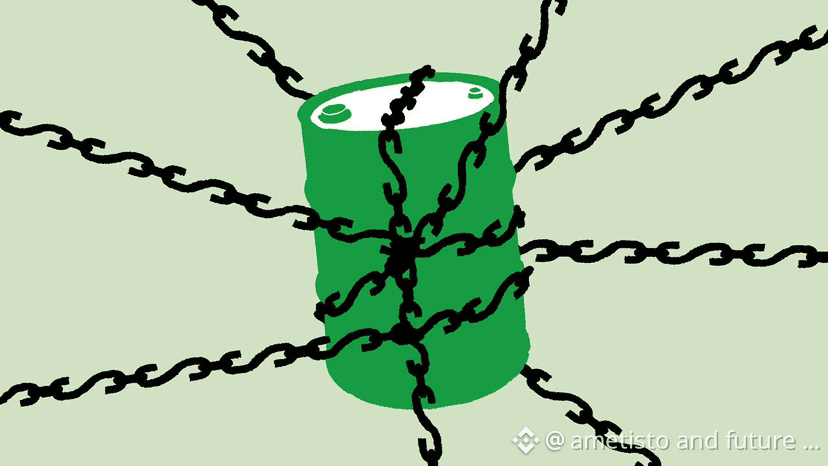
Washington is once again betting on economic pressure as a tool to weaken Tehran, but there is a major unknown: sanctions can devastate an economy without necessarily bringing down the regime that controls it.
In an analysis published by The Economist, the new U.S. offensive is presented as an attempt to dramatically increase financial pressure on Iran, with measures aimed at its oil revenues, its financial channels, and the commercial networks that allow the country to keep the flow of foreign currency.
Iran’s economy is already in an extremely delicate situation, marked by high inflation, trade difficulties, loss of purchasing power, and severe restrictions on access to the international financial system. Washington now seeks to further raise the cost of carrying out those activities, including possible secondary sanctions against companies and countries that continue to do business with Tehran.
But Iran has experience. For decades it has developed mechanisms to evade sanctions, use intermediaries, modify trade routes, and rely on alternative financial networks. China, moreover, continues to be a key market for Iranian oil, giving Tehran an important source of income.
There is also a political risk for Washington. Economic deterioration can increase public discontent, but foreign pressure can also be used by the regime to bolster nationalism, portray the United States as an external threat, and justify greater internal repression.
For the United States, the dilemma is becoming increasingly complex: the greater the economic pressure, the more impact it may have on Tehran, but it also increases the risk of retaliation and a new escalation in the Middle East.
Washington is once again betting on economic pressure as a tool to weaken Tehran, but there is a major unknown: sanctions can devastate an economy without necessarily bringing down the regime that controls it.
In an analysis published by The Economist, the new U.S. offensive is presented as an attempt to dramatically increase financial pressure on Iran, with measures aimed at its oil revenues, its financial channels, and the commercial networks that allow the country to keep the flow of foreign currency.
Iran’s economy is already in an extremely delicate situation, marked by high inflation, trade difficulties, loss of purchasing power, and severe restrictions on access to the international financial system. Washington now seeks to further raise the cost of carrying out those activities, including possible secondary sanctions against companies and countries that continue to do business with Tehran.
But Iran has experience. For decades it has developed mechanisms to evade sanctions, use intermediaries, modify trade routes, and rely on alternative financial networks. China, moreover, continues to be a key market for Iranian oil, giving Tehran an important source of income.
There is also a political risk for Washington. Economic deterioration can increase public discontent, but foreign pressure can also be used by the regime to bolster nationalism, portray the United States as an external threat, and justify greater internal repression.
For the United States, the dilemma is becoming increasingly complex: the greater the economic pressure, the more impact it may have on Tehran, but it also increases the risk of retaliation and a new escalation in the Middle East.