
大丽7613
1.4k Posts

大丽7613
 Square Verified+
Web3.AI.RWA丨币安活跃创作者丨BTC与BNB持有者丨,每日11.40-14.00点广场&推特X@tll7613丨AMA项目合作--币安广场直播打包宣发
5.1K+ Following
80.0K+ Followers
91.5K+ Liked
Posts
All
Quotes
Videos
Live
PINNED

PINNED
The arrival of Niu drove the entire primary market
When the contract announcement came out, I thought that under normal trading logic there should be a shakeout, but there wasn’t
I thought the market probably wouldn’t be this fomo-driven; it should have been built by the big players themselves
After the contract came out, the big players ate a wave of short orders too, and then it went down—so they basically got a full fill
This kind of setup doesn’t require heavy control; retail investors are enough, and there’s enough discussion. In fact, it’s the one that makes the most money
When the contract announcement came out, I thought that under normal trading logic there should be a shakeout, but there wasn’t
I thought the market probably wouldn’t be this fomo-driven; it should have been built by the big players themselves
After the contract came out, the big players ate a wave of short orders too, and then it went down—so they basically got a full fill
This kind of setup doesn’t require heavy control; retail investors are enough, and there’s enough discussion. In fact, it’s the one that makes the most money
1

@英鸿³³₇
is speaking[LIVE] 🎙️ Binance is becoming more and more prosperous, and there are also more traditional finance professionals joining the crowd—let’s DCA into BNB together
3.5k listens
1

白鲨观点
·
--
This morning I checked the market: BTC broke below 77,000, and liquidations across the whole network are almost 240 million yuan—about 80% of them are long positions. Then look at the ETF data: BlackRock’s IBIT bought another 1,400+ BTC, net inflow of over $100 million.
Prices are falling, while institutions are buying. Every time this kind of divergence shows up, the comments section splits into two camps:
One side says, “Institutions are coming in—quick, buy the dip.” The other side says, “Institutions are buying ETF shares, not pulling the spot price directly. Don’t get fooled.”
Both sides have points, but neither quite gets to the core.
What’s really worth thinking about is: why is the market dropping like this, yet institutions keep moving money in?
The answer may not be inside the crypto market, but outside it. Over the past few days, global bond markets have been selling off. U.S. Treasury yields have surged to 4.8%, and Japanese government bond yields hit their highest level in 96 years. The cost of capital for traditional finance is getting more expensive—the money is no longer cheap.
That sounds bearish—higher funding costs mean risk assets will face pressure. And yes, in the short term, it really is pressure. But think about it from another angle: when the operating costs of the traditional financial system keep rising, capital will look for places with lower friction and higher efficiency.
Why have stablecoins been so hot lately? Because 21 banks joined forces to launch their own stablecoin. It’s not because they suddenly believe in decentralization—it’s because they’ve realized that the cost of on-chain settlement is far cheaper than traditional clearing systems.
So the situation right now is rather delicate: short-term macro factors are weighing on prices, while long-term structural capital is positioning. What you see is the candlestick chart falling; what you can’t see is the underlying infrastructure changing.
As for what to do in the short term? Honestly, it’s normal for the 77,000 level to wobble up and down. Geopolitical conflicts plus rate-hike expectations are dual headwinds—of course it wouldn’t drop only a little. But if you think the bull market is over just because it’s down for two days, or if you want to go all-in to catch the dip because it’s dropping, that might be a bit too impatient.
The market is never black and white. It’s more like a balance scale being repriced: one side is macro pressure, the other is structural opportunity. Which side you stand on determines what you do next.
One last thing: for today’s行情, don’t place random orders. First figure out whether you’re making a short-term trade or building a long-term trend. If you mix the two, you’ll get hit from both ends.
$BTC $ETH #行情分析📈 #币圈思考
Prices are falling, while institutions are buying. Every time this kind of divergence shows up, the comments section splits into two camps:
One side says, “Institutions are coming in—quick, buy the dip.” The other side says, “Institutions are buying ETF shares, not pulling the spot price directly. Don’t get fooled.”
Both sides have points, but neither quite gets to the core.
What’s really worth thinking about is: why is the market dropping like this, yet institutions keep moving money in?
The answer may not be inside the crypto market, but outside it. Over the past few days, global bond markets have been selling off. U.S. Treasury yields have surged to 4.8%, and Japanese government bond yields hit their highest level in 96 years. The cost of capital for traditional finance is getting more expensive—the money is no longer cheap.
That sounds bearish—higher funding costs mean risk assets will face pressure. And yes, in the short term, it really is pressure. But think about it from another angle: when the operating costs of the traditional financial system keep rising, capital will look for places with lower friction and higher efficiency.
Why have stablecoins been so hot lately? Because 21 banks joined forces to launch their own stablecoin. It’s not because they suddenly believe in decentralization—it’s because they’ve realized that the cost of on-chain settlement is far cheaper than traditional clearing systems.
So the situation right now is rather delicate: short-term macro factors are weighing on prices, while long-term structural capital is positioning. What you see is the candlestick chart falling; what you can’t see is the underlying infrastructure changing.
As for what to do in the short term? Honestly, it’s normal for the 77,000 level to wobble up and down. Geopolitical conflicts plus rate-hike expectations are dual headwinds—of course it wouldn’t drop only a little. But if you think the bull market is over just because it’s down for two days, or if you want to go all-in to catch the dip because it’s dropping, that might be a bit too impatient.
The market is never black and white. It’s more like a balance scale being repriced: one side is macro pressure, the other is structural opportunity. Which side you stand on determines what you do next.
One last thing: for today’s行情, don’t place random orders. First figure out whether you’re making a short-term trade or building a long-term trend. If you mix the two, you’ll get hit from both ends.
$BTC $ETH #行情分析📈 #币圈思考

1

远方1688BNB
·
--
Good fortune in the ninth month of the human world!
#DCA BTC DCA SoL DCA BNB to earn 10 million
#DCA BTC DCA SoL DCA BNB to earn 10 million



1

灼见
·
--
🔥 The BTC ETF saw outflows for just one day, and the funds came back.
This could be the most important signal to watch today.
On the previous trading day, BTC ETF recorded roughly $202M in net outflows, ending a streak of nine straight days of net inflows.
Many people have started to worry:
Are institutions getting ready to pull out?
But the latest data immediately shows a reversal:
🟢 BTC ETF: about +$216.7M
🟣 ETH ETF: about +$87.7M
🔥 ETH ETF: net inflows for the 11th consecutive trading day
What’s even more worth noting is—
BTC is still only around $78K.
Meaning:
The money is back, but the price hasn’t clearly kicked off yet.
This is completely different from the simple pattern of “price rises → capital chases.”
Meanwhile, BTC futures open interest hasn’t expanded crazily in sync either. The market currently looks more like it’s being driven by spot inflows, rather than high-leverage momentum.
So what I’m focusing on now isn’t:
“Will BTC break back above 80K today?”
It’s:
With these ongoing funds flowing into Crypto, who will they ultimately push up?
BTC is responsible for stabilizing the market.
ETH is steadily absorbing institutional capital.
And if liquidity continues to spread, BNB and other major assets may also become key things to watch in the next phase.
The most interesting state of this market right now is:
PRICE is hesitating.
But MONEY is still entering.
When price and fund flows show this kind of divergence—
it’s often worth taking a second look.
👇 If you can only choose one, who do you think will break through first in the next phase?
BTC / ETH / BNB?
#BTC #ETH #BNB
This could be the most important signal to watch today.
On the previous trading day, BTC ETF recorded roughly $202M in net outflows, ending a streak of nine straight days of net inflows.
Many people have started to worry:
Are institutions getting ready to pull out?
But the latest data immediately shows a reversal:
🟢 BTC ETF: about +$216.7M
🟣 ETH ETF: about +$87.7M
🔥 ETH ETF: net inflows for the 11th consecutive trading day
What’s even more worth noting is—
BTC is still only around $78K.
Meaning:
The money is back, but the price hasn’t clearly kicked off yet.
This is completely different from the simple pattern of “price rises → capital chases.”
Meanwhile, BTC futures open interest hasn’t expanded crazily in sync either. The market currently looks more like it’s being driven by spot inflows, rather than high-leverage momentum.
So what I’m focusing on now isn’t:
“Will BTC break back above 80K today?”
It’s:
With these ongoing funds flowing into Crypto, who will they ultimately push up?
BTC is responsible for stabilizing the market.
ETH is steadily absorbing institutional capital.
And if liquidity continues to spread, BNB and other major assets may also become key things to watch in the next phase.
The most interesting state of this market right now is:
PRICE is hesitating.
But MONEY is still entering.
When price and fund flows show this kind of divergence—
it’s often worth taking a second look.
👇 If you can only choose one, who do you think will break through first in the next phase?
BTC / ETH / BNB?
#BTC #ETH #BNB

1

阿婧1688
·
--
Only with knowledge can we gain awareness. Put it into practice: “know” and “do.” Follow me and let’s learn about cognition together.

1

VIRUS小玉儿
·
--
Please witness the record 🌺🌺 Virus, Virus 😁😁 On September 2, the whole internet will gather again—returning to work. A major milestone begins. Brothers and sisters. The world’s number one coin-holding address Virus will make your life more精彩. Join in!


1
Quoted content has been removed
1

橙子Joyce
·
--
SpaceX heads toward extreme vertical integration: Why Elon Musk is building his own power supply for AI
SpaceX builds rockets by gaining deeper control over the manufacturing process than traditional aerospace companies.
Elon Musk is applying the same strategy to the biggest physical bottleneck in artificial intelligence: electricity. SpaceX is developing its own gas-turbine component manufacturing capabilities in Texas to bypass a power equipment supply chain that has been tight for years.
SpaceX is laying the groundwork in Bastrop, Texas, for a foundry to produce blades and guide vanes used in large gas turbines. SpaceX has been hiring engineers for this plant, with roles involving materials, automation, tooling, and the construction of new production lines.
Elon Musk is applying the same strategy to the biggest physical bottleneck in artificial intelligence: electricity. SpaceX is developing its own gas-turbine component manufacturing capabilities in Texas to bypass a power equipment supply chain that has been tight for years.
SpaceX is laying the groundwork in Bastrop, Texas, for a foundry to produce blades and guide vanes used in large gas turbines. SpaceX has been hiring engineers for this plant, with roles involving materials, automation, tooling, and the construction of new production lines.
1
阿婧1688
·
--
Only with knowledge can we gain awareness. Put it into practice: “know” and “do.” Follow me and let’s learn about cognition together.
1

光明社区-杨乐
·
--
Have this cup, and there are 3 more~
Good thoughts will surely lead to good results
A kind, positive seed, rooted deep in the heart
Even if you don’t see flowers blooming for a while, it will quietly ripen in the soil of time
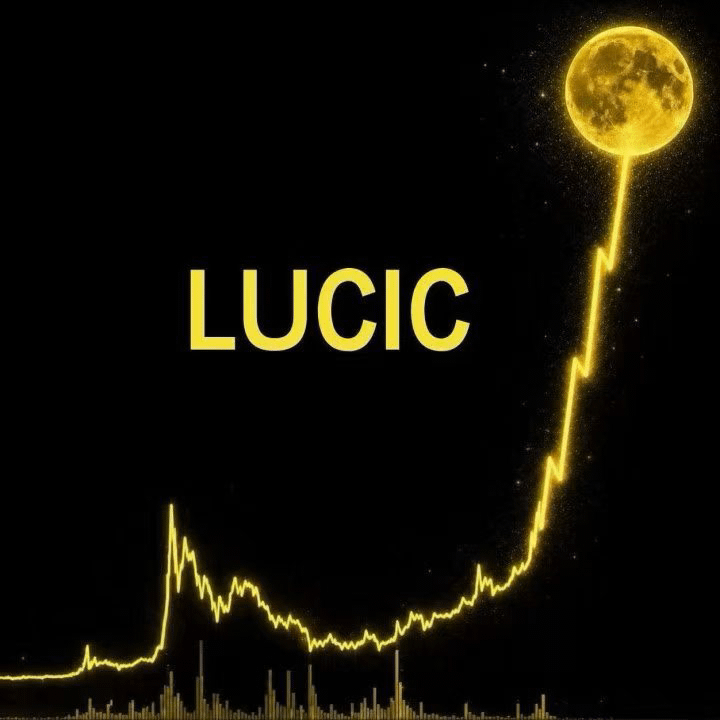
Once we, LUCiC, come ashore after our one battle, we’ll raise another round ✌️
#BNB #LUCiC
Good thoughts will surely lead to good results
A kind, positive seed, rooted deep in the heart
Even if you don’t see flowers blooming for a while, it will quietly ripen in the soil of time
Once we, LUCiC, come ashore after our one battle, we’ll raise another round ✌️
#BNB #LUCiC


1

Baoluo币商资本
·
--
#ARB上涨30%受Robinhood链收入推动
The market isn't romance; it's something you need to build and cultivate. Once you've identified the right market, everything will fall into place.
#以太坊ETF连续11日净流入
The market isn't romance; it's something you need to build and cultivate. Once you've identified the right market, everything will fall into place.
#以太坊ETF连续11日净流入


1

周周1688
·
--
🇨🇳 Crypto Morning News | September 1, 2026
$BNB 🧧🧧
📊 Market Pulse
At the start of September, the market is still experiencing high-level consolidation.
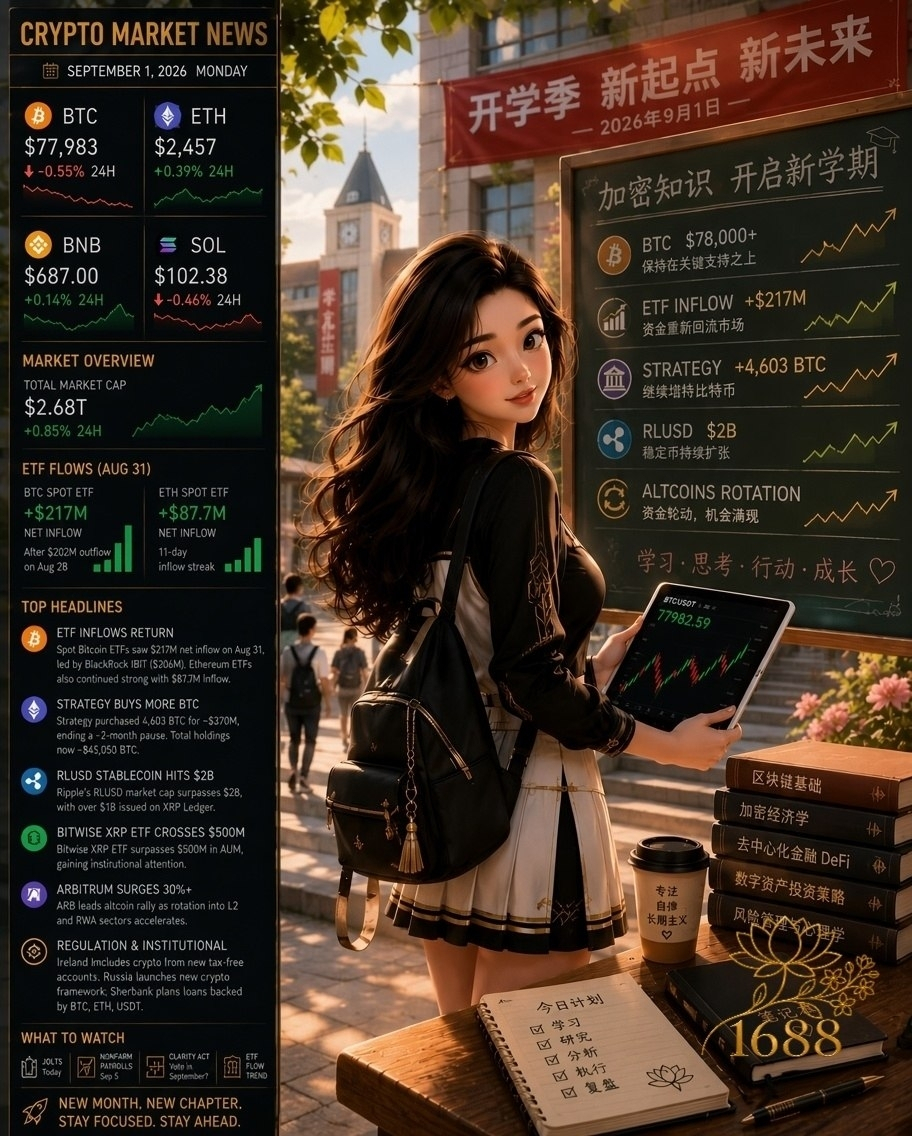
$BTC is currently about $77,800–$78,700, $ETH about $2,450–$2,470, and $SOL about $102–$103.
After the strong rally in August, the market began to digest realized profits, but BTC has continued to hold above $77K. Meanwhile, capital is flowing again into certain large altcoins.
🔥 ETF Funds Reflow
U.S. spot Bitcoin ETFs recorded about $217M in net inflows on August 31, with BlackRock IBIT contributing about $206M.
On the same day, spot Ethereum ETFs also saw about $87.7M in net inflows, continuing positive flows for 11 consecutive trading days.
This suggests institutional capital has not completely pulled out due to the late-August adjustment.
🐂 Strategy Rebuys Bitcoin
Michael Saylor’s Strategy ended its nearly two-month pause and bought an additional 4,603 BTC, worth about $369.7M, with an average price around $80,318.
Strategy currently holds about 845,050 BTC, reclaiming its position as one of the most prominent corporate Bitcoin buyers in the market.
🚀 Altcoins Begin to Rotate
What’s worth watching today is not just a BTC move up, but capital starting to look for new breakout directions.
$ARB saw a strong rebound of more than 30%, with trading volume clearly expanding; meanwhile, Bitwise’s spot XRP ETF assets have already surpassed $500M.
💵 Stablecoins Continue to Expand
Ripple’s $RLUSD market cap has exceeded $2B, with more than $1B of the supply located on the XRP Ledger.
This indicates that stablecoins, RWA, and on-chain settlement are continuing to move closer to institutional financial infrastructure.
Bitcoin Foundation
🌍 Macros Risks Heat Up Again
New risks are emerging from escalating U.S.–Iran developments. Supply risks in the Strait of Hormuz are pushing oil prices higher, and Brent briefly rose to about $92.
If energy prices keep climbing, inflation and expectations for Fed rate cuts may be affected again—one of the biggest macro variables for the September market.
👀 What to Watch Next
📌 JOLTS employment data
📌 Friday: U.S. Nonfarm Payrolls
📌 ETF fund flows
📌 CLARITY Act progress
📌 Whether BTC can reclaim and hold above $80K
📌 Capital rotation in the ARB and RWA sectors
One-sentence summary:
The explosive surge in August hasn’t ended the market story—September just changed the battlefield.
ETF reflows → Strategy buys BTC again → XRP ETF breaks $500M → RLUSD breaks $2B → altcoins begin rotating.
#1688家族family
$BNB 🧧🧧
📊 Market Pulse
At the start of September, the market is still experiencing high-level consolidation.
$BTC is currently about $77,800–$78,700, $ETH about $2,450–$2,470, and $SOL about $102–$103.
After the strong rally in August, the market began to digest realized profits, but BTC has continued to hold above $77K. Meanwhile, capital is flowing again into certain large altcoins.
🔥 ETF Funds Reflow
U.S. spot Bitcoin ETFs recorded about $217M in net inflows on August 31, with BlackRock IBIT contributing about $206M.
On the same day, spot Ethereum ETFs also saw about $87.7M in net inflows, continuing positive flows for 11 consecutive trading days.
This suggests institutional capital has not completely pulled out due to the late-August adjustment.
🐂 Strategy Rebuys Bitcoin
Michael Saylor’s Strategy ended its nearly two-month pause and bought an additional 4,603 BTC, worth about $369.7M, with an average price around $80,318.
Strategy currently holds about 845,050 BTC, reclaiming its position as one of the most prominent corporate Bitcoin buyers in the market.
🚀 Altcoins Begin to Rotate
What’s worth watching today is not just a BTC move up, but capital starting to look for new breakout directions.
$ARB saw a strong rebound of more than 30%, with trading volume clearly expanding; meanwhile, Bitwise’s spot XRP ETF assets have already surpassed $500M.
💵 Stablecoins Continue to Expand
Ripple’s $RLUSD market cap has exceeded $2B, with more than $1B of the supply located on the XRP Ledger.
This indicates that stablecoins, RWA, and on-chain settlement are continuing to move closer to institutional financial infrastructure.
Bitcoin Foundation
🌍 Macros Risks Heat Up Again
New risks are emerging from escalating U.S.–Iran developments. Supply risks in the Strait of Hormuz are pushing oil prices higher, and Brent briefly rose to about $92.
If energy prices keep climbing, inflation and expectations for Fed rate cuts may be affected again—one of the biggest macro variables for the September market.
👀 What to Watch Next
📌 JOLTS employment data
📌 Friday: U.S. Nonfarm Payrolls
📌 ETF fund flows
📌 CLARITY Act progress
📌 Whether BTC can reclaim and hold above $80K
📌 Capital rotation in the ARB and RWA sectors
One-sentence summary:
The explosive surge in August hasn’t ended the market story—September just changed the battlefield.
ETF reflows → Strategy buys BTC again → XRP ETF breaks $500M → RLUSD breaks $2B → altcoins begin rotating.
#1688家族family
1

Jerry杰瑞杰瑞
·
--
Rewards are ready for you🎁🎁🎁🧧🧧🧧

1

阿波罗1111
·
--
We have no fear—because from day one, LUCiC was destined to achieve greatness.
Keep pushing forward. The future belongs to those who stand shoulder to shoulder with us.
Every challenge is a stepping stone, and every moment drives us higher.
LUCiC’s best days are still ahead. Forward—let’s move on together!🚀✨
#LUCiC
Keep pushing forward. The future belongs to those who stand shoulder to shoulder with us.
Every challenge is a stepping stone, and every moment drives us higher.
LUCiC’s best days are still ahead. Forward—let’s move on together!🚀✨
#LUCiC

1

静心1688
·
--
💥 In virtue: the nature and conduct of all things that reveal themselves by conforming to the “Dao.”
#以太坊ETF连续11日净流入
#日本10年期国债收益率首触3%
#以太坊ETF连续11日净流入
#日本10年期国债收益率首触3%

1

晚风Vesper_1688
·
--
☀️Good morning Wednesday—set off for the first half of your day as the morning light arrives🌤️。
On this trading path, what matters isn’t frequent entries, but inner discipline📊。
Yesterday’s gains and losses are all in the past—don’t let past results tie down today’s judgment🕊️。
Market opportunities keep coming, so there’s no need to rush to catch every flicker of movement✨。
Stay clear-headed, follow risk control, don’t follow the noise blindly, and stick to your own trading plan💎。
Slow down, steady your mind, and build strength step by step—time will eventually reward every bit of steadfast resolve🌿。
Investing involves risk; enter the market with caution。
#交易心理
#XRP两周上涨40%未平仓合约下降
#1688家族family
On this trading path, what matters isn’t frequent entries, but inner discipline📊。
Yesterday’s gains and losses are all in the past—don’t let past results tie down today’s judgment🕊️。
Market opportunities keep coming, so there’s no need to rush to catch every flicker of movement✨。
Stay clear-headed, follow risk control, don’t follow the noise blindly, and stick to your own trading plan💎。
Slow down, steady your mind, and build strength step by step—time will eventually reward every bit of steadfast resolve🌿。
Investing involves risk; enter the market with caution。
#交易心理
#XRP两周上涨40%未平仓合约下降
#1688家族family



1

路人1688luren
·
--
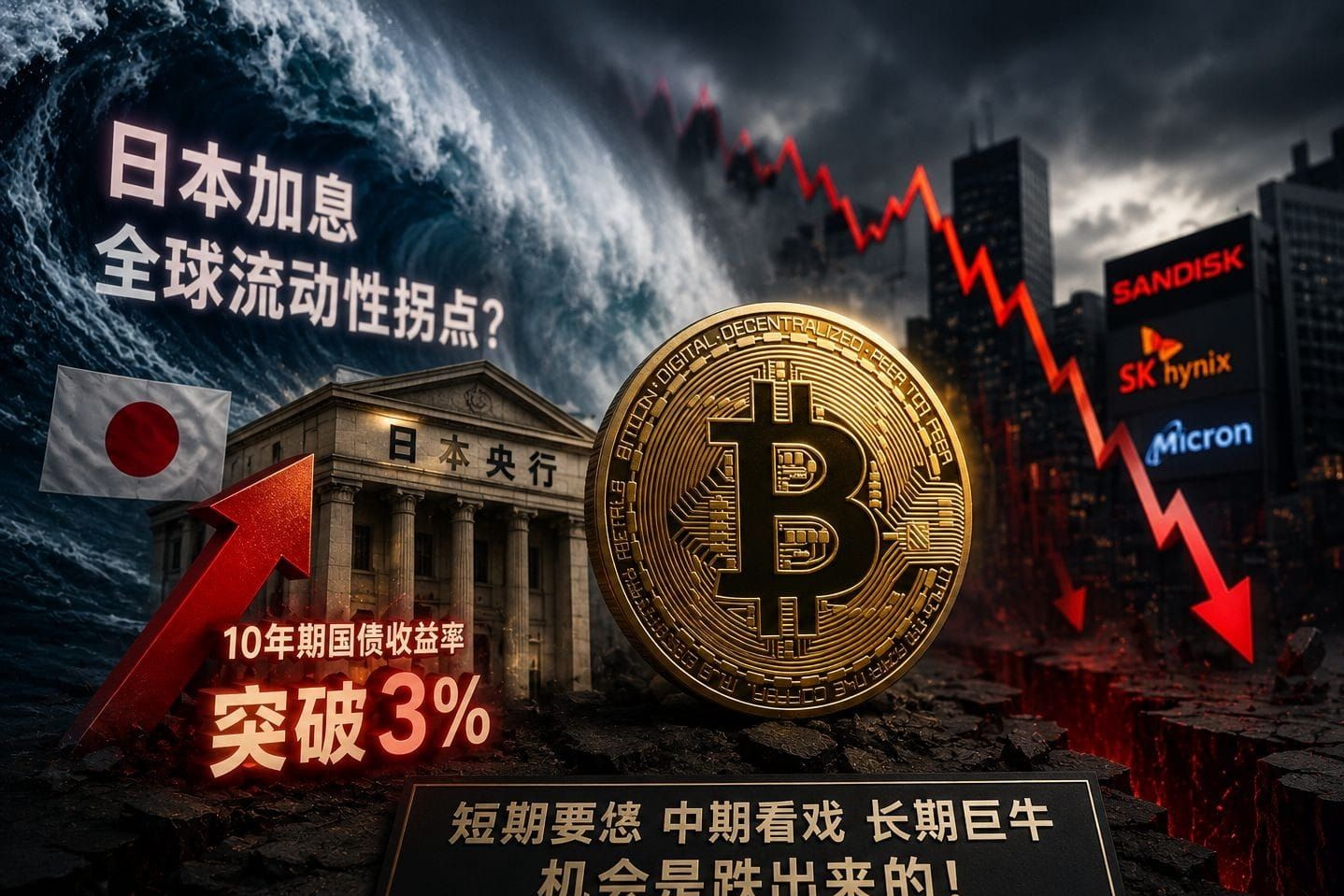
#日本10年期国债收益率首触3% Japan Hikes Rates—Is the US stock and crypto world doomed? Don’t panic. The world’s mightiest “money-printing machine” is about to be shut down! Japan’s 10-year government bond yield has surged past 3%—this is not a small matter. Over the past several decades, global investors have been borrowing near-free yen to buy US stocks, buy tech stocks, and buy Bitcoin. Now, this “free lunch” is over.
My take is: be cautious in the short term, watch in the medium term, and expect a monster rally long term. When Japan hikes rates, the first to take a hit are the high-valuation US tech stocks and the highly volatile crypto market. Money flows back to Japan, and as a high-risk “global liquidity barometer,” Bitcoin may, just like in August 2024, be hit with a panic sell-off that creates a dip first—panic, and you lose. This is the real test of the “digital gold” narrative. The more traditional currencies are printed, the more debased they become; Bitcoin’s fixed monetary policy makes it feel even more precious. Every time a macro liquidity shock triggers a crash, it’s a discounted entry ticket for long-term believers. Don’t let short-term swings scare you—keep your eyes on the big pie. Opportunities are created by the drop! Want to know where the dip-buying signal is this time?
$SKHYNIX $BNB #日本10年期国债收益率首触3%
My take is: be cautious in the short term, watch in the medium term, and expect a monster rally long term. When Japan hikes rates, the first to take a hit are the high-valuation US tech stocks and the highly volatile crypto market. Money flows back to Japan, and as a high-risk “global liquidity barometer,” Bitcoin may, just like in August 2024, be hit with a panic sell-off that creates a dip first—panic, and you lose. This is the real test of the “digital gold” narrative. The more traditional currencies are printed, the more debased they become; Bitcoin’s fixed monetary policy makes it feel even more precious. Every time a macro liquidity shock triggers a crash, it’s a discounted entry ticket for long-term believers. Don’t let short-term swings scare you—keep your eyes on the big pie. Opportunities are created by the drop! Want to know where the dip-buying signal is this time?
$SKHYNIX $BNB #日本10年期国债收益率首触3%

·
--
🎙️ Build the Binance Plaza, hold BNB|On Wednesday, the chart is slightly choppy; if you don't know how to trade, I suggest watching more and moving less. What do you think? Let's chat~

End
05 h 14 m 36 s
9.3k
47
Log in to explore more content