HORMUZ IS NOT “SAFE.” IT IS A POWDER KEG. 🔥
Qatar’s Prime Minister is heading to Tehran to try to de-escalate tensions between Iran and Washington.
But the timing is brutal.
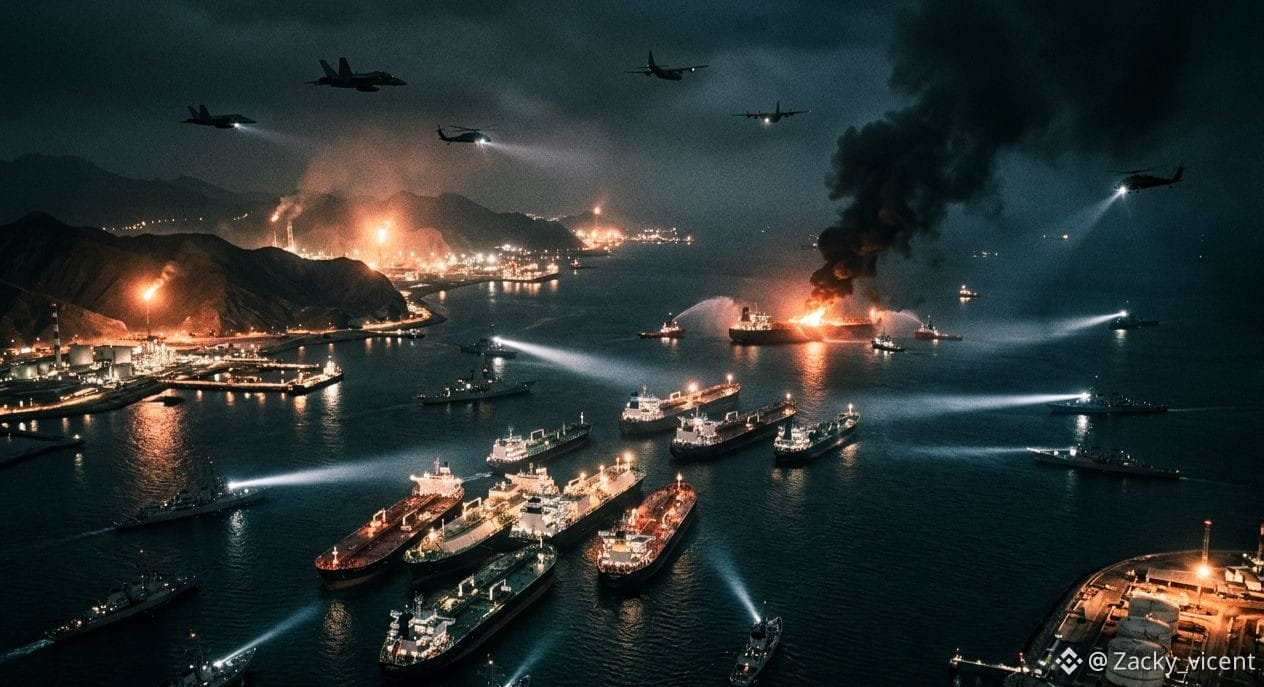
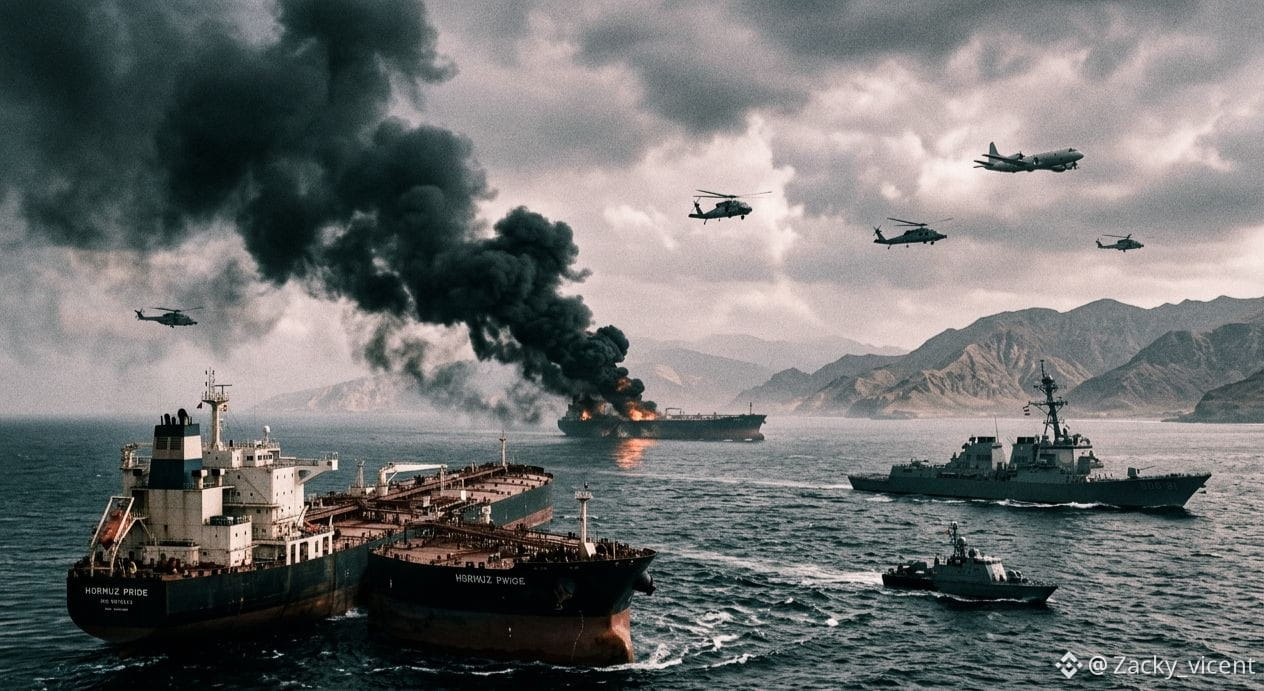
Another oil tanker was reportedly struck by an unidentified projectile near the Strait of Hormuz. The fire was extinguished and the crew survived, but the message is clear:
Hormuz remains dangerous.
And now Trump’s claim that the strait has been completely cleared of Iranian mines is being questioned by U.S. allies.
That is the real problem.
Washington says the waterway is functioning.
The market sees ships moving at a fraction of their pre-war levels.
According to Kpler, only five vessels were confirmed to cross Hormuz on Tuesday, compared with more than 130 vessels per day before the war.
Five.
That is not normal maritime traffic.
That is a geopolitical choke point operating under fear.
Iran and Oman have reportedly agreed on a temporary maritime corridor designed to restore safer shipping. But Tehran is still demanding that Washington fulfill commitments from the temporary June peace framework before fully reopening the waterway.
Meanwhile, the U.S. maintains a naval blockade against Iranian vessels and is using the Omani side of the strait to escort tankers.
Then Washington escalates economic pressure on Iran.
Then Tehran calls the sanctions “economic terrorism.”
Then diplomacy gets harder.
Then another tanker gets hit.
And everyone pretends this is under control.
This is the insanity of modern geopolitics:
One side says the corridor is safe.
The ships say otherwise.
One side says the mines are cleared.
Allies reportedly remain skeptical.
One side wants pressure.
The other side wants leverage.
And Qatar is now stepping into the middle because someone has to keep the damn door open for diplomacy.
Hormuz is not just another stretch of water.
It is one of the world’s most critical energy chokepoints.
Oil, LNG, global shipping costs, insurance premiums, inflation and energy security are all tied to what happens there.
$BTC
Qatar’s Prime Minister is heading to Tehran to try to de-escalate tensions between Iran and Washington.
But the timing is brutal.
Another oil tanker was reportedly struck by an unidentified projectile near the Strait of Hormuz. The fire was extinguished and the crew survived, but the message is clear:
Hormuz remains dangerous.
And now Trump’s claim that the strait has been completely cleared of Iranian mines is being questioned by U.S. allies.
That is the real problem.
Washington says the waterway is functioning.
The market sees ships moving at a fraction of their pre-war levels.
According to Kpler, only five vessels were confirmed to cross Hormuz on Tuesday, compared with more than 130 vessels per day before the war.
Five.
That is not normal maritime traffic.
That is a geopolitical choke point operating under fear.
Iran and Oman have reportedly agreed on a temporary maritime corridor designed to restore safer shipping. But Tehran is still demanding that Washington fulfill commitments from the temporary June peace framework before fully reopening the waterway.
Meanwhile, the U.S. maintains a naval blockade against Iranian vessels and is using the Omani side of the strait to escort tankers.
Then Washington escalates economic pressure on Iran.
Then Tehran calls the sanctions “economic terrorism.”
Then diplomacy gets harder.
Then another tanker gets hit.
And everyone pretends this is under control.
This is the insanity of modern geopolitics:
One side says the corridor is safe.
The ships say otherwise.
One side says the mines are cleared.
Allies reportedly remain skeptical.
One side wants pressure.
The other side wants leverage.
And Qatar is now stepping into the middle because someone has to keep the damn door open for diplomacy.
Hormuz is not just another stretch of water.
It is one of the world’s most critical energy chokepoints.
Oil, LNG, global shipping costs, insurance premiums, inflation and energy security are all tied to what happens there.
$BTC