
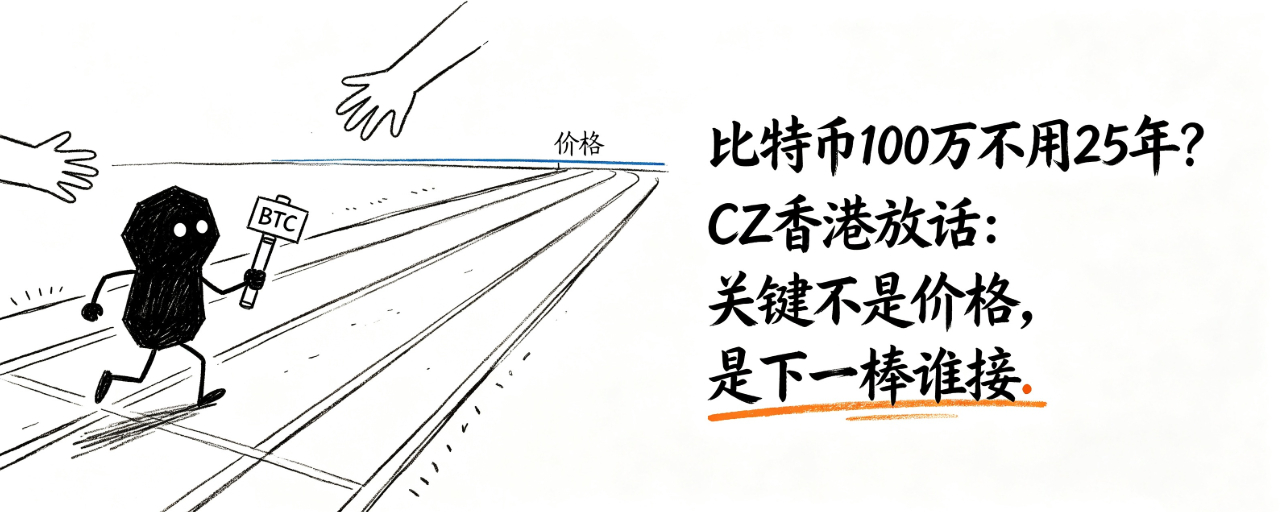

In the past 8 hours, the most densely packed information “ammunition” in the crypto world wasn’t a breakout trade off-chain, but rather on the main stage at the Hong Kong Convention and Exhibition Centre—Binance founder Changpeng Zhao (CZ) appeared at Bitcoin Asia 2026 for a fireside chat that started about 18 minutes later than scheduled. The talk didn’t call out trades or play with numbers, yet it brought to the table at once several issues most worth debating in the next twenty years.
Three lines are especially worth revisiting: it won’t take 25 years for Bitcoin to reach $1 million; RWA (asset tokenization) will ultimately feed back into Bitcoin; and “supporting multiple chains” isn’t a zero-sum game. Put them together, and you’ll see that this time CZ wasn’t talking about “Bitcoin’s price”—he was talking about where Bitcoin’s next buyers and holders will come from.
Bitcoin to $1 million doesn’t need 25 years—provided there is “a use case.”
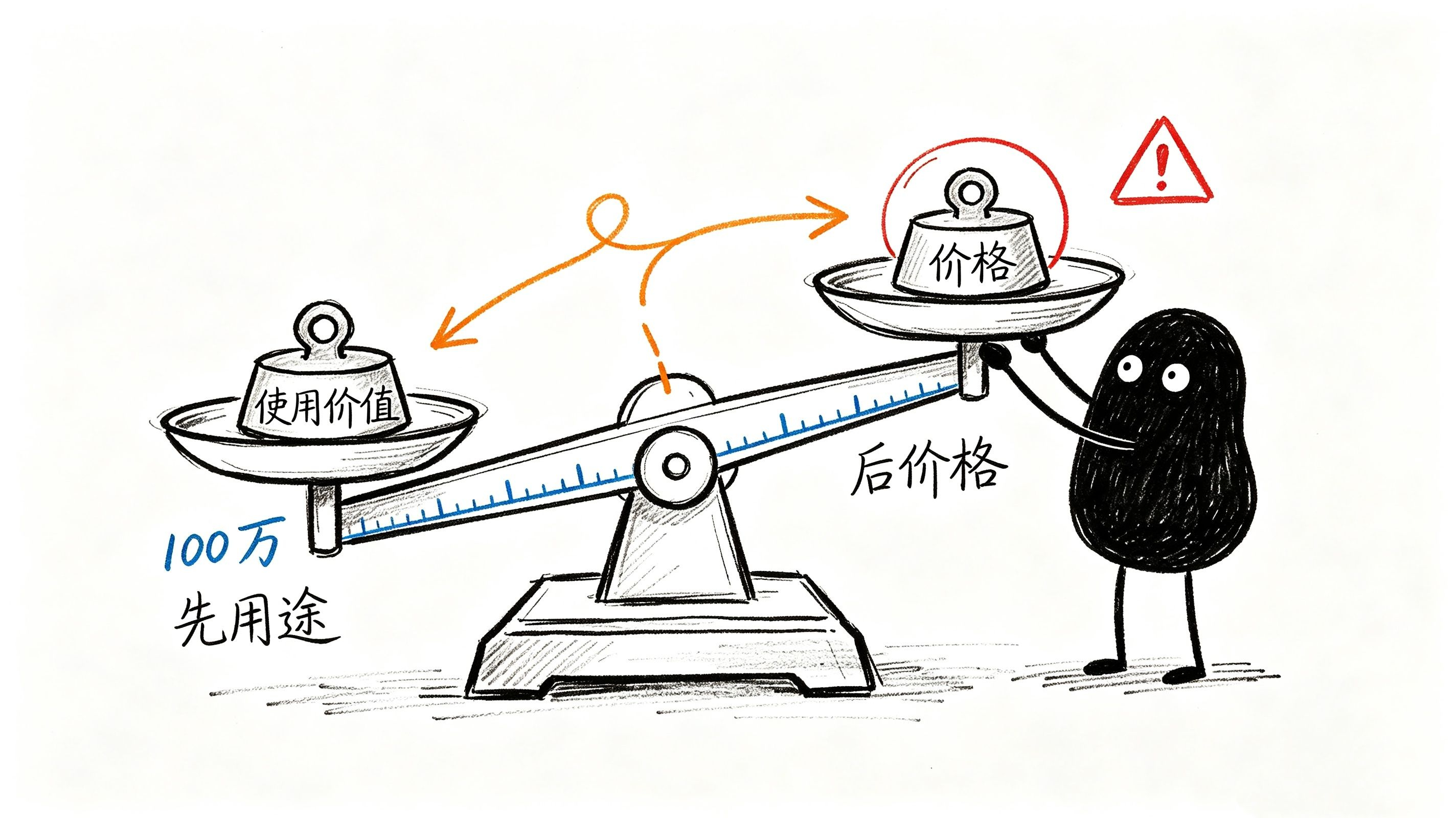
CZ’s most talked-about line at the conference, in particular his correction to the mainstream narrative like “Bitcoin to $1 million in ten years.” His original words were: “I don’t think it will take 25 years for Bitcoin to reach $1 million; it will happen faster. But leaving price aside, we need more—more practical value.”
He then gave his own timeline: Bitcoin payments will see large-scale adoption; Bitcoin will become a reserve asset for retirement funds; and all of this will be completed within 25 years.
The weight of this line lies in how it turns “to $1 million” from a price slogan into a conditional proposition about adoption. In other words, CZ isn’t doubting the end state, but he refuses to let “price” run ahead of “use cases” on its own—that’s exactly where he differs from people who just hype trades. A visible reference point is: at this very moment, US spot Bitcoin ETFs have recorded net inflows for eight consecutive days, with net inflows of about $232 million on the day; and BlackRock’s products pulled in $201 million in a single day. Institutional capital is voting with real money, which happens to line up neatly with CZ’s stated direction of “becoming a reserve asset for retirement funds.”
RWA feeds Bitcoin: let people who can’t buy US stocks first step into crypto
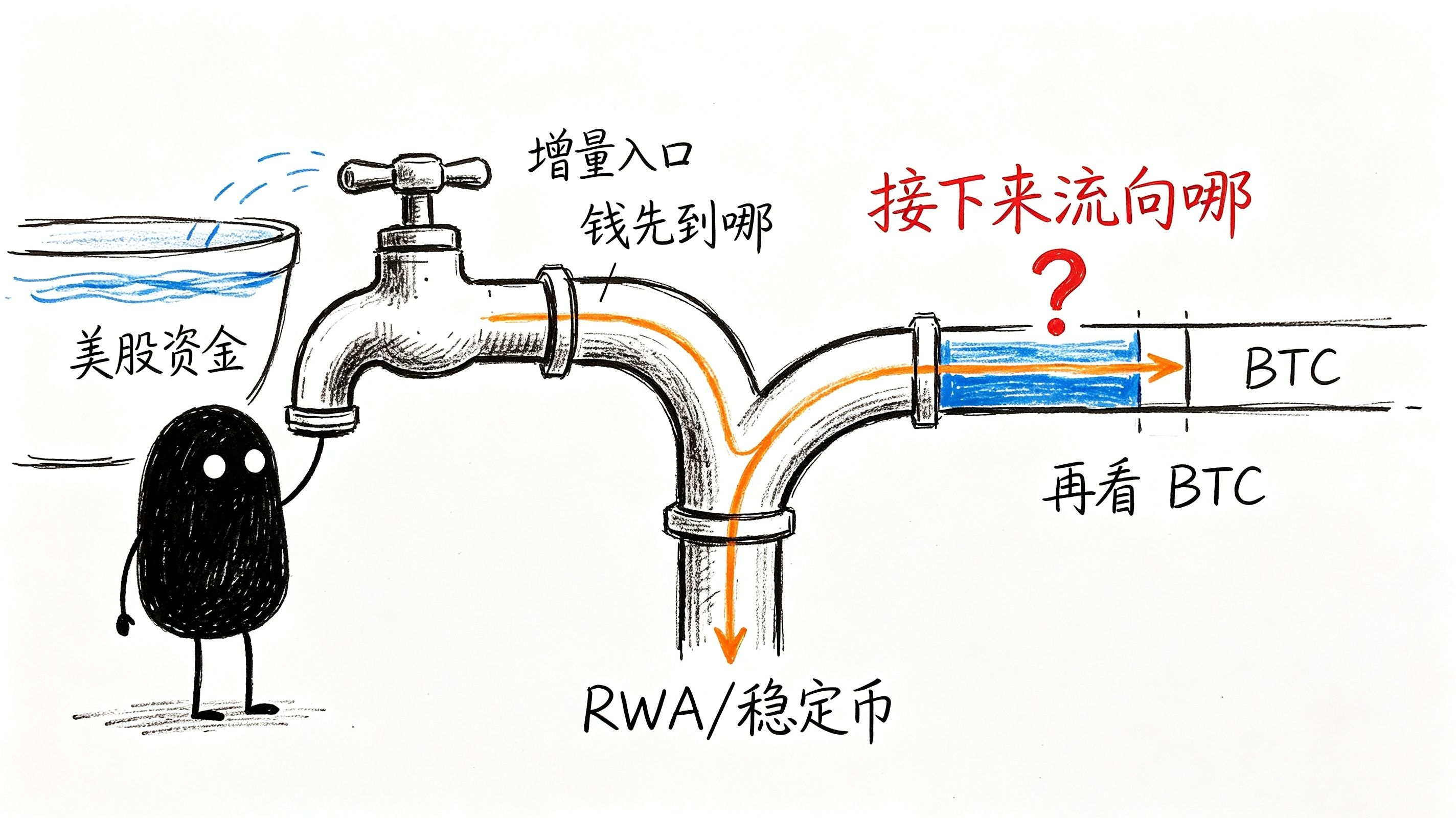
Compared with the headline “$1 million,” CZ actually spent more time talking about how RWA can become an incremental entry point for Bitcoin. His logic is very realistic—almost with a hint of channel-thinking:
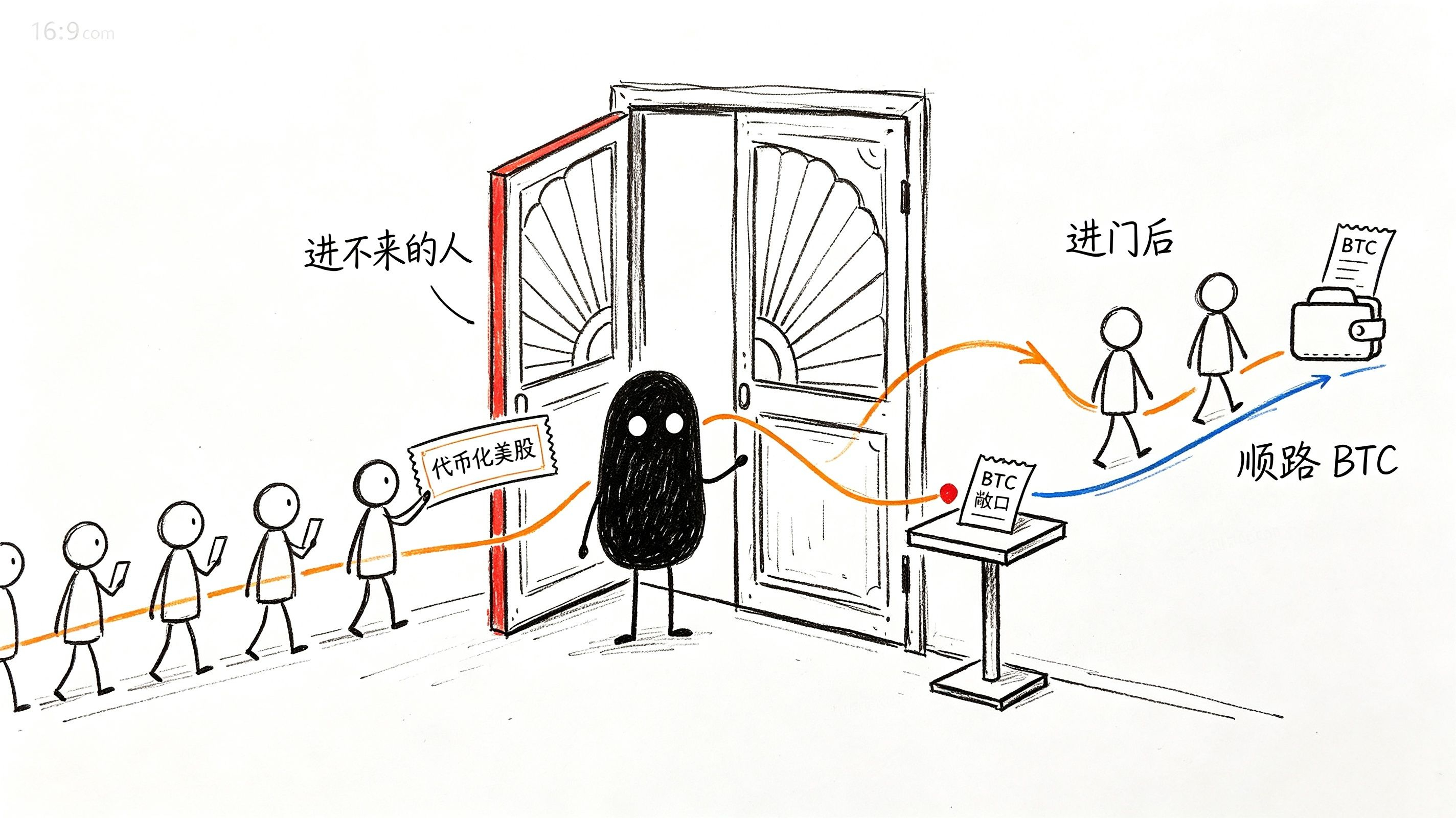
“Today we’re in Hong Kong. For Asians who want to buy US stocks, it’s extremely difficult to open a brokerage account. And for the few who can open one, the trading hours aren’t convenient—US stock trading hours are roughly from 11 p.m. to 4 a.m. So after tokenization, it’s like making access to the stock market more democratic.”
To put it plainly, CZ isn’t looking at the technical act of “tokenizing stocks.” He’s looking at the funnel: “Once stock investors come in, they’ll also open up a Bitcoin exposure.” He keeps emphasizing that people who understand Bitcoin will go on to learn about other chains and other tokens; and those who come in through tokenized stocks will, in the end, also see Bitcoin. “Anything that’s good for tokenized stocks is ultimately good for traditional stock markets, and also good for Bitcoin.”
Hidden here is an industry mainline that’s easy to overlook: right now, some US platforms are competing for the “shadow US stock” lane of licensed compliance. And CZ is placing his bet on a different path under the Asian regulatory framework—using RWA as the entry point to compete for proxy rights and pricing power for US stocks. His wording has also shifted from the earlier “RWA is good for the industry” to a more blunt “attracting US stock capital.” This signals that top-tier forces are redefining RWA—from a side product of DeFi—into the core engine of market incremental growth.

Multiple chains are not a zero-sum game: talking only “Bitcoin first” can actually harm Bitcoin
In his third remark, CZ unusually responded to “Bitcoin maximalism.” His position at the conference was very clear: “If this industry only has Bitcoin, it would develop much more slowly. Having Ethereum, BNB Chain, and other chains actually helps Bitcoin grow.”
His core argument is: Bitcoin has the largest market cap and is the most decentralized, so it will play the role of a reserve currency long term; but innovation happens more on other chains, and it’s easier to try new things. “If Bitcoin can absorb those innovations afterward, that would be a good thing.” He also added a slightly self-deprecating judgment—“crypto” is actually not a great term, because for ordinary people who don’t do math, it’s too scary and feels too distant; instead, “Web3” is a more approachable label.
These words carry weight because they come from someone who took the stage at a “Bitcoin Conference.” CZ used “non-zero-sum” to dismantle years of camp-versus-camp conflict: multiple chains, multiple exchanges, multiple decentralized trading platforms, multiple products—competition is what brings innovation and momentum. For ordinary investors, this is actually a signal: stop picking sides for projects only by asking whether they’re “pure Bitcoin.” This framework may already be outdated.
Regulation is the underlying board for this game: the UAE is leading, while many countries lack “stablecoins”
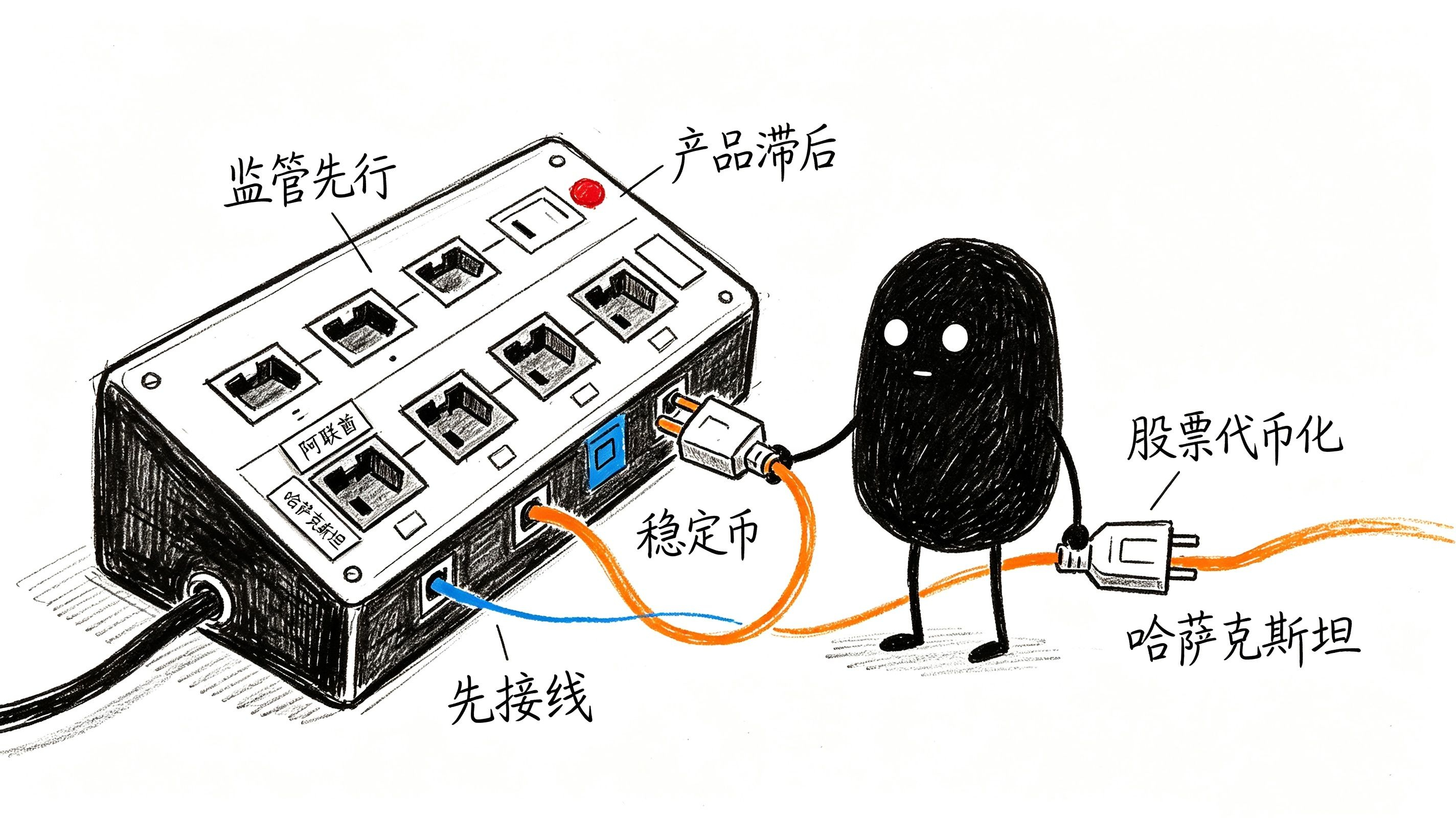
Beyond price and narrative, CZ also gave regulators an “equivalent-item list” in this round of discussion. He told the audience that when he advises governments across multiple countries, he typically focuses on four things: a crypto regulatory framework, setting up crypto reserves, issuing homegrown stablecoins, and推动 asset tokenization. Many countries still don’t have crypto reserves or their own stablecoins; he would suggest pushing these efforts as soon as possible.
His ranking of progress across countries is especially worth recording: the UAE currently has the leading crypto regulatory framework—Abu Dhabi’s global market has already issued Binance nearly full coverage global licenses for almost all products, but the UAE hasn’t issued major stablecoins yet. The US has pushed more on stablecoin and exchange regulation, with rapid progress on futures and derivatives at the federal level. Japan is relatively proactive, Hong Kong, China is moving faster, and Singapore is comparatively conservative. Kazakhstan is advancing quickly; Binance has strong local banking support and already supports payments via QR codes. He also revealed that next week he will travel to Kazakhstan and Kyrgyzstan.
If you connect these points, you’ll see CZ’s global rollout logic is very clear: use two major levers—“stablecoins + tokenized stocks”—to fill the gaps left by regulations in each country. Markets like the UAE and Kazakhstan, where “regulation comes first but products lag,” are precisely the growth strongholds he wants to secure early.
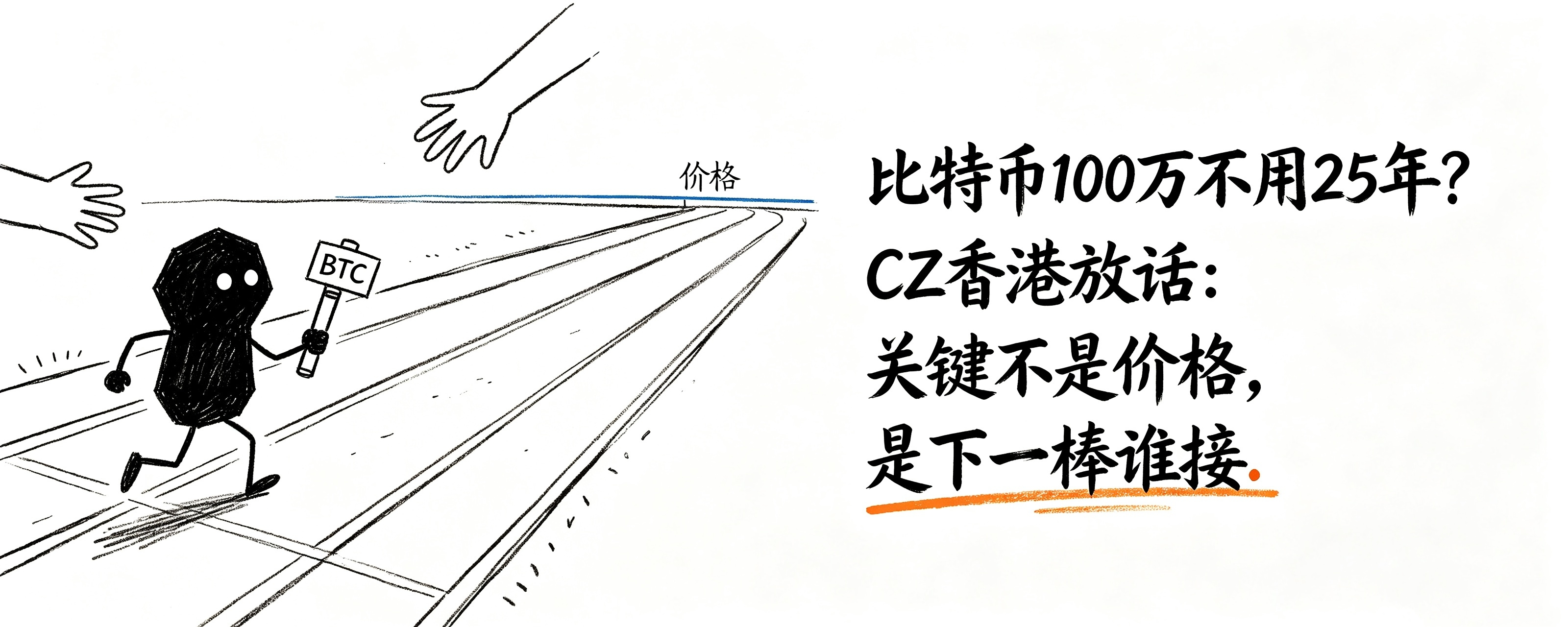
What CZ talked about this time is “who will take the next baton,” not “how high it will go.”
Strip away all emotion. With his three sentences at Bitcoin Asia 2026, CZ is really pointing to the same question: where will the next money for Bitcoin come from?
His answer is a closed loop: first bring US stock capital in via RWA, and then let these new users conveniently also have a Bitcoin exposure; meanwhile, push stablecoins and crypto reserves across multiple countries to provide the regulatory foundation for this cycle. As for “how long it takes to reach $1 million,” he didn’t give an exact target level, but a line—“it will be much faster than 25 years”—though the prerequisite is that adoption and practical value must catch up first.
That’s also the real reason this conversation is worth attention: it’s not a market forecast, but a panoramic instruction manual for the industry’s growth engine. While most people are still staring at the candlestick chart, CZ has already pulled the perspective up to the dimension of “who will become the next incremental entry point.” For investors, rather than obsess over BTC’s next price level, it’s better to follow his clues and ask: if the US stock capital being pulled in by tokenization goes to the next step, where will it flow?
Risk warning: This article is for information collation and viewpoint analysis only and does not constitute investment advice. The CZ remarks in the text reflect opinions at the conference site. There is uncertainty regarding related policies and implementation for RWA, stablecoins, crypto reserves, and others. Please make independent judgments based on official information and bear your own risks.