
加密朵儿
3.7k Posts

加密朵儿
 Square Verified+
✅币安聊天室ID 1171709603 一位加密货币投资爱好者,精通山寨币布局和主力币分析。《合约》每天日内波段,月稳定收益达到80%以上。{现货} 周期性埋伏潜力币,熊市买入,牛市卖出,年收益300%以上。五湖四海认识就是朋友!
64 Following
47.1K+ Followers
58.3K+ Liked
Posts
All
Videos
PINNED
🔥🔥🔥 Binance ID: 1171709603
New features are here! The Binance chat room has opened the 【Private Chat】 feature!
From now on, it’s easier for everyone to communicate—no more worries about messages getting buried!
Using it is super simple:
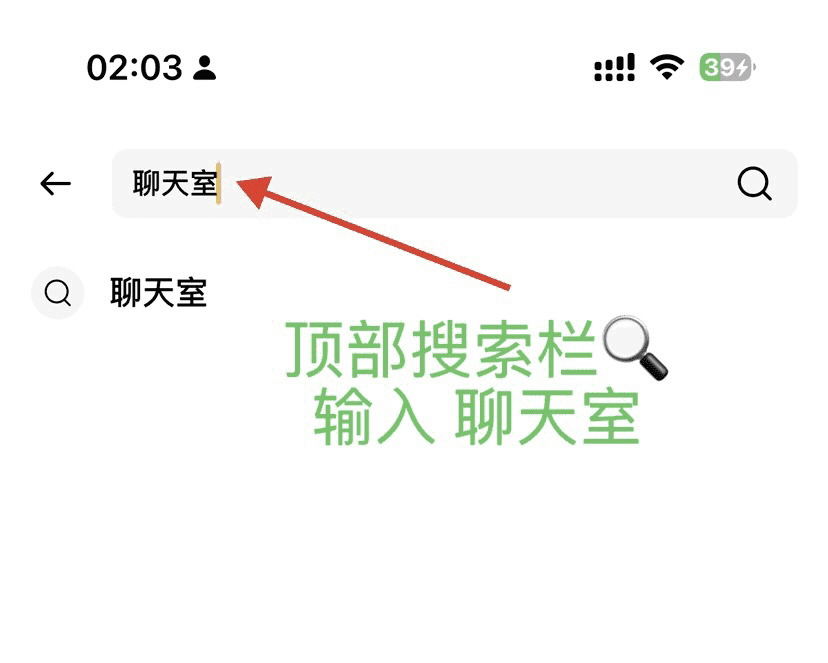
① On the Binance homepage, enter 【Chat】 in the search bar at the top to find the entry
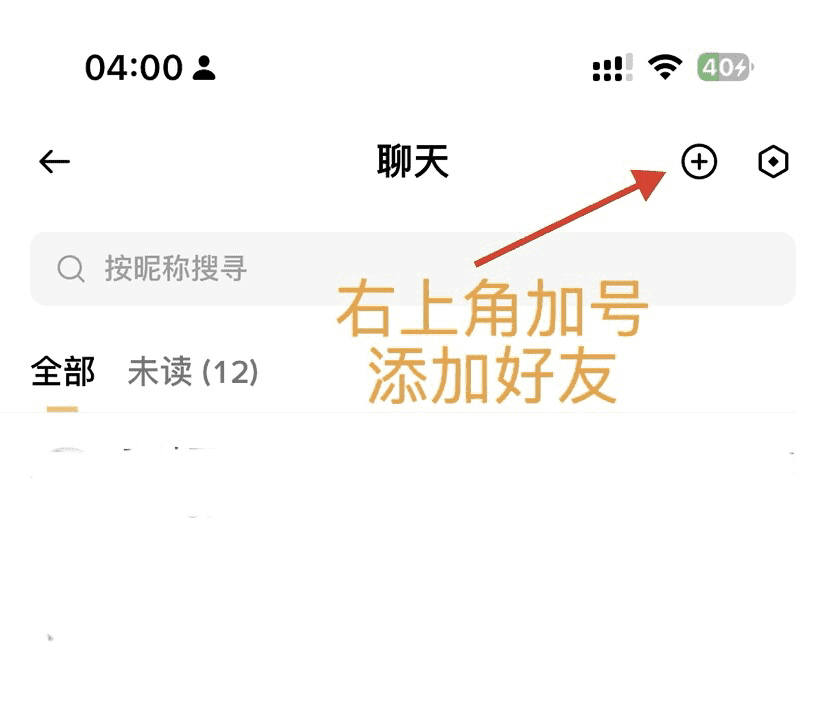
② Tap the + in the top-right corner to add a little “flower”
③ Enter your Binance ID (for example, mine: 1171709603) (or scan the QR code directly)
④ One-click search—add me and chat anytime!
Family, add your little “flower” first—then you can discuss market updates and opportunities right away!
New features are here! The Binance chat room has opened the 【Private Chat】 feature!
From now on, it’s easier for everyone to communicate—no more worries about messages getting buried!
Using it is super simple:
① On the Binance homepage, enter 【Chat】 in the search bar at the top to find the entry
② Tap the + in the top-right corner to add a little “flower”
③ Enter your Binance ID (for example, mine: 1171709603) (or scan the QR code directly)
④ One-click search—add me and chat anytime!
Family, add your little “flower” first—then you can discuss market updates and opportunities right away!

With a small amount of money in the crypto market, can you really turn things around?
Yes—but the prerequisite is that you first learn how not to lose
A lot of people come into the market wanting to double their money or get rich overnight. Then they go all-in, add leverage, and chase hot trends. They end up getting liquidated every few days. The issue isn’t really the行情 (market conditions)—it’s you
Not long ago, a follower reached out to me. Their account was left with only 2100U. They told me, “If I lose any more, I’m quitting the scene.” I didn’t give them any complicated strategy. I just told them to do one thing: split the money
Split the 2100U into three parts: 700U each
First part: only do short-term trades, at most two trades per day. If the direction is wrong, cut the loss. Don’t add funds, and don’t drag the order
Second part: only wait for a trend setup. Before the weekly chart confirms an uptrend, you don’t place a single trade. It’s better to stay in cash
Third part: use it as a safety buffer, basically leave it alone. Only use it when risk shows up
Remember this: never go all-in
Lose a little—you can still continue. Lose it all—you’re out immediately
My trading is actually very simple
If the daily moving averages don’t form a bullish alignment, I basically don’t touch it. Many people like to bottom-fish, but most bottom-fish in the middle of a falling hill
Only when the trading volume expands and the daily chart holds a key level, will I try a position with a small size
And there are two disciplines I’ve never changed:
Set a stop loss of 5%—no exception
When you reach a 10% profit, move the stop loss up to the entry price
The benefit is straightforward: when you lose, you lose very little; when you win, you can gradually scale up
When profit reaches 30%, I usually take half off first, and let the rest keep running—using a trailing stop. The money is banked first, and then we talk about the行情
Later, that follower followed this method step by step. Over three months, their account grew from 2100U to 36,000U
No miraculous “perfect trades,” and no lucky breakout—just continuously doing the same thing:
Control risk, and wait for opportunities
Many people lose because they’re too impatient
When it goes up, they chase. When it drops, they panic. They do a dozen trades a day and end up exhausting themselves
In the crypto market, opportunities are never in short supply
What’s missing is the ability to stay in the market consistently
The market is always there. Find “Duo’er,” use a systematic mindset, and I’ll help you get through the fog of investing
Yes—but the prerequisite is that you first learn how not to lose
A lot of people come into the market wanting to double their money or get rich overnight. Then they go all-in, add leverage, and chase hot trends. They end up getting liquidated every few days. The issue isn’t really the行情 (market conditions)—it’s you
Not long ago, a follower reached out to me. Their account was left with only 2100U. They told me, “If I lose any more, I’m quitting the scene.” I didn’t give them any complicated strategy. I just told them to do one thing: split the money
Split the 2100U into three parts: 700U each
First part: only do short-term trades, at most two trades per day. If the direction is wrong, cut the loss. Don’t add funds, and don’t drag the order
Second part: only wait for a trend setup. Before the weekly chart confirms an uptrend, you don’t place a single trade. It’s better to stay in cash
Third part: use it as a safety buffer, basically leave it alone. Only use it when risk shows up
Remember this: never go all-in
Lose a little—you can still continue. Lose it all—you’re out immediately
My trading is actually very simple
If the daily moving averages don’t form a bullish alignment, I basically don’t touch it. Many people like to bottom-fish, but most bottom-fish in the middle of a falling hill
Only when the trading volume expands and the daily chart holds a key level, will I try a position with a small size
And there are two disciplines I’ve never changed:
Set a stop loss of 5%—no exception
When you reach a 10% profit, move the stop loss up to the entry price
The benefit is straightforward: when you lose, you lose very little; when you win, you can gradually scale up
When profit reaches 30%, I usually take half off first, and let the rest keep running—using a trailing stop. The money is banked first, and then we talk about the行情
Later, that follower followed this method step by step. Over three months, their account grew from 2100U to 36,000U
No miraculous “perfect trades,” and no lucky breakout—just continuously doing the same thing:
Control risk, and wait for opportunities
Many people lose because they’re too impatient
When it goes up, they chase. When it drops, they panic. They do a dozen trades a day and end up exhausting themselves
In the crypto market, opportunities are never in short supply
What’s missing is the ability to stay in the market consistently
The market is always there. Find “Duo’er,” use a systematic mindset, and I’ll help you get through the fog of investing



If your account now only has a few hundred to a few thousand USDT (U), don’t fantasize about changing your life with a single trade.
The real path for small capital to grow has never been about gambling—it’s built up little by little. One of my followers started trading with 1500U. He used to go all-in: when it went up he chased, when it fell he averaged down, and in the end the account kept getting smaller. Later, I helped him set new rules, and after four months his account reached 45,000U. What changed him were three trading principles.
First, always leave yourself a fallback.
Splitting your funds is the trader’s greatest sense of security. Make separate allocations for short-term positions, trend positions, and a reserve. Each one takes on different tasks. That way, when the market changes, you won’t lose the chance to recover because of one wrong trade.
Second, only wait for high-quality opportunities.
The market isn’t worth trading every day. Participate less in choppy, range-bound conditions; if the trend hasn’t been confirmed, don’t place a bet. People who truly make money are often not the ones who trade the most, but the ones who wait the longest.
Third, drive your emotions out of trading.
When you’re losing, don’t rush to get it back. When you’re winning, don’t try to squeeze out the last wave of profit. Cut losses when you should, and take profits when you should.
Many people don’t lose because of the market—they lose because of greed and fear. For small-capital traders who want to grow, the most important thing isn’t speed, but consistency. Your account can grow slowly, but only if you stay in the market at all times. Protect your principal—then you’ll have the right to wait for wealth to grow.
The market is always there. Find “Duo’er,” and with systematic thinking, I’ll take you through the fog of investing.
The real path for small capital to grow has never been about gambling—it’s built up little by little. One of my followers started trading with 1500U. He used to go all-in: when it went up he chased, when it fell he averaged down, and in the end the account kept getting smaller. Later, I helped him set new rules, and after four months his account reached 45,000U. What changed him were three trading principles.
First, always leave yourself a fallback.
Splitting your funds is the trader’s greatest sense of security. Make separate allocations for short-term positions, trend positions, and a reserve. Each one takes on different tasks. That way, when the market changes, you won’t lose the chance to recover because of one wrong trade.
Second, only wait for high-quality opportunities.
The market isn’t worth trading every day. Participate less in choppy, range-bound conditions; if the trend hasn’t been confirmed, don’t place a bet. People who truly make money are often not the ones who trade the most, but the ones who wait the longest.
Third, drive your emotions out of trading.
When you’re losing, don’t rush to get it back. When you’re winning, don’t try to squeeze out the last wave of profit. Cut losses when you should, and take profits when you should.
Many people don’t lose because of the market—they lose because of greed and fear. For small-capital traders who want to grow, the most important thing isn’t speed, but consistency. Your account can grow slowly, but only if you stay in the market at all times. Protect your principal—then you’ll have the right to wait for wealth to grow.
The market is always there. Find “Duo’er,” and with systematic thinking, I’ll take you through the fog of investing.

I’m Duor, a veteran in the crypto world. I’m 33 years old, and I’ve been in the trenches for eight years.
By studying the contract trading system, my best record was over ten million. I’ve also gone through deep downturns.
But now, things are still going very well. Why was I able to survive in such a brutal market?
It’s actually simple: I’ve always stuck to these six iron rules.
Six survival iron rules in the crypto market—friends who are new can remember:
① When prices surge fast but fall slowly, it’s often accumulation
If the market is pumped hard and the pullback is slow, then basically big money is quietly collecting.
Don’t be scared off by a few small red candles. The main force wants to shake you out.
Look at the overall rhythm, not obsess over a single K-line.
② A fast drop is hard to rise—watch out for distribution
If there’s a sudden crash and the subsequent rebound lacks strength, then it’s likely the main force is distributing.
At this point, don’t think about “buying the dip”—you might end up buying halfway up the mountain.
③ High-volume at high levels doesn’t necessarily mean the top
Many people panic when they see big volume at high levels. But sometimes it’s actually the prelude to another push higher.
The real danger is when high levels shrink in volume and there’s no buyer left to take the orders—that’s the signal that the trend may be cooling off.
④ Increased volume at the bottom—only steadied after multiple confirmations
If the bottom only shows one big burst of volume, it could be a false move.
But if volume increases multiple times in a row, that’s when real consensus is forming—and the market is more likely to stabilize.
⑤ The core is emotion; trading volume is the answer
Don’t just stare at those complicated indicators. In the end, the market is a game of human nature.
Where the emotional consensus is, trading volume is the most honest.
If you can read trading volume, you understand most of the market.
⑥ Cultivate “no mind” to last long
If you want to go far in the crypto market, you have to learn “not to be greedy, and not to be afraid.”
Only those who can wait patiently in cash for opportunities have the right to catch the real big moves.
🌸 Finally, let me say one thing:
The biggest enemy of trading is not the news or policy—it’s your own mindset.
The market is always full of uncertainty, but opportunities are also within it.
Stay calm, keep your hands in check, and keep your heart in check—only then will you have a chance to reach the end.
Duor only does real trades, no empty promises. There are still open spots in the team right now. If you’re a brother or sister who wants to learn the methods and turn things around, hop on—we’ll work together!
By studying the contract trading system, my best record was over ten million. I’ve also gone through deep downturns.
But now, things are still going very well. Why was I able to survive in such a brutal market?
It’s actually simple: I’ve always stuck to these six iron rules.
Six survival iron rules in the crypto market—friends who are new can remember:
① When prices surge fast but fall slowly, it’s often accumulation
If the market is pumped hard and the pullback is slow, then basically big money is quietly collecting.
Don’t be scared off by a few small red candles. The main force wants to shake you out.
Look at the overall rhythm, not obsess over a single K-line.
② A fast drop is hard to rise—watch out for distribution
If there’s a sudden crash and the subsequent rebound lacks strength, then it’s likely the main force is distributing.
At this point, don’t think about “buying the dip”—you might end up buying halfway up the mountain.
③ High-volume at high levels doesn’t necessarily mean the top
Many people panic when they see big volume at high levels. But sometimes it’s actually the prelude to another push higher.
The real danger is when high levels shrink in volume and there’s no buyer left to take the orders—that’s the signal that the trend may be cooling off.
④ Increased volume at the bottom—only steadied after multiple confirmations
If the bottom only shows one big burst of volume, it could be a false move.
But if volume increases multiple times in a row, that’s when real consensus is forming—and the market is more likely to stabilize.
⑤ The core is emotion; trading volume is the answer
Don’t just stare at those complicated indicators. In the end, the market is a game of human nature.
Where the emotional consensus is, trading volume is the most honest.
If you can read trading volume, you understand most of the market.
⑥ Cultivate “no mind” to last long
If you want to go far in the crypto market, you have to learn “not to be greedy, and not to be afraid.”
Only those who can wait patiently in cash for opportunities have the right to catch the real big moves.
🌸 Finally, let me say one thing:
The biggest enemy of trading is not the news or policy—it’s your own mindset.
The market is always full of uncertainty, but opportunities are also within it.
Stay calm, keep your hands in check, and keep your heart in check—only then will you have a chance to reach the end.
Duor only does real trades, no empty promises. There are still open spots in the team right now. If you’re a brother or sister who wants to learn the methods and turn things around, hop on—we’ll work together!

Playing contracts, why do some people get steadier the more they do it, while others get messier?
The answer is hidden in two words: Self-discipline and Greed.
1. The Self-Disciplined Trader
Before entering the market, they answer three questions: Where to enter, what to do if they’re wrong, and how to proceed if they’re right.
They don’t chase after the “skyward pin” or bet on meaningless “V-shaped reversals.” They only act within their own signals.
Take profit—not because they’re afraid of missing out or running too fast, but to keep profits inside the system;
Cut losses—not because they’re admitting defeat, but to preserve the capital for the next move.
They may feel emotions, but their actions always follow the rules—this is the foundation of a professional.
2. The Greedy Trader
Seeing a big bullish candle, it’s as if they’ve missed the entire bull market. They rush in with a full position.
What was originally a small loss turns into a hard hold; a floating loss becomes a deep trap—until trading turns into praying.
“I think it will go up.” “If it rises a bit more, I’ll get out.” The more they say things like that, the more the account shrinks by the day.
They follow one principle: As long as they haven’t been liquidated, they still have the right to keep betting.
3. The Core Difference
Self-disciplined people win with rules; greedy people gamble based on mood.
The former treat contracts like a serious business; the latter treat contracts like a comeback lottery.
One pursues long-term stability, while the other craves short-term thrills—eventually ending at zero.
Remember this line:
In the contract market, it’s never technical skill that’s truly tested—it’s self-control.
There are few people who can defeat the market, but too many who are defeated by themselves. If you also want to turn things around in the crypto world, why not follow along with Duor and use the right methods to start your wealth journey!
The answer is hidden in two words: Self-discipline and Greed.
1. The Self-Disciplined Trader
Before entering the market, they answer three questions: Where to enter, what to do if they’re wrong, and how to proceed if they’re right.
They don’t chase after the “skyward pin” or bet on meaningless “V-shaped reversals.” They only act within their own signals.
Take profit—not because they’re afraid of missing out or running too fast, but to keep profits inside the system;
Cut losses—not because they’re admitting defeat, but to preserve the capital for the next move.
They may feel emotions, but their actions always follow the rules—this is the foundation of a professional.
2. The Greedy Trader
Seeing a big bullish candle, it’s as if they’ve missed the entire bull market. They rush in with a full position.
What was originally a small loss turns into a hard hold; a floating loss becomes a deep trap—until trading turns into praying.
“I think it will go up.” “If it rises a bit more, I’ll get out.” The more they say things like that, the more the account shrinks by the day.
They follow one principle: As long as they haven’t been liquidated, they still have the right to keep betting.
3. The Core Difference
Self-disciplined people win with rules; greedy people gamble based on mood.
The former treat contracts like a serious business; the latter treat contracts like a comeback lottery.
One pursues long-term stability, while the other craves short-term thrills—eventually ending at zero.
Remember this line:
In the contract market, it’s never technical skill that’s truly tested—it’s self-control.
There are few people who can defeat the market, but too many who are defeated by themselves. If you also want to turn things around in the crypto world, why not follow along with Duor and use the right methods to start your wealth journey!

Contract liquidations? Actually, it’s because you don’t understand these things
After eight years of contract trading, I’ve summed up a principle: liquidations aren’t just bad luck—they happen because you didn’t do risk management properly.
These simple low-risk methods can completely change how you think about contracts
1. Don’t be afraid of high leverage—what matters is how much you put in: For example, use 100x leverage, but trade with only 1% of your principal. Your actual risk is about the same as buying spot with all your money, but only using 1% of it.
The core is: real risk = leverage multiplier × the position size ratio you invest.
2. Stop-loss isn’t a loss—it’s insurance for your account: During the market crash in 2024, 78% of the people liquidated had losses of 5% and still refused to set a stop-loss.
Experienced traders all agree on this hard rule: the loss from a single trade must never exceed 2% of your principal.
3. Calculate position size before you enter: Here’s a simple formula: the maximum you can invest must not be more than (principal × 2%) ÷ (stop-loss ratio × leverage multiplier).
For example, if you have 50,000 in principal and you can only accept a 2% loss, using 10x leverage means you can invest at most 5,000.
4. Take profit in three steps—don’t get greedy: Sell 1/3 when you’re up 20%, sell another 1/3 when you’re up 50%. If the price then drops below the 5-day moving average, sell everything.
In 2024, someone used this method to turn 50,000 principal into 1 million.
5. Spend a little money to buy “insurance”: When you hold a position, use 1% of your principal to buy a Put option (think of it as buying insurance). It can block up to 80% of sudden risk.
During that unexpected big drop in 2024, this saved 23% of the principal.
Whether you can make money from trading can actually be calculated: (win-rate × average profit per trade) minus (loss-rate × average loss per trade).
If your maximum loss per trade is 2% and you take 20% profit when you win—even with only a 34% chance of winning—you can still end up profitable.
Finally, remember these four iron rules:
Single-trade losses must not exceed 2% of principal;
No more than 20 trades per year;
Your profits must be at least 3 times your losses;
Don’t trade 70% of the time—wait for good opportunities.
Don’t trade based on emotions—follow the rules you set. That’s the key to making money consistently.
The market is always there—find your edge. With systematic thinking, I’ll take you through the fog of investing.
After eight years of contract trading, I’ve summed up a principle: liquidations aren’t just bad luck—they happen because you didn’t do risk management properly.
These simple low-risk methods can completely change how you think about contracts
1. Don’t be afraid of high leverage—what matters is how much you put in: For example, use 100x leverage, but trade with only 1% of your principal. Your actual risk is about the same as buying spot with all your money, but only using 1% of it.
The core is: real risk = leverage multiplier × the position size ratio you invest.
2. Stop-loss isn’t a loss—it’s insurance for your account: During the market crash in 2024, 78% of the people liquidated had losses of 5% and still refused to set a stop-loss.
Experienced traders all agree on this hard rule: the loss from a single trade must never exceed 2% of your principal.
3. Calculate position size before you enter: Here’s a simple formula: the maximum you can invest must not be more than (principal × 2%) ÷ (stop-loss ratio × leverage multiplier).
For example, if you have 50,000 in principal and you can only accept a 2% loss, using 10x leverage means you can invest at most 5,000.
4. Take profit in three steps—don’t get greedy: Sell 1/3 when you’re up 20%, sell another 1/3 when you’re up 50%. If the price then drops below the 5-day moving average, sell everything.
In 2024, someone used this method to turn 50,000 principal into 1 million.
5. Spend a little money to buy “insurance”: When you hold a position, use 1% of your principal to buy a Put option (think of it as buying insurance). It can block up to 80% of sudden risk.
During that unexpected big drop in 2024, this saved 23% of the principal.
Whether you can make money from trading can actually be calculated: (win-rate × average profit per trade) minus (loss-rate × average loss per trade).
If your maximum loss per trade is 2% and you take 20% profit when you win—even with only a 34% chance of winning—you can still end up profitable.
Finally, remember these four iron rules:
Single-trade losses must not exceed 2% of principal;
No more than 20 trades per year;
Your profits must be at least 3 times your losses;
Don’t trade 70% of the time—wait for good opportunities.
Don’t trade based on emotions—follow the rules you set. That’s the key to making money consistently.
The market is always there—find your edge. With systematic thinking, I’ll take you through the fog of investing.

Three years ago, I rolled my 10,000U into 670,000U.
I didn’t rely on inside information, and I didn’t jump on a crazy bull market. I just used a “stupid-simple method”—treat trading like leveling up in a game, grinding step by step until I got it right.
Over these 1095 days, I’ve summed up 6 takeaways. If you understand just one, you can lose a few tens of thousands less; if you do three, you can leave most retail traders behind.
First takeaway: When it rises fast and falls slowly, the broker is quietly accumulating
$ETH
Pump up hard, then let it drift down slowly. Don’t rush to cut your losses. This isn’t a crash—it’s a washout, shaking out the uncommitted.
When you truly reach the top, it’s often a sudden surge on increasing volume, followed by a “boom” drop like a waterfall, sending everyone charging in to catch the falling knife.
Second takeaway: When it falls fast and rises slowly, the broker is quietly distributing
$SNDK
After a flash crash, it slowly rebounds. It looks like a bargain opportunity, but it’s the last slash. Don’t think, “It’s already fallen so much—how much lower can it go?” That mindset is the easiest way to get you badly trapped.
Third takeaway: Big volume at the top doesn’t mean it’s over—low volume is what you should watch
At high levels, if it’s still seeing volume, it means there’s still money playing—maybe it can surge once more. But when the high-level action suddenly goes quiet and volume dries up into sideways consolidation, that’s the signal of a breakdown—nobody wants to buy anymore, and the next move is down.
$HYPE
Fourth takeaway: At the bottom, don’t rush in when volume appears—only sustained volume is reliable
A one-off burst in volume could be bait. You need some consolidation first to clean out the float, then volume continues for several days—*that’s* the real accumulation/building position signal.
Fifth takeaway: Candles are the result; volume is the emotion
Price up or down is just the surface. Volume is the real feeling behind it. If volume shrinks to a freezing point, it means nobody’s playing— the market is close to bottoming out. If volume suddenly picks up, it means real money has stepped in.
#Crypto survival rule
Sixth takeaway: “Nothingness” is the real skill
No obsession—when you should be in cash, stay in cash, don’t get itchy; when you should act, act, without hesitation. This isn’t sitting flat—it’s training your mindset to maturity.
There are always opportunities in the crypto market. What’s missing is the person who can control their hands and see the situation clearly.
The market is always there. Find the “Duo’er,” and use systematic thinking to guide you through the fog of investing.
#SOL本周上涨20%
#加州通过法案拟禁官员发行Meme币
#波场主网激活TVM布拉格大阪兼容
#黄金8月上涨约14%
#Qatar extends LNG force majeure by one month
I didn’t rely on inside information, and I didn’t jump on a crazy bull market. I just used a “stupid-simple method”—treat trading like leveling up in a game, grinding step by step until I got it right.
Over these 1095 days, I’ve summed up 6 takeaways. If you understand just one, you can lose a few tens of thousands less; if you do three, you can leave most retail traders behind.
First takeaway: When it rises fast and falls slowly, the broker is quietly accumulating
$ETH
Pump up hard, then let it drift down slowly. Don’t rush to cut your losses. This isn’t a crash—it’s a washout, shaking out the uncommitted.
When you truly reach the top, it’s often a sudden surge on increasing volume, followed by a “boom” drop like a waterfall, sending everyone charging in to catch the falling knife.
Second takeaway: When it falls fast and rises slowly, the broker is quietly distributing
$SNDK
After a flash crash, it slowly rebounds. It looks like a bargain opportunity, but it’s the last slash. Don’t think, “It’s already fallen so much—how much lower can it go?” That mindset is the easiest way to get you badly trapped.
Third takeaway: Big volume at the top doesn’t mean it’s over—low volume is what you should watch
At high levels, if it’s still seeing volume, it means there’s still money playing—maybe it can surge once more. But when the high-level action suddenly goes quiet and volume dries up into sideways consolidation, that’s the signal of a breakdown—nobody wants to buy anymore, and the next move is down.
$HYPE
Fourth takeaway: At the bottom, don’t rush in when volume appears—only sustained volume is reliable
A one-off burst in volume could be bait. You need some consolidation first to clean out the float, then volume continues for several days—*that’s* the real accumulation/building position signal.
Fifth takeaway: Candles are the result; volume is the emotion
Price up or down is just the surface. Volume is the real feeling behind it. If volume shrinks to a freezing point, it means nobody’s playing— the market is close to bottoming out. If volume suddenly picks up, it means real money has stepped in.
#Crypto survival rule
Sixth takeaway: “Nothingness” is the real skill
No obsession—when you should be in cash, stay in cash, don’t get itchy; when you should act, act, without hesitation. This isn’t sitting flat—it’s training your mindset to maturity.
There are always opportunities in the crypto market. What’s missing is the person who can control their hands and see the situation clearly.
The market is always there. Find the “Duo’er,” and use systematic thinking to guide you through the fog of investing.
#SOL本周上涨20%
#加州通过法案拟禁官员发行Meme币
#波场主网激活TVM布拉格大阪兼容
#黄金8月上涨约14%
#Qatar extends LNG force majeure by one month

New investors losing money at first? Don’t blame the market—these 6 “thinking traps” are the real culprits.
Did you start trading and immediately lose, feeling completely confused? Don’t blame luck first—most likely you’ve fallen into one of the six common “thinking traps” that beginners encounter.
Once you understand these, you can take fewer detours and pay less “tuition fees.”
Many new traders buy crypto based on “feelings,” thinking, “This coin will go up,” or “That one seems reliable,” but they never set specific rules for their trades.
Investing isn’t guessing the outcome. Defining in advance exactly “how much you’ll cut losses if it drops” and “how much you’ll take profit if it rises” is the key.
For example, if you test with 1,000 RMB, you can set rules like: “Exit if it drops 5% (max loss of 50 RMB), sell at +10% (certain profit of 100 RMB).” This prevents the market from dragging you around.
Some people make a few lucky wins right after entering the market, then assume they’re “investment geniuses,” believing they can profit consistently through judgment.
But early gains are often driven by market tailwinds, not real skill. This illusion—“turning luck into ability”—leads people to trade too frequently, and ultimately to lose more and more, giving profits back to the market.
Being “hijacked” by emotions is also a common problem: you chase when others are pumping, and you cut when your own position is dropping—driven by greed and fear.
Most people let emotions steer them, which increases market volatility. Meanwhile, seasoned traders don’t trust rumors; instead, when everyone chases higher, they sell. When others panic, they buy—using contrarian thinking to earn an “emotion premium.”
Beginners also love to “change strategies.” Today they chase hotspots, tomorrow they do long-term trades. The more trial-and-error you do, the more you lose.
There’s no “universal technique.” Instead of blindly switching strategies, it’s better to get good at a simple method—for instance, divide your capital into 5 parts; add to your position once when it drops 10%; and focus on position management. That’s more reliable.
Many people think investing is about “making more,” but forget that “minimizing losses is the real king.” When markets are good, everyone can profit. But in sluggish periods, many people give back all their gains and even lose their principal.
Great investors know how to protect principal in downtrends: set stop-loss levels in advance, and when the time comes, exit decisively—don’t stubbornly hold and hope.
In the end, the opponent in investing is yourself.
Most losses come from “can’t control your hands”: chasing pumps and selling dumps, refusing to cut losses when you should, and getting overconfident after small wins. The market doesn’t punish people for “not knowing,” it punishes those who think they understand but keep making mistakes.
For beginners, making fewer mistakes matters more than making many trades. Control yourself, and you can stand strong for the long term.
In the past, I was stumbling around in the dark alone—now the light is in my hands.
The light keeps shining. Will you follow, or not?
Did you start trading and immediately lose, feeling completely confused? Don’t blame luck first—most likely you’ve fallen into one of the six common “thinking traps” that beginners encounter.
Once you understand these, you can take fewer detours and pay less “tuition fees.”
Many new traders buy crypto based on “feelings,” thinking, “This coin will go up,” or “That one seems reliable,” but they never set specific rules for their trades.
Investing isn’t guessing the outcome. Defining in advance exactly “how much you’ll cut losses if it drops” and “how much you’ll take profit if it rises” is the key.
For example, if you test with 1,000 RMB, you can set rules like: “Exit if it drops 5% (max loss of 50 RMB), sell at +10% (certain profit of 100 RMB).” This prevents the market from dragging you around.
Some people make a few lucky wins right after entering the market, then assume they’re “investment geniuses,” believing they can profit consistently through judgment.
But early gains are often driven by market tailwinds, not real skill. This illusion—“turning luck into ability”—leads people to trade too frequently, and ultimately to lose more and more, giving profits back to the market.
Being “hijacked” by emotions is also a common problem: you chase when others are pumping, and you cut when your own position is dropping—driven by greed and fear.
Most people let emotions steer them, which increases market volatility. Meanwhile, seasoned traders don’t trust rumors; instead, when everyone chases higher, they sell. When others panic, they buy—using contrarian thinking to earn an “emotion premium.”
Beginners also love to “change strategies.” Today they chase hotspots, tomorrow they do long-term trades. The more trial-and-error you do, the more you lose.
There’s no “universal technique.” Instead of blindly switching strategies, it’s better to get good at a simple method—for instance, divide your capital into 5 parts; add to your position once when it drops 10%; and focus on position management. That’s more reliable.
Many people think investing is about “making more,” but forget that “minimizing losses is the real king.” When markets are good, everyone can profit. But in sluggish periods, many people give back all their gains and even lose their principal.
Great investors know how to protect principal in downtrends: set stop-loss levels in advance, and when the time comes, exit decisively—don’t stubbornly hold and hope.
In the end, the opponent in investing is yourself.
Most losses come from “can’t control your hands”: chasing pumps and selling dumps, refusing to cut losses when you should, and getting overconfident after small wins. The market doesn’t punish people for “not knowing,” it punishes those who think they understand but keep making mistakes.
For beginners, making fewer mistakes matters more than making many trades. Control yourself, and you can stand strong for the long term.
In the past, I was stumbling around in the dark alone—now the light is in my hands.
The light keeps shining. Will you follow, or not?

At 33, I spent a full eight years grinding it out in crypto.
The people around me ask the most—it's never “How high can Bitcoin go?” It’s “Did you actually make money?”
I don’t beat around the bush: in the 2021–2023 bull cycle, my account balance steadily climbed into eight digits.
I only split the eight-year run into three phases.
As the market rhythm keeps speeding up, my trading frequency keeps getting lower.
First phase: from 50k to 1.5M—I took a full 24 months;
Second phase: from 1.5M to 8M—that took 12 months;
Third phase: from 8M to 30M—just 5 months. The further I went, the clearer I became: the speed of making money is basically inversely proportional to the number of trades.
My playbook is actually simple—stare down the “N” pattern.
A vertical surge, then a diagonal pullback, and finally another vertical breakout. Once the chart confirms, I get in. If the pattern breaks, I cut my position immediately.
No averaging down, no leverage. I set the stop-loss at 2% and the take-profit at 10%. I even write these rules into the exchange API, and the error never exceeds 0.1%.
Some people laugh at me for being “too rigid.” They say I don’t look at moving averages, hotspots, or industry news—how could I possibly make money?
But the truth is: the people who watch a dozen indicators every day and chase dozens of tweets are the ones who lose the fastest.
I reduce the chart to the bare minimum: just the 4-hour candlesticks, plus one light-gray 20-day moving average.
Every day at the close, I scan once. If there’s an N pattern, I place the conditional order; if not, I shut down for the day. The rest of the time, I make a coffee, walk the dog, and spend time with my family—let the market do what it wants.
When profits reach key milestones, I “withdraw” in time: at 1.5M, I take out the principal; at 8M, I move half away, and the rest keeps compounding with rolling positions.
Even if I run into a black swan the next day, my position won’t collapse.
I also have three iron rules. Every day during the post-close review, I must check: don’t chase pumps—wait for pattern confirmation; don’t hold through breakdowns—if it breaks, leave immediately; don’t linger—once the target is hit, withdraw.
In crypto, there’s no foolproof, no-loss strategy—only continuous filtering.
Filter out leverage, filter out FOMO (fear of missing out), filter out all kinds of noise—what remains is the real gold. Don’t try to get rich in one bite. Consistently lock in twenty rounds of 10% returns—going from 50k to 10M—is just a matter of time.
Before, I used to stumble around in the dark alone. Now the light is in my hands.
The light has been on all along—so will you follow?
The people around me ask the most—it's never “How high can Bitcoin go?” It’s “Did you actually make money?”
I don’t beat around the bush: in the 2021–2023 bull cycle, my account balance steadily climbed into eight digits.
I only split the eight-year run into three phases.
As the market rhythm keeps speeding up, my trading frequency keeps getting lower.
First phase: from 50k to 1.5M—I took a full 24 months;
Second phase: from 1.5M to 8M—that took 12 months;
Third phase: from 8M to 30M—just 5 months. The further I went, the clearer I became: the speed of making money is basically inversely proportional to the number of trades.
My playbook is actually simple—stare down the “N” pattern.
A vertical surge, then a diagonal pullback, and finally another vertical breakout. Once the chart confirms, I get in. If the pattern breaks, I cut my position immediately.
No averaging down, no leverage. I set the stop-loss at 2% and the take-profit at 10%. I even write these rules into the exchange API, and the error never exceeds 0.1%.
Some people laugh at me for being “too rigid.” They say I don’t look at moving averages, hotspots, or industry news—how could I possibly make money?
But the truth is: the people who watch a dozen indicators every day and chase dozens of tweets are the ones who lose the fastest.
I reduce the chart to the bare minimum: just the 4-hour candlesticks, plus one light-gray 20-day moving average.
Every day at the close, I scan once. If there’s an N pattern, I place the conditional order; if not, I shut down for the day. The rest of the time, I make a coffee, walk the dog, and spend time with my family—let the market do what it wants.
When profits reach key milestones, I “withdraw” in time: at 1.5M, I take out the principal; at 8M, I move half away, and the rest keeps compounding with rolling positions.
Even if I run into a black swan the next day, my position won’t collapse.
I also have three iron rules. Every day during the post-close review, I must check: don’t chase pumps—wait for pattern confirmation; don’t hold through breakdowns—if it breaks, leave immediately; don’t linger—once the target is hit, withdraw.
In crypto, there’s no foolproof, no-loss strategy—only continuous filtering.
Filter out leverage, filter out FOMO (fear of missing out), filter out all kinds of noise—what remains is the real gold. Don’t try to get rich in one bite. Consistently lock in twenty rounds of 10% returns—going from 50k to 10M—is just a matter of time.
Before, I used to stumble around in the dark alone. Now the light is in my hands.
The light has been on all along—so will you follow?

Crypto trading can really make money, but the prerequisite is that what you rely on must never be emotional “blind betting,” but rather a solid, repeatable method
One of my followers is the best proof. When he started, his account only had 2100U. There was no miracle overnight fortune. Instead, with the clear strategy I gave him, he grew his capital to 160,000U within three months
More importantly, throughout the entire process, his account never had a single liquidation. Risk control was always online, allowing profits to accumulate. Today, his account asset has remained stable at 450,000U or more for the long term
#币圈暴富
Behind all this are the 3 core logic principles I learned from turning 6,000U into several million
The first principle is to split your capital—this is the foundation for survival
Never put all the money in at once. I split his 2100U into three parts, with 700U each
One part is for day trades. You just watch that one position each day; once you reach the target profit, you exit—never be greedy; $龙虾
One part is for swing trades. You don’t trade for ten days or half a month. Once you catch an opportunity, you go for bigger gains;
The last part is the base position. No matter how the market moves, you don’t touch it—keep it as the confidence to turn things around
Many people go all-in right away, and when the market drops, they get liquidated. They don’t even give the market a chance—so how can they talk about making money?
The second principle is to go after “thick profits,” and don’t mess around during sideways consolidation
In crypto, 80% of the time is sideways. During these periods, frequent trading is basically handing money away: $我踏马来了
My advice is: when the market is ranging, be patient and wait—enter only after the trend becomes clear
And once you’ve made money, realize profits in time. For example, if profit exceeds 20%, withdraw one-third first—lock it in
A true expert isn’t someone who trades every day, but someone who either doesn’t act, or—once they do—they can hold for a long time and keep eating.
The third principle is controlling emotions—use rules instead of feelings.
The most terrible thing in trading is emotion. So you must hard-set your rules: the stop-loss line is 2%; once it hits, cut decisively—never hold to hope; $SNDK
When profit reaches 4%, reduce your position first to protect part of the gains;
Even if you lose, you absolutely must not add to the position. The more you “top up,” the more you get trapped
Set these rules in advance and follow the plan strictly, so you don’t let emotions steer your account
Turning 2100U into 450,000U is all about locking risk and letting profits run slowly through a system
#币圈生存法则
If you also feel like you’ve been taking the wrong road all along, and you want to learn how to truly turn things around—so you don’t keep taking detours—then come find Duor. Duor will take you flying
One of my followers is the best proof. When he started, his account only had 2100U. There was no miracle overnight fortune. Instead, with the clear strategy I gave him, he grew his capital to 160,000U within three months
More importantly, throughout the entire process, his account never had a single liquidation. Risk control was always online, allowing profits to accumulate. Today, his account asset has remained stable at 450,000U or more for the long term
#币圈暴富
Behind all this are the 3 core logic principles I learned from turning 6,000U into several million
The first principle is to split your capital—this is the foundation for survival
Never put all the money in at once. I split his 2100U into three parts, with 700U each
One part is for day trades. You just watch that one position each day; once you reach the target profit, you exit—never be greedy; $龙虾
One part is for swing trades. You don’t trade for ten days or half a month. Once you catch an opportunity, you go for bigger gains;
The last part is the base position. No matter how the market moves, you don’t touch it—keep it as the confidence to turn things around
Many people go all-in right away, and when the market drops, they get liquidated. They don’t even give the market a chance—so how can they talk about making money?
The second principle is to go after “thick profits,” and don’t mess around during sideways consolidation
In crypto, 80% of the time is sideways. During these periods, frequent trading is basically handing money away: $我踏马来了
My advice is: when the market is ranging, be patient and wait—enter only after the trend becomes clear
And once you’ve made money, realize profits in time. For example, if profit exceeds 20%, withdraw one-third first—lock it in
A true expert isn’t someone who trades every day, but someone who either doesn’t act, or—once they do—they can hold for a long time and keep eating.
The third principle is controlling emotions—use rules instead of feelings.
The most terrible thing in trading is emotion. So you must hard-set your rules: the stop-loss line is 2%; once it hits, cut decisively—never hold to hope; $SNDK
When profit reaches 4%, reduce your position first to protect part of the gains;
Even if you lose, you absolutely must not add to the position. The more you “top up,” the more you get trapped
Set these rules in advance and follow the plan strictly, so you don’t let emotions steer your account
Turning 2100U into 450,000U is all about locking risk and letting profits run slowly through a system
#币圈生存法则
If you also feel like you’ve been taking the wrong road all along, and you want to learn how to truly turn things around—so you don’t keep taking detours—then come find Duor. Duor will take you flying


Do you really have to work a lifetime? Why can’t ordinary people turn things around?
Over the years of trading these coins, I’ve gradually realized that the gap between real高手 (experts) and ordinary people isn’t in some complicated technique—it’s in a few very simple principles.
First, don’t trade with borrowed money.
No loans, no adding leverage, and never spend the future. Crypto trading isn’t gambling. Only using idle funds allows your mindset to stay steady, and market swings won’t push you into a dead end.
Second, don’t get addicted to short-term trades.
Many people stare at the charts every day, thinking that’s what professionalism is. But in reality, it doesn’t matter much. Many times, real高手 are in cash and wait for opportunities. When the moment hasn’t arrived, they don’t act; once it appears, they strike decisively.
Third, don’t blindly trust technical indicators.
All kinds of indicators and chart patterns look professional, but most of the time they’re just a projection of market sentiment. Look at the big direction of the trend and leave it at that. If you get too fixated on details, you’re more likely to be pulled into a trap.
Fourth, stay away from junk and knockoff “altcoins.”
Those obscure coins with no fundamentals—no matter how cheap—can still be traps. Instead of spreading your funds to gamble on empty air, it’s better to focus on real leading assets.
Fifth, opportunity comes from panic.
Many good coins—if they haven’t gone through a major pullback, I basically won’t consider them. When the market is fearful, that’s often the best time to enter. Once a bull market ends, you should leave—no dragging your feet, no hesitation.
Many people like splitting their capital into a dozen or more coins, managing it like they’re running a fund—but the result is usually a sea of green on the account.
The key is discipline.
Cut losses decisively, take profits firmly—never hesitate.
People who drag things out are hard-pressed to make real big money in the market.
So many times, experts seem like they do nothing—until they make a move, and then it’s the decisive strike.
Most retail traders, however, are the exact opposite—always tinkering, can’t sleep at night, greed when they make a little, panic when they lose a little.
Over time, the gap between the two only gets wider.
The market never lacks bad examples. If you don’t want to become one, first learn to control yourself.
In the past, you moved forward alone in the dark. Now, Duer lights the way for you. Not sure how to time your entries? Afraid of missing the move? Don’t worry—I’ll update the analysis in real time every day, give precise price points, help you avoid traps, and choose the right path.
Over the years of trading these coins, I’ve gradually realized that the gap between real高手 (experts) and ordinary people isn’t in some complicated technique—it’s in a few very simple principles.
First, don’t trade with borrowed money.
No loans, no adding leverage, and never spend the future. Crypto trading isn’t gambling. Only using idle funds allows your mindset to stay steady, and market swings won’t push you into a dead end.
Second, don’t get addicted to short-term trades.
Many people stare at the charts every day, thinking that’s what professionalism is. But in reality, it doesn’t matter much. Many times, real高手 are in cash and wait for opportunities. When the moment hasn’t arrived, they don’t act; once it appears, they strike decisively.
Third, don’t blindly trust technical indicators.
All kinds of indicators and chart patterns look professional, but most of the time they’re just a projection of market sentiment. Look at the big direction of the trend and leave it at that. If you get too fixated on details, you’re more likely to be pulled into a trap.
Fourth, stay away from junk and knockoff “altcoins.”
Those obscure coins with no fundamentals—no matter how cheap—can still be traps. Instead of spreading your funds to gamble on empty air, it’s better to focus on real leading assets.
Fifth, opportunity comes from panic.
Many good coins—if they haven’t gone through a major pullback, I basically won’t consider them. When the market is fearful, that’s often the best time to enter. Once a bull market ends, you should leave—no dragging your feet, no hesitation.
Many people like splitting their capital into a dozen or more coins, managing it like they’re running a fund—but the result is usually a sea of green on the account.
The key is discipline.
Cut losses decisively, take profits firmly—never hesitate.
People who drag things out are hard-pressed to make real big money in the market.
So many times, experts seem like they do nothing—until they make a move, and then it’s the decisive strike.
Most retail traders, however, are the exact opposite—always tinkering, can’t sleep at night, greed when they make a little, panic when they lose a little.
Over time, the gap between the two only gets wider.
The market never lacks bad examples. If you don’t want to become one, first learn to control yourself.
In the past, you moved forward alone in the dark. Now, Duer lights the way for you. Not sure how to time your entries? Afraid of missing the move? Don’t worry—I’ll update the analysis in real time every day, give precise price points, help you avoid traps, and choose the right path.

If your principal is not yet 5,000U, listen to Do’er for one unpalatable truth first:
What you need to learn right now isn’t how to get rich overnight—it’s how to not die.
A while ago, I guided a follower.
Starting from 3,000U, in 4 months they reached 200,000U—no liquidation, no drawdown collapse, steady upward progress.
It wasn’t luck. It comes down to three simple moves—dumb to the extreme, steady to the extreme!
First move: Split the principal—going all-in is inviting your own death.
Split the 3,000U into 3 parts directly. Keep them in dedicated allocations—don’t shuffle or repurpose them:
1,000U for day trading: maximum 1 trade per day. Never greedy for more and faster.
1,000U for swing trades: only enter once every ten days or half a month—only go for high-certainty opportunities.
1,000U is the “life-saving” position: even if the first two parts lose, you still have capital to turn things around.
Dead-straight discipline: never touch an all-in position—even if the market looks stable!
Second move: Bite only the thickest meat. Don’t touch the rest. No pointless trades.
Don’t trade when the market is ranging/bouncing sideways—80% of losses in crypto come from getting trapped here.
If the direction isn’t clear, stay in cash. Better to miss out than to blindly lose.
Only trade when the price action is clear and the signals are unmistakable.
Remember: the market doesn’t present opportunities every day—but your principal lives on every day. It must, too!
Third move: The rules are set in stone. Zero emotions. Eliminate a gambler’s mindset.
• Stop-loss at 2%—like eating every day: execute without hesitation.
• Take profit at 4%: cut the position by half first. Securing gains is what real money is.
• If account profit exceeds your principal by 20%, withdraw 30% immediately—lock in profits and don’t give them back.
• Never add to positions when you’re losing—that’s the root cause of 90% of retail traders never managing to turn it around.
Don’t gamble, don’t stubbornly hold through losses, don’t fantasize that the market will pull back. If you’re wrong, admit it—and stop the loss in time!
So what happened?
Now their account has long surpassed 500,000U+!
More importantly—
No more staying up late and staring at charts until your body breaks. Say goodbye to anxious self-erosion.
Spend 5 minutes a day checking the price level: if it fits the rules, do it. If not, you’re done—easy and calm.
If you want to make a comeback in crypto, first engrave this line into your bones:
As long as your principal doesn’t die, you have the right to talk about doubling!
Split your capital, wait for the right timing, and control your “heat.”
These methods don’t feel thrilling—there’s no “all-in instantly getting rich” rush.
But they can keep you from wasting three years on detours. Live steadily, get richer slowly!
Always wanting to go fast? You should know this: the fastest route in crypto has never been fast—it’s always been: slow down first!
If you also feel like you’ve been taking the wrong path and want to learn how to truly turn things around—so you don’t keep making detours—then come find Do’er. Do’er will take you flying.
What you need to learn right now isn’t how to get rich overnight—it’s how to not die.
A while ago, I guided a follower.
Starting from 3,000U, in 4 months they reached 200,000U—no liquidation, no drawdown collapse, steady upward progress.
It wasn’t luck. It comes down to three simple moves—dumb to the extreme, steady to the extreme!
First move: Split the principal—going all-in is inviting your own death.
Split the 3,000U into 3 parts directly. Keep them in dedicated allocations—don’t shuffle or repurpose them:
1,000U for day trading: maximum 1 trade per day. Never greedy for more and faster.
1,000U for swing trades: only enter once every ten days or half a month—only go for high-certainty opportunities.
1,000U is the “life-saving” position: even if the first two parts lose, you still have capital to turn things around.
Dead-straight discipline: never touch an all-in position—even if the market looks stable!
Second move: Bite only the thickest meat. Don’t touch the rest. No pointless trades.
Don’t trade when the market is ranging/bouncing sideways—80% of losses in crypto come from getting trapped here.
If the direction isn’t clear, stay in cash. Better to miss out than to blindly lose.
Only trade when the price action is clear and the signals are unmistakable.
Remember: the market doesn’t present opportunities every day—but your principal lives on every day. It must, too!
Third move: The rules are set in stone. Zero emotions. Eliminate a gambler’s mindset.
• Stop-loss at 2%—like eating every day: execute without hesitation.
• Take profit at 4%: cut the position by half first. Securing gains is what real money is.
• If account profit exceeds your principal by 20%, withdraw 30% immediately—lock in profits and don’t give them back.
• Never add to positions when you’re losing—that’s the root cause of 90% of retail traders never managing to turn it around.
Don’t gamble, don’t stubbornly hold through losses, don’t fantasize that the market will pull back. If you’re wrong, admit it—and stop the loss in time!
So what happened?
Now their account has long surpassed 500,000U+!
More importantly—
No more staying up late and staring at charts until your body breaks. Say goodbye to anxious self-erosion.
Spend 5 minutes a day checking the price level: if it fits the rules, do it. If not, you’re done—easy and calm.
If you want to make a comeback in crypto, first engrave this line into your bones:
As long as your principal doesn’t die, you have the right to talk about doubling!
Split your capital, wait for the right timing, and control your “heat.”
These methods don’t feel thrilling—there’s no “all-in instantly getting rich” rush.
But they can keep you from wasting three years on detours. Live steadily, get richer slowly!
Always wanting to go fast? You should know this: the fastest route in crypto has never been fast—it’s always been: slow down first!
If you also feel like you’ve been taking the wrong path and want to learn how to truly turn things around—so you don’t keep making detours—then come find Do’er. Do’er will take you flying.

Hello everyone, my name is Duor, I’m 33 years old. I’ve been trading crypto for 8 years, growing from 7,000 yuan to over 30 million! I’m a real, down-to-earth crypto “overnight millionaire.”
My core strategy has only one rule: 50% position size—steady and sure.
This mindset keeps my average monthly returns stable at around 70%, and it also allows my students to double within three months. I’m sharing it openly today—how much you understand is up to you.
1. Split funds into 5 parts; each time, only enter with 1/5
Set a stop-loss at 10 points. If you make a wrong move once, you only lose 2% of your total capital. Only after 5 consecutive wrong moves do you lose 10%. If it’s right, set take-profit beyond 10 points—are you still afraid of getting trapped?
2. Trade with the trend; don’t bottom-fish
In a downtrend, every rebound is a lure. In an uptrend, every pullback is a golden opportunity. “Buying the dip” is always easier than trying to bottom-fish.
3. Don’t touch coins that have surged sharply in the short term
Whether it’s a major coin or an altcoin, after a sudden spike, it’s hard for it to keep running. Stagnation and lag at high levels is an exit signal—don’t bet that it can still rise.
4. Use MACD to time entries and exits
A golden cross breaking above the 0 axis: a steady entry point; a dead cross turning downward above the 0 axis: a signal to reduce position.
5. Never add to a position when you’re losing
Averaging down is the biggest trap for retail traders. Only add when you’re in profit—let your gains run.
6. Volume is the soul of the crypto market
Pay attention to breakout with rising volume at low levels; decisively exit when there’s high-volume stagnation at high levels.
7. Only trade rising trends
For short-term trades, do it when the 3-day line turns; for medium-term, use the 30-day line; for the main breakout wave, use the 84-day line; for long-term, use the 120-day line—following the trend has the highest win rate.
8. Review after every round
Check your reasoning for holding coins, the weekly direction, and adjust your strategy in time.
Every one of the rules above is something I earned with real money.
If you want a steady comeback, follow Duor. I set the rules—you take the profits.
Team spots are running out—action is the only answer!
My core strategy has only one rule: 50% position size—steady and sure.
This mindset keeps my average monthly returns stable at around 70%, and it also allows my students to double within three months. I’m sharing it openly today—how much you understand is up to you.
1. Split funds into 5 parts; each time, only enter with 1/5
Set a stop-loss at 10 points. If you make a wrong move once, you only lose 2% of your total capital. Only after 5 consecutive wrong moves do you lose 10%. If it’s right, set take-profit beyond 10 points—are you still afraid of getting trapped?
2. Trade with the trend; don’t bottom-fish
In a downtrend, every rebound is a lure. In an uptrend, every pullback is a golden opportunity. “Buying the dip” is always easier than trying to bottom-fish.
3. Don’t touch coins that have surged sharply in the short term
Whether it’s a major coin or an altcoin, after a sudden spike, it’s hard for it to keep running. Stagnation and lag at high levels is an exit signal—don’t bet that it can still rise.
4. Use MACD to time entries and exits
A golden cross breaking above the 0 axis: a steady entry point; a dead cross turning downward above the 0 axis: a signal to reduce position.
5. Never add to a position when you’re losing
Averaging down is the biggest trap for retail traders. Only add when you’re in profit—let your gains run.
6. Volume is the soul of the crypto market
Pay attention to breakout with rising volume at low levels; decisively exit when there’s high-volume stagnation at high levels.
7. Only trade rising trends
For short-term trades, do it when the 3-day line turns; for medium-term, use the 30-day line; for the main breakout wave, use the 84-day line; for long-term, use the 120-day line—following the trend has the highest win rate.
8. Review after every round
Check your reasoning for holding coins, the weekly direction, and adjust your strategy in time.
Every one of the rules above is something I earned with real money.
If you want a steady comeback, follow Duor. I set the rules—you take the profits.
Team spots are running out—action is the only answer!

Today I won’t call out trades—just a reminder for friends with less than 800U in principal: if you want to turn things around in the crypto market, stop and read these 3 life-saving, money-making rules first. They work better than reckless charging.
Last year, I guided a 500U beginner—from not being able to tell the order types apart to earning 28,000U in three months, with zero liquidation the whole time. It wasn’t luck, but strict discipline:
1. Split your principal into three parts and keep an exit
For 500–800U, divide it into three portions:
30%–40% for intraday scalping: focus only on BTC and ETH. Take profit when the move is 3%–5%. Do 1–2 trades per day and then stop. Don’t touch altcoins.
30%–40% for swing trading: wait for the 4-hour candlestick to break out of the range and for the volume to expand before entering. Hold for 3–5 days, aiming for 15%–20% profit.
20%–30% as the “life-saving fund”: do not move it even in extreme market conditions. Without it, you won’t have the chance to turn things around.
2. Follow the trend only—don’t waste time on sideways noise
In the crypto market, 80% of the time it’s ranging. Frequent trading just means paying more fees.
No signal? Wait. When you reach 12% profit, take half off. With a small account, stability beats greed.
3. Rules come first—control your hands
Each trade’s stop-loss must not exceed 3% of your principal; exit when the time is up.
If profit exceeds 5%, cut the position by half. Set a stop-loss at your cost price for the remainder.
If you’re losing money, never add to the position. Don’t let emotions throw you off course.
The advantage of a small account is flexibility. What you fear is the gambling mindset of “betting everything on a single comeback.” Protect your principal with rules, accumulate profits steadily—and turning 800U into 20,000U isn’t difficult. The key is discipline and patience.
Before, I was out there blindly crashing through the dark alone. Now the light is in my hands.
As long as the light is on—will you follow it?
Last year, I guided a 500U beginner—from not being able to tell the order types apart to earning 28,000U in three months, with zero liquidation the whole time. It wasn’t luck, but strict discipline:
1. Split your principal into three parts and keep an exit
For 500–800U, divide it into three portions:
30%–40% for intraday scalping: focus only on BTC and ETH. Take profit when the move is 3%–5%. Do 1–2 trades per day and then stop. Don’t touch altcoins.
30%–40% for swing trading: wait for the 4-hour candlestick to break out of the range and for the volume to expand before entering. Hold for 3–5 days, aiming for 15%–20% profit.
20%–30% as the “life-saving fund”: do not move it even in extreme market conditions. Without it, you won’t have the chance to turn things around.
2. Follow the trend only—don’t waste time on sideways noise
In the crypto market, 80% of the time it’s ranging. Frequent trading just means paying more fees.
No signal? Wait. When you reach 12% profit, take half off. With a small account, stability beats greed.
3. Rules come first—control your hands
Each trade’s stop-loss must not exceed 3% of your principal; exit when the time is up.
If profit exceeds 5%, cut the position by half. Set a stop-loss at your cost price for the remainder.
If you’re losing money, never add to the position. Don’t let emotions throw you off course.
The advantage of a small account is flexibility. What you fear is the gambling mindset of “betting everything on a single comeback.” Protect your principal with rules, accumulate profits steadily—and turning 800U into 20,000U isn’t difficult. The key is discipline and patience.
Before, I was out there blindly crashing through the dark alone. Now the light is in my hands.
As long as the light is on—will you follow it?

At 2 a.m., my phone kept ringing nonstop. A friend in Jiangxi kept sending voice messages, sounding panicked:
“Duo’er姐姐, I used all 1万U with 10x leverage to go long. After the pullback of only 3%, my money is gone—what’s going on?”
I opened his trading history and saw that he went all-in at 9500U, with no stop loss set at all.
Many people mistakenly think “all-in means you can hold on.” In fact, it’s the opposite—using all-in poorly will get you wiped out faster than using isolated margin.
1. The key to an all-in liquidation isn’t leverage—it’s position size weight
Let’s take a 1000U account as an example:
With 900U at 10x, if the market moves against you by 5%, it goes straight to zero;
But with 100U at 10x, the move has to be 50% for it to blow up.
My friend had 95% of his capital tied up, used 10x leverage, and a small pullback cleared him out.
2. Three rules, and I use all-in for half a year with zero liquidations—doubling instead
1. One trade must not exceed 20% of total funds
For a 1万U account, invest no more than 2000U at a time.
Even if you’re wrong and you set a stop loss at 10%, you’d only lose 200U—not enough to hurt your principal. You can bounce back anytime.
2. Loss on any single trade must never exceed 3% of total position
For example, if you use 2000U at 10x, set a 1.5% stop loss in advance. Losing 300U would be exactly 3% of total capital.
Even if you get it wrong several times, you won’t be knocked off course.
3. Don’t open positions during range-bound, and don’t add after you’re profitable
Only trade trend breakout setups—no matter how tempting the sideways consolidation looks, you wait.
After you open a position, you never add more. Eliminate emotional interference.
3. The real way to use all-in: it’s for buffering, not gambling
The original intent of using all-in is to leave room for market fluctuations—but the prerequisite is light position trial-and-error plus strict risk management.
Before, there was a follower who liquidated every month. After following these 3 rules, he rolled from 5000U to 8000U within 3 months.
He said: “I used to think all-in was gambling with your life. Now I finally understand—using all-in is to let you live more steadily.”
In crypto, survival isn’t about who profits fastest. It’s about who can stay alive the longest.
The market will always be there. Find Duo’er, and I’ll use a systematic mindset to help you get through the fog of investing.”
“Duo’er姐姐, I used all 1万U with 10x leverage to go long. After the pullback of only 3%, my money is gone—what’s going on?”
I opened his trading history and saw that he went all-in at 9500U, with no stop loss set at all.
Many people mistakenly think “all-in means you can hold on.” In fact, it’s the opposite—using all-in poorly will get you wiped out faster than using isolated margin.
1. The key to an all-in liquidation isn’t leverage—it’s position size weight
Let’s take a 1000U account as an example:
With 900U at 10x, if the market moves against you by 5%, it goes straight to zero;
But with 100U at 10x, the move has to be 50% for it to blow up.
My friend had 95% of his capital tied up, used 10x leverage, and a small pullback cleared him out.
2. Three rules, and I use all-in for half a year with zero liquidations—doubling instead
1. One trade must not exceed 20% of total funds
For a 1万U account, invest no more than 2000U at a time.
Even if you’re wrong and you set a stop loss at 10%, you’d only lose 200U—not enough to hurt your principal. You can bounce back anytime.
2. Loss on any single trade must never exceed 3% of total position
For example, if you use 2000U at 10x, set a 1.5% stop loss in advance. Losing 300U would be exactly 3% of total capital.
Even if you get it wrong several times, you won’t be knocked off course.
3. Don’t open positions during range-bound, and don’t add after you’re profitable
Only trade trend breakout setups—no matter how tempting the sideways consolidation looks, you wait.
After you open a position, you never add more. Eliminate emotional interference.
3. The real way to use all-in: it’s for buffering, not gambling
The original intent of using all-in is to leave room for market fluctuations—but the prerequisite is light position trial-and-error plus strict risk management.
Before, there was a follower who liquidated every month. After following these 3 rules, he rolled from 5000U to 8000U within 3 months.
He said: “I used to think all-in was gambling with your life. Now I finally understand—using all-in is to let you live more steadily.”
In crypto, survival isn’t about who profits fastest. It’s about who can stay alive the longest.
The market will always be there. Find Duo’er, and I’ll use a systematic mindset to help you get through the fog of investing.”

👮叔叔电话聊虚拟币?别慌,记住这三点轻松应对!
This afternoon, 👮 Uncle called to ask about cryptocurrency trading.
“Hello, hi—this is the Public Security Bureau of Linyi…”
The moment you get a call like this, even if you’re an old veteran in the market, your heart still has to skip a beat! But don’t panic—once you panic, you’re more likely to say the wrong thing.
Remember these three moves. They can really help you at a critical moment:
First: Figure out clearly—this kind of trading itself isn’t illegal.
If the police ask whether the transaction is legal or not, you can tell them calmly:
“Buying and selling cryptocurrencies between individuals isn’t illegal. But if the money comes from an improper source, then if I used it, I’d have to take responsibility.”
The key is to let the police know you’re just a regular crypto trader. All your actions are done on legitimate platforms (or with individuals), not to do anything bad.
Second: If they ask you to refund, don’t get carried away.
If the police say the money you received might be problematic and ask you to return it, you must stay calm and communicate properly. You can say:
“I will definitely cooperate with you to figure out what’s going on. We’ll handle it as you tell us.”
Then proactively hand over evidence—your transaction records, screenshots of transfers, and so on. The more you cooperate, the faster the issue can be resolved, and the less likely you are to implicate your other bank cards. Stubbornly resisting might actually turn a small problem into a bigger one.
Third: Handle it case by case—cooperation is key.
Here’s an important distinction:
· If you’re determined to have directly participated in illegal or criminal activity, then all your accounts may be frozen.
· But if it’s just normal trading and you accidentally received problematic money, usually only the specific card/account where the money was received will be frozen.
Most importantly, remember this: cooperate well with the investigation, and it won’t leave you with a criminal record. But if you refuse to cooperate no matter what, the nature of the matter changes—and the handling measures will be upgraded.
Finally, one more reminder:
Trading crypto isn’t like buying groceries—every transfer may carry hidden risks. So make sure to do the “three checks”:
· Check whether the other party is reliable (ideally, verified/real-name)
· Check whether the flow of funds is clean
· Check whether the wallet address is safe
In the crypto market, stability matters more than making quick money. Protect your money, and don’t get pulled into the vortex of scams!
If the boss thinks it’s useful, you can click follow—follow and you’ll get rich 🤑
This afternoon, 👮 Uncle called to ask about cryptocurrency trading.
“Hello, hi—this is the Public Security Bureau of Linyi…”
The moment you get a call like this, even if you’re an old veteran in the market, your heart still has to skip a beat! But don’t panic—once you panic, you’re more likely to say the wrong thing.
Remember these three moves. They can really help you at a critical moment:
First: Figure out clearly—this kind of trading itself isn’t illegal.
If the police ask whether the transaction is legal or not, you can tell them calmly:
“Buying and selling cryptocurrencies between individuals isn’t illegal. But if the money comes from an improper source, then if I used it, I’d have to take responsibility.”
The key is to let the police know you’re just a regular crypto trader. All your actions are done on legitimate platforms (or with individuals), not to do anything bad.
Second: If they ask you to refund, don’t get carried away.
If the police say the money you received might be problematic and ask you to return it, you must stay calm and communicate properly. You can say:
“I will definitely cooperate with you to figure out what’s going on. We’ll handle it as you tell us.”
Then proactively hand over evidence—your transaction records, screenshots of transfers, and so on. The more you cooperate, the faster the issue can be resolved, and the less likely you are to implicate your other bank cards. Stubbornly resisting might actually turn a small problem into a bigger one.
Third: Handle it case by case—cooperation is key.
Here’s an important distinction:
· If you’re determined to have directly participated in illegal or criminal activity, then all your accounts may be frozen.
· But if it’s just normal trading and you accidentally received problematic money, usually only the specific card/account where the money was received will be frozen.
Most importantly, remember this: cooperate well with the investigation, and it won’t leave you with a criminal record. But if you refuse to cooperate no matter what, the nature of the matter changes—and the handling measures will be upgraded.
Finally, one more reminder:
Trading crypto isn’t like buying groceries—every transfer may carry hidden risks. So make sure to do the “three checks”:
· Check whether the other party is reliable (ideally, verified/real-name)
· Check whether the flow of funds is clean
· Check whether the wallet address is safe
In the crypto market, stability matters more than making quick money. Protect your money, and don’t get pulled into the vortex of scams!
If the boss thinks it’s useful, you can click follow—follow and you’ll get rich 🤑

I’m 33 this year, and I’ve been in the crypto market for 8 years. Since I was 25, I’ve personally witnessed all the ups and downs in this industry.
Some people ask me, “Have you made money?” The answer is simple: from 2020 to 2022, my account crossed eight digits. Now I can comfortably enjoy 2000 per night for hotel stays—living more easily than many people in traditional industries born in the 1980s.
So what’s the secret? Not talent, and not luck, but a simple “Phase 343 investment method.” With it, I’ve steadily made over 20 million.
Take B i t c o i n, for example:
Step 1: 3 — Start small
Say my capital pool is 120,000. I’ll first use 30% (36,000) as an initial investment. With a small position, I maintain a steady mindset and keep risk under control.
Step 2: 4 — Add steadily
If the price goes up, I wait for a pullback before adding. If it drops, I increase by 10% for every 10% decline, gradually completing 40% of the position. This way, no matter how the market fluctuates, my cost basis can be averaged.
Step 3: 3 — Final add
When the trend stabilizes, I use the last 30% to add, ensuring the whole process is clear and efficient.
This method might sound a bit “stupid,” but sometimes, stupid things can last.
In the market, the hardest part isn’t finding some so-called “miracle trade”—it’s restraining your greed and fear.
I’ve seen too many people chase shortcuts, only to lose heavily overnight. And what I rely on is “calm, not greedy, and investing in phases.”
The result is: while others buy high and sell low, I keep moving forward steadily—and go much farther.
Friends, don’t underestimate this “silly method”; it’s the real A T M in the crypto market.
If you also want to turn things around in the coin world, don’t hesitate—why not follow D o u ’e and use the right method to start your wealth journey!
Some people ask me, “Have you made money?” The answer is simple: from 2020 to 2022, my account crossed eight digits. Now I can comfortably enjoy 2000 per night for hotel stays—living more easily than many people in traditional industries born in the 1980s.
So what’s the secret? Not talent, and not luck, but a simple “Phase 343 investment method.” With it, I’ve steadily made over 20 million.
Take B i t c o i n, for example:
Step 1: 3 — Start small
Say my capital pool is 120,000. I’ll first use 30% (36,000) as an initial investment. With a small position, I maintain a steady mindset and keep risk under control.
Step 2: 4 — Add steadily
If the price goes up, I wait for a pullback before adding. If it drops, I increase by 10% for every 10% decline, gradually completing 40% of the position. This way, no matter how the market fluctuates, my cost basis can be averaged.
Step 3: 3 — Final add
When the trend stabilizes, I use the last 30% to add, ensuring the whole process is clear and efficient.
This method might sound a bit “stupid,” but sometimes, stupid things can last.
In the market, the hardest part isn’t finding some so-called “miracle trade”—it’s restraining your greed and fear.
I’ve seen too many people chase shortcuts, only to lose heavily overnight. And what I rely on is “calm, not greedy, and investing in phases.”
The result is: while others buy high and sell low, I keep moving forward steadily—and go much farther.
Friends, don’t underestimate this “silly method”; it’s the real A T M in the crypto market.
If you also want to turn things around in the coin world, don’t hesitate—why not follow D o u ’e and use the right method to start your wealth journey!

There’s a kind of person around, I’ve seen too many.
When the account first enters the market, it has 100,000 U—after a few months, only a few thousand remains.
It’s not that the market is too bad. It’s that you’ve killed yourself with your own actions.
Most people’s trading state is basically the same: dozens of trades a day, you can’t stop your hands.
The more fees you pay, the more your account shrinks.
Seeing others make money off meme coins, they FOMO right in.
By the time they come to their senses, the candlestick chart has already given you a huge bearish candle.
Staying up at night to watch the chart, the more you look, the more chaotic it gets—yet the more you try, the faster you lose.
In plain terms, most people who lose money aren’t trading—they’re using their account to bet on emotions.
Actually, if many people just changed a few habits, their trading would be completely different.
I’ve always told the people around me three things:
First, don’t be a slave to candlesticks.
Many people stare at 1-minute and 5-minute charts every day.
They chase the moment it goes up, panic the moment it dips.
The truly meaningful moves are usually on bigger timeframes.
On the 4-hour (and above) level, look at the trend—breakouts are your opportunity.
It’s better to miss than to act recklessly.
One or two trades a day, or even no trades at all, is better than random sweeping.
Second, roll your position using profits—not your principal to gamble your life.
Many people add to their position based on the logic: “I’m down, so I’ll average down—and the more I average down, the bigger it gets.”
Then the market moves a little further, and you get liquidated straight away.
The correct method is actually simple: start with a small exploratory position on the first trade.
If your direction is right, roll it using the profits you earn.
When you’re winning, expand your advantage; when you’re losing, reduce immediately.
If your loss reaches a certain percentage, cut the trade—don’t add, don’t hold, and don’t fantasize.
Third, discipline matters a hundred times more than technical skills.
After two consecutive stop-losses, stop right there.
Don’t do emotional trades.
Many people don’t lose because their skills are bad—they lose because they refuse to admit they were wrong.
Keep holding, keep averaging—until you eventually end up losing the whole account.
At the end of the day, trading is actually simple: follow the trend + control your position size + set stop-losses.
But most people would rather trust complicated indicators.
They also don’t want to accept a reality—that they’ve actually been gambling the whole time.
If you want to turn things around in crypto, the first step isn’t how much money you make.
It’s to first learn one thing: survive.
The market is always there. Find your way—using systematic thinking, and I’ll help you cross through the fog of investing.
When the account first enters the market, it has 100,000 U—after a few months, only a few thousand remains.
It’s not that the market is too bad. It’s that you’ve killed yourself with your own actions.
Most people’s trading state is basically the same: dozens of trades a day, you can’t stop your hands.
The more fees you pay, the more your account shrinks.
Seeing others make money off meme coins, they FOMO right in.
By the time they come to their senses, the candlestick chart has already given you a huge bearish candle.
Staying up at night to watch the chart, the more you look, the more chaotic it gets—yet the more you try, the faster you lose.
In plain terms, most people who lose money aren’t trading—they’re using their account to bet on emotions.
Actually, if many people just changed a few habits, their trading would be completely different.
I’ve always told the people around me three things:
First, don’t be a slave to candlesticks.
Many people stare at 1-minute and 5-minute charts every day.
They chase the moment it goes up, panic the moment it dips.
The truly meaningful moves are usually on bigger timeframes.
On the 4-hour (and above) level, look at the trend—breakouts are your opportunity.
It’s better to miss than to act recklessly.
One or two trades a day, or even no trades at all, is better than random sweeping.
Second, roll your position using profits—not your principal to gamble your life.
Many people add to their position based on the logic: “I’m down, so I’ll average down—and the more I average down, the bigger it gets.”
Then the market moves a little further, and you get liquidated straight away.
The correct method is actually simple: start with a small exploratory position on the first trade.
If your direction is right, roll it using the profits you earn.
When you’re winning, expand your advantage; when you’re losing, reduce immediately.
If your loss reaches a certain percentage, cut the trade—don’t add, don’t hold, and don’t fantasize.
Third, discipline matters a hundred times more than technical skills.
After two consecutive stop-losses, stop right there.
Don’t do emotional trades.
Many people don’t lose because their skills are bad—they lose because they refuse to admit they were wrong.
Keep holding, keep averaging—until you eventually end up losing the whole account.
At the end of the day, trading is actually simple: follow the trend + control your position size + set stop-losses.
But most people would rather trust complicated indicators.
They also don’t want to accept a reality—that they’ve actually been gambling the whole time.
If you want to turn things around in crypto, the first step isn’t how much money you make.
It’s to first learn one thing: survive.
The market is always there. Find your way—using systematic thinking, and I’ll help you cross through the fog of investing.

I’ve been trading memecoins for eight years, and the craziest—and most unforgettable—memory is frozen in that 2017 bull run that belonged to copycat coins.
Back then, I picked ADA and started buying in batches from $0.03. No one expected that, just three months later, it would surge all the way to a peak of $1.2. The numbers in my account multiplied by nearly 40 times.
At the time, the first thing I did every morning after waking up was open my charting app, watching the zeros after my assets keep growing. Even in my head, I’d started calculating—this money would be enough to buy a house outright in the city.
But I was too greedy. I never pressed the sell button. Right after that, ADA began a cliff-like drop, crashing back to $0.2 in one go. Unrealized gains vanished like flowing water—around 80% of the profit disappeared overnight—and the dream of buying a house was shattered completely.
This experience taught me a hard truth:
In crypto markets, buying at the top may count as entry-level. Real pros know how to sell.
The take-profit and stop-loss method below is a lesson I paid for with real money. It’s especially suitable for ordinary people who don’t have time to watch the charts day and night.
For take-profit, I use a “ladder take-profit” approach:
Suppose a coin rises from $1 to $2. I’ll sell 30% of my position first, so the original capital is basically recovered. No matter what happens afterward, my mindset stays stable.
When it continues up to $3, I reduce another 30%. Finally, the remaining 40%—I set a trailing take-profit: as long as the price falls 15% from the highest point, it automatically sells everything. This way, I don’t miss the main upswing, and I also ensure the profit won’t all be given back.
As for stop-loss, I have a strict rule: losses on a single trade must never exceed 5% of the total principal.
After each buy, I immediately place conditional orders and set a stop-loss line at -10%. It’s like putting insurance on the trade.
Don’t worry about missing opportunities—crypto markets are never short of volatility and charts. But once your principal is wiped out, you’ve lost your chance to ever turn things around.
Over these eight years, I’ve witnessed too many stories of getting rich overnight. But I’ve also seen more people lose everything on the roller coaster of ups and downs. Those who truly walk away with profits are often the ones who strictly follow discipline.
The market is always there. Find your way, and with a systematic mindset, let me help you get through the fog of investing.
Back then, I picked ADA and started buying in batches from $0.03. No one expected that, just three months later, it would surge all the way to a peak of $1.2. The numbers in my account multiplied by nearly 40 times.
At the time, the first thing I did every morning after waking up was open my charting app, watching the zeros after my assets keep growing. Even in my head, I’d started calculating—this money would be enough to buy a house outright in the city.
But I was too greedy. I never pressed the sell button. Right after that, ADA began a cliff-like drop, crashing back to $0.2 in one go. Unrealized gains vanished like flowing water—around 80% of the profit disappeared overnight—and the dream of buying a house was shattered completely.
This experience taught me a hard truth:
In crypto markets, buying at the top may count as entry-level. Real pros know how to sell.
The take-profit and stop-loss method below is a lesson I paid for with real money. It’s especially suitable for ordinary people who don’t have time to watch the charts day and night.
For take-profit, I use a “ladder take-profit” approach:
Suppose a coin rises from $1 to $2. I’ll sell 30% of my position first, so the original capital is basically recovered. No matter what happens afterward, my mindset stays stable.
When it continues up to $3, I reduce another 30%. Finally, the remaining 40%—I set a trailing take-profit: as long as the price falls 15% from the highest point, it automatically sells everything. This way, I don’t miss the main upswing, and I also ensure the profit won’t all be given back.
As for stop-loss, I have a strict rule: losses on a single trade must never exceed 5% of the total principal.
After each buy, I immediately place conditional orders and set a stop-loss line at -10%. It’s like putting insurance on the trade.
Don’t worry about missing opportunities—crypto markets are never short of volatility and charts. But once your principal is wiped out, you’ve lost your chance to ever turn things around.
Over these eight years, I’ve witnessed too many stories of getting rich overnight. But I’ve also seen more people lose everything on the roller coaster of ups and downs. Those who truly walk away with profits are often the ones who strictly follow discipline.
The market is always there. Find your way, and with a systematic mindset, let me help you get through the fog of investing.

I am Duor, a veteran in the crypto world. I’m 33 years old, and I’ve been navigating this market for eight years now.
By studying the contract-trading system, my highest record was over ten million. I’ve also gone through deep slumps.
But now, I’m still doing very well. How can I survive in such a ruthless market?
Actually, it’s simple: I’ve always followed these six iron rules.
Six Survival Iron Rules in the Crypto Market—newcomers can remember:
① When prices surge and pull back slowly, it’s often accumulation
If the market is pumped up hard with slow retracements, it basically means big money is quietly collecting.
Don’t get scared off by a few small red candles. The main force wants to shake you out.
Look at the overall rhythm, not obsess over a single K-line.
② A sharp drop is hard to rally—be careful, it may be distribution
If there’s a sudden crash and the rebound lacks strength afterward, it’s usually the main force distributing.
At this point, don’t think about “buying the dip.” You may end up buying halfway up the mountain.
③ High-volume breakout at high levels doesn’t necessarily mean a top
Many people panic when they see high volume at high levels. But sometimes it’s actually the prelude to pushing higher.
The real danger is when volume shrinks at high levels—when nobody is there to take the orders. That’s the signal that the trend may be turning cold.
④ Big volume at the bottom—only stable after repeated confirmation
If the bottom only sees one burst of huge volume, it could be a fake move.
But if there are multiple consecutive volume surges, that’s when real consensus is forming—and the trend becomes more stable.
⑤ The core is emotion; trading volume is the answer
Don’t just focus on those complicated indicators. In the end, the market is a game of human nature.
Where the emotional consensus is, volume is the most honest.
Understand volume, and you understand most of the market.
⑥ Practice “no desire” to last long
If you want to go far in the crypto world, you need to learn not to be greedy and not to be afraid.
Only those who can patiently wait in cash for opportunities are qualified to catch the truly big trends.
🌸 Finally, let me say this:
The biggest enemy of trading isn’t the news or policy—it’s your own mindset.
The market is always full of uncertainty, but opportunities are also embedded within it.
Stay calm, keep your hands in check, keep your mind in check—then you’ll have a chance to reach the end.
The trend is always there. Find Duor, and with systematic thinking, I’ll take you through the fog of investing.
By studying the contract-trading system, my highest record was over ten million. I’ve also gone through deep slumps.
But now, I’m still doing very well. How can I survive in such a ruthless market?
Actually, it’s simple: I’ve always followed these six iron rules.
Six Survival Iron Rules in the Crypto Market—newcomers can remember:
① When prices surge and pull back slowly, it’s often accumulation
If the market is pumped up hard with slow retracements, it basically means big money is quietly collecting.
Don’t get scared off by a few small red candles. The main force wants to shake you out.
Look at the overall rhythm, not obsess over a single K-line.
② A sharp drop is hard to rally—be careful, it may be distribution
If there’s a sudden crash and the rebound lacks strength afterward, it’s usually the main force distributing.
At this point, don’t think about “buying the dip.” You may end up buying halfway up the mountain.
③ High-volume breakout at high levels doesn’t necessarily mean a top
Many people panic when they see high volume at high levels. But sometimes it’s actually the prelude to pushing higher.
The real danger is when volume shrinks at high levels—when nobody is there to take the orders. That’s the signal that the trend may be turning cold.
④ Big volume at the bottom—only stable after repeated confirmation
If the bottom only sees one burst of huge volume, it could be a fake move.
But if there are multiple consecutive volume surges, that’s when real consensus is forming—and the trend becomes more stable.
⑤ The core is emotion; trading volume is the answer
Don’t just focus on those complicated indicators. In the end, the market is a game of human nature.
Where the emotional consensus is, volume is the most honest.
Understand volume, and you understand most of the market.
⑥ Practice “no desire” to last long
If you want to go far in the crypto world, you need to learn not to be greedy and not to be afraid.
Only those who can patiently wait in cash for opportunities are qualified to catch the truly big trends.
🌸 Finally, let me say this:
The biggest enemy of trading isn’t the news or policy—it’s your own mindset.
The market is always full of uncertainty, but opportunities are also embedded within it.
Stay calm, keep your hands in check, keep your mind in check—then you’ll have a chance to reach the end.
The trend is always there. Find Duor, and with systematic thinking, I’ll take you through the fog of investing.

Log in to explore more content