


Amid the current surge of the DePIN ecosystem in the encryption industry, node presales have long become a core model for early fundraising for high-quality projects, launching a cold-start community, and strengthening ecosystem-wide consensus. Unlike node-project “funding pools” that appear briefly and rely on recruiting new participants, truly successful node presale cases that have proven a viable business loop and achieved sustainable development do not primarily rely on short-term marketing hype. Instead, their key advantages lie in four essentials working together: compliant fundraising, user retention, ecosystem implementation, and healthy capital flow. This article analyzes, from the project team’s perspective, the success logic of node presales using industry benchmark cases, and extracts strategies that can be reused.
Looking at industry development, the four major projects—Filecoin, Render, Akash, and U2U Network—each represent node pre-sale benchmarks across four tracks: storage, GPU rendering, distributed cloud computing, and a new-type blockchain. They are also among the few cases that successfully achieve “fundraising that gets implemented, ecosystem that sustains, and a win-win for users.” Their underlying logic is worth every new project learning from.
Filecoin, as the pioneering work of global storage DePIN, established the foundational paradigm for node pre-sales in the industry. The project team abandoned the lightweight “pure NFT selling” asset model and adopted a hard-core node approach of “hardware deployment + token staking.” In the early stage, it completed its first round of large-scale fundraising through mining rig/node pre-sales. The public offering raised over $200 million, providing ample financial support for the subsequent mainnet launch and the building of a global storage ecosystem. For the project team, the greatest value of this model lies in precisely filtering for quality long-term users: participants in the node pre-sale must invest hardware and token costs, naturally forming a highly sticky community. At the same time, node computing power is deeply bound to the network ecosystem. Users’ rewards depend on ecosystem development, which fully avoids short-term speculative sell-off pressure and lays a solid foundation for the project’s long-term execution.

Render (RNDR) and Akash (AKT) both took the “cash-flow-driven” node pre-sale route, and this is currently the most robust node operating model in the industry. Neither project offers high-priced NFT pre-sales or multi-tier distribution/growth-fueled referral splintering. The core entry requirement is “staking tokens + getting hardware onboarded.” The teams focus on executing real business, building genuine GPU rendering and distributed cloud computing B2B service scenarios to generate stable protocol-fee cash-flow. Node users’ returns no longer depend on later new users “buying in,” but instead come from dividend payouts derived from real commercial revenue—forming a virtuous cycle of “project execution and revenue generation → node user dividends → continuous community enablement.” For the project teams, this model avoids the Ponzi-like risks associated with massive capital piles, has stronger compliance, and offers exceptionally high resilience for the ecosystem. These are also the key reasons they can operate stably for the long term and receive sustained institutional support.
The new L1 U2U Network optimized the operational playbook for modern node pre-sales to fit current Web3 user needs. The project adopts a “whitelist selection + limited NFT node public offering” approach, precisely controlling the total node supply. With 1,000 limited nodes, the offering sold out quickly, and more than 13,000 users participated in reservations—efficiently completing early fundraising while maximizing community heat activation. Unlike traditional projects, U2U nodes are tied to a hardware-running mechanism: users can only earn rewards if the node meets uptime requirements and achieves task-completion thresholds. This both ensures the blockchain network’s stability and, through tiered benefits and lock-up incentives, selects core committed users. It balances fundraising efficiency with ecosystem governance, and has become a benchmark example for node pre-sales in emerging blockchains.
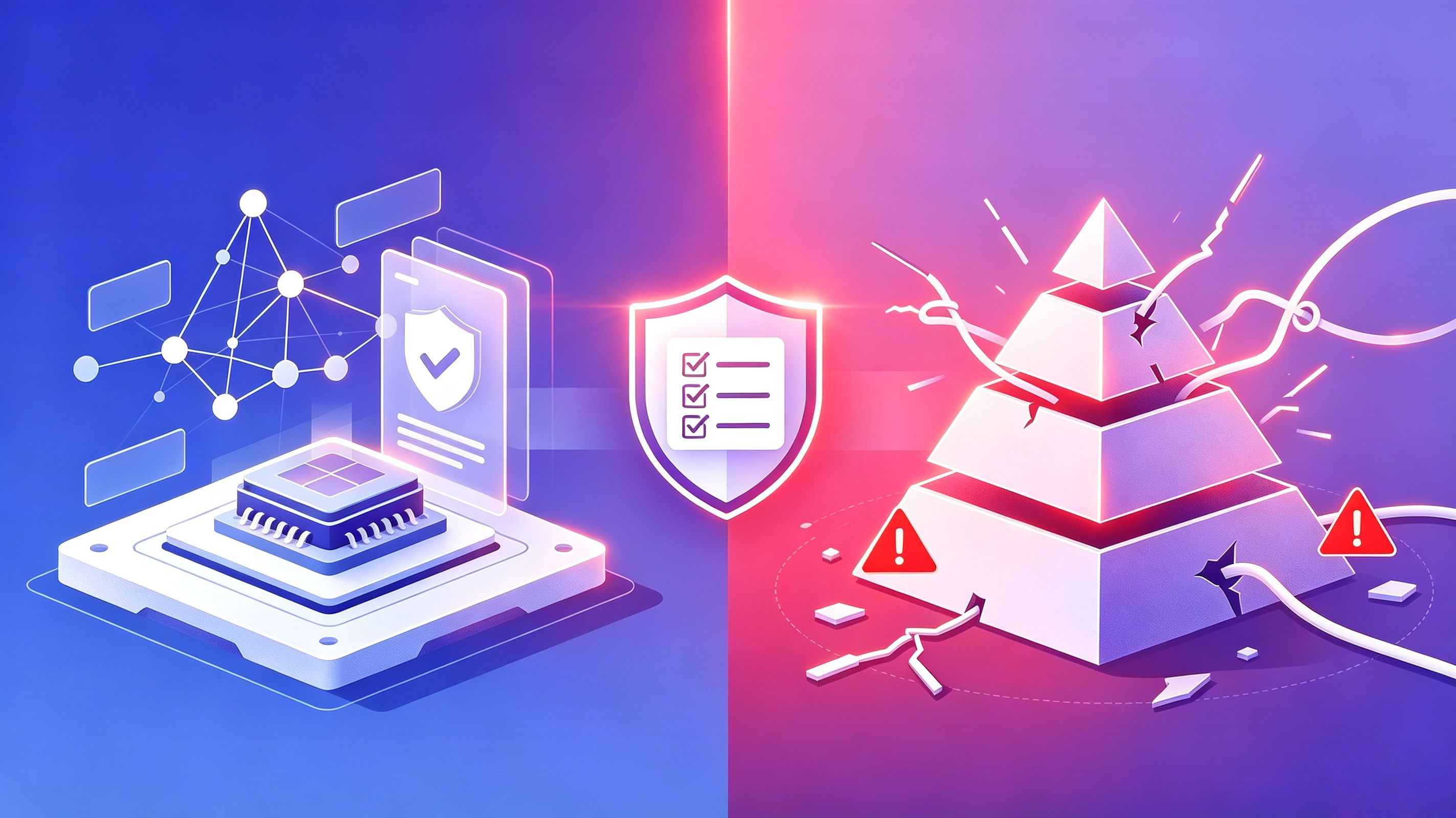
By reviewing all successful node pre-sale cases, three key principles can be extracted that project teams can actually implement. These are also the deciding factors that distinguish quality projects from capital-pool schemes. First, reject models built on heavy re-distribution with light execution. Abandon multi-level “recruit-and-reward” commission mechanisms, eliminate risks of pyramid schemes, and ensure long-term compliant development. Second, the revenue model must be a closed loop: either rely on real hardware services and B2B business cash-flow, or use reasonable ecosystem inflation incentives to regulate—without depending on new users to keep the scheme alive. Third, conduct finely segmented user operations. Use whitelist selection, lock-up/vesting gradient schedules, and differentiated benefit designs to filter for long-term holders, weed out short-term opportunistic retail participants, and stabilize the token price and community consensus.
Looking at many failed node pre-sale projects in the industry, the core issues are always the same: misplacing priorities. They focus on heavy marketing hype and light ecosystem execution; prioritize short-term referral-driven expansion and neglect long-term governance. They attract users with high annualized return buzzwords but lack real business support. Ultimately, when new funding dries up, the scheme collapses.
In summary, the core value of node pre-sales has never been short-term rapid fundraising. Instead, using nodes as the vehicle, it completes the “threefold cold start”: capital raising, community accumulation, and ecosystem foundation-building. For project teams, only by grounding operations in real execution scenarios, building a closed-loop revenue model, running the community with fine-grained precision, and adhering to compliance bottom lines can node pre-sales become a cornerstone for long-term ecosystem growth—rather than a fleeting marketing tool.