$BNB Dusk integrates compliance into the chain foundation, but the engineering debt hasn’t been fully paid off yet.
After running through Dusk’s privacy transfer and staking nodes, I admit this path is obsessive, but it holds up. The $DUSK gas usage in privacy-contract calls fluctuates quite a lot—within the same issuance operation, different blocks can vary by nearly 30%, which isn’t very friendly to automated market making and arbitrage strategies. Dusk builds compliance into consensus and the state layer; it’s not like Secret, which adds privacy at the contract layer. What institutions truly want is the former.
If you compare it alongside Oasis’s Sapphire, Dusk’s visibility controls for security tokens are more granular. The state granularity differs among the issuer, the regulator, and ordinary holders. But the developer experience clearly lags behind. For Rusk’s virtual machine, error messages often require you to go look up on-chain events to guess what happened, and documentation updates are also slow. With its current engineering maturity, Dusk still can’t support the full narrative of that dedicated financial chain.
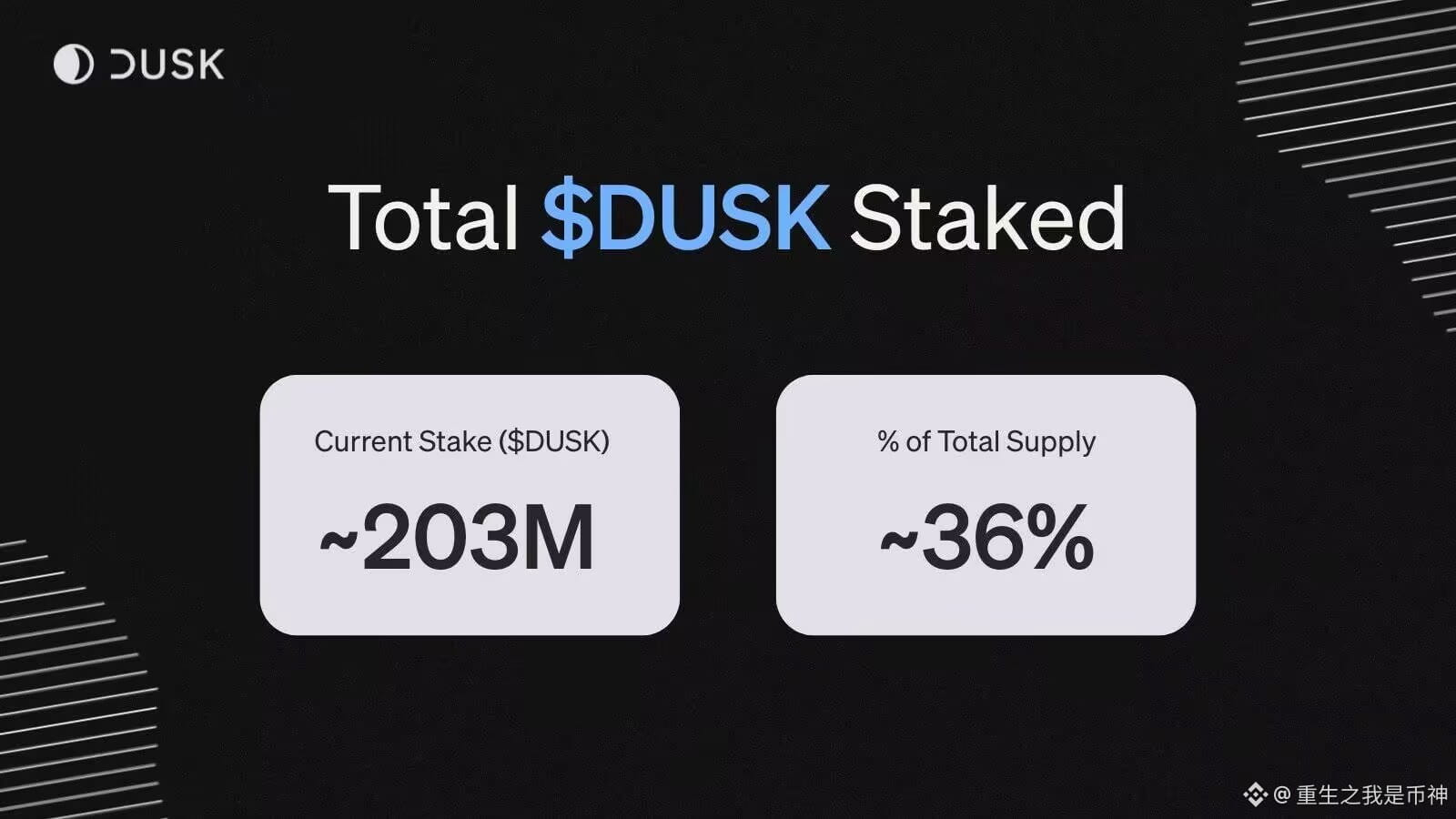
The $DUSK staking returns look decent, but the unlock cycle is on the long side, the penalty for node downtime is fairly strict, and the trial-and-error cost for small capital isn’t low. Dusk doesn’t lack presence in the privacy-compliance track, but if it really wants to bring issuance and trading on-chain, it needs to first fill in the gaps in its toolchain and gas stability. Otherwise, it will keep stuck in that awkward zone where the direction is right, but the experience is rough.@Dusk #dusk $DUSK
After running through Dusk’s privacy transfer and staking nodes, I admit this path is obsessive, but it holds up. The $DUSK gas usage in privacy-contract calls fluctuates quite a lot—within the same issuance operation, different blocks can vary by nearly 30%, which isn’t very friendly to automated market making and arbitrage strategies. Dusk builds compliance into consensus and the state layer; it’s not like Secret, which adds privacy at the contract layer. What institutions truly want is the former.
If you compare it alongside Oasis’s Sapphire, Dusk’s visibility controls for security tokens are more granular. The state granularity differs among the issuer, the regulator, and ordinary holders. But the developer experience clearly lags behind. For Rusk’s virtual machine, error messages often require you to go look up on-chain events to guess what happened, and documentation updates are also slow. With its current engineering maturity, Dusk still can’t support the full narrative of that dedicated financial chain.
The $DUSK staking returns look decent, but the unlock cycle is on the long side, the penalty for node downtime is fairly strict, and the trial-and-error cost for small capital isn’t low. Dusk doesn’t lack presence in the privacy-compliance track, but if it really wants to bring issuance and trading on-chain, it needs to first fill in the gaps in its toolchain and gas stability. Otherwise, it will keep stuck in that awkward zone where the direction is right, but the experience is rough.@Dusk #dusk $DUSK