The U.S., Italy, and Russia have been taking frequent action, actively pushing the situation in a favorable direction!
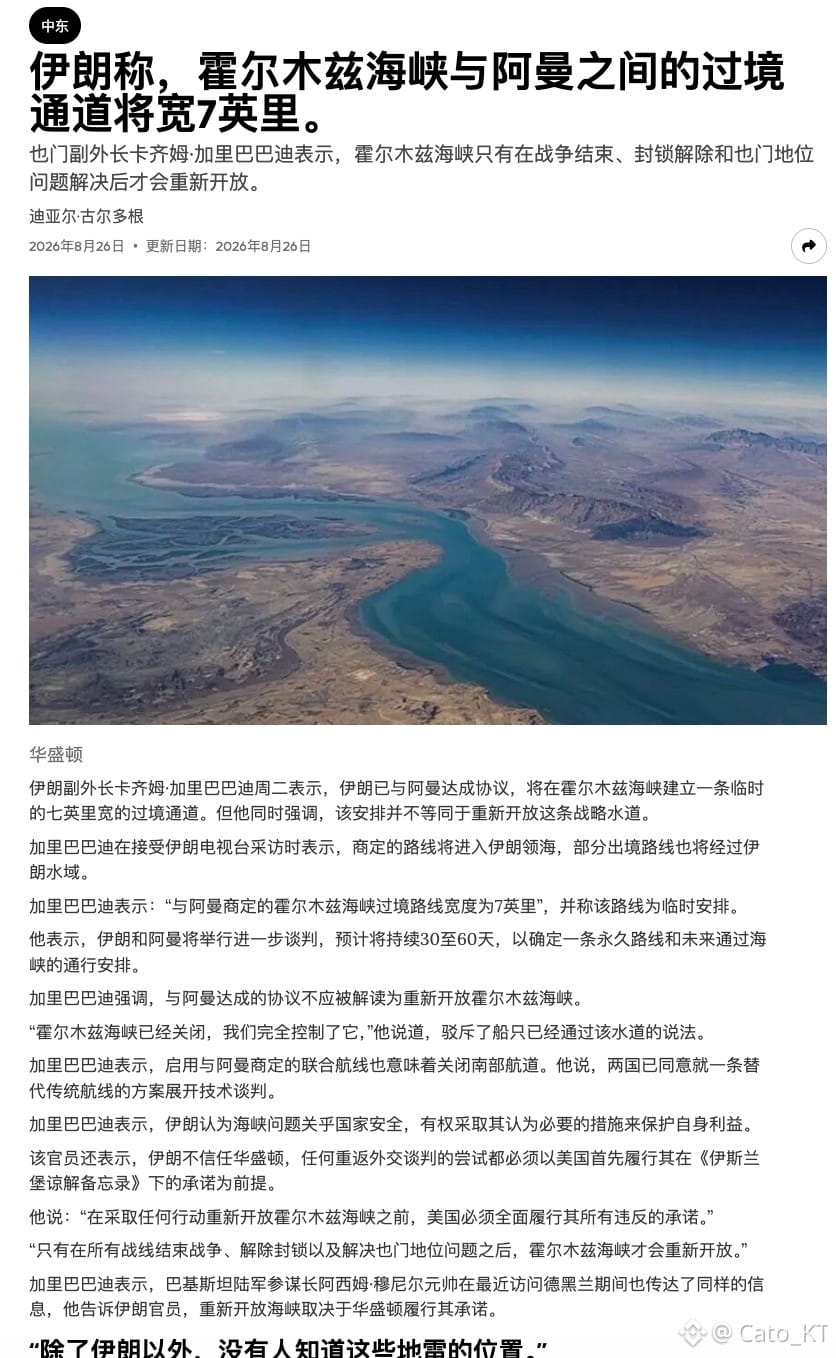
1. Iran has for the first time disclosed the specific structure of its temporary route. The new temporary channel is 7 miles wide. Entering the direction of the Persian Gulf passes through Iranian waters, and the departing portion of the route also passes through Iranian waters. In general, the new route is basically dominated by Iran, which holds the primary control.
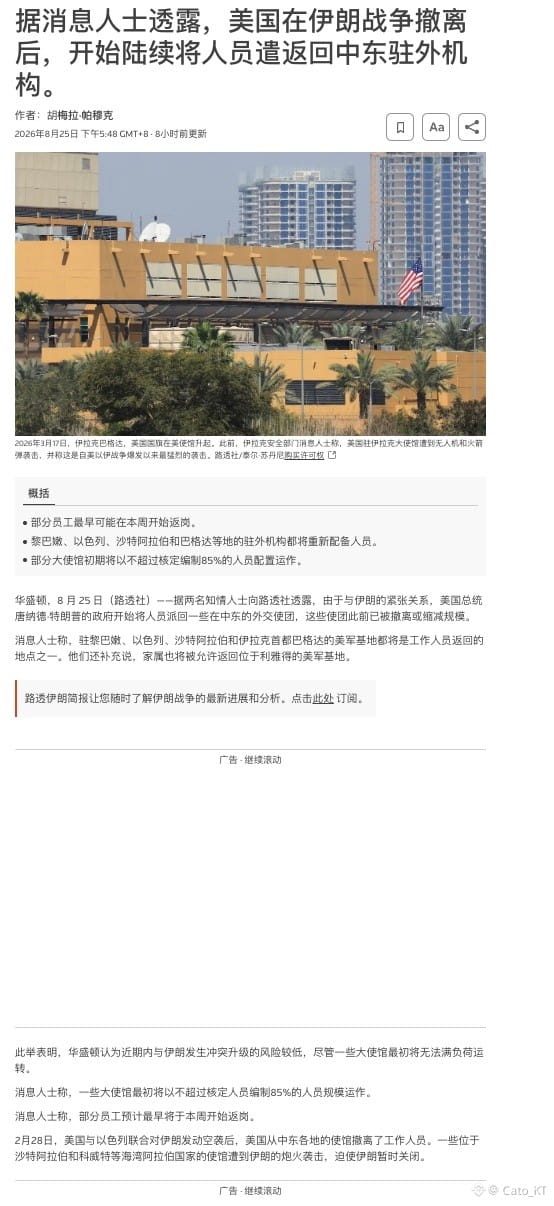
2. The United States has begun restoring the dispatch of diplomatic personnel to the Middle East. Diplomats from various Middle Eastern countries, along with their families, can return to the Middle East—so it can be considered a military downgrade.
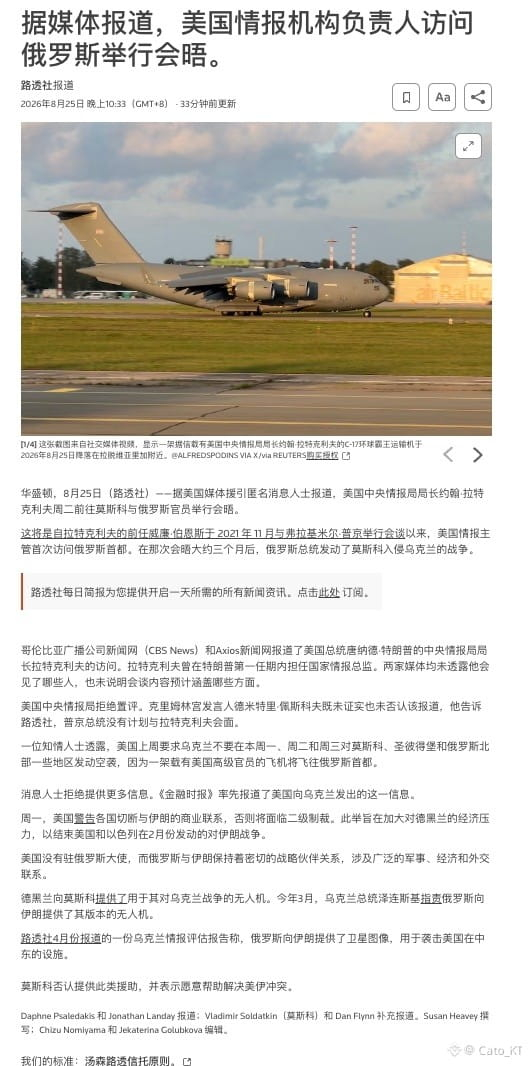
3. Russian sources claim that the U.S. and Iran have reached consensus on a ceasefire agreement. On its own, the credibility of this report is not high, but combined with another report: according to media reports, the head of the U.S. CIA visited Russia secretly yesterday, during which Ukraine temporarily stopped attacks on Russia.
Taken together, these two reports greatly increase the credibility of the Russian side’s statements. Next, we will need to see what the specific developments are between the U.S. and Iran.
Stage summary:
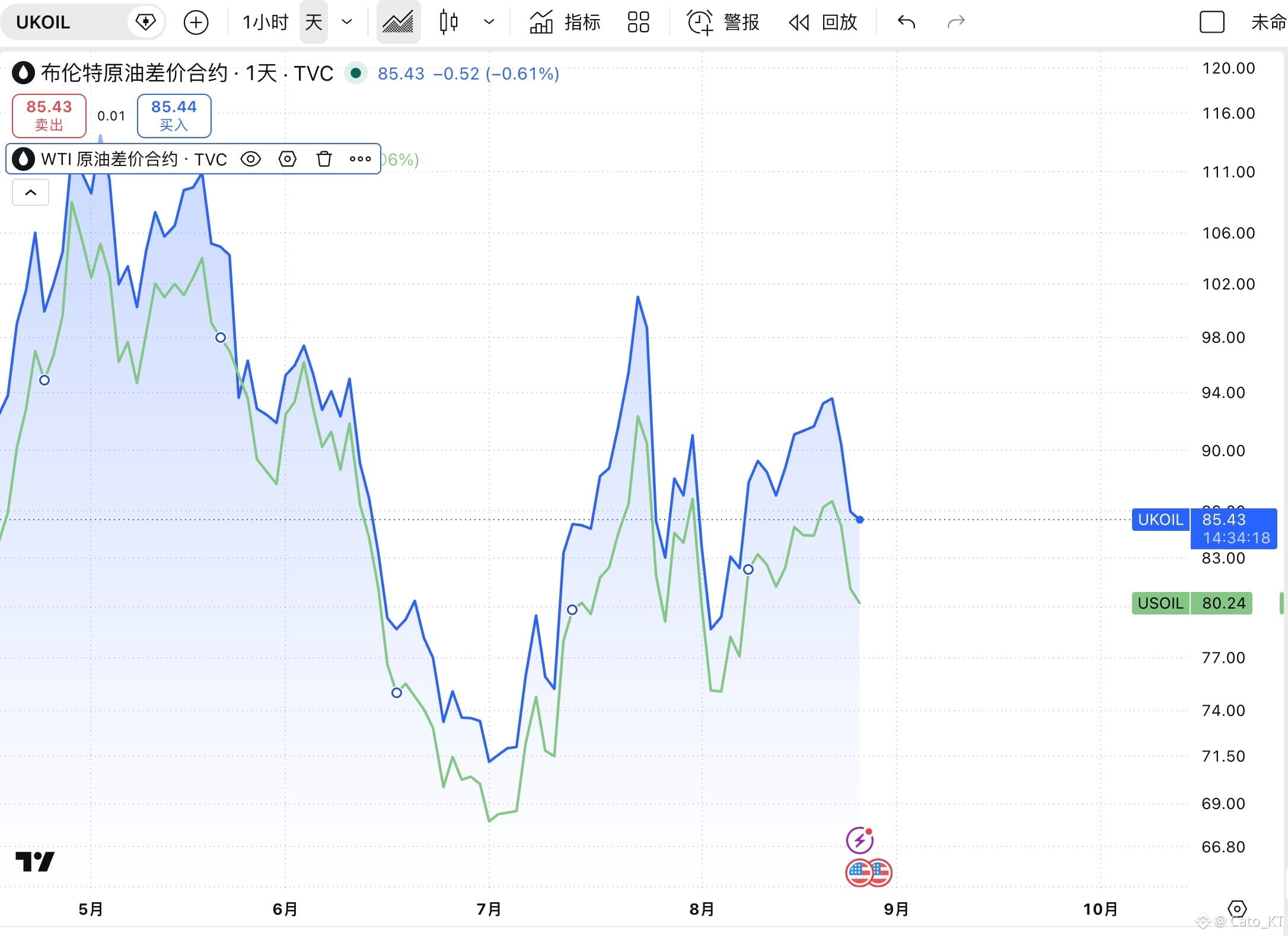
The energy market has already accelerated pricing for the current positive developments. International crude oil and U.S. oil have further fallen to key levels. Next, we will watch whether the U.S. and Iran release official announcements to confirm the remarks attributed to Russia.
It’s worth mentioning that, according to data from a website, although the situation has improved, the yesterday’s navigation data for the Strait of Hormuz was still not satisfactory. As for the temporary strait between Iran and Oman, it also basically falls under Iran’s primary control. This could increase the difficulty for the U.S. to accept it, and it may also cause further disputes between both sides over the continued existence of the straits.#美伊据报达成停火共识
1. Iran has for the first time disclosed the specific structure of its temporary route. The new temporary channel is 7 miles wide. Entering the direction of the Persian Gulf passes through Iranian waters, and the departing portion of the route also passes through Iranian waters. In general, the new route is basically dominated by Iran, which holds the primary control.
2. The United States has begun restoring the dispatch of diplomatic personnel to the Middle East. Diplomats from various Middle Eastern countries, along with their families, can return to the Middle East—so it can be considered a military downgrade.
3. Russian sources claim that the U.S. and Iran have reached consensus on a ceasefire agreement. On its own, the credibility of this report is not high, but combined with another report: according to media reports, the head of the U.S. CIA visited Russia secretly yesterday, during which Ukraine temporarily stopped attacks on Russia.
Taken together, these two reports greatly increase the credibility of the Russian side’s statements. Next, we will need to see what the specific developments are between the U.S. and Iran.
Stage summary:
The energy market has already accelerated pricing for the current positive developments. International crude oil and U.S. oil have further fallen to key levels. Next, we will watch whether the U.S. and Iran release official announcements to confirm the remarks attributed to Russia.
It’s worth mentioning that, according to data from a website, although the situation has improved, the yesterday’s navigation data for the Strait of Hormuz was still not satisfactory. As for the temporary strait between Iran and Oman, it also basically falls under Iran’s primary control. This could increase the difficulty for the U.S. to accept it, and it may also cause further disputes between both sides over the continued existence of the straits.#美伊据报达成停火共识