
路人1688-luren
849 Posts

路人1688-luren
Open Trade

BNB Holder
High-Frequency Trader
5.6 Months
641 Following
25.9K+ Followers
11.5K+ Liked
Posts
Portfolio
All
Quotes
Live
PINNED
Many people take treating others with harmony as the highest principle and regard making concessions and seeking peace as magnanimity. So when they are offended, they smile and say it’s okay; when someone oversteps, they tell themselves not to mind. Even though, deep down, they are already furious, they still force themselves to swallow it and not react—thinking this is genuine magnanimity and open-mindedness. But you should know: every time you overstep boundaries and concede without principles, you are inflicting wounds on your own mind and body. Don’t assume that if you just endure for a moment, things will become calm and peaceful; don’t believe that taking a step back will make the world feel as vast as the open sky. There are some people in this world who won’t rein in their behavior because of your tolerance. The more you keep compromising and enduring, the more they will grow bolder and act with greater recklessness. The more you keep giving in, the more others will see you as a soft target—and the more they will push further. Don’t mistake suppressing your anger for inner strength, and don’t confuse endless, boundary-less retreat with caring about the whole world. As the book 《“忍”的思考》 puts it: when it is time to endure, you should endure—endurance is beneficial; when it is not time to endure, not enduring is right—endurance then becomes harmful. One overstep deserves a kind reminder; a second offense may be forgiven; but after a third time of trampling, there’s no need to keep up appearances. Once the opportunity has been given, there’s no need to give it again; once your tolerance has been enough, you no longer need to endure.



PINNED
A leader who could clearly make a living on looks, but instead relies on skill—and works so hard. Really, the more outstanding the person, the more they work... $NVDA.US




NVDAUS+3.80%
Hello everyone


路飞社区糖宝Luffy
·
--
Every day, stay up late to make time to breathe in some fresh air—it's great $SOL

Hello everyone
Bilverse
·
--
🔥🧧 ETH FOR EVERYONE. GIVEAWAY IS LIVE 🧧🔥
One community. One mission. One chance to be part of the ETH giveaway. 💎🚀
#Bilverse is making noise — and your ETH reward could be waiting. 👀
👇 Want to claim a portion of ETH?
💬 Comment “ETH” below to claim your reward! 🎁
The Bilverse Army is growing. 🟡
Click here to DOUBLE your Rewards! 🧧🚀
Are you in?
#Binance #RedPacketMission #CryptoCommunity
One community. One mission. One chance to be part of the ETH giveaway. 💎🚀
#Bilverse is making noise — and your ETH reward could be waiting. 👀
👇 Want to claim a portion of ETH?
💬 Comment “ETH” below to claim your reward! 🎁
The Bilverse Army is growing. 🟡
Click here to DOUBLE your Rewards! 🧧🚀
Are you in?
#Binance #RedPacketMission #CryptoCommunity

Hello everyone

帝王168
·
--
Allow me this one foolish hope.
If I should spend a lifetime loving you,
I hope I never become accustomed to it.
I hope your name continues to surprise my heart the way that the first snowfall surprises the earth.
I hope there never comes a morning when I look at youwithout quietly thanking the Almightythat of all the souls He ever fashioned,
it somehow led me to yours.
And if loving you so completely should prove to be the greatest foolishness of my life,
then I pray I am never blessed with wisdom.
$BTC
If I should spend a lifetime loving you,
I hope I never become accustomed to it.
I hope your name continues to surprise my heart the way that the first snowfall surprises the earth.
I hope there never comes a morning when I look at youwithout quietly thanking the Almightythat of all the souls He ever fashioned,
it somehow led me to yours.
And if loving you so completely should prove to be the greatest foolishness of my life,
then I pray I am never blessed with wisdom.
$BTC

Hello everyone

Seven七七
·
--
🐝 Little Honeybee — Meme Fair Launch
Most people play Meme—what’s there to be afraid of?
Afraid the house controls the supply? Afraid of a dump? Afraid of being the last one holding the bag?
The Honeybee solution: lock 80% of the tokens, and let everyone buy them out from the liquidity pool.
You can’t get the presale—I can’t get it either.
Fairness, that’s all there is to it.
📌 Three foundational logics
① Third-party launcher fires
The liquidity pool is secure; the project team can’t touch it—no one can tamper with it
② 300+ community members jointly initiate, with 80% locked
All community participation buys fairly from the liquidity pool
No reserved allocation, no backroom dealing, no "team allocation"
③ Community model obtains 80% of the tokens
Fair, transparent, earned through participation—not connections
💰 Community model: don’t fear the dip—earn more when it rises
▸ Entry: $100 minimum
▸ Release: 3% per day, 60 days to fully receive 1.8x computing power
▸ Core: gold standard—no mood swings based on the coin price
If it drops? Keep releasing anyway—hold with peace of mind
If it rises? Computing power rewards fly along
Either way, there’s a path—this is the model people can actually stick with
⚡ Genesis Node · Limited to 1000 seats
Price: $300 per share
Allocation: 1000 seats—first come, first served
Core advantage: buy early, get more coins
Node benefits:
1. Node computing power is 3x (1.2x more than the launch tier)
2. Transaction slippage of 2% permanently rebated
3. Share 20 nodes → advance to the large community (up to 50 seats, enjoy 2% slippage rebate)
🔄 Deflationary engine: the more you trade, the fewer coins
Transaction slippage: 3% buy + 3% sell = total 6%
→ 4% distributed to nodes and the community
→ 2% endless token burn
Every trade reduces circulating supply.
Judge for yourself.
While others are still selling dreams, the Honeybee locks the “pie” down directly.
🐝 Genesis node countdown—DM me to get on board: @小蜜蜂官方 @Seven七七 #bnb #meme板块关注热点
Most people play Meme—what’s there to be afraid of?
Afraid the house controls the supply? Afraid of a dump? Afraid of being the last one holding the bag?
The Honeybee solution: lock 80% of the tokens, and let everyone buy them out from the liquidity pool.
You can’t get the presale—I can’t get it either.
Fairness, that’s all there is to it.
📌 Three foundational logics
① Third-party launcher fires
The liquidity pool is secure; the project team can’t touch it—no one can tamper with it
② 300+ community members jointly initiate, with 80% locked
All community participation buys fairly from the liquidity pool
No reserved allocation, no backroom dealing, no "team allocation"
③ Community model obtains 80% of the tokens
Fair, transparent, earned through participation—not connections
💰 Community model: don’t fear the dip—earn more when it rises
▸ Entry: $100 minimum
▸ Release: 3% per day, 60 days to fully receive 1.8x computing power
▸ Core: gold standard—no mood swings based on the coin price
If it drops? Keep releasing anyway—hold with peace of mind
If it rises? Computing power rewards fly along
Either way, there’s a path—this is the model people can actually stick with
⚡ Genesis Node · Limited to 1000 seats
Price: $300 per share
Allocation: 1000 seats—first come, first served
Core advantage: buy early, get more coins
Node benefits:
1. Node computing power is 3x (1.2x more than the launch tier)
2. Transaction slippage of 2% permanently rebated
3. Share 20 nodes → advance to the large community (up to 50 seats, enjoy 2% slippage rebate)
🔄 Deflationary engine: the more you trade, the fewer coins
Transaction slippage: 3% buy + 3% sell = total 6%
→ 4% distributed to nodes and the community
→ 2% endless token burn
Every trade reduces circulating supply.
Judge for yourself.
While others are still selling dreams, the Honeybee locks the “pie” down directly.
🐝 Genesis node countdown—DM me to get on board: @小蜜蜂官方 @Seven七七 #bnb #meme板块关注热点

Hello everyone

Noor221
·
--
$BTR
just ripped +336% today. 🚀
While most of the market is flat, BTR isn't waiting around. Strong volume, clear momentum, and a massive break past resistance.
This is a proper rally. 💸📈
#BTR #Bitrue #Crypto #CryptocurrencyWealth
Do you guys Trade $BTR ????
just ripped +336% today. 🚀
While most of the market is flat, BTR isn't waiting around. Strong volume, clear momentum, and a massive break past resistance.
This is a proper rally. 💸📈
#BTR #Bitrue #Crypto #CryptocurrencyWealth
Do you guys Trade $BTR ????
Hello everyone

凯哥的进击
·
--
Bearish🎁🎁Follow me and reply to claim the red envelope🎁🎁$SOL
🌹Share and repost to get rich big time🌹
🌹Share and repost to get rich big time🌹

Hello everyone
AI小龍虾
·
--
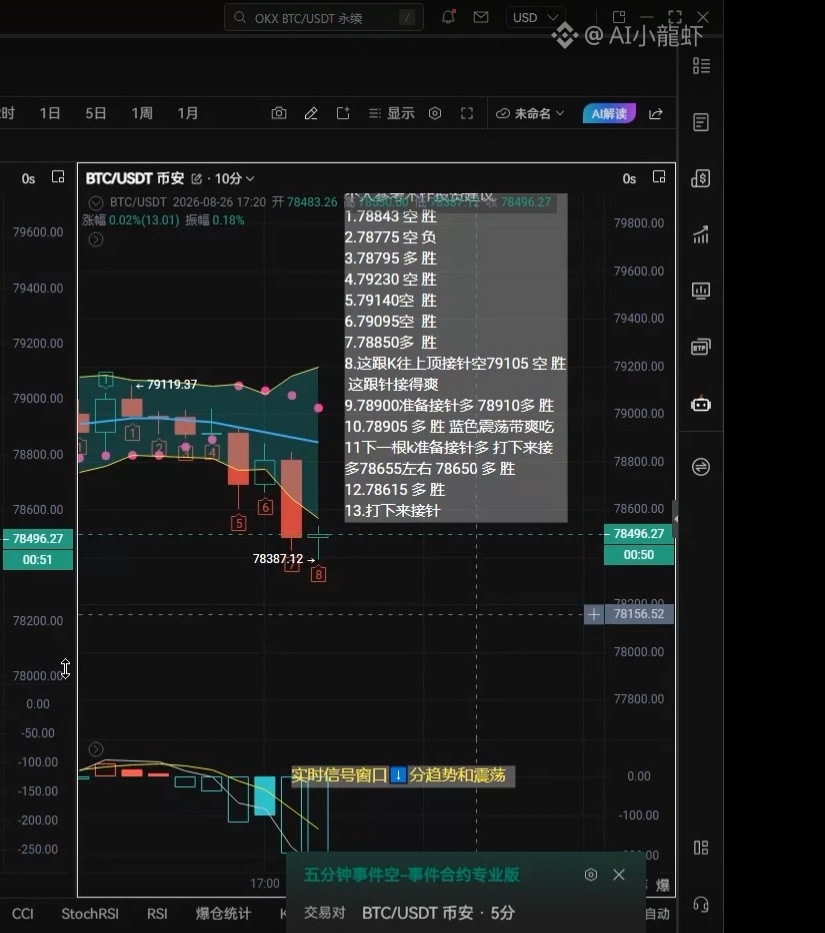
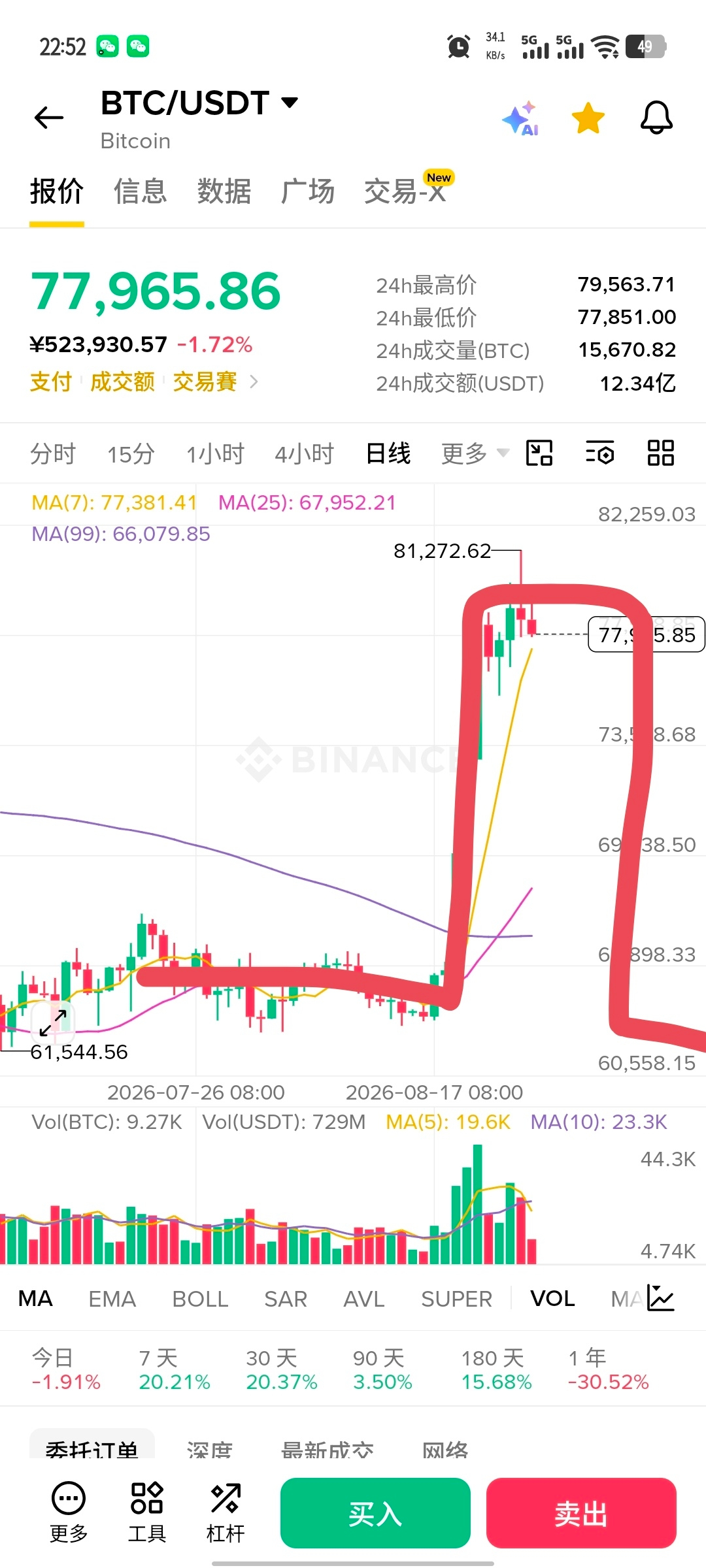
Bullish#美比特币ETF连续六日净流入 Today’s event contract win rate is also pretty good. We opened 12 positions and won 11. Although it can’t match the 21 straight wins from the day before, the win rate is still above 90%. The only thing is that the AI hasn’t been tuned properly yet—it keeps not sharing my indicator screen. It uses voice signals through the mic, but I’m worried about delay and slippage. I’ll keep fixing it—new computer, update the system. Stay tuned! $BTC

橙子Joyce
·
--
BullishIt is expected that by 2029, the price of BTC will reach $300,000, making it the main beneficiary of “currency devaluation trades.” The core logic behind this prediction is that the era of falling interest rates over the past 40 years has ended. Governments around the world are now facing increasingly heavy debt-interest burdens amid unprecedented sovereign-debt levels. Rising yields will create a self-reinforcing vicious cycle—higher interest payments, widening fiscal deficits, and a continued surge in borrowing demand.
Investors who hold scarce assets that cannot be easily diluted will benefit from this. BTC’s unique holding structure—about 60% of BTC is held by long-term holders who are insensitive to price movements (even if the price drops by more than 50%, they will continue to hold)—combined with the ongoing expansion of institutional and retail investment channels, further strengthens BTC’s position. I am very optimistic about BTC’s scarcity, and continuing to invest in BTC is the best choice.
$BTC
$BNB
Investors who hold scarce assets that cannot be easily diluted will benefit from this. BTC’s unique holding structure—about 60% of BTC is held by long-term holders who are insensitive to price movements (even if the price drops by more than 50%, they will continue to hold)—combined with the ongoing expansion of institutional and retail investment channels, further strengthens BTC’s position. I am very optimistic about BTC’s scarcity, and continuing to invest in BTC is the best choice.
$BTC
$BNB
Hello everyone

奋斗1688BNB
·
--
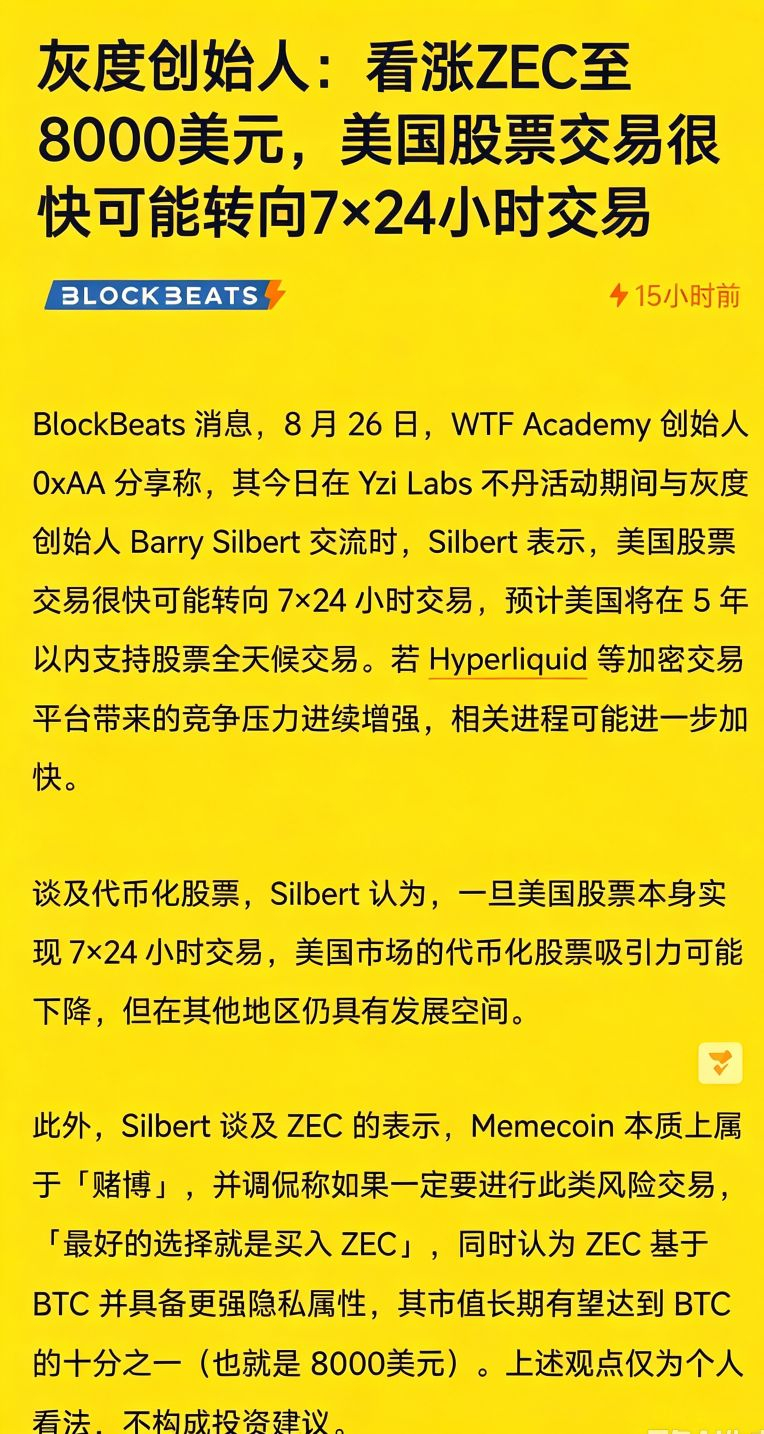
$ZEC When the grayscale opens its mouth, it basically means something bad is about to happen. Every time they talk about the privacy milk track, there’s a high chance we’re about to see a wave of a major plunge. This time they directly called it down to 8000—and I’m actually more panicked.

Crypto狼少
·
--
$BTC $ETH $BNB
Good morning 🌞
Cash red packets dropping 🧧🧧🧧
✅ Follow
❤️ Like
🔄 Share
💬 Comment
🎁 Free crypto rewards are now available 🎁🎁🎁
Good morning 🌞
Cash red packets dropping 🧧🧧🧧
✅ Follow
❤️ Like
🔄 Share
💬 Comment
🎁 Free crypto rewards are now available 🎁🎁🎁


兰精灵
·
--
This is how the ride-hailing app is often like: they give you an estimated price to mentally prepare you, and then the final bill is calculated by the actual mileage. The same goes for the Gas fee of @Dusk — the cost is simply `gas_used × gas_price`. Gas price is denominated in LUX, and 1 DUSK equals 1 billion LUX. Unused gas doesn’t get charged, but if Gas runs out mid-transaction, the entire operation gets rolled back, and you’re still billed for the calculations that ran earlier. At first, I also thought this setup was a trap. Later I figured it out: if a failure were completely free, hackers could endlessly trigger complex error calls to make nodes waste work—now *that* would be the real trap.
So every time I confirm a transaction, I check three things separately: whether the Gas limit is enough to run the entire process, whether the Gas price is reasonable, and whether the call target and parameters were filled in correctly. If it fails, don’t rush to resubmit—first use the official browser to verify the type, the fee, the amount used, and the location of the error. Naively doubling the limit just feeds more fuel to the wrong contract; it doesn’t really solve the problem.
The flow of fees is also pretty interesting. Each block’s reward consists of a newly issued $DUSK plus transaction fees, which are distributed to the block producer, the development fund, and the council; the portion that isn’t allocated may be burned. When the network is busy, the fee goes into validator incentives—but that doesn’t mean you can just hold coins and earn passive dividends.
What really made me stop and look closely is privacy. Dusk doesn’t hide *all* transactions; instead, it does selective disclosure. When compliant, it can prove that the necessary information is provided, without putting every detail out on the public chain. XSC, DuskEVM, and Citadel’s identity framework together feel more grounded in real financial scenarios than just loudly calling it a privacy chain.
The Citadel 2 process has four steps: the License Provider performs an offline review and issues encrypted credentials; the user generates a zero-knowledge proof, revealing only that they hold valid credentials; after the contract verifies it, a public session is left behind; then the service decides whether to grant access. On-chain, it only proves that the session is valid—regardless of which organization trusts whom, what attributes are needed, or whether the credential has expired. The same identity material doesn’t have to be stored repeatedly across every platform; the risk shifts from data duplication to the issuer’s governance and revocation synchronization.
Before using Dusk, figure out the Gas first—you can save yourself from a few rounds of paying “error tuition.” Whether it works still depends on the transaction result, and whether value can continuously flow into DUSK requires further observation of the network’s real usage and supply rhythm. #dusk $DUSK
So every time I confirm a transaction, I check three things separately: whether the Gas limit is enough to run the entire process, whether the Gas price is reasonable, and whether the call target and parameters were filled in correctly. If it fails, don’t rush to resubmit—first use the official browser to verify the type, the fee, the amount used, and the location of the error. Naively doubling the limit just feeds more fuel to the wrong contract; it doesn’t really solve the problem.
The flow of fees is also pretty interesting. Each block’s reward consists of a newly issued $DUSK plus transaction fees, which are distributed to the block producer, the development fund, and the council; the portion that isn’t allocated may be burned. When the network is busy, the fee goes into validator incentives—but that doesn’t mean you can just hold coins and earn passive dividends.
What really made me stop and look closely is privacy. Dusk doesn’t hide *all* transactions; instead, it does selective disclosure. When compliant, it can prove that the necessary information is provided, without putting every detail out on the public chain. XSC, DuskEVM, and Citadel’s identity framework together feel more grounded in real financial scenarios than just loudly calling it a privacy chain.
The Citadel 2 process has four steps: the License Provider performs an offline review and issues encrypted credentials; the user generates a zero-knowledge proof, revealing only that they hold valid credentials; after the contract verifies it, a public session is left behind; then the service decides whether to grant access. On-chain, it only proves that the session is valid—regardless of which organization trusts whom, what attributes are needed, or whether the credential has expired. The same identity material doesn’t have to be stored repeatedly across every platform; the risk shifts from data duplication to the issuer’s governance and revocation synchronization.
Before using Dusk, figure out the Gas first—you can save yourself from a few rounds of paying “error tuition.” Whether it works still depends on the transaction result, and whether value can continuously flow into DUSK requires further observation of the network’s real usage and supply rhythm. #dusk $DUSK

静心1688
·
--
💥 Misfortune leans on blessing, and blessing hides misfortune.
💥 Misfortune and fortune depend on each other and can be transformed; when you’re in a low point, there’s no need to despair, and when you’re in good times, you must not be arrogant.
#美比特币ETF连续六日净流入 #加密恐惧贪婪指数升至74
💥 Misfortune and fortune depend on each other and can be transformed; when you’re in a low point, there’s no need to despair, and when you’re in good times, you must not be arrogant.
#美比特币ETF连续六日净流入 #加密恐惧贪婪指数升至74


Aria Bloom 阿莉娅
·
--
BullishThe journey isn’t always about numbers, markets, and targets. Sometimes, it’s about stepping away for a moment, enjoying the beauty of nature, and appreciating the peaceful moments that make life meaningful. ✨
A beautiful view, calm waters, and my little companion by my side. 🐱🤍
Simple moments, unforgettable memories.
Keep moving forward, stay positive, and enjoy every part of the journey. 🚀✨
$BTR $GIGGLE $SOL
A beautiful view, calm waters, and my little companion by my side. 🐱🤍
Simple moments, unforgettable memories.
Keep moving forward, stay positive, and enjoy every part of the journey. 🚀✨
$BTR $GIGGLE $SOL

Hello everyone
大东哥势不可挡
·
--
When exactly is this door going to be painted? #PredictFun predicts it?
$ONG
$ONG

Hello everyone
大海撸毛
·
--
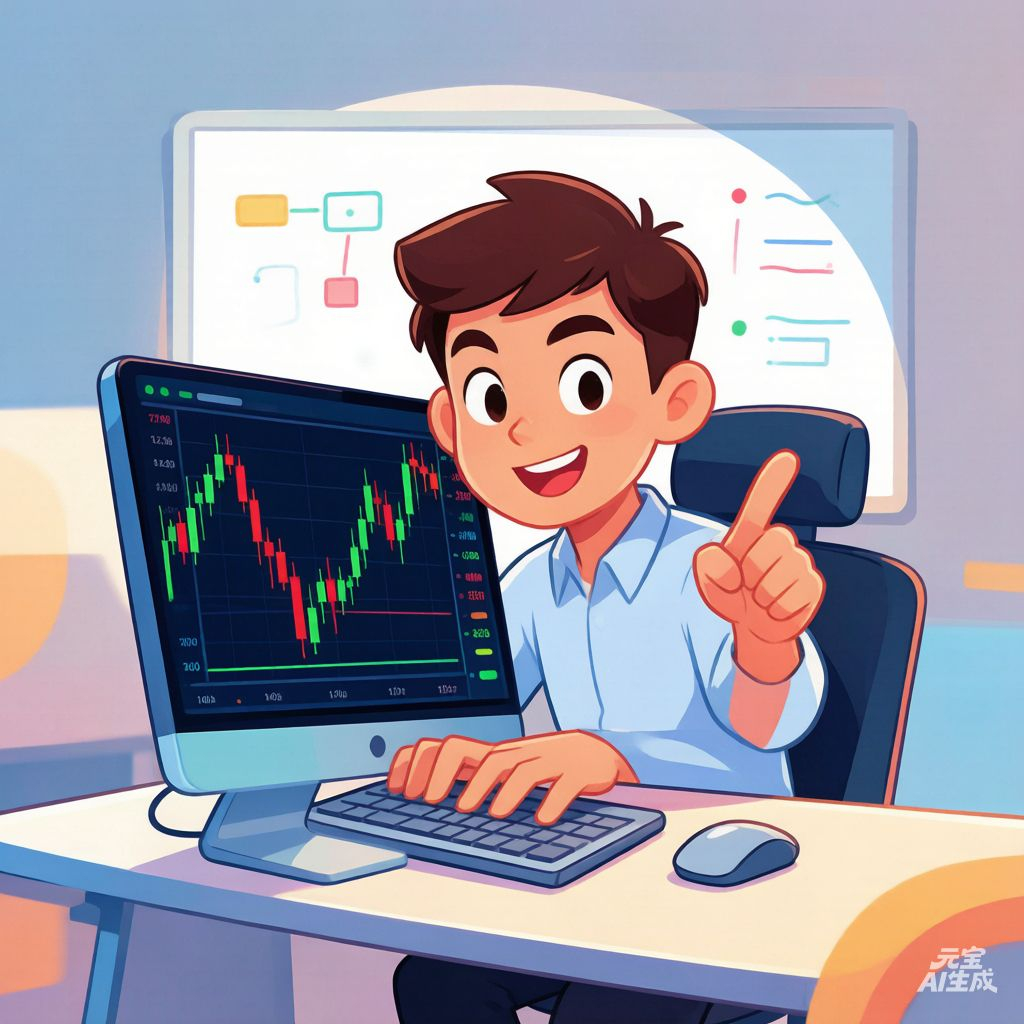
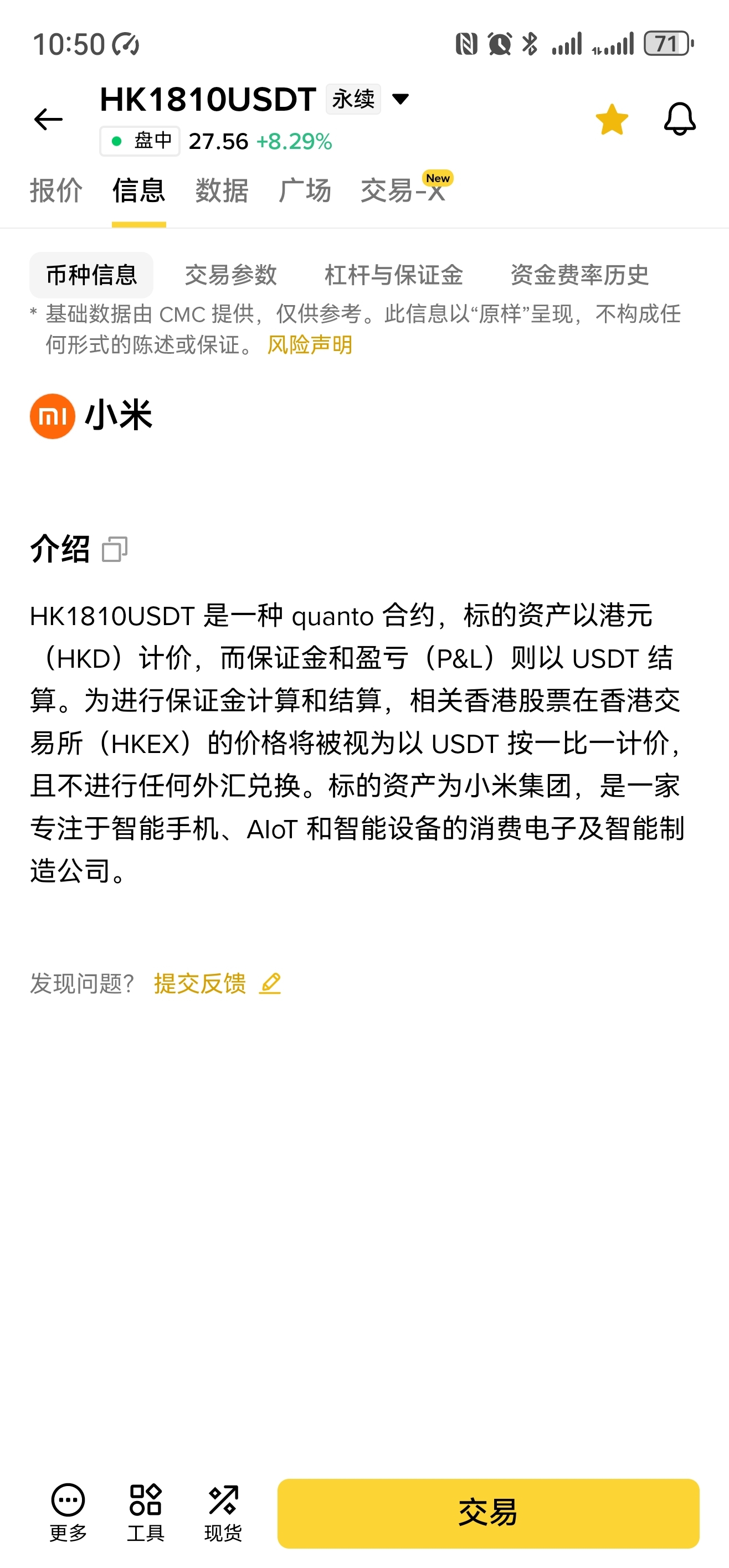
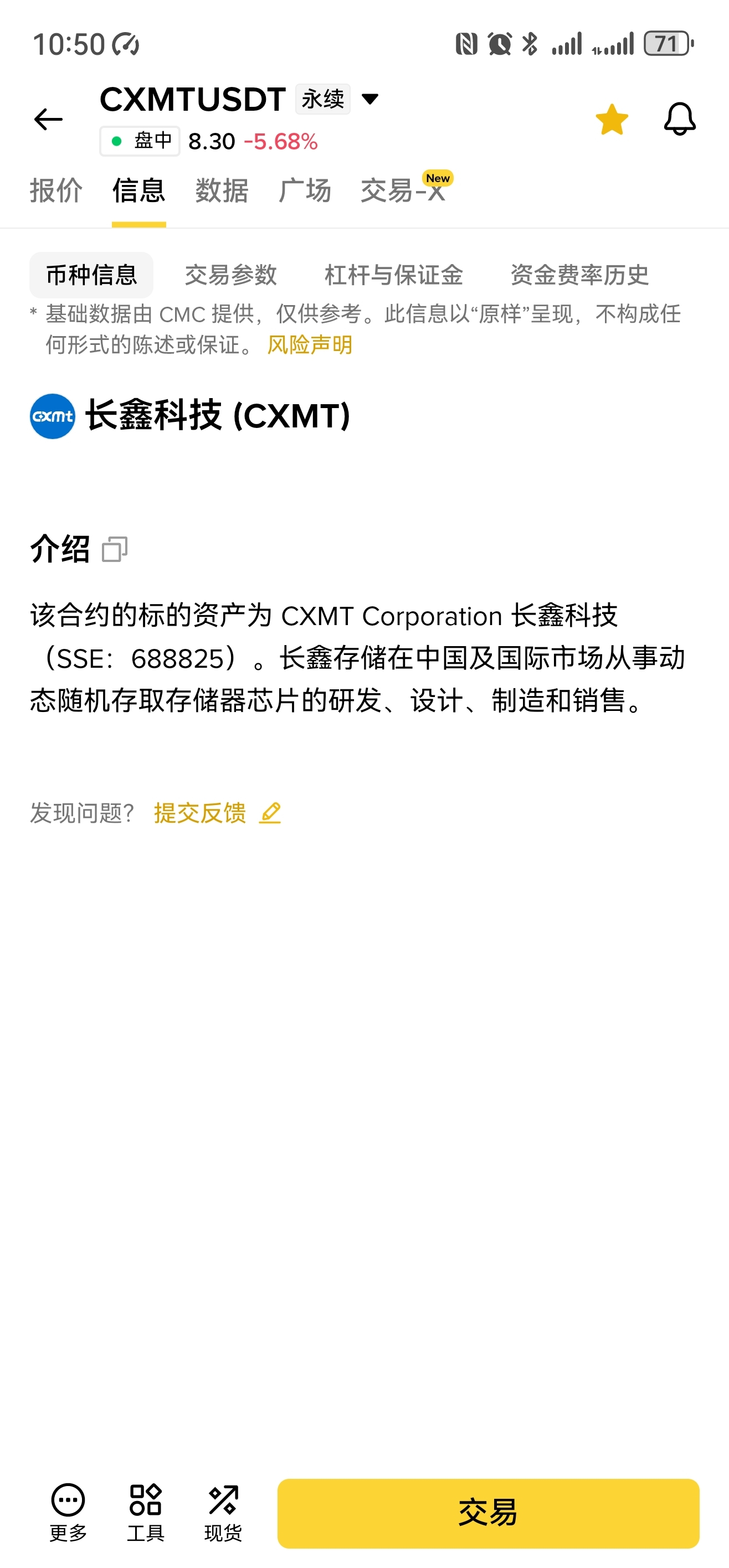
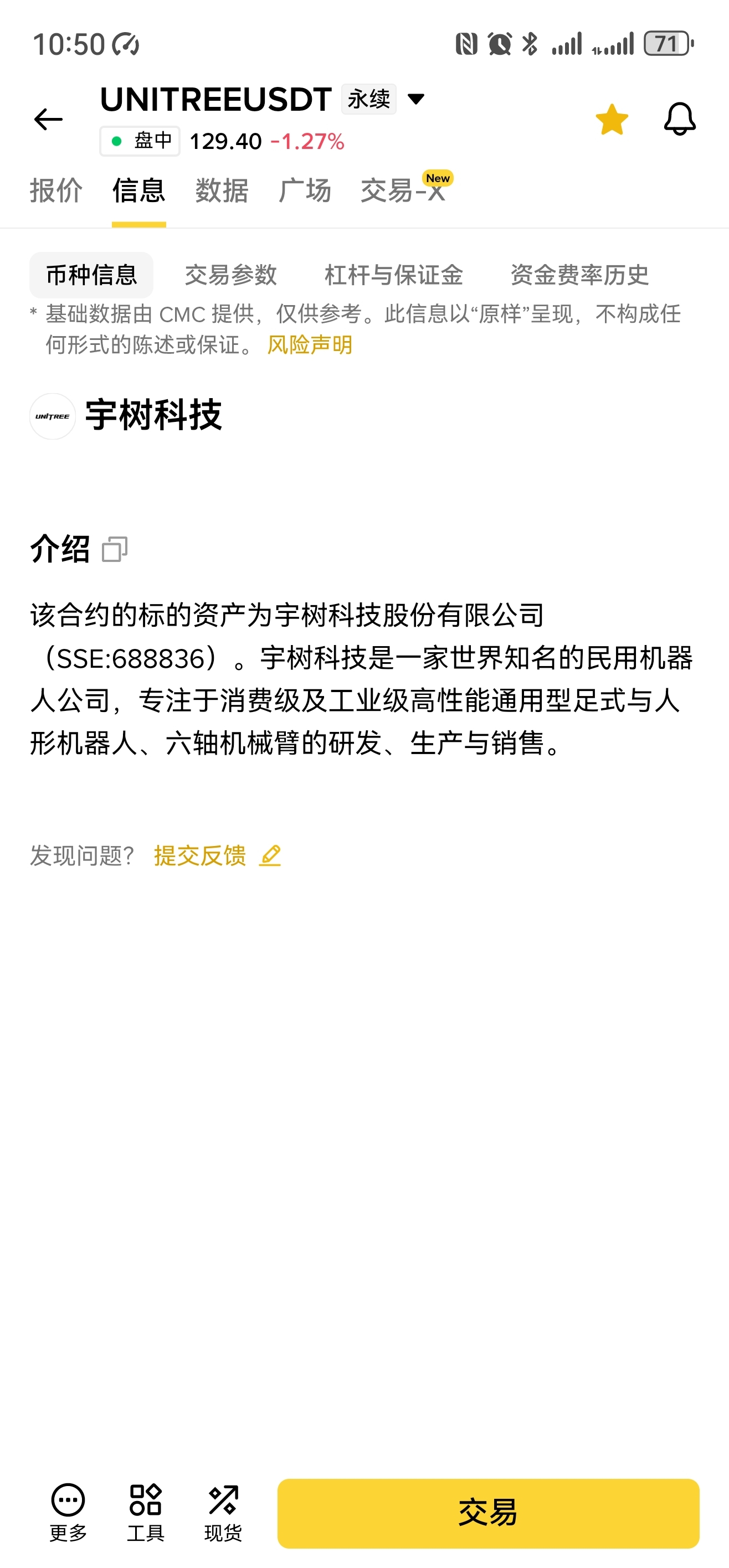
Binance is getting even more fun—global’s best stocks are all on there, whether it’s US stocks, Hong Kong stocks, A-shares, or Korean stocks. Isn’t it fun enough yet?



圣克斯Lucky1688
·
--
🧧🧧🧧🌹🧧🧧🧧U.S. Securities and Exchange Commission submitted a new proposal to the White House Office of Management and Budget on August 25 for review. The proposal covers investment advisers and investment companies that hold digital assets on behalf of clients.
The federal regulatory agenda shows that the proposal is intended to “clarify the framework for crypto asset custody,” with the focus on explaining how institutions can hold digital assets for clients without violating Securities and Exchange Commission (SEC) regulations. The SEC said the proposal would also remove certain custody requirements that have become outdated due to market developments and changes in how assets are traded and held. Pay attention to me—reply with answer 1 and take away the $SOL red envelope! 🧧🧧🧧🌹🧧🧧🧧
The federal regulatory agenda shows that the proposal is intended to “clarify the framework for crypto asset custody,” with the focus on explaining how institutions can hold digital assets for clients without violating Securities and Exchange Commission (SEC) regulations. The SEC said the proposal would also remove certain custody requirements that have become outdated due to market developments and changes in how assets are traded and held. Pay attention to me—reply with answer 1 and take away the $SOL red envelope! 🧧🧧🧧🌹🧧🧧🧧



露露rosy
·
--
🧧🧧💓💓
Fitness has never been about rushing for quick results. Progress comes through gradual effort and consistent persistence—only then will you see real change. Investing is the same: you don’t need to chase short-term fluctuations. Calm down, find your rhythm, stay rational and patient, and keep to your own pace. Only in the long run can you move steadily and go far.
Fitness has never been about rushing for quick results. Progress comes through gradual effort and consistent persistence—only then will you see real change. Investing is the same: you don’t need to chase short-term fluctuations. Calm down, find your rhythm, stay rational and patient, and keep to your own pace. Only in the long run can you move steadily and go far.


Log in to explore more content