Treating a successful contract deployment as “development is complete” is easy to misjudge on Dusk. Following the DuskVM documentation for @Dusk , I stop at the Forge step: it generates the ABI, schema, and data driver from the annotated Rust code. The latter two are not just included files; they are the entry points the application uses to read on-chain state. This detail makes me reassess the development progress: the fact that WASM can execute only means the rules have been written in; if the interface description and the reading driver are not delivered in the same version, the frontend, scripts, and indexers can only “guess” what the state looks like.
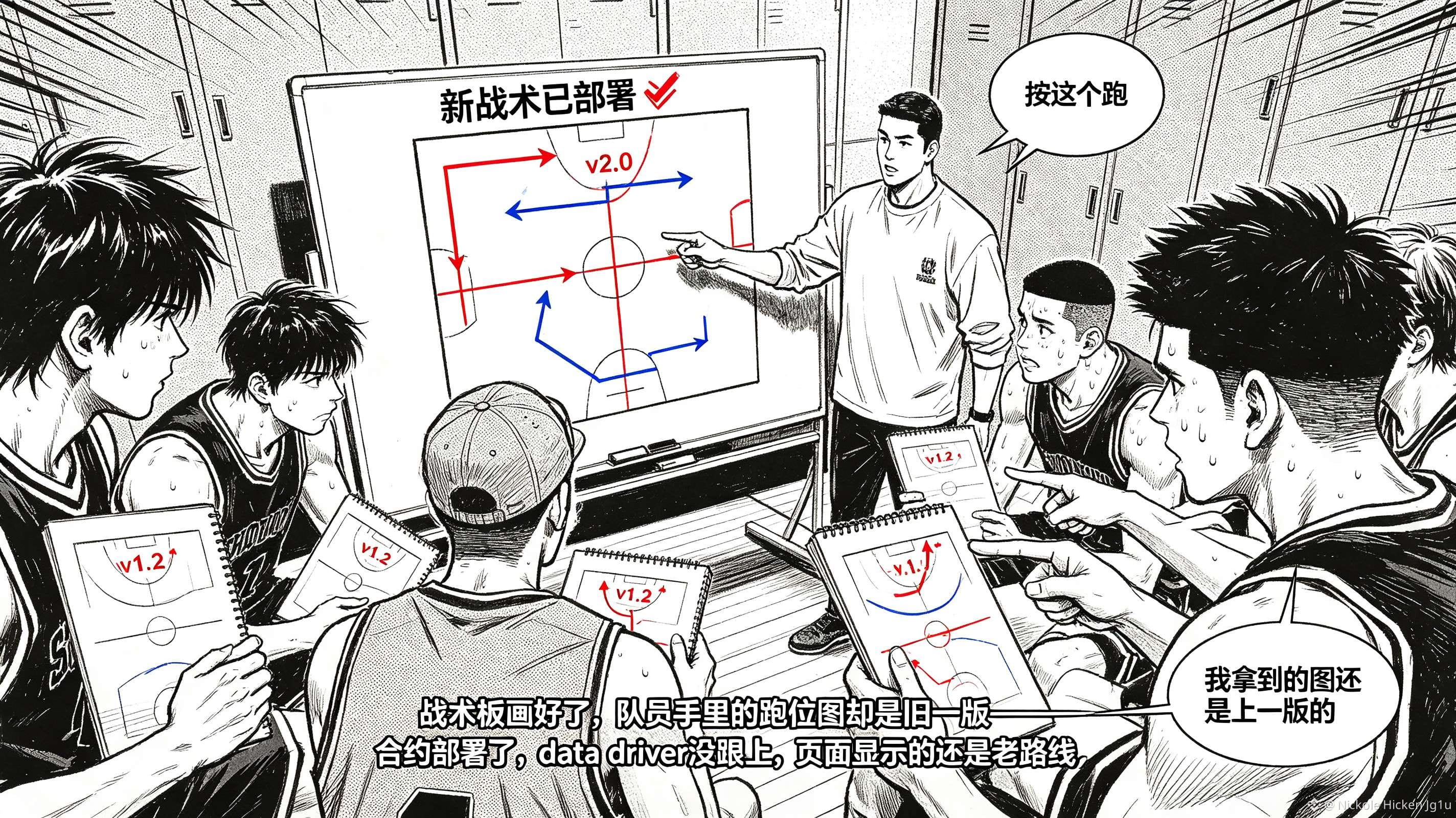
The easiest place for things to go wrong is upgrades. The team deploys a new contract, but the data driver continues to use the old version. Transactions still succeed, yet the balances, fields, or events shown on the page may already be behind. Users keep refreshing; engineers first check the node, and then customer support explains, “Everything’s fine on-chain.” But what’s truly misaligned is the contract state versus the read contract. Restarting the service can’t fix version mismatches—you usually have to rebuild, re-verify, and ensure the app switches to the matching driver.
So I don’t view Forge as just a tool that saves scaffolding time. It puts “the contract can run” and “the application can correctly interpret the contract” into the same delivery chain. What it reduces is cross-role guesswork, not all integration effort. For the $DUSK ecosystem, what’s more worth looking at next is whether example projects and release processes clearly state the version relationships among the ABI, schema, and data driver; if this step is treated as optional, developers may still end up with a contract that can execute but is hard to use reliably.#dusk 👻👻👻
The easiest place for things to go wrong is upgrades. The team deploys a new contract, but the data driver continues to use the old version. Transactions still succeed, yet the balances, fields, or events shown on the page may already be behind. Users keep refreshing; engineers first check the node, and then customer support explains, “Everything’s fine on-chain.” But what’s truly misaligned is the contract state versus the read contract. Restarting the service can’t fix version mismatches—you usually have to rebuild, re-verify, and ensure the app switches to the matching driver.
So I don’t view Forge as just a tool that saves scaffolding time. It puts “the contract can run” and “the application can correctly interpret the contract” into the same delivery chain. What it reduces is cross-role guesswork, not all integration effort. For the $DUSK ecosystem, what’s more worth looking at next is whether example projects and release processes clearly state the version relationships among the ABI, schema, and data driver; if this step is treated as optional, developers may still end up with a contract that can execute but is hard to use reliably.#dusk 👻👻👻