

On August 26, after a week of violent rallies, BTC pulled back to consolidate around $78,500. A week earlier it was hovering around $63,000; on August 25 it surged above $81,000 at one point, setting a three-month high. Starting from around $63,000 on August 17, BTC’s cumulative gain over the past ten days at one stage exceeded 28%. As of August 26, through August, the gain is still about 28%, and it may mark the largest single-month rise since November 2024.
ETH syncs up and follows the rise, touching a high of $2,450 before retreating to around $2,300 to consolidate.
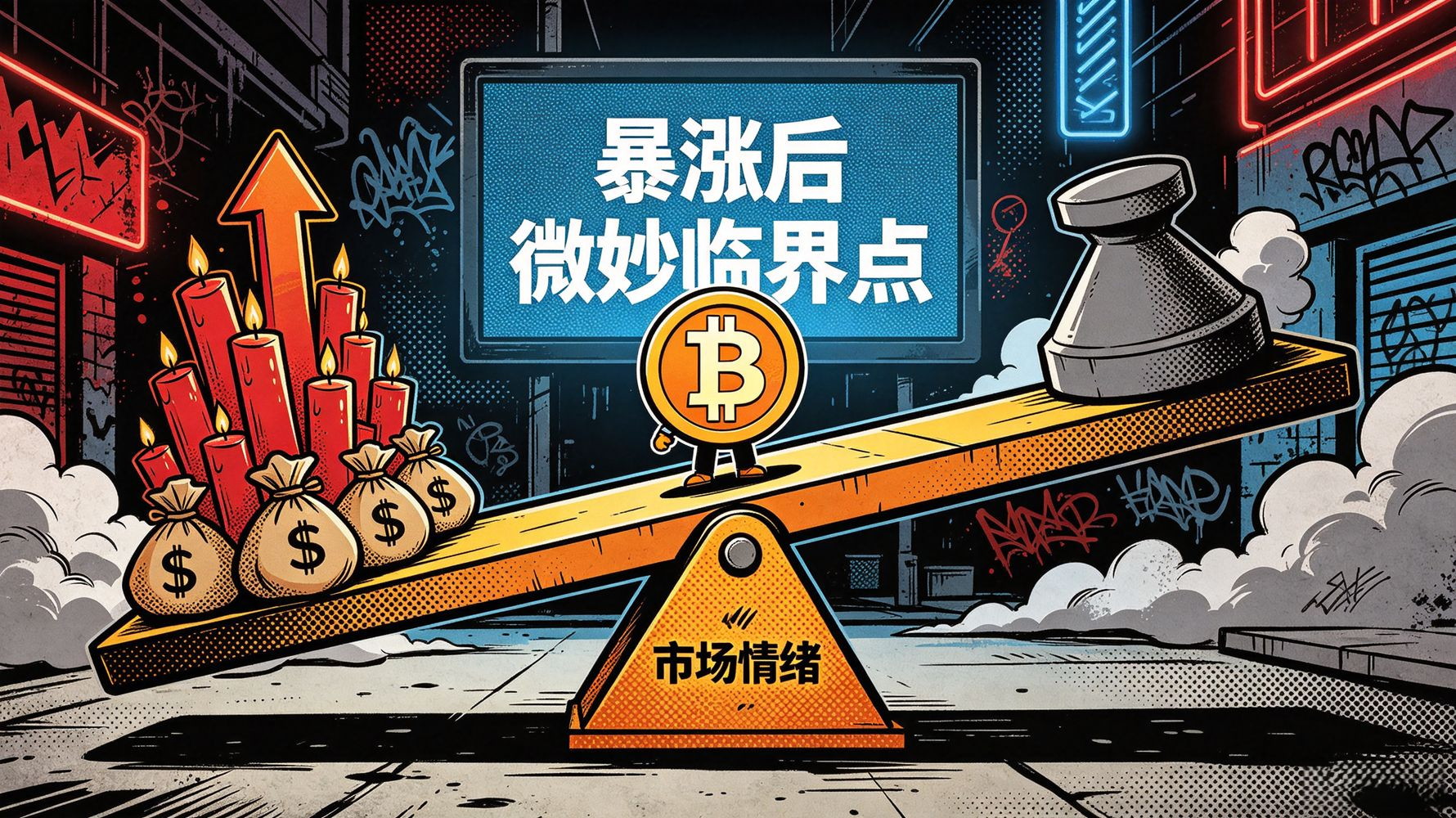
But after this burst of explosive growth, the market has reached a delicate tipping point.
$80,000 is more than a number.
BTC breaking above $80,000 was the first time in more than three months. The core logic driving this rally is that worries about dollar depreciation have been heating up rapidly.
On August 19, U.S. Treasury Secretary Bessent announced that the size of long-term Treasury buybacks would be at least doubled, raising the per-transaction cap from $2.0 billion to no less than $4.0 billion. After the news was released, the 30-year Treasury yield fell from around 5.337%, the U.S. dollar index broke below 99, and money flowed into gold and BTC.
On August 24, a more significant piece of news broke. Two senior U.S. Treasury officials said the Treasury may use funds from the TGA account, with a size close to $1 trillion, to finance bond buybacks. Bessent has increased the TGA balance to about $950 billion, far above the Biden administration’s target range of $550 billion to $600 billion.
This is not QE. Bessent’s moves are essentially a reshuffling of the debt structure, not truly creating money. But the market doesn’t care about those details. News that nearly $1 trillion in cash reserves could be deployed to buy bonds is already enough to spark expectations for a depreciation trade. Gold broke through $4,600, and BTC rose more than 25% on the week.
Xu Jiajian, director of economic research at Pagoda Think Tank, said that in the current environment where there isn’t enough sense of safety in U.S. dollar assets, money is reflooding safe-haven assets such as gold and BTC. But he also emphasized that, at this stage, the rebound is more a signal of capital seeking safety, and there are still no conditions for a straight-up rocket-like surge powered by a single catalyst.
ETFs are becoming the biggest buyer.
In parallel with the macro narrative, institutional money is rushing back in crazily.
On August 19, U.S. spot BTC ETFs recorded a net inflow of $517 million in a single day. On August 20, net inflows returned again at $606 million. Over the last five trading days of the week, cumulative net inflows totaled $1.92 billion, the strongest week since October 2025.
As of August 25, BTC ETFs have recorded net inflows for six consecutive trading days, for a cumulative inflow of $2.26 billion. BlackRock’s IBIT has pulled in about $1.33 billion for the week; on August 24, it added another $209 million in a single day, accounting for 62% of that day’s total net inflows.
Total net assets of ETFs have rebounded to $9.8558 billion, just one step away from the $10 billion milestone. Through August, total ETF inflows have reached $2.72 billion, surpassing April’s $1.97 billion and becoming the strongest month in 2026.
Trading activity has surged in sync. Last week’s ETF trading value hit $22.1 billion, more than three times the $6.9 billion from the prior week. IBIT bullish options saw the highest daily contract volume at 1.58 million.
But the other side of the coin is: as of now through 2026, cumulative net outflows from BTC ETFs are still about $2.57 billion. Whether the strong inflows in August can continue will determine what kind of rebound this is—whether it’s a trend reversal or a large-scale short-covering rally.
Friday’s speech—the market’s crossroads.
Now, everyone’s eyes are on Jackson Hole.

From August 27 to 29, the Fed’s annual economic policy symposium will be held in Wyoming. Fed Chair Waller will deliver his first Jackson Hole keynote speech since taking office at 22:00 Beijing time on August 28.
This may be the biggest test for BTC’s rally this time.
Market expectations are very clear. Bank of America warned that if Waller fails to clearly explain the inflation outlook and how policy would respond under different economic scenarios, the 30-year Treasury yield could quickly rise to 5.5% or higher. HSBC strategists believe that as long as Waller provides some definition around potential inflation pressures, it’s enough to reduce uncertainty-related term premium.
But Waller’s style makes it hard for the market to feel at ease. Since taking office in May, he has sharply scaled back the Fed’s traditional communication tools—abandoning forward guidance, shortening policy statements, and refusing to participate in future rate projections. The remarks after the July FOMC meeting directly triggered a round of deep selloffs in the bond market. Investors have interpreted his vague communication strategy as insufficient commitment to fight inflation.
Barclays expects Waller is unlikely to provide clear guidance on the September rate decision, but he may confirm that if inflation can’t keep improving, rate hikes remain an option. Liu Zhengning, an economist at the research arm of CICC, said this kind of statement isn’t a pre-announcement of rate hikes—it’s retaining a policy option to address inflation risks.
Capital Economics economist Brown warned that if Waller continues with short speeches and strictly follows the annual meeting’s official theme, markets may question again whether he is taking inflation risks seriously. A TD Securities strategist put it bluntly: if it’s the same old playbook, the market will be disappointed and long-end selling could worsen.
Variables coming from the Middle East.
Beyond Jackson Hole, another variable is also brewing.
On August 25, international oil prices dipped in the short term; Brent fell below $90. Media reported that Pakistan and Iran are discussing reopening the Strait of Hormuz. WTI crude dropped more than 5% in a day, falling below $80. Trump posted that all the mines in the Strait of Hormuz have been cleared.

A drop in oil prices directly eases inflation pressure, which is good for risk assets. But the news flow from the Middle East remains chaotic. Iran says it will not immediately reopen the straits; Trump is still throwing out tough words; and U.S. officials say there are currently no negotiation plans. On the same day, the news can be read in three completely different ways.
For BTC, easing geopolitical tensions logically means energy prices fall, inflation pressure eases, and rate-hike expectations cool down—all are positives. But the market isn’t waiting for good news right now; it’s waiting for the good news to be confirmed. The Iran-Iraq ceasefire signal pushed oil prices lower: WTI crude plunged 5% in a single day. After BTC surged to around $81,000 in the short term, it quickly pulled back to about $78,500. Before the details land, both bulls and bears don’t dare to act rashly.
Turning point or trap?
BTC went from $63,000 to $81,000 in just ten days. The increase year-to-date for August is up 28%, and it’s on track to set the biggest monthly gain since November 2024.
But the quality of this rally is still up for debate. Some analysts say short squeezes have been the main driver of BTC’s recent rise, which may imply that demand can’t sustain. After a large-scale short covering, the source of mechanical buying disappears, and the market needs fresh spot demand to keep rising. IG Market analyst Tony Sycamore, however, believes that if BTC breaks above current levels, it could aim for $95,000 to $100,000.
On Friday, Waller’s speech is the first checkpoint to test the quality of this rally. If Waller gives clear signals—even just hints that the Fed is still willing to raise rates if necessary—markets may interpret it as determination to fight inflation, stabilizing the bond market and supporting the dollar. That may not be bad for BTC either—the key is how the market prices it.
If Waller continues with a vague approach and gives the market no handles, long-end selling could intensify, the dollar may weaken further, and gold and BTC might instead gain stronger upside momentum. Nomura Securities’ Charlie McElligott described this as a pressure-release valve: as the authorities try to steady long-end rates, market anxiety may find another place to vent.
The echoes of Jackson Hole could be louder than the market expects.