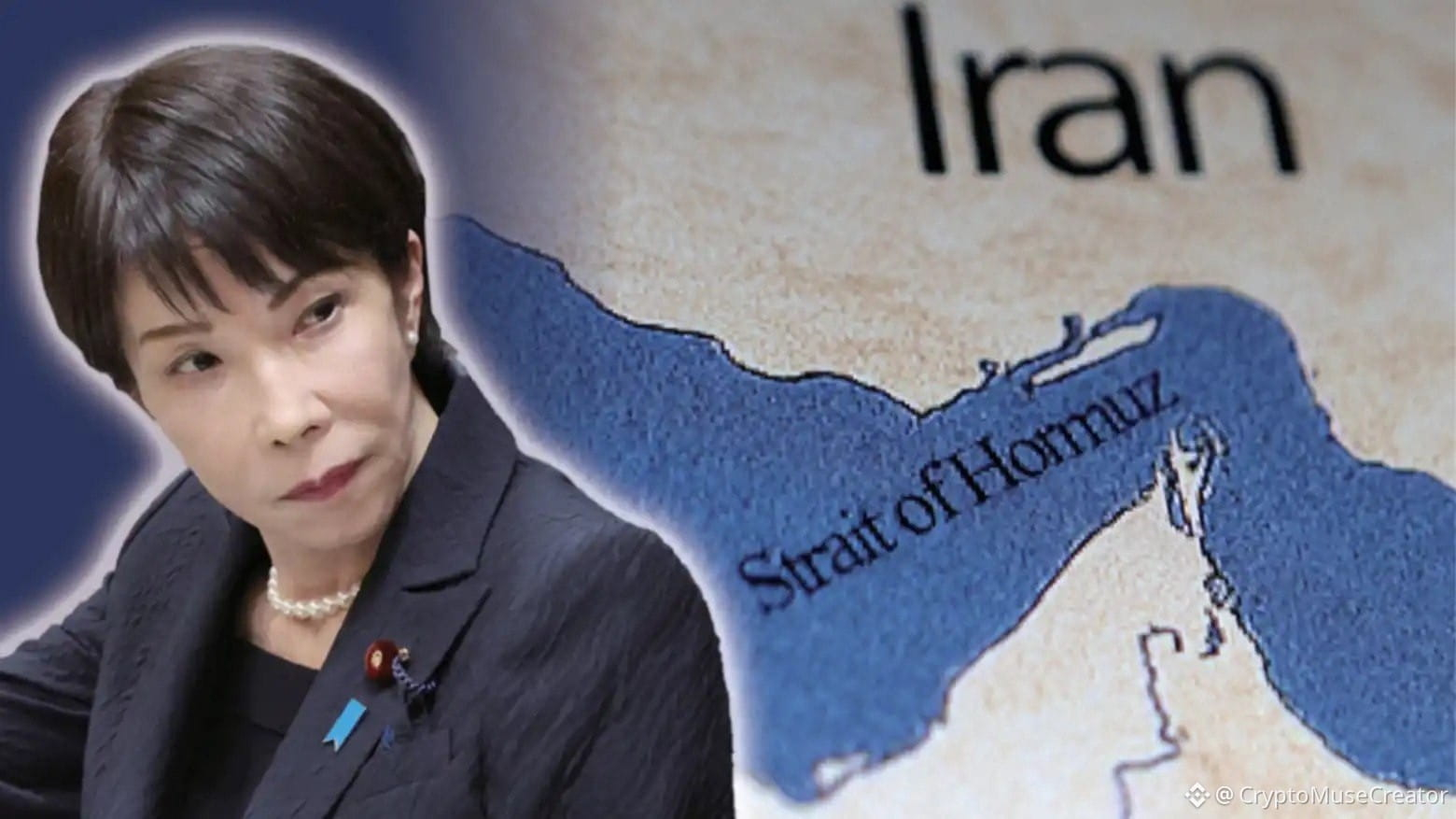
🇯🇵 Japan prepares to reduce dependence on the Strait of Hormuz
Japan plans a new package of measures to strengthen energy security. Among the key steps are diversifying oil import sources and supporting, together with Middle Eastern countries, pipelines that would allow oil to be delivered bypassing the Strait of Hormuz.
This is important because in 2025, 94% of Japan’s oil imports came from the Middle East, and about 93% of that volume passed through Hormuz.
Tokyo also plans to create strategic reserves of crude oil feedstock for producing petrochemical products and to offset some of the additional costs of alternative supplies.
📌 The key market signal: Japan is already thinking not only about how to survive the current crisis, but also about how to structurally reduce the risk of dependence on one of the world’s most important energy routes.
For the oil market, this could mean accelerating investments in alternative infrastructure in the Middle East.
#Japan #Oil #Hormuz #energy #Geopolitics
Japan plans a new package of measures to strengthen energy security. Among the key steps are diversifying oil import sources and supporting, together with Middle Eastern countries, pipelines that would allow oil to be delivered bypassing the Strait of Hormuz.
This is important because in 2025, 94% of Japan’s oil imports came from the Middle East, and about 93% of that volume passed through Hormuz.
Tokyo also plans to create strategic reserves of crude oil feedstock for producing petrochemical products and to offset some of the additional costs of alternative supplies.
📌 The key market signal: Japan is already thinking not only about how to survive the current crisis, but also about how to structurally reduce the risk of dependence on one of the world’s most important energy routes.
For the oil market, this could mean accelerating investments in alternative infrastructure in the Middle East.
#Japan #Oil #Hormuz #energy #Geopolitics