
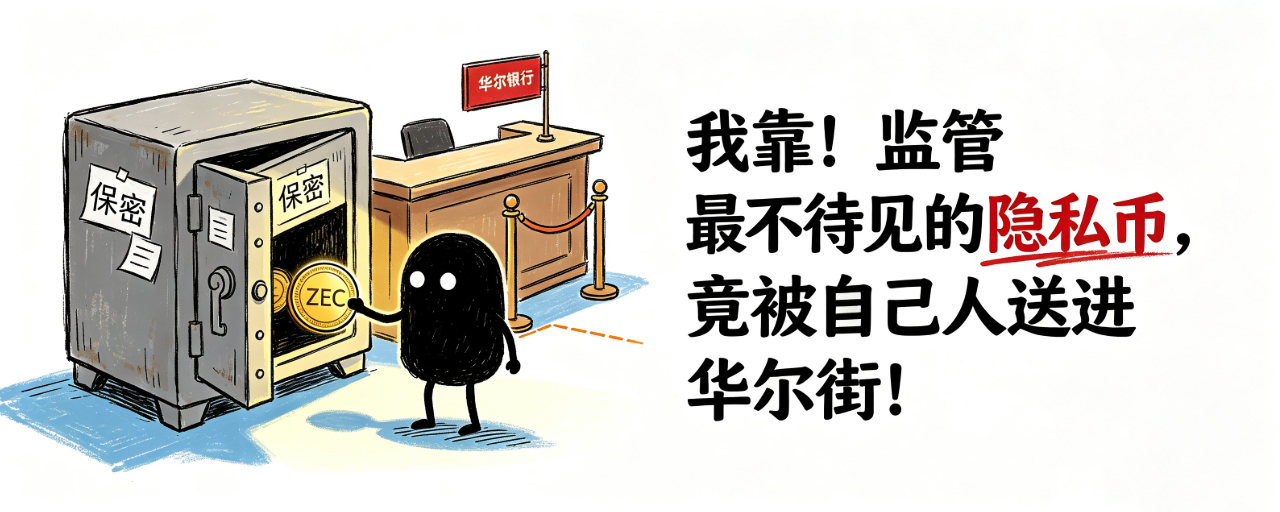

Zcash (ZEC) has officially listed on the NYSE Arca today, ticker ZCSH, with an annual management fee of 2.5%. You might have heard about “the first U.S. Zcash spot ETF”—sounds like another piece of compliant good news.
But what’s truly interesting about this is not that it got listed, but why it was able to be listed “with confidence.”
This time, Grayscale isn’t launching a brand-new product—it’s converting the Zcash Trust, which it set up back in 2017 and held for nine years, into an ETF. A privacy coin that’s been watched closely by regulators for decades is now, repackaged by its own side, being presented as “a legitimate soldier,” walking straight into Wall Street. Think about the contrast— the coin regulators dislike the most is precisely the one that “hides money.”
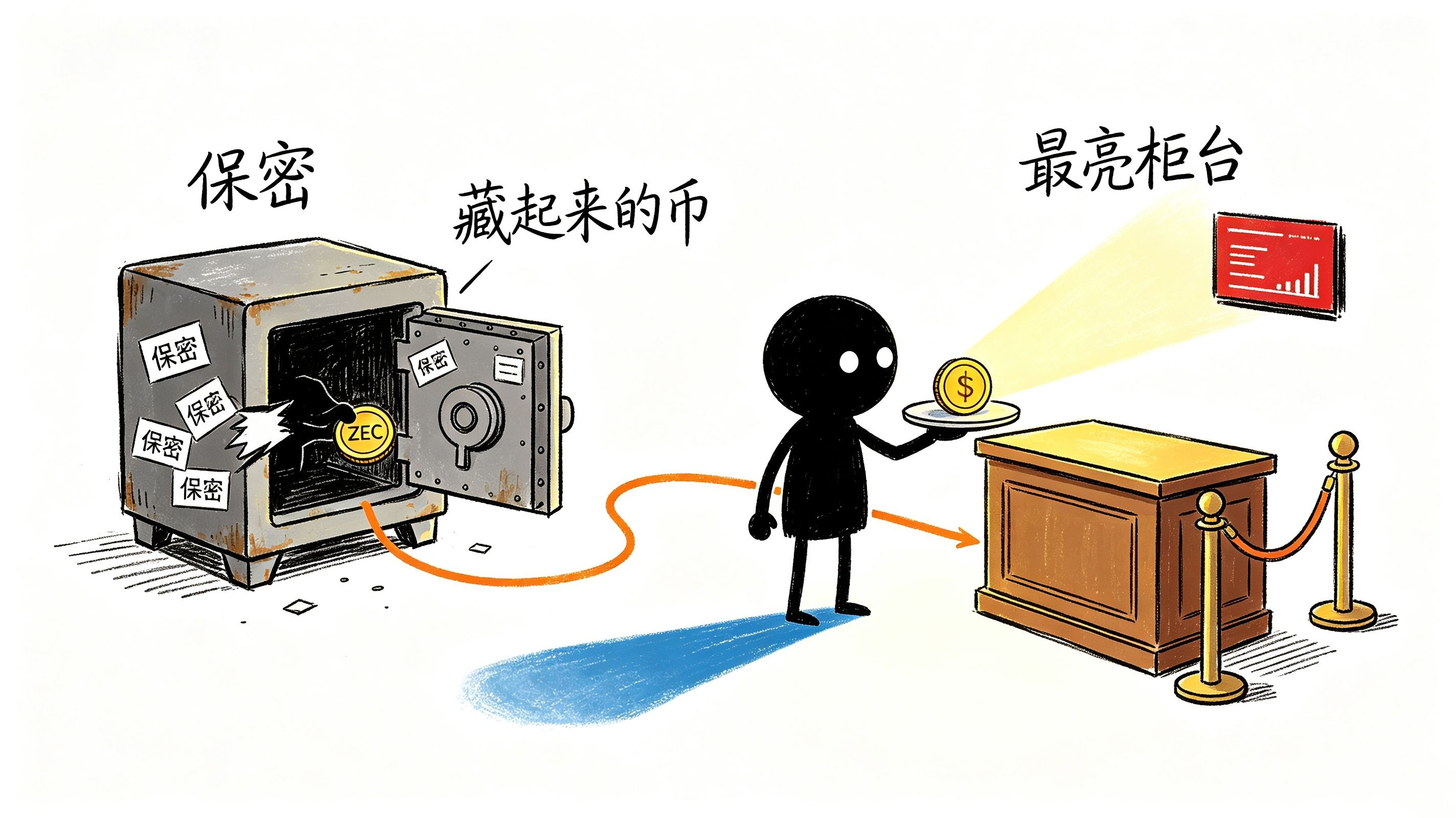
What gives this story its tension is the subplot that happened before it went public.
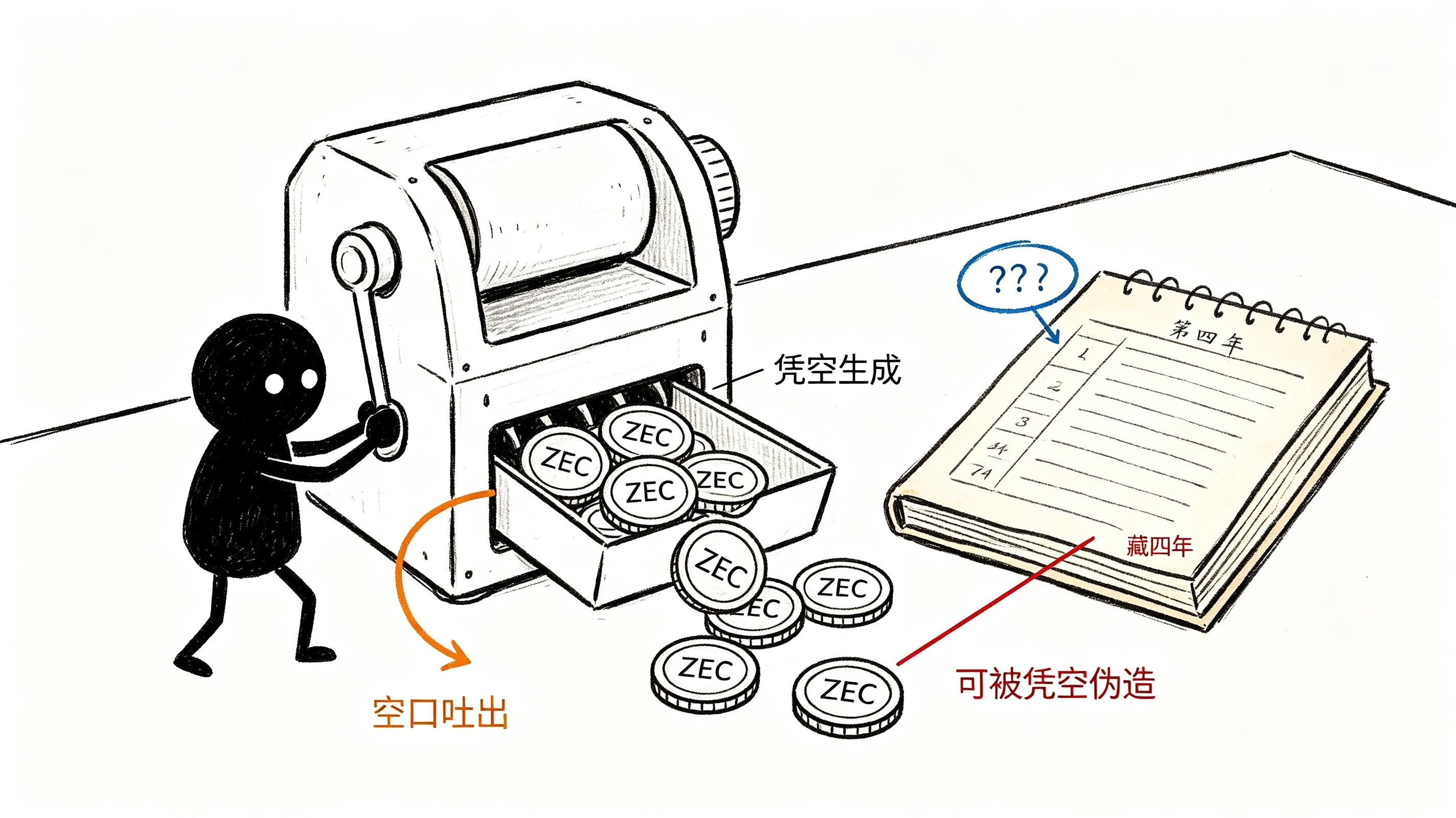
In May this year, a security researcher, Taylor Hornby, used Anthropic’s Claude Opus 4.8 to mine a vulnerability that had been hiding in Zcash’s Orchard privacy pool for a full four years—meaning, in theory, someone could fabricate ZEC out of thin air. On June 1, developers rushed out an emergency patch, and in July Zcash launched the Ironwood upgrade to fix it. On the surface, it’s the perfect script: discover the problem → fix it → go live.
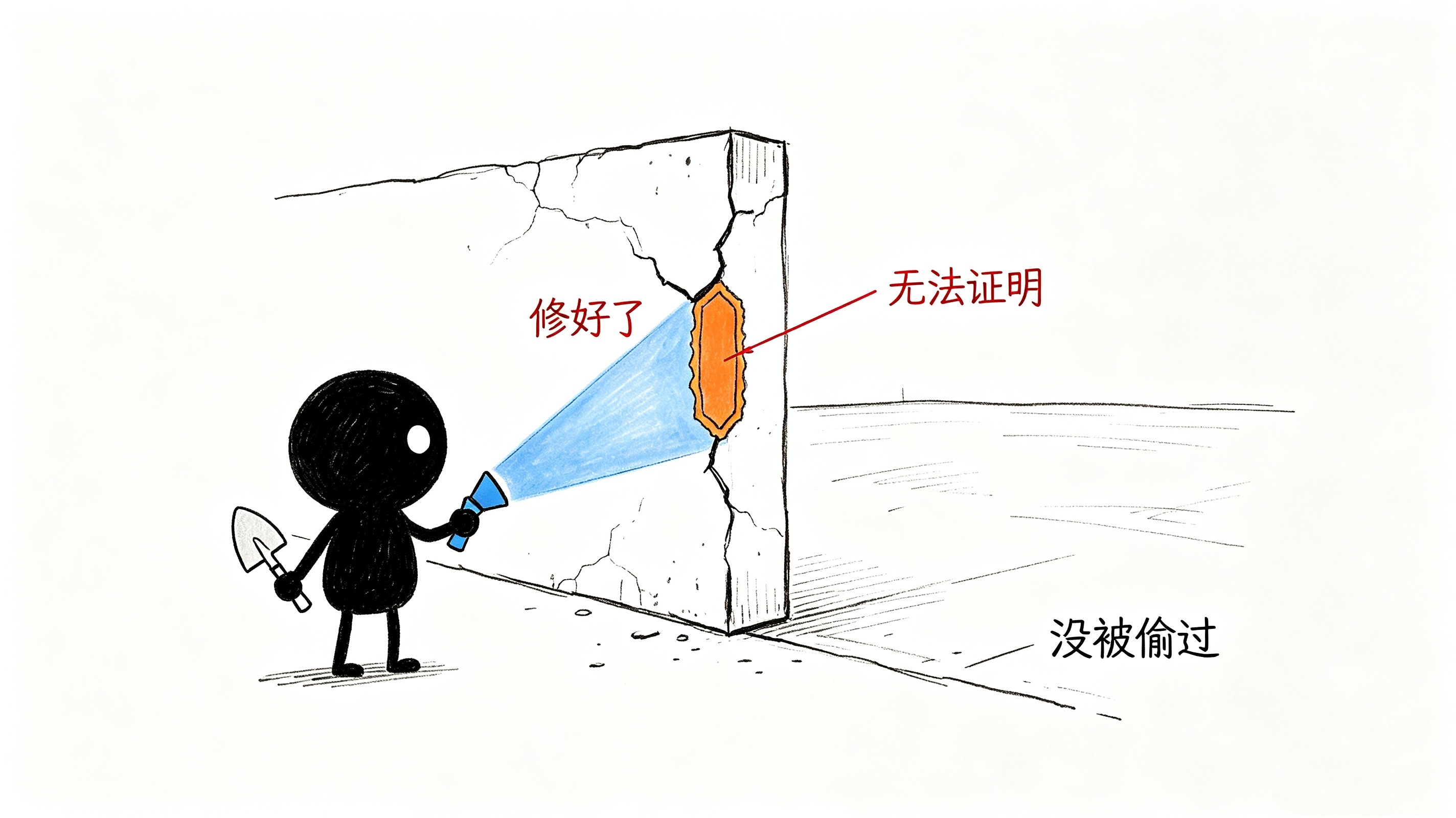
The problem lies in the word “privacy.”
Because Zcash was designed from the start to operate without being able to “see” clearly, after the fix the network fundamentally cannot prove from a cryptographic standpoint whether, over the past four years, the flaw was actually exploited—whether coins were really stolen or minted. In other words—it's fixed, but it can’t be proven that it wasn’t stolen.
This is exactly the most knotty—and most worth writing—part of the whole affair. The ETF just happens to be listed at this “uncertain” moment, essentially betting on one thing: that the market believes “trust comes before falsifiability.” Regulators are willing to allow it, and investors are willing to take the risk—but nobody can provide an “absolutely clean” answer. In this situation, what you’re buying isn’t certainty, it’s confidence.

By the way, it wasn’t human auditors who uncovered the four-year flaw—it was AI (Claude Opus 4.8). For the first time, the world of cryptography realized that risks buried so deeply they’re invisible to the naked eye may truly be discoverable only by AI. This is also a new challenge that audits and compliance will have to face in the future.
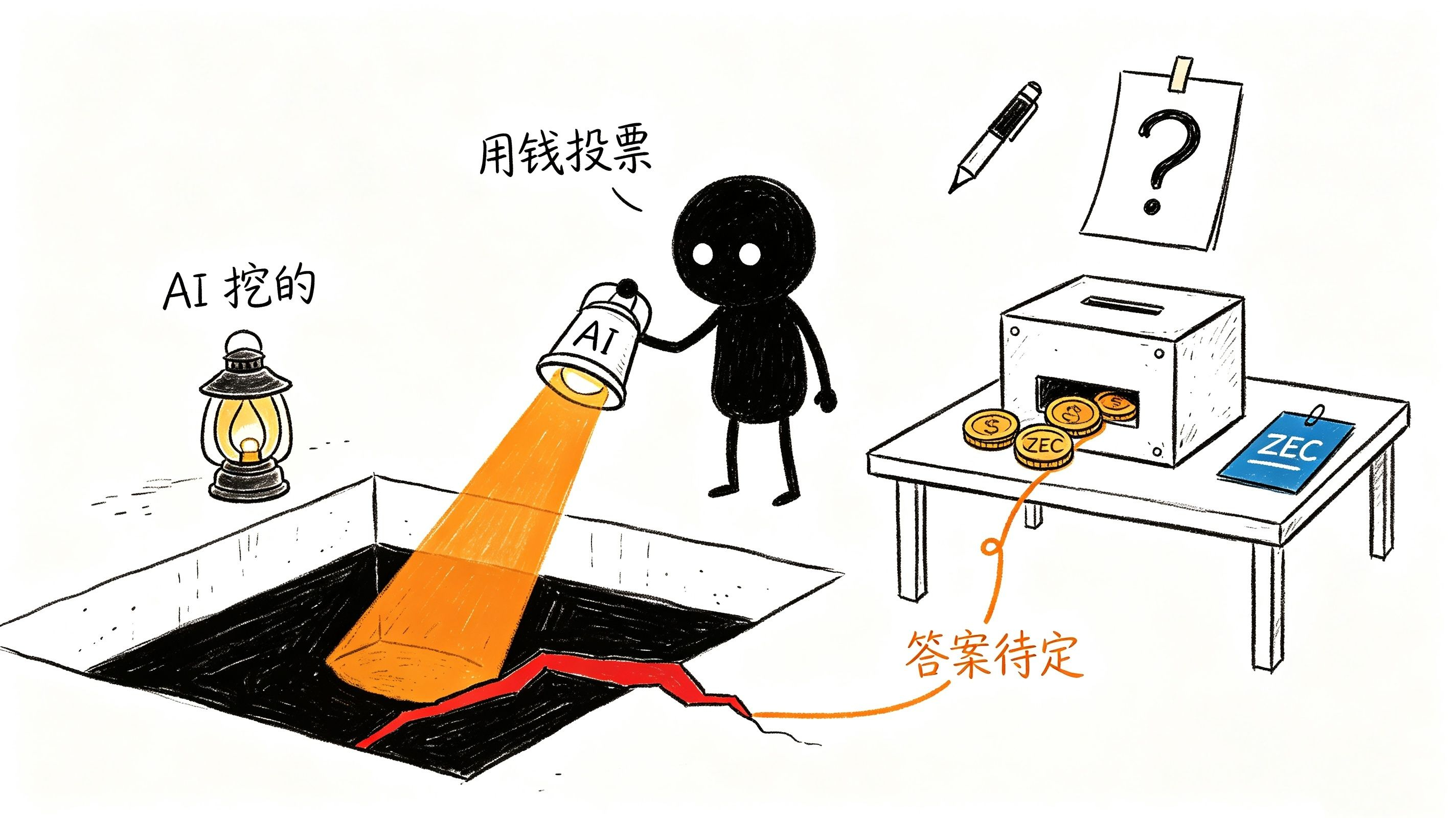
Looking back at the market—ZEC is around $851. It surged 66% last week, and on Monday (8/25) it even hit a fresh eight-year high of $841. But behind this rally, is it a celebration of “privacy coins finally being tradeable on compliant exchanges,” or is it vague trust in “it doesn’t really matter since no one can prove it was stolen”? The market cast its vote with money—but the answer isn’t something that can be stamped just yet.