
DK短线复刻
633 Posts

DK短线复刻
 Square Verified+
交易不是孤注一掷,而是长期的占有概率优势。X@DKFK1688

DOGS Holder
High-Frequency Trader
8.8 Years
1.3K+ Following
51.5K+ Followers
46.7K+ Liked
Posts
All
Quotes
PINNED
Check replies to receive红包🎁🎁


大仁Jaron
·
--
U.S. Bets on Stablecoins [ Takeover ] as It Sells Off $29 Billion in Short-Term Treasuries
In June, foreign investors had a total net inflow of $133.5 billion into U.S. financial markets, but during the same period they sold $29.0 billion worth of Treasury bills.
Two sets of data show two distinctly different directions of capital flows within the same month: most incoming funds flowed toward the U.S. stock market, but demand for U.S. government debt weakened significantly. Foreign buyers purchased $181.4 billion worth of U.S. stocks, but only $6.8 billion in long-term Treasury bonds; in the short-term bond segment, they sold off Treasury bills that are often used as a cash reservoir.
This divergence in capital flows also helps explain why stablecoins were included in the U.S. government debt-response strategy. Stablecoin issuers such as Tether and Circle typically allocate most of the reserve assets supporting the value of their tokens to Treasury bills and similar assets. If overseas buyers continue to reduce their holdings of Treasury bills, the rapidly growing stablecoin sector—potentially on a scale comparable to, and with demand power that could rival, overseas capital—may become another significant force. The June data shows that this industry already has a sufficient size, but the recent token-issuance scale is small and cannot by itself account for the $29.0 billion in selling pressure.
Two sets of data show two distinctly different directions of capital flows within the same month: most incoming funds flowed toward the U.S. stock market, but demand for U.S. government debt weakened significantly. Foreign buyers purchased $181.4 billion worth of U.S. stocks, but only $6.8 billion in long-term Treasury bonds; in the short-term bond segment, they sold off Treasury bills that are often used as a cash reservoir.
This divergence in capital flows also helps explain why stablecoins were included in the U.S. government debt-response strategy. Stablecoin issuers such as Tether and Circle typically allocate most of the reserve assets supporting the value of their tokens to Treasury bills and similar assets. If overseas buyers continue to reduce their holdings of Treasury bills, the rapidly growing stablecoin sector—potentially on a scale comparable to, and with demand power that could rival, overseas capital—may become another significant force. The June data shows that this industry already has a sufficient size, but the recent token-issuance scale is small and cannot by itself account for the $29.0 billion in selling pressure.
$NVDAB

AbdullRauf
·
--
GIVEAWAY ALERT 🧧
We're giving away 2000 gifts to our Square Family as a huge thank you for your support!
To Enter:
✅ Follow
✅ Share this post
✅ Comment "666 !"
Random winners will be selected. Good luck, everyone! 🚀
We're giving away 2000 gifts to our Square Family as a huge thank you for your support!
To Enter:
✅ Follow
✅ Share this post
✅ Comment "666 !"
Random winners will be selected. Good luck, everyone! 🚀


ABL阿布辣2020
·
--
Support to Bitcoin? The U.S. repurchases long-term bonds, even possibly tapping trillions in TGA—yet yields stay high
The U.S. Treasury expands its repurchase of long-term Treasuries (raising the per-operation cap from roughly $2 billion to at least $4 billion, and potentially increasing it further), while reports say it may use nearly $950 billion in TGA funds (Treasury General Account) to support bond purchases. The moment the news broke, it immediately drove a surge in Bitcoin and gold (Bitcoin bounced quickly from its lows, with a sizable gain in a short time, accompanied by extensive liquidation of short positions). However, U.S. bond yields—especially at the long end—after a brief dip, rebounded strongly, returning to elevated levels. Analysts generally believe that with the current scale of repurchase operations alone, it’s difficult to truly relieve the pressure of high yields. Behind this are structural issues such as a large supply of Treasuries, persistent fiscal deficits, and insufficient long-end buying demand in the market.
In short: the Treasury wants to push down long-term bond yields through repurchases, but yields didn’t come down—Bitcoin surged first instead. The market still has doubts about the durability of high yields. $BTC #财政部拟动用TGA #长债回购能否治本
The U.S. Treasury expands its repurchase of long-term Treasuries (raising the per-operation cap from roughly $2 billion to at least $4 billion, and potentially increasing it further), while reports say it may use nearly $950 billion in TGA funds (Treasury General Account) to support bond purchases. The moment the news broke, it immediately drove a surge in Bitcoin and gold (Bitcoin bounced quickly from its lows, with a sizable gain in a short time, accompanied by extensive liquidation of short positions). However, U.S. bond yields—especially at the long end—after a brief dip, rebounded strongly, returning to elevated levels. Analysts generally believe that with the current scale of repurchase operations alone, it’s difficult to truly relieve the pressure of high yields. Behind this are structural issues such as a large supply of Treasuries, persistent fiscal deficits, and insufficient long-end buying demand in the market.
In short: the Treasury wants to push down long-term bond yields through repurchases, but yields didn’t come down—Bitcoin surged first instead. The market still has doubts about the durability of high yields. $BTC #财政部拟动用TGA #长债回购能否治本
go

TradeMaster_PK
·
--
BullishReceived USDT Rewards Gift 🎁🎁🎁🎁🎁🎁🎁🧧🧧🧧🧧🧧🎁🎁🎁🎁
1 follow me
2 like
3 repost
#bitcoinminingdifficultyfalls14fromyearhigh #XRPLedgerUpgradeToRestorePulledFeatures
#BIP110SoftForkAttemptBegins #BIP110ForkSignalingExpectedThisWeekend
1 follow me
2 like
3 repost
#bitcoinminingdifficultyfalls14fromyearhigh #XRPLedgerUpgradeToRestorePulledFeatures
#BIP110SoftForkAttemptBegins #BIP110ForkSignalingExpectedThisWeekend



$AAPL.US

WY-106
·
--
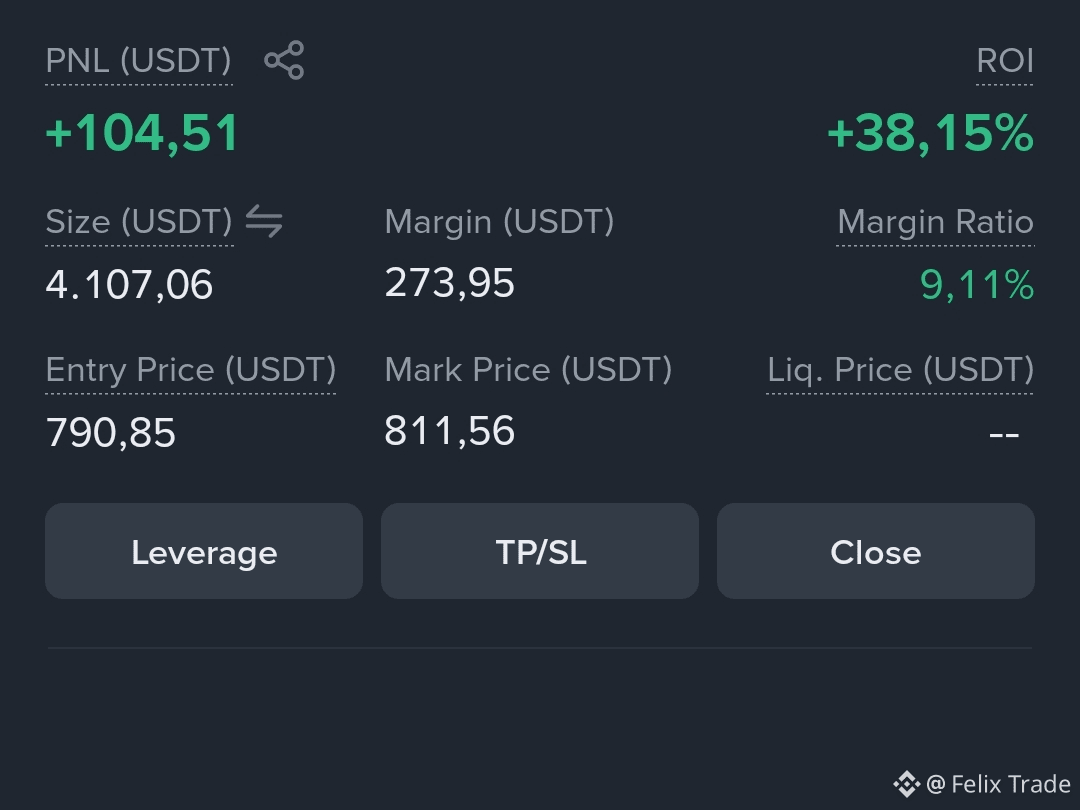
Bullish$ZEC open long now 💥
next target 🎯
850
900
950
next target 🎯
850
900
950
AAPLUS-0.37%

Crypto狼少
·
--
$BTC $ETH $BNB Good morning🌞
Follow, share, ❤️ like, and comment 🥰🥰
🎁🎁 repost my pin post
Claim your own gift 🧧
Thank you for sharing and liking🎁 🎁 🧧🧧
Follow, share, ❤️ like, and comment 🥰🥰
🎁🎁 repost my pin post
Claim your own gift 🧧
Thank you for sharing and liking🎁 🎁 🧧🧧

大仁Jaron
·
--
U.S. Bets on Stablecoins [ Takeover ] as It Sells Off $29 Billion in Short-Term Treasuries
In June, foreign investors had a total net inflow of $133.5 billion into U.S. financial markets, but during the same period they sold $29.0 billion worth of Treasury bills.
Two sets of data show two distinctly different directions of capital flows within the same month: most incoming funds flowed toward the U.S. stock market, but demand for U.S. government debt weakened significantly. Foreign buyers purchased $181.4 billion worth of U.S. stocks, but only $6.8 billion in long-term Treasury bonds; in the short-term bond segment, they sold off Treasury bills that are often used as a cash reservoir.
This divergence in capital flows also helps explain why stablecoins were included in the U.S. government debt-response strategy. Stablecoin issuers such as Tether and Circle typically allocate most of the reserve assets supporting the value of their tokens to Treasury bills and similar assets. If overseas buyers continue to reduce their holdings of Treasury bills, the rapidly growing stablecoin sector—potentially on a scale comparable to, and with demand power that could rival, overseas capital—may become another significant force. The June data shows that this industry already has a sufficient size, but the recent token-issuance scale is small and cannot by itself account for the $29.0 billion in selling pressure.
Two sets of data show two distinctly different directions of capital flows within the same month: most incoming funds flowed toward the U.S. stock market, but demand for U.S. government debt weakened significantly. Foreign buyers purchased $181.4 billion worth of U.S. stocks, but only $6.8 billion in long-term Treasury bonds; in the short-term bond segment, they sold off Treasury bills that are often used as a cash reservoir.
This divergence in capital flows also helps explain why stablecoins were included in the U.S. government debt-response strategy. Stablecoin issuers such as Tether and Circle typically allocate most of the reserve assets supporting the value of their tokens to Treasury bills and similar assets. If overseas buyers continue to reduce their holdings of Treasury bills, the rapidly growing stablecoin sector—potentially on a scale comparable to, and with demand power that could rival, overseas capital—may become another significant force. The June data shows that this industry already has a sufficient size, but the recent token-issuance scale is small and cannot by itself account for the $29.0 billion in selling pressure.
$AAPLB

Mahi_玛希BNB
·
--
BTC Queen 👑₿
BTC is still the queen of the crypto market. 👑
Strong community, limited supply, and long-term potential make Bitcoin a favorite for many investors. 🚀
Keep learning, manage risk, and DYOR. 💎
1️⃣ **Follow MAHI BNB** ✅
2️⃣ **Like & Comment “BTC ”** ✅
3️⃣ **Repost This Post** 🔄✅
4️⃣ **Stay Tuned for the Next Gift 🎁🧧** ✅
#BTC☀ #Bitcoin❗ #Crypto_Jobs🎯 #BinanceSquareFamily #BTCQueen #CryptoCommunity #trading
$BTC $BNB $ETH
BTC is still the queen of the crypto market. 👑
Strong community, limited supply, and long-term potential make Bitcoin a favorite for many investors. 🚀
Keep learning, manage risk, and DYOR. 💎
1️⃣ **Follow MAHI BNB** ✅
2️⃣ **Like & Comment “BTC ”** ✅
3️⃣ **Repost This Post** 🔄✅
4️⃣ **Stay Tuned for the Next Gift 🎁🧧** ✅
#BTC☀ #Bitcoin❗ #Crypto_Jobs🎯 #BinanceSquareFamily #BTCQueen #CryptoCommunity #trading
$BTC $BNB $ETH


@Lobster Quant

龙虾量化带单
·
--
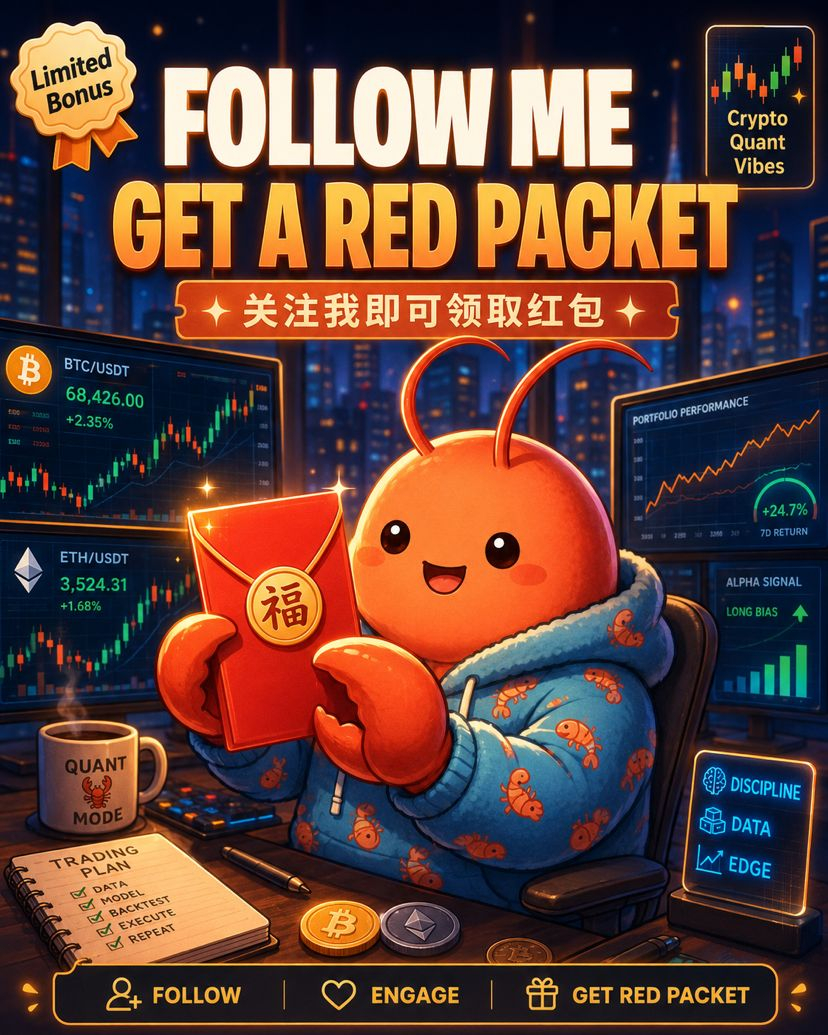
BullishFollow me and get your red envelope!🧧
Follow me and get your red envelope!🧧
Follow me and get your red envelope!🧧

凯哥的进击
·
--
🎁🎁Reply today to claim your red envelope🎁🎁$SOL
🌹Thanks for helping by forwarding and sharing🌹
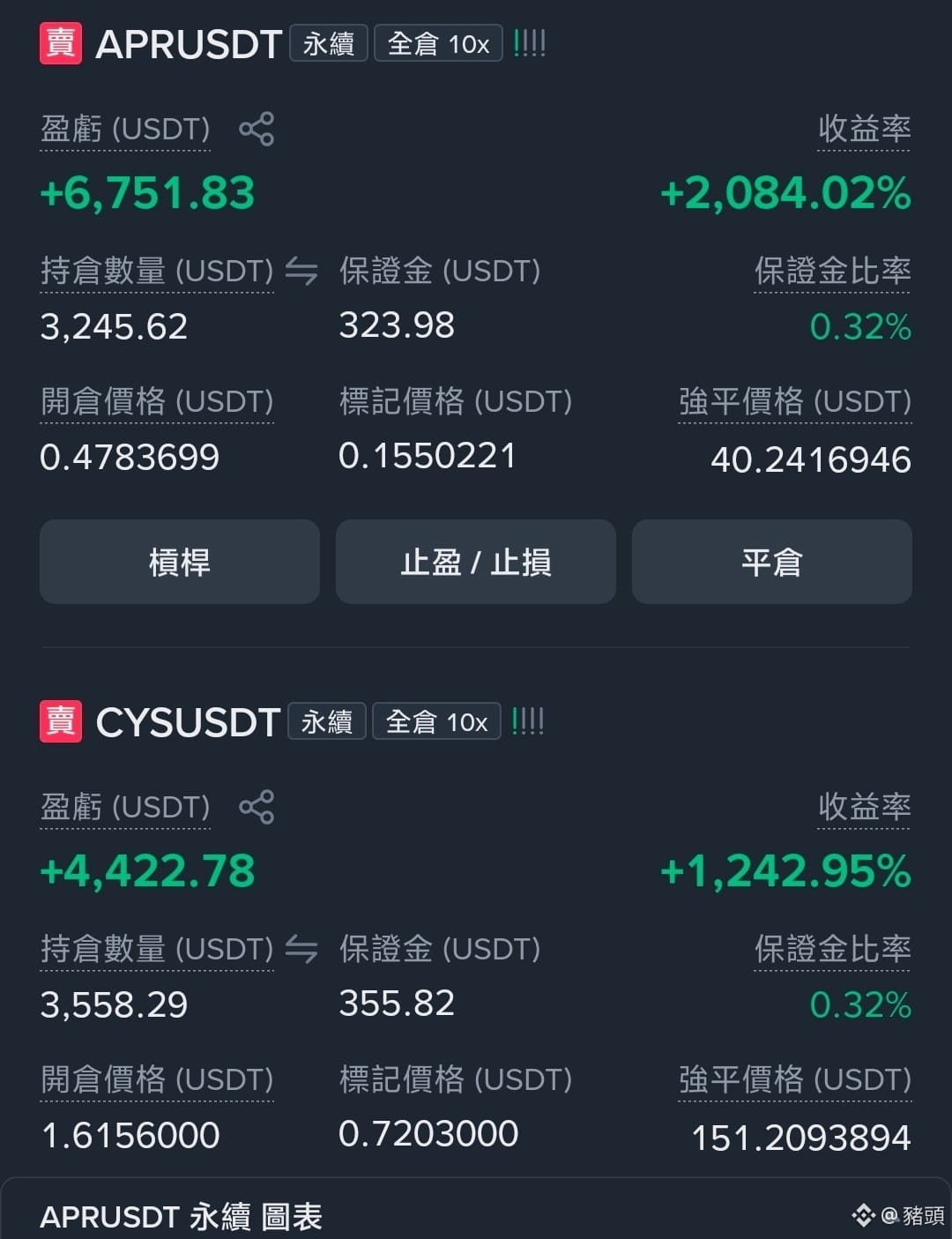
The image is sourced from the community circle of fans: The correct way to open up in the cryptocurrency circle and win big.
🌹Thanks for helping by forwarding and sharing🌹
The image is sourced from the community circle of fans: The correct way to open up in the cryptocurrency circle and win big.

$NVDAB

AYESHA ABID 阿伊莎 阿比德
·
--
🎁 SOL Red Packet is here! Claim your reward before it’s gone.


可可529
·
--
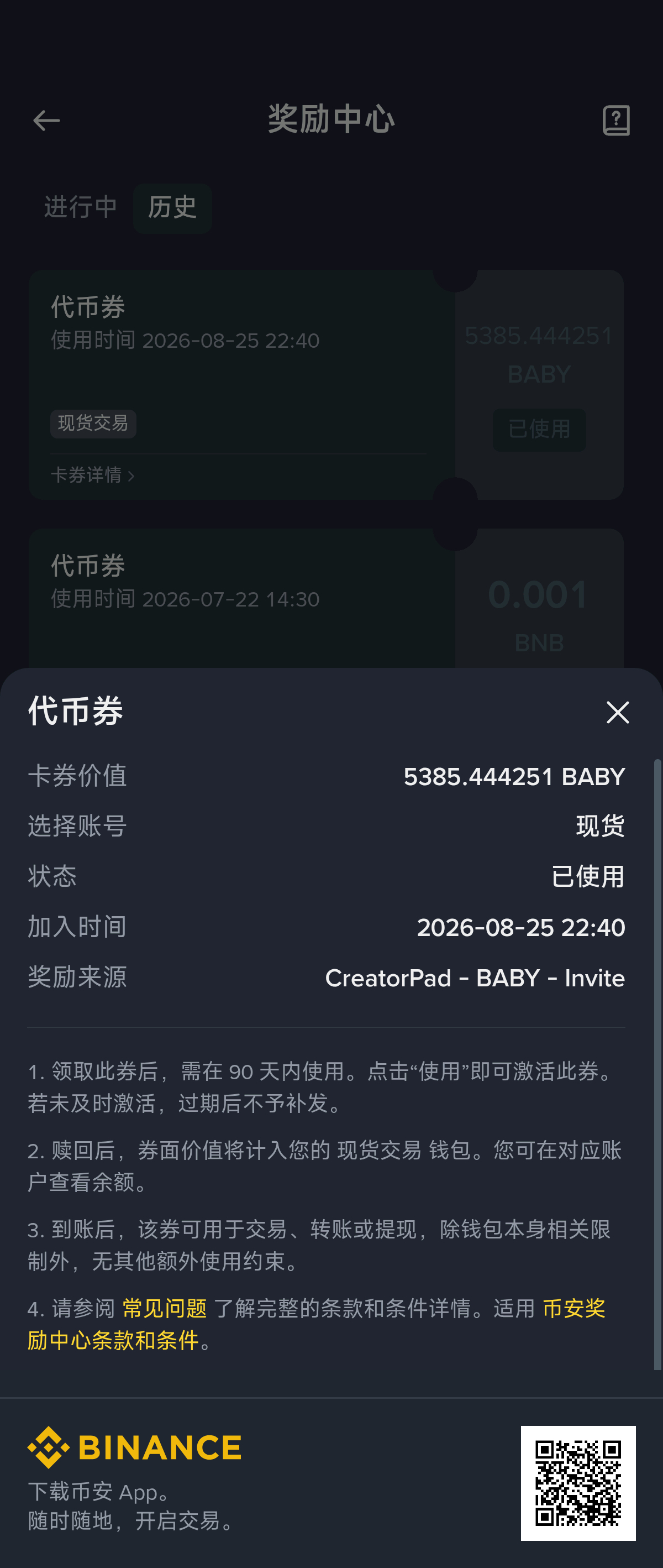
You’ll never make money beyond your cognition.
But in crypto, it’s a place that constantly refreshes your understanding.
Either become a legend,
or become fuel.
But in crypto, it’s a place that constantly refreshes your understanding.
Either become a legend,
or become fuel.




520龙行天下
·
--
Market fluctuations are unpredictable; various hotspots rotate and flash on screens everywhere—everywhere are stories of soaring gains.
After watching other people’s profits for long, it’s easy to develop FOMO anxiety and impulsively jump in.
The market will never lack opportunities; what’s missing is the discipline to hold on to your original mindset.
Don’t let hype drag you around, don’t blindly chase high prices—manage your position and control risk.
No need to envy short-term unrealized gains; steady progress leads far. Wishing everyone long-lasting green positions and taking profit at the right time 🚀
After watching other people’s profits for long, it’s easy to develop FOMO anxiety and impulsively jump in.
The market will never lack opportunities; what’s missing is the discipline to hold on to your original mindset.
Don’t let hype drag you around, don’t blindly chase high prices—manage your position and control risk.
No need to envy short-term unrealized gains; steady progress leads far. Wishing everyone long-lasting green positions and taking profit at the right time 🚀

$NVDAB

KIRAN_加密 143
·
--
🚨 ALERT 🚨 ALERT 🚨 ALERT 🚨
🎁🔥 BTC COIN GIVEAWAY IS LIVE NOW! 🧧💰
📡 Join the LIVE STREAMING and don’t miss the drop!
🎯 Grab your chance to win a handsome BTC reward! 🚀
⚡ BE QUICK • JOIN LIVE • CLAIM YOUR LUCK ⚡
Good luck, everyone! 🍀🧧
$ETH
$SOL
$BTC
#BitcoinRises23.6%Weekly
#AIHardwareStocksFallPreMarketAAOIDown11.66%
#SP500FuturesFall
#BrentDrops1.87%
#SamsungFalls8.97%DraggingKospiDown3.24%
🎁🔥 BTC COIN GIVEAWAY IS LIVE NOW! 🧧💰
📡 Join the LIVE STREAMING and don’t miss the drop!
🎯 Grab your chance to win a handsome BTC reward! 🚀
⚡ BE QUICK • JOIN LIVE • CLAIM YOUR LUCK ⚡
Good luck, everyone! 🍀🧧
$ETH
$SOL
$BTC
#BitcoinRises23.6%Weekly
#AIHardwareStocksFallPreMarketAAOIDown11.66%
#SP500FuturesFall
#BrentDrops1.87%
#SamsungFalls8.97%DraggingKospiDown3.24%



远方1688 BNB
·
--
The market takes turns to stage joys and sorrows—some ride the waves and reap surprises, while others miss out and quietly regret. Markets rise and fall; there’s no need to chase hot trends blindly and impulsively—preserving your principal is the foundation. Keep a good mindset and wait calmly for the opportunity that belongs to you. Wishing everyone’s current holdings keep climbing steadily, and that you handle gains and losses with composure, with rewards at every step 🧧


橙子Joyce
·
--
USDC issues nearly $2 billion more in one week—what supports Circle’s next growth cycle?
1.USDC ends nearly six months of sideways, weak performance, adding about $1.7 billion to $2.0 billion in supply within a week, becoming a direct signal that Circle’s fundamentals are recovering.
2.Awarded Circle a “beat the broader market” rating with a $140 target price, the long-term thesis hinges on whether Arc can convert institutional partnerships into assets, settlement, and revenue.
3.USDC’s total supply still lags behind USDT, but in transaction volumes after excluding bots and high-frequency activity, USDC’s share has already risen to 60% or more in 2026.
4.Real-world stablecoin payments are growing at about 30% year over year, but they currently account for only around 3% of adjusted transaction volume—so they have not yet become a major source of demand.
5.AI agent payments see nearly 19 million monthly transactions, but the value is only about $1 million; at this stage, it mainly reflects infrastructure adoption.
USDC re-expands, and the top-tier competitive landscape has not changed for now
Even with supply below USDT, USDC captures more effective trading volume
Payments grow steadily, while AI agents remain stuck in “small-ticket, high-frequency”
Arc will be the real test of Circle’s platformization
At this stage, Circle’s most certain growth still comes from the rebound in USDC supply and an increase in trading share. Payment rails, tokenized asset economics, and AI agent activity also offer further room to expand valuation potential, but these businesses still need to go through the transformation from partnership announcements to infrastructure adoption, and ultimately to asset realization and revenue capture.
Next, the market needs to watch four variables:
1.Can USDC supply continue to grow?
2.Can the adjusted transaction share hold steady?
3.Can the share of real-world payments increase?
4.After Arc goes live, can it attract real assets and pull transactions in?
$BTC
$BNB
1.USDC ends nearly six months of sideways, weak performance, adding about $1.7 billion to $2.0 billion in supply within a week, becoming a direct signal that Circle’s fundamentals are recovering.
2.Awarded Circle a “beat the broader market” rating with a $140 target price, the long-term thesis hinges on whether Arc can convert institutional partnerships into assets, settlement, and revenue.
3.USDC’s total supply still lags behind USDT, but in transaction volumes after excluding bots and high-frequency activity, USDC’s share has already risen to 60% or more in 2026.
4.Real-world stablecoin payments are growing at about 30% year over year, but they currently account for only around 3% of adjusted transaction volume—so they have not yet become a major source of demand.
5.AI agent payments see nearly 19 million monthly transactions, but the value is only about $1 million; at this stage, it mainly reflects infrastructure adoption.
USDC re-expands, and the top-tier competitive landscape has not changed for now
Even with supply below USDT, USDC captures more effective trading volume
Payments grow steadily, while AI agents remain stuck in “small-ticket, high-frequency”
Arc will be the real test of Circle’s platformization
At this stage, Circle’s most certain growth still comes from the rebound in USDC supply and an increase in trading share. Payment rails, tokenized asset economics, and AI agent activity also offer further room to expand valuation potential, but these businesses still need to go through the transformation from partnership announcements to infrastructure adoption, and ultimately to asset realization and revenue capture.
Next, the market needs to watch four variables:
1.Can USDC supply continue to grow?
2.Can the adjusted transaction share hold steady?
3.Can the share of real-world payments increase?
4.After Arc goes live, can it attract real assets and pull transactions in?
$BTC
$BNB
Log in to explore more content