

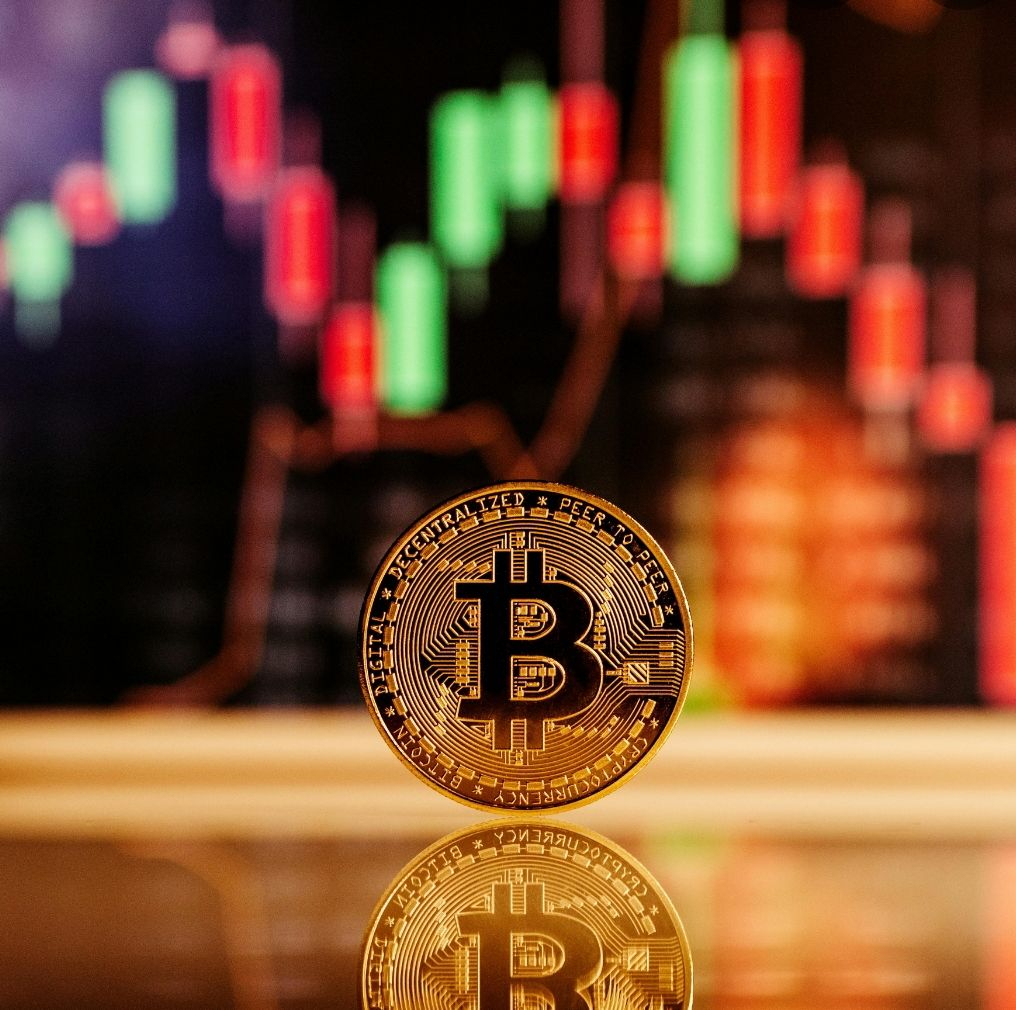
Real World Assets (RWAs) are physical or traditional financial assets (like real estate, government bonds, commodities, private credit, etc.) that are digitally represented on a blockchain as tokens. These tokens can be bought, sold, traded or used as collateral in DeFi and crypto ecosystems — just like crypto assets. #BinanceSquareTalks #BinanceSquareFamily
In simple terms:
👉 RWAs = physical/tangible value + blockchain tradability
👉 Fractional ownership + 24/7 global markets + faster settlement + transparency
👉 Makes traditionally illiquid assets tradable like an ERC-20 token
🚀 Why RWA Tokenization is a Big Trend in 2026
1️⃣ Traditional Finance + Crypto Converge
Major financial players (asset managers, banks) are tokenizing assets because traditional markets see blockchain as a liquidity and settlement upgrade — not just hype. Institutions like BlackRock and others have products tied to tokenized bonds and real assets.
2️⃣ Fractional Ownership = More Investors
Instead of needing $100K+ to invest in a building or sovereign bond, individuals can buy small fractions of those assets via tokens. This broadens access globally.
3️⃣ DeFi Integration
Tokenized assets can be used as collateral in lending protocols, yield farming, or liquidity on decentralized exchanges (DEXs) — blending TradFi with DeFi.
4️⃣ Diverse Asset Classes
RWAs aren’t just about real estate — they include:
✔ Tokenized Treasuries & bonds
✔ Commodities (gold, oil)
✔ Private credit & debt
✔ Real estate & REITs
✔ ESG instruments like green bonds or carbon credits
📈 Current Market Snapshot (2026)
💡 As of early 2026, the total non-stablecoin value of tokenized RWAs on chain is estimated around $19B–$36B, with growth projections to $100B+ by year-end.
💡 U.S. Treasuries make up ~45% of the current RWA market, while gold and private credit are also major components.
This shows RWA isn’t an “emerging idea” anymore — it’s already serious money on chain.