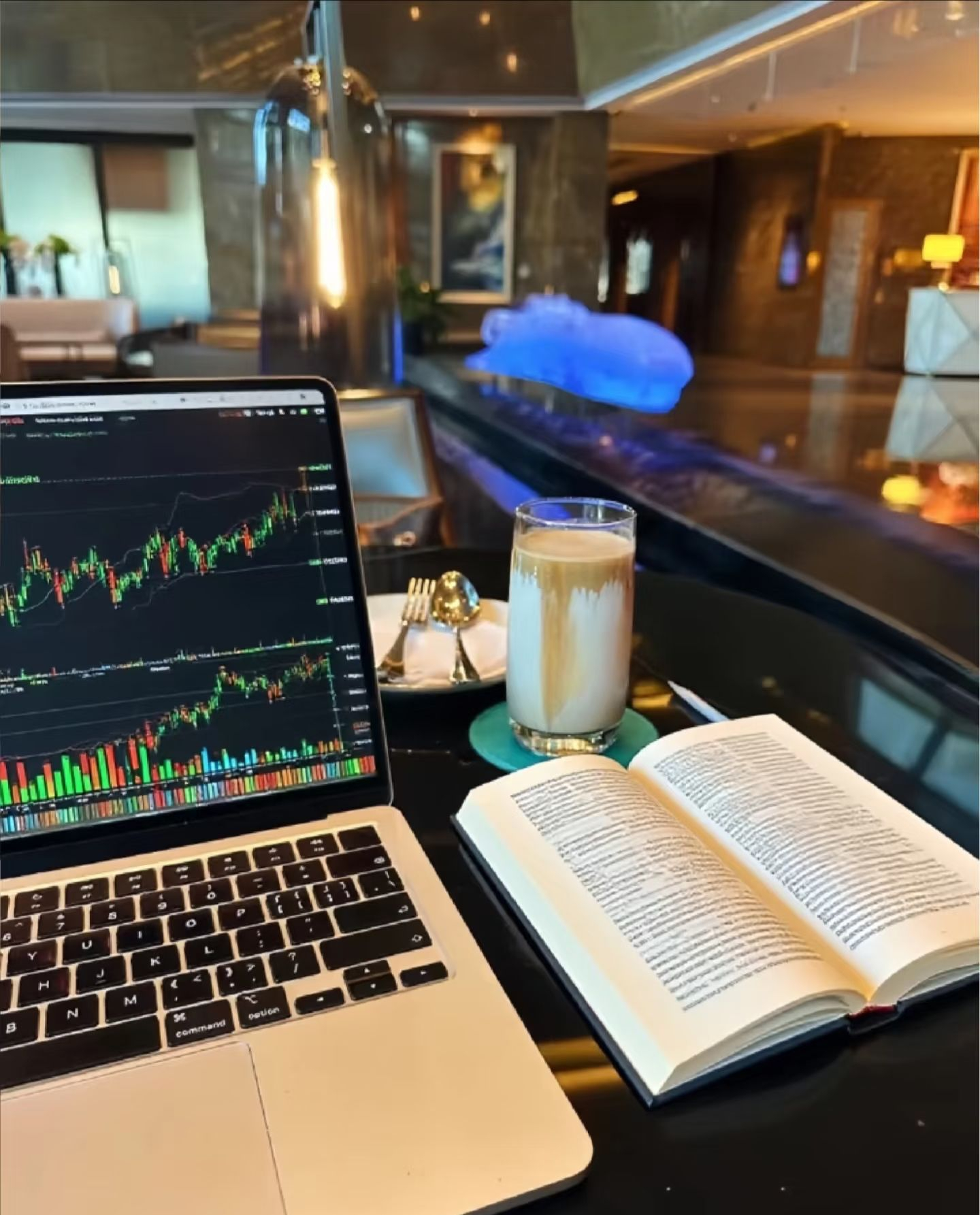
Why does your stop loss get swept, and the price starts rising right after?
Before, a brother found me to review his trades. The very first thing he said was: Bro, am I being targeted by the big players (the “Zhuang”)? Every time my stop loss gets triggered, the price immediately bounces back.
I took a look at his trading record and found one issue.
It’s not that he can’t judge direction—it’s that his stop-loss placement is too obvious.
A little below the previous low, a little below the key integer level, a little below the moving average.
Those places are almost always exactly where retail traders love to put their stops.
Before the market truly kicks off, the main force often tests these levels first, clearing out the floating liquidity in the market.
As a result, many people get washed out right at the lowest point. By the time they react, the price has already rebounded.
But to put it plainly, it’s not that the big players are specifically watching your few hundred or few thousand dollars.
It’s that many people set their stop losses at the same spot.
Later, I told him to change one habit: don’t place your stop loss so close just to lose a little less.
Leave some space below support, and adjust the position according to market volatility.
There’s also another method that many people don’t use—time-based stop loss.
After you enter, if the market keeps failing to move according to your expectation, it means your judgment may be wrong.
Don’t insist on waiting until the price hits your stop-loss line to admit fault.
Not every trade needs to prove that you’re right.
The truly skilled ones are willing to exit when the direction is wrong, and when the direction is right, they can hold on.
Many people treat stop loss as failure.
But if you do this for a long time, you’ll realize: stop loss isn’t loss—it’s protecting your next opportunity.
Before, a brother found me to review his trades. The very first thing he said was: Bro, am I being targeted by the big players (the “Zhuang”)? Every time my stop loss gets triggered, the price immediately bounces back.
I took a look at his trading record and found one issue.
It’s not that he can’t judge direction—it’s that his stop-loss placement is too obvious.
A little below the previous low, a little below the key integer level, a little below the moving average.
Those places are almost always exactly where retail traders love to put their stops.
Before the market truly kicks off, the main force often tests these levels first, clearing out the floating liquidity in the market.
As a result, many people get washed out right at the lowest point. By the time they react, the price has already rebounded.
But to put it plainly, it’s not that the big players are specifically watching your few hundred or few thousand dollars.
It’s that many people set their stop losses at the same spot.
Later, I told him to change one habit: don’t place your stop loss so close just to lose a little less.
Leave some space below support, and adjust the position according to market volatility.
There’s also another method that many people don’t use—time-based stop loss.
After you enter, if the market keeps failing to move according to your expectation, it means your judgment may be wrong.
Don’t insist on waiting until the price hits your stop-loss line to admit fault.
Not every trade needs to prove that you’re right.
The truly skilled ones are willing to exit when the direction is wrong, and when the direction is right, they can hold on.
Many people treat stop loss as failure.
But if you do this for a long time, you’ll realize: stop loss isn’t loss—it’s protecting your next opportunity.