
Post

--
顾清妍
·
--
BullishI used to think blockchain adoption would be limited by technology.
The more I study institutional finance, the less I believe that's true.
What slows large financial systems isn't always transaction speed.
It's decision latency.
Every regulated asset passes through layers of approvals, compliance checks, legal responsibilities, and operational reviews before anything actually moves.
That completely changed how I looked at DUSK.
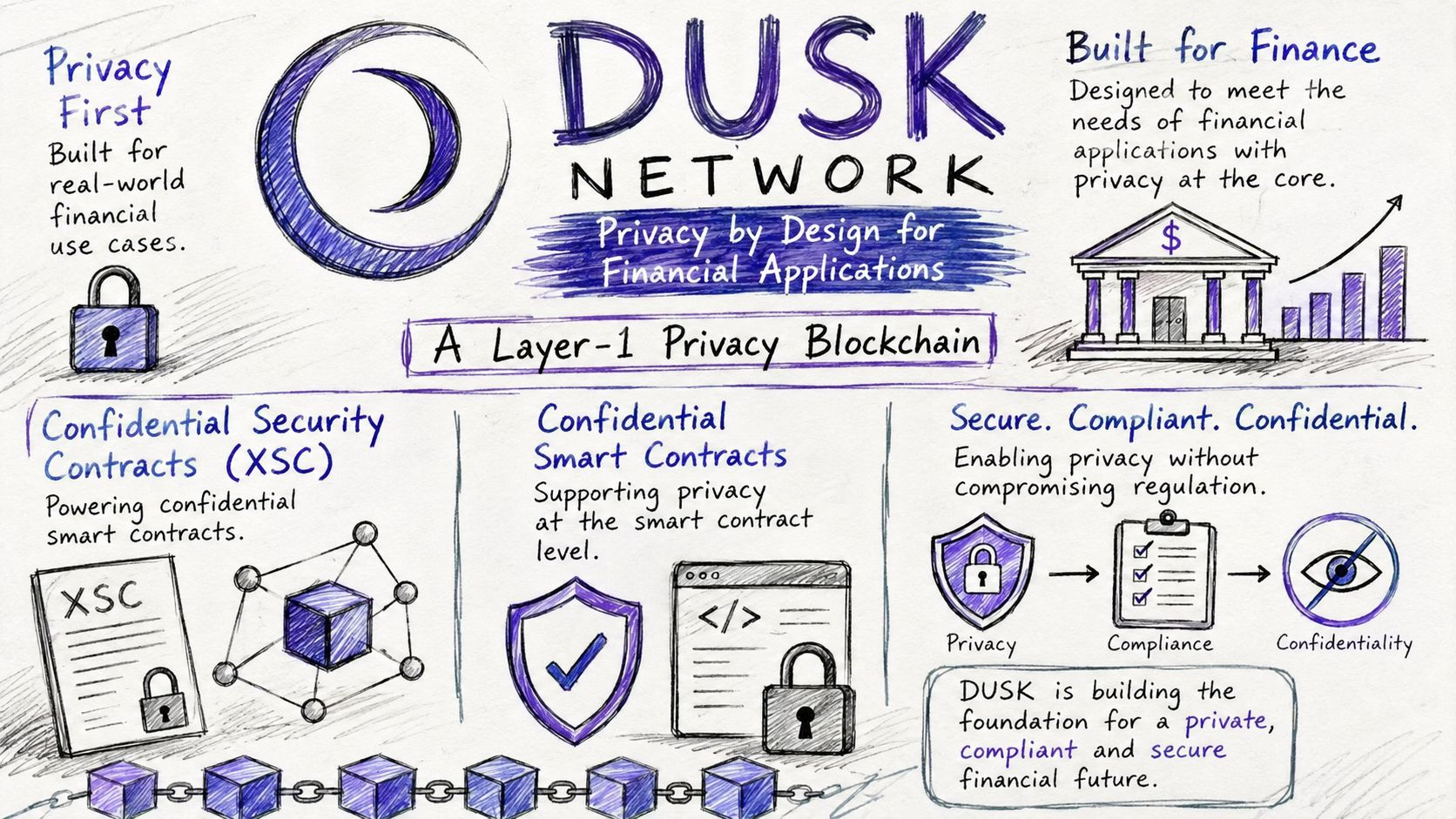
The more I explored Confidential Security Contracts (XSC), the more I stopped thinking about privacy as the headline.
Instead, I started asking a different question:
Can better infrastructure reduce the uncertainty that slows institutional decisions?
I've been reflecting on how financial markets actually operate.
Technology alone doesn't accelerate adoption.
Confidence does.
When every participant understands their responsibilities, sensitive information remains protected, and compliance can be demonstrated without unnecessary exposure, decision-making itself becomes more predictable.
For me, that's one of the more interesting ways to think about DUSK.
Its long-term value may not come from making transactions dramatically faster.
It may come from creating an environment where regulated decisions can happen with greater confidence and less operational hesitation.
That's a much harder problem to solve—and probably a more meaningful one.
@Dusk $DUSK #dusk
The more I study institutional finance, the less I believe that's true.
What slows large financial systems isn't always transaction speed.
It's decision latency.
Every regulated asset passes through layers of approvals, compliance checks, legal responsibilities, and operational reviews before anything actually moves.
That completely changed how I looked at DUSK.
The more I explored Confidential Security Contracts (XSC), the more I stopped thinking about privacy as the headline.
Instead, I started asking a different question:
Can better infrastructure reduce the uncertainty that slows institutional decisions?
I've been reflecting on how financial markets actually operate.
Technology alone doesn't accelerate adoption.
Confidence does.
When every participant understands their responsibilities, sensitive information remains protected, and compliance can be demonstrated without unnecessary exposure, decision-making itself becomes more predictable.
For me, that's one of the more interesting ways to think about DUSK.
Its long-term value may not come from making transactions dramatically faster.
It may come from creating an environment where regulated decisions can happen with greater confidence and less operational hesitation.
That's a much harder problem to solve—and probably a more meaningful one.
@Dusk $DUSK #dusk
Disclaimer: Includes third-party opinions. No advice. Binance AI may be used without guarantee. See T&Cs.