$BNB Privacy and compliance—these two are at odds. Dusk wants to solve them with a single chain.
Dusk’s roadmap is a bit convoluted, but in practice it’s clear. It doesn’t build a generic privacy public chain; instead, it embeds confidential transactions and regulated audit interfaces into the base layer. The goal is explicit: tokenization of securities and institutional-grade RWA. Dusk’s node architecture and zero-knowledge proof approach are designed to provide verifiable compliance computation services—not to hide addresses for the sake of running benchmarks.
After actually running it, though, Dusk’s product maturity is still stuck in the middle layer. The wallet–browser interaction isn’t smooth enough; privacy transaction confirmation times occasionally drift; and block production stability on the testnet fluctuates. For institutional users, this is more fatal than technical parameters. Secret Network leans toward a DeFi playbook, filling compliance identity needs off-chain. Dusk separates identity and privacy into layers, so regulatory audits can land on-chain—this difference has real substance. Concordium also talks about identity, but its privacy relies more heavily on centralized components, making Dusk’s trade-offs feel more native.
The real hurdle Dusk must clear isn’t technical validation—it’s cold start. Privacy-focused financial chains often fall into a strange loop: technical discussions are lively, but real-world asset issuers keep arriving late. Dusk is betting everything on securities tokenization, which means it won’t rise on airdrops or retail sentiment. Instead, it has to rely on deal-by-deal, real issuance integrations. I’m concerned that the developer tools aren’t friendly enough; the documentation isn’t especially welcoming for newcomers. If the ecosystem relies only on official push, it may end up dragging down the network’s real settlement needs.
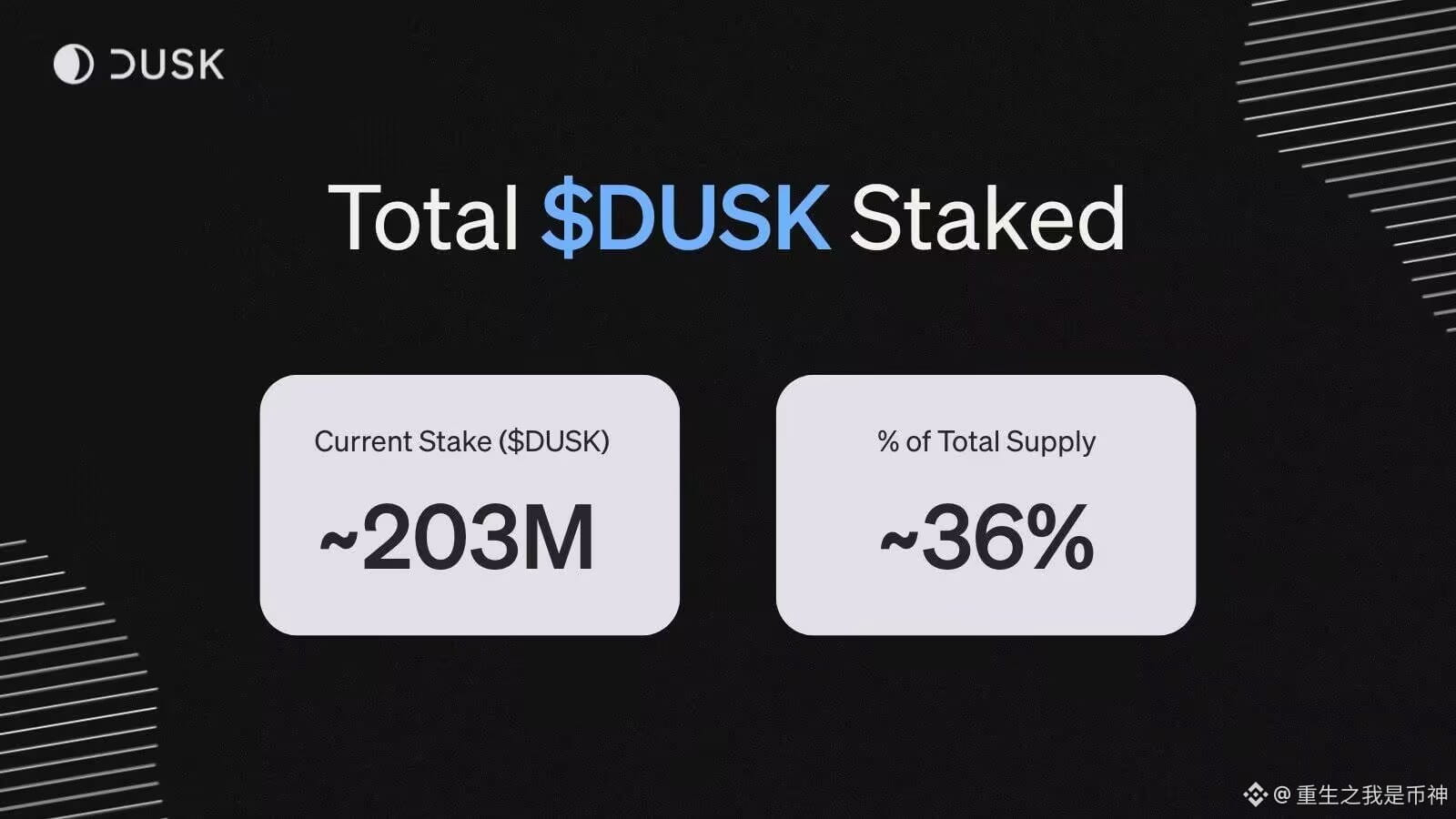
Dusk’s long-term variable isn’t short-term storytelling, but whether institutions are willing to move real workflows onto the chain. DUSK’s value anchor should be validator participation and on-chain settlement frequency—not a belief in privacy. The project has never been noisy, and being noisy was never what it’s aiming for.@Dusk #dusk $DUSK
Dusk’s roadmap is a bit convoluted, but in practice it’s clear. It doesn’t build a generic privacy public chain; instead, it embeds confidential transactions and regulated audit interfaces into the base layer. The goal is explicit: tokenization of securities and institutional-grade RWA. Dusk’s node architecture and zero-knowledge proof approach are designed to provide verifiable compliance computation services—not to hide addresses for the sake of running benchmarks.
After actually running it, though, Dusk’s product maturity is still stuck in the middle layer. The wallet–browser interaction isn’t smooth enough; privacy transaction confirmation times occasionally drift; and block production stability on the testnet fluctuates. For institutional users, this is more fatal than technical parameters. Secret Network leans toward a DeFi playbook, filling compliance identity needs off-chain. Dusk separates identity and privacy into layers, so regulatory audits can land on-chain—this difference has real substance. Concordium also talks about identity, but its privacy relies more heavily on centralized components, making Dusk’s trade-offs feel more native.
The real hurdle Dusk must clear isn’t technical validation—it’s cold start. Privacy-focused financial chains often fall into a strange loop: technical discussions are lively, but real-world asset issuers keep arriving late. Dusk is betting everything on securities tokenization, which means it won’t rise on airdrops or retail sentiment. Instead, it has to rely on deal-by-deal, real issuance integrations. I’m concerned that the developer tools aren’t friendly enough; the documentation isn’t especially welcoming for newcomers. If the ecosystem relies only on official push, it may end up dragging down the network’s real settlement needs.
Dusk’s long-term variable isn’t short-term storytelling, but whether institutions are willing to move real workflows onto the chain. DUSK’s value anchor should be validator participation and on-chain settlement frequency—not a belief in privacy. The project has never been noisy, and being noisy was never what it’s aiming for.@Dusk #dusk $DUSK