In the 2017 Nabo rally, I made dozens of times on a so-called “clone coin,” but in the end I only kept one lesson: money you haven’t cashed out doesn’t really belong to you.
Back then, market sentiment was extremely crazy. A small coin surged from the bottom all the way up—within a few months, it multiplied by dozens.
Every day I opened my account, watching the numbers keep climbing. It’s easy for people to develop an illusion.
You start thinking the rally will keep going. You believe you can still capture even bigger profits—maybe even daydreaming about switching cars or buying a house.
But the final result was just two words: “Didn’t sell.”
After the market reversed, the profits were given back little by little.
What I originally had in hand ended up as only a small fraction.
That’s when I truly understood something: your entry decides whether you can make money, and your exit decides whether you can actually take the money away.
Later, when I started trading, I always stuck to three principles.
First, take profit in batches.
Don’t always think about selling at the absolute peak.
After your principal has doubled, you can first take back your original capital. If the trend keeps going, then gradually reduce your position, letting the remaining holdings follow the market.
This way, you won’t regret selling too early, and you won’t get too greedy and hand all the earlier profits back.
Second, use strict stop-losses.
Before every entry, figure out in advance how much loss you can tolerate at most.
When you reach your stop-loss level, execute immediately—no waiting for a rebound, and no making excuses for yourself.
The market will always have another opportunity. But if your principal is gone, you won’t necessarily get to take that next chance.
Third, lower expectations.
Many people don’t fail to make money; they fail to feel satisfied after they’ve already made some.
Make 1x and you want 2x. Make 2x and you start dreaming of 10x—you keep trying to eat the entire segment of the rally.
But a truly mature trader doesn’t aim to sell at the very highest point. Instead, they aim to steadily secure the profits that belong to them.
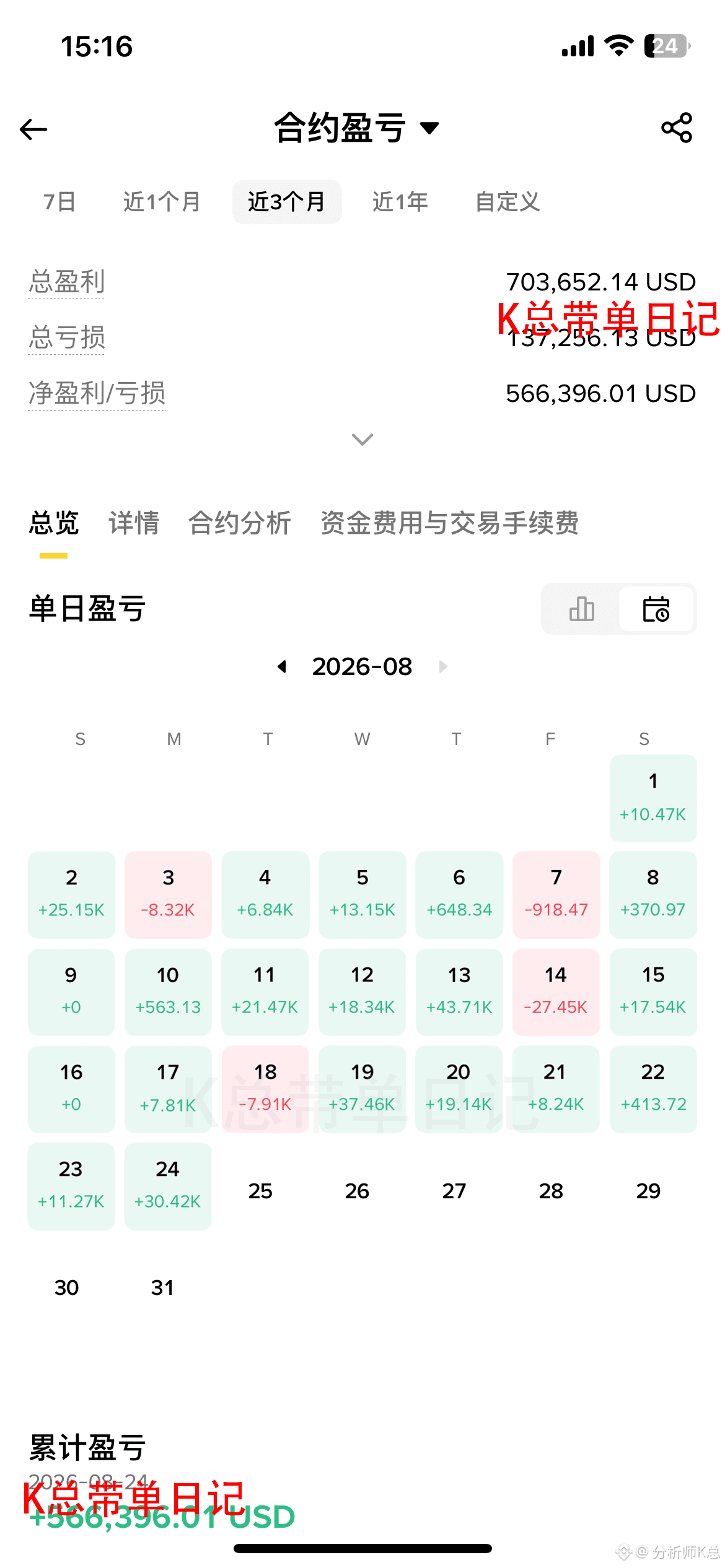
After trading crypto for 9 years, I’ve come to understand this more and more: in the end, trading isn’t about who catches the biggest surge. It’s about who can really keep the profits.
If you want to follow the rhythm, there’s still a spot in the chat room.
Back then, market sentiment was extremely crazy. A small coin surged from the bottom all the way up—within a few months, it multiplied by dozens.
Every day I opened my account, watching the numbers keep climbing. It’s easy for people to develop an illusion.
You start thinking the rally will keep going. You believe you can still capture even bigger profits—maybe even daydreaming about switching cars or buying a house.
But the final result was just two words: “Didn’t sell.”
After the market reversed, the profits were given back little by little.
What I originally had in hand ended up as only a small fraction.
That’s when I truly understood something: your entry decides whether you can make money, and your exit decides whether you can actually take the money away.
Later, when I started trading, I always stuck to three principles.
First, take profit in batches.
Don’t always think about selling at the absolute peak.
After your principal has doubled, you can first take back your original capital. If the trend keeps going, then gradually reduce your position, letting the remaining holdings follow the market.
This way, you won’t regret selling too early, and you won’t get too greedy and hand all the earlier profits back.
Second, use strict stop-losses.
Before every entry, figure out in advance how much loss you can tolerate at most.
When you reach your stop-loss level, execute immediately—no waiting for a rebound, and no making excuses for yourself.
The market will always have another opportunity. But if your principal is gone, you won’t necessarily get to take that next chance.
Third, lower expectations.
Many people don’t fail to make money; they fail to feel satisfied after they’ve already made some.
Make 1x and you want 2x. Make 2x and you start dreaming of 10x—you keep trying to eat the entire segment of the rally.
But a truly mature trader doesn’t aim to sell at the very highest point. Instead, they aim to steadily secure the profits that belong to them.
After trading crypto for 9 years, I’ve come to understand this more and more: in the end, trading isn’t about who catches the biggest surge. It’s about who can really keep the profits.
If you want to follow the rhythm, there’s still a spot in the chat room.