


Many people, after entering the crypto market, always think they can find a quick chance to turn things around. Especially those who run real-world businesses—they feel that since they’ve experienced market competition, understand operations, and understand people, they should do just as well in the investment market. But the harshest part of the market is this: making money in business relies on experience, while trading relies on discipline. Your past may have been glorious, but the market won’t give you special treatment just because you succeeded before.
Today I’m sharing a story submitted by a fan. Lao Chen used to do business in a clothing wholesale market. When he was young, every day he went to the market to pick up goods at around 3 or 4 in the morning. While others were still sleeping, he was already selecting items, negotiating prices, and moving inventory. At first, it was just a small shop of a few dozen square meters. Every day he made money by running around to clients and maintaining relationships, building his business little by little. After several years, he went from an ordinary wholesaler to having his own supply chain. He had employees, stable customers, and earned the first bucket of life-changing money through the clothing industry.
He entered the crypto world because of an e-commerce client. The two of them collaborated quite often, and the other party would frequently talk to him about BTC, blockchain, and digital assets. At first, Lao Chen wasn’t interested. He thought that if he just ran his clothing business well, that would be enough. But later he realized that behind this industry, many of the underlying logics are similar to those in traditional business—competition driven by information gaps, knowledge gaps, and judgment. So he started studying slowly.
When he entered the market for the first time, he didn’t impulsively go all-in. Instead, he used 300,000 to buy spot. At first, he also experienced volatility, but later he caught a wave of the market trend—300,000 turned into over 3 million. During that time, for the first time he felt that wealth growth doesn’t necessarily rely entirely on hard work every day. Sometimes, after improving one’s mindset, the speed of making money really can change.
But for many people, the turning point happens right after they start making money.
After he made money, Lao Chen began to get involved in futures trading. At first, he was extremely cautious and only used a small portion of his funds to try. After several times of making correct judgments in a row, the account’s growth speed kept getting faster. Sometimes, the money he earned in a day was higher than the profit from a whole month of running a clothing shop.
Slowly, he began to develop a certain illusion.
He feels that after so many years in business, he can read people and judge the market well, so his trading probably won’t turn out badly either.
The money he made at the beginning made him trust his ability more and more, but he forgot that the biggest risk in the market is that when people are riding favorable winds, they’re most likely to lose their sense of awe.
Later, during a market rally, he judged that the market would continue rising, so he went all-in on one direction.
When he first started losing 1 million, he told himself, “This is just a normal pullback. Once it rebounds, it will come back.”
When he was down to 2 million in losses, he still thought, “The direction isn’t wrong—it’s just that the market hasn’t moved out yet.”
It wasn’t until his losses grew to 5 million that he truly realized he wasn’t losing to the market—he was losing to his own emotions.
Those days were the lowest point of his life.
His investment account shrank, and his clothing business was affected too. Because he put too much energy into trading, the company’s management became problematic—inventory, employees, and cash-flow pressure all piled up. Back then, when he faced customers every day, he felt making money was hard. Only later did he realize that protecting the money you’ve earned is even harder.
That experience made him understand one thing: in the trading market, the most dangerous people are not those who can’t make money, but those who, after making money, think they can’t lose.
After that, Lao Chen didn’t rush to make it all back. Instead, he reorganized his trading approach.
He completely separated trading from his real-world business and no longer used money that affected his life to participate in the market. He started studying market cycles and re-learning position management and risk control. In the past, he pursued making a lot in one go; now he cares more about whether each trade can be consistently stable over the long term.
His trading rules also changed: when there is no clear trend, he doesn’t force entries; if the direction is wrong, he accepts the stop-loss; when the market isn’t suitable for his style, he would rather wait than trade just to prove himself.
After several years of accumulation, he caught a few trend cycles and slowly got his funds back.
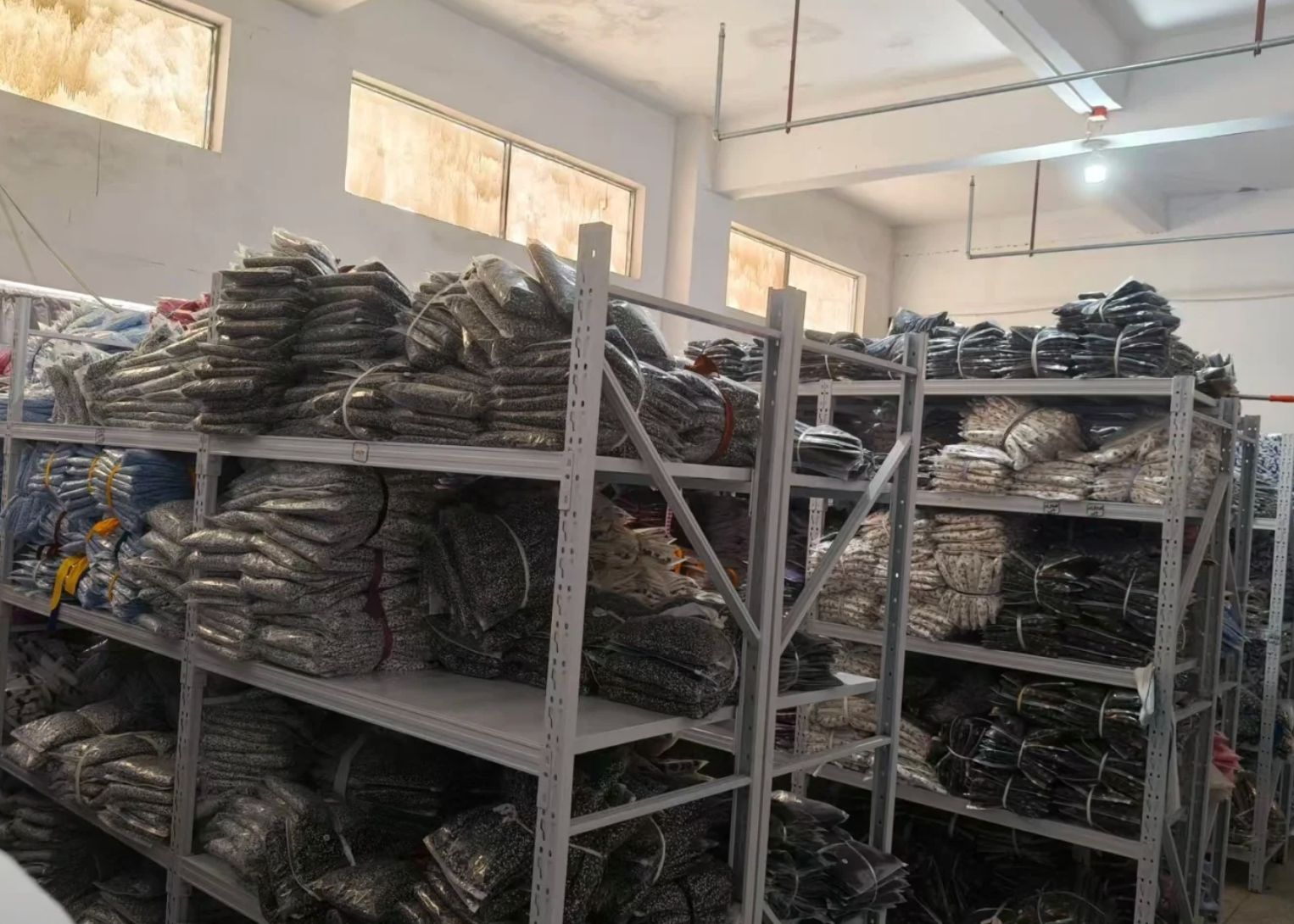
Now his clothing business has resumed growth, and his investment account has also returned to a relatively high level. His current income structure is much healthier than before—part comes from cash flow from the real business, and part from investment returns. In the future, he plans to build his own clothing brand, while continuing to research asset allocation.
He has a message for ordinary investors:
“True wealth isn’t how much you’ve made in the past, but whether you still have the ability to recreate wealth after experiencing losses.”
In fact, in the coin world, the real comparison isn’t who dares to rush, but who can last the longest.
Position management is leaving yourself a way out; stop-loss is admitting that the market might be wrong forever; waiting for opportunities is preventing trading from becoming gambling; controlling emotions is a trader’s greatest discipline.
If you’re also exploring the market and want to build your own trading system, you can join our team to exchange ideas with us. This isn’t about encouraging you to chase overnight wealth; we’ll help you review the market, summarize methods, and slowly turn trading from relying on instincts into relying on rules.
The market always rewards those who are prepared. When opportunities come, whether you can seize them depends on whether you’ve been prepared beforehand.