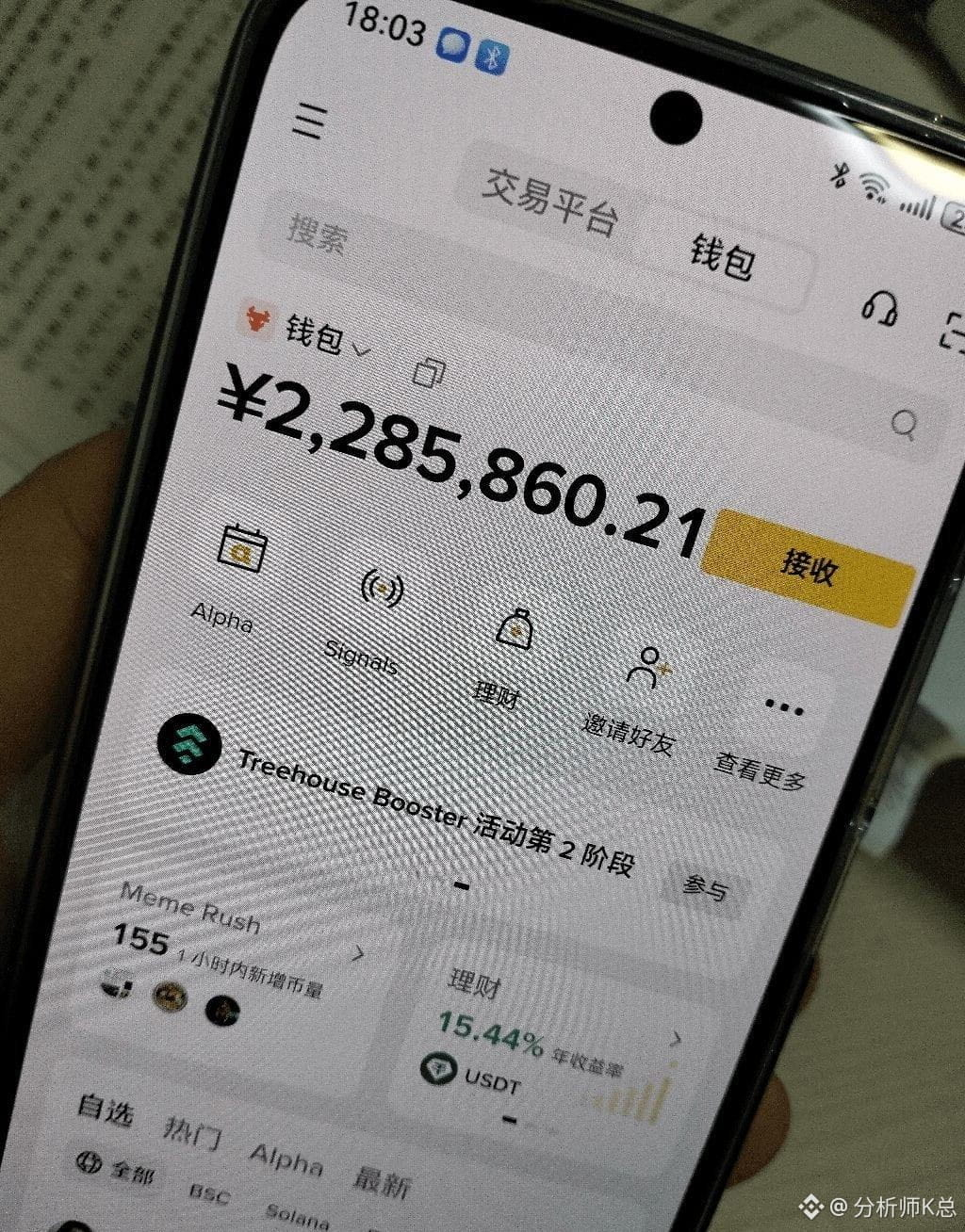
8000U from one road to millions—an older mentor finally only told me one sentence: stabilize your mind first
When I first heard it, I thought it was too simple
Later, after staying in the market for a long time, I realized this sentence is more valuable than many indicators
Many people lose money—not because they can’t read the market, but because they’re too impatient
When it rises a few percentage points, they’re afraid of missing out and rush in immediately; when it drops, they’re afraid it will keep falling, so they cut quickly. When it chops sideways and shakes a bit, the market ends up confusing people first
What hurts the most is that sometimes, even when you clearly see the direction correctly, you still end up not making money
The problem is emotions
Now when I encounter sideways action, I basically won’t force trades
No volume, no clear direction, and support/resistance getting swept back and forth—this kind of market looks like it has opportunities every day, but it’s actually what grinds your account down the most
There aren’t that many truly comfortable opportunities
Once the trend appears, volume follows, and the structure is clear—then it’s not too late to act
And one more thing I’ve always put first: position sizing
Don’t stake all your principal on one direction. And don’t touch your living expenses or borrow money to trade
You can keep a baseline position in mainstream coins, and for high-volatility small coins, use small size to test. If you’re wrong, admit it—you can still continue next time. If you wipe yourself out in one move, then no matter how good the market gets later, it won’t have anything to do with you
After trading for a long time, I’ve already thought very rarely about whether “this trade can double”
What I care about more is: if this trade is wrong, will I act irrationally? If I’m wrong two times in a row, can I still follow the original rules?
The real people who can stay in the crypto market for a long time—technical skill may not be the flashiest, but their emotions are definitely rock solid
The truly great ones aren’t the ones who win every time; it’s the ones who, when the market gets messy, stay steady themselves. Brothers who want to trade in sync with the rhythm—there’s still a spot in the chat room.
When I first heard it, I thought it was too simple
Later, after staying in the market for a long time, I realized this sentence is more valuable than many indicators
Many people lose money—not because they can’t read the market, but because they’re too impatient
When it rises a few percentage points, they’re afraid of missing out and rush in immediately; when it drops, they’re afraid it will keep falling, so they cut quickly. When it chops sideways and shakes a bit, the market ends up confusing people first
What hurts the most is that sometimes, even when you clearly see the direction correctly, you still end up not making money
The problem is emotions
Now when I encounter sideways action, I basically won’t force trades
No volume, no clear direction, and support/resistance getting swept back and forth—this kind of market looks like it has opportunities every day, but it’s actually what grinds your account down the most
There aren’t that many truly comfortable opportunities
Once the trend appears, volume follows, and the structure is clear—then it’s not too late to act
And one more thing I’ve always put first: position sizing
Don’t stake all your principal on one direction. And don’t touch your living expenses or borrow money to trade
You can keep a baseline position in mainstream coins, and for high-volatility small coins, use small size to test. If you’re wrong, admit it—you can still continue next time. If you wipe yourself out in one move, then no matter how good the market gets later, it won’t have anything to do with you
After trading for a long time, I’ve already thought very rarely about whether “this trade can double”
What I care about more is: if this trade is wrong, will I act irrationally? If I’m wrong two times in a row, can I still follow the original rules?
The real people who can stay in the crypto market for a long time—technical skill may not be the flashiest, but their emotions are definitely rock solid
The truly great ones aren’t the ones who win every time; it’s the ones who, when the market gets messy, stay steady themselves. Brothers who want to trade in sync with the rhythm—there’s still a spot in the chat room.