In the consumer market, entertainment celebrities no longer feel satisfied with just “showing their faces” as spokespersons. They’re opening shops in droves, launching all kinds of sports-style apparel, and even truly incubating athletic brands.
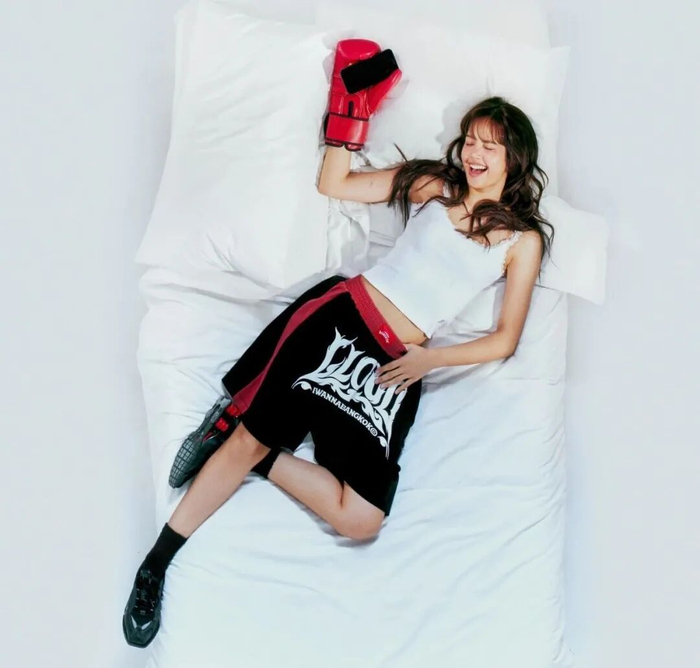
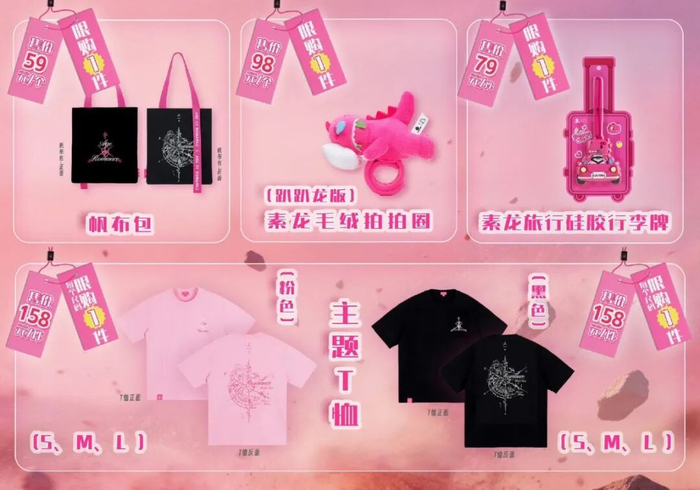
LISA’s LLOUD rolled out a GYM series inspired by Muay Thai; NikeSKIMS, built by Kim Kardashian and Nike, is set to “land in Shanghai” soon; Zhao Lusi’s ROSYDOEDIAN previously combined tennis designs for a new launch; “the people’s coach” Liu Genghong and his wife founded the sports brand VIVICYCLE; an outdoor brand 30C incubated by a company associated with Bai Jingting has also held running community activities…
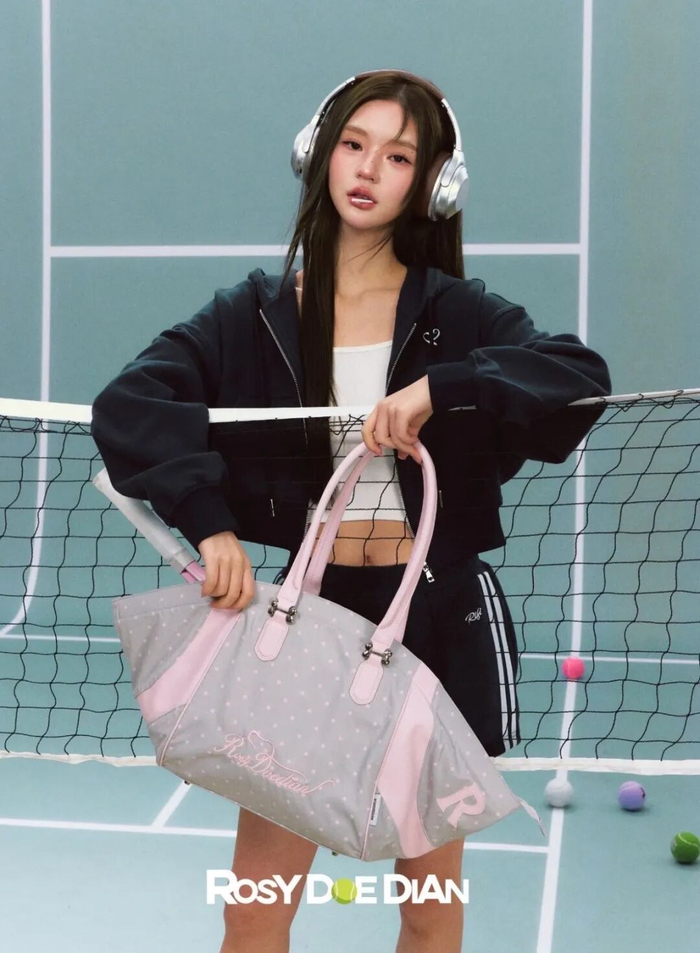
Image source: LLOUD’s social media
Behind this is both the increasing weight of sports elements in the consumer market—brands actively cater to it—and objectively the maturity of sportswear supply chains: from design and fabrics to contract manufacturing, the entire system is already sufficient to quickly turn sports elements into product execution.
From printed pattern wholesale-plug streetwear to fitness gear—from everyday life to specific sports scenarios—today’s celebrity brands are popular for telling stories using the language of sports.
For celebrities to do branding isn’t anything new.
In the past, the logic of this business was probably: open an online store that doesn’t require too much cost, add some personal elements into the design; the curator/owner himself and friends in the circle model the products. After gaining a small amount of buzz, they would then collaborate with a more established fashion or sports brand. After a few moves, fans—and young consumers who like to keep up with fashion—would naturally buy.
Famous singers such as Jay Chou, JJ Lin, Mayday, and Jason? also have managed/curated brands. Most feature oversized unisex silhouettes, with brand logos that are highly associated with the celebrity printed on them. And if they coincide with special moments like debut anniversaries or birthdays, they can even release limited editions.
In the recent peak season for concerts, it’s common to see many celebrity music-related/bespoke? merch brands from artists like Wang Sulong and Zhou Shen, selling branded apparel accessories that have been available online for the long term or during tours.
Star brands selling and manufacturing apparel has become the norm?
But nowadays, there are more ways to play beyond the set pattern.
First and most directly, the share of sports elements in the product has increased.
This trend can be sniffed out from earlier clues such as CLOT by Jay Chou? and PEACEMINUSONE by G-Dragon. The former, filled with elements of Chinese folk style and a “condensed” value system, after teaming up with Nike for years, shifted to Adidas and ushered in another era; the latter’s little daisy collaboration with Nike directly sparked a wave of “sneaker reselling” hype.
Besides the celebrity halo, a major reason both have gone viral is that they don’t rely solely on streetwear-trend storytelling—they ride on the hot “window” when sportswear was booming back then. This is also part of what many celebrity brands are strengthening right now.
GOODBAI? by Bai Jingting: The original main storyline was also gender-neutral fashion. Relying on himself and a host of celebrity friends modeling the pieces, he became known in the entertainment industry and for fandoms. As the “healing economy” kept growing in scale, he also combined his own image to develop an IP, selling plush toys and keychains, and collaborating with brands that are well-known among the public such as Sephora, Hali Lew? (Hao Lilai??), and Watsons.
As sports gradually become a way of life for more people, their brands create sports-style series such as “their teams,” “golf girls,” and “tennis summer camps.” And when outdoor and running trends take off, the brand-management company in which he holds shares also incubates the outdoor brand 30C; while launching off-road running apparel, it doesn’t forget to operate running communities.

Source: GOODBAI social media?
“The national coach” Liu Genghong builds fitness gear; the elements of Muay Thai and popular Southeast Asian sports like surfing that LISA has added to her own brand; and Wang Jiaer—an athlete by background who is obsessed with fitness—has launched sports tank tops and shorts under TEAM WANG… Fitness, running, the outdoors—adding these sports elements to products and telling stories in “sports language” is a new answer that many celebrity brands have found beyond just chasing trends.
However, the change in product style is only one aspect; how to continuously convert the traffic brought by this sports trend into revenue and “lasting retention” is equally crucial.
In response, many celebrity brands choose to show up in person offline to “make their presence felt.”
Established for just 5 years, Bai Jingting’s GOODBAI has already opened stores in Beijing, Shanghai, Chengdu, Hangzhou, and Anaya? and other places, with series of clothing such as basketball, baseball, and tennis. Overseas, the brand has also made its way through cities like Paris and Singapore. Not long ago, it also appeared in Seoul.
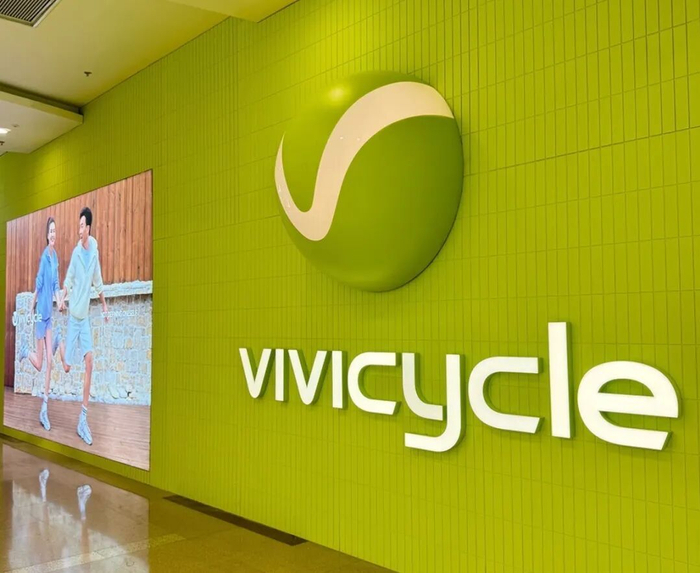
LISA’s LLOUD lands in places like Bangkok, Tokyo, Seoul; during Zhao Lusi’s Bangkok concert period, her brand ROSYDOEDIAN opens a pop-up in the same city; and Liu Genghong and his wife’s sports brand opened its first store a year ago, announcing a “Hundred Cities, Hundred Stores” plan with direct operation plus franchising exceeding 100 stores.
VIVICYCLE offline stores?
In the past, most celebrity brands focused their efforts on online channels, because physical stores must shoulder costs like rent, renovation, utilities, labor, and various tangible and intangible operating expenses. Meanwhile, they also have to spend a lot of effort maintaining everything. Even if it’s just a short-term pop-up store, it can’t match the lightweight and highly flexible nature of online presence.
But in recent years, there are actually more and more celebrity brands that place increasing importance on building offline channels.
Most of them open physical stores while still retaining mini-program direct sales and listings on e-commerce platforms, because everyone understands: to build a brand long-term, relying on only one channel isn’t enough.
Store links and new product display windows are places where fans who track the idol’s updates in real time won’t miss out. But for “passers-by”—those who might only click in occasionally because of the celebrity halo—or ordinary consumers, personalization algorithms from major social media and e-commerce platforms will stretch the gap between celebrity brands and the real market ever wider.
Against this backdrop, the value of physical stores becomes especially prominent.
In-store visuals, flow/paths, displays, and even the lines of people at the entrance queuing to take photos—these contents presented through the store are themselves part of the brand introduction.
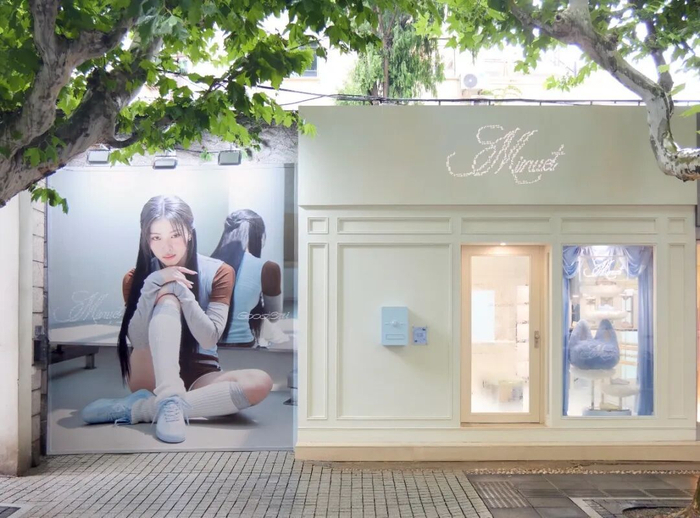
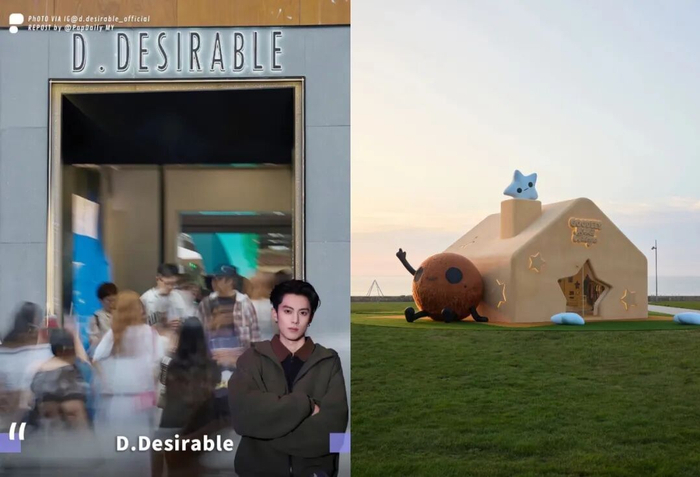
Just like D.Desirable opened by Wang Hedi on Shanghai’s Anfu Road. As the whole street area has gained popularity on social media at home and abroad, it has become a well-known “City Walk” photo-stop. Bai Jingting’s pop-up store by the seaside in Anaya, which stands out due to its design sensibility—after successfully testing the waters there, it then opens even larger stores. Many fans even travel across cities and countries just to buy the idol’s exact styles and take photos from the same camera angles.

? Overseas media include D.Desirable in popular City Walk photo-stops (left) ? ? GOODBAI’s pop-up store in Anaya (right)
Products reach consumers directly and visually display the brand image—turning abstract brand positioning into tangible, felt experiences, and even delivering emotional value to fans that money can’t measure. Many store features simply can’t be fully replaced by online channels.
It’s just that compared with the consumer-familiar large-scale brands, celebrities prefer to use pop-up stores to test and activate the local market—following a path of lightweight validation first, and then deciding whether to make a bigger move.
? GOODBAI collaboration with Shen Liu? ? A dance studio pop-up store landing in Shanghai in mid-August
In recent years, with anxiety in the entertainment industry and a generally unfavorable environment, celebrities’ enthusiasm for developing side businesses and building brands has only grown stronger.
But amid this wave of hype, many brands still rely heavily on mature domestic apparel supply chains, mainly using contract manufacturing and private-label collaborations to quickly capture short-term traffic. As the initial heat and novelty gradually fade, if the products and marketing still don’t keep up, they’ll slowly be forgotten until they’re effectively “no longer relevant,” and truly able to stay on the “brand table” are only a small number.
If brands aren’t satisfied with just indulging in “self-entertainment” visible only to fans, they have to face real risks: inconsistent quality in manufacturing/contract production, marketing mishaps, and the reality that “if the celebrity isn’t popular anymore, no one pays attention to the brand.”
Especially for brands determined to tell narratives about a sports lifestyle and ambitious about a broader consumer market, they still face multiple tests: professional barriers, community/circle walls, and approval from sports enthusiasts.
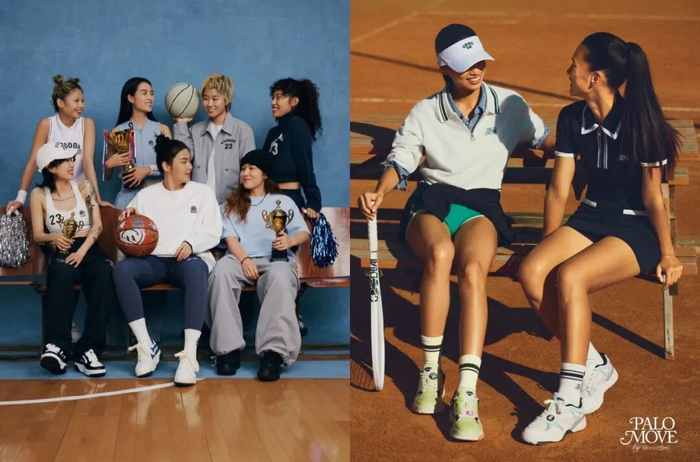
? The tennis-style apparel that Zhao Lusi’s brand previously released
From online platforms to offline stores—from street trends to sports fashion—different celebrity brands each have their anchors, and to varying degrees they’ve built out product lines and signatures, even attracting more people eager to try.
It’s just that whether they can truly turn doing sports into a viable business, or whether it’s only a fleeting flash in the trend—everything can only be answered by time.
*Header image and cover image source: LLOUD