I keep wondering if a XSC on @Dusk can exist longer than the very company that issued it. It sounds a bit strange, but it’s a real question. Tokens are immortal — they sit on the ledger; no one can delete them. As long as the network is running, they remain there.
So what happens when the company behind it goes bankrupt, dissolves, or simply disappears? Turns out the assets are still intact in your wallet.
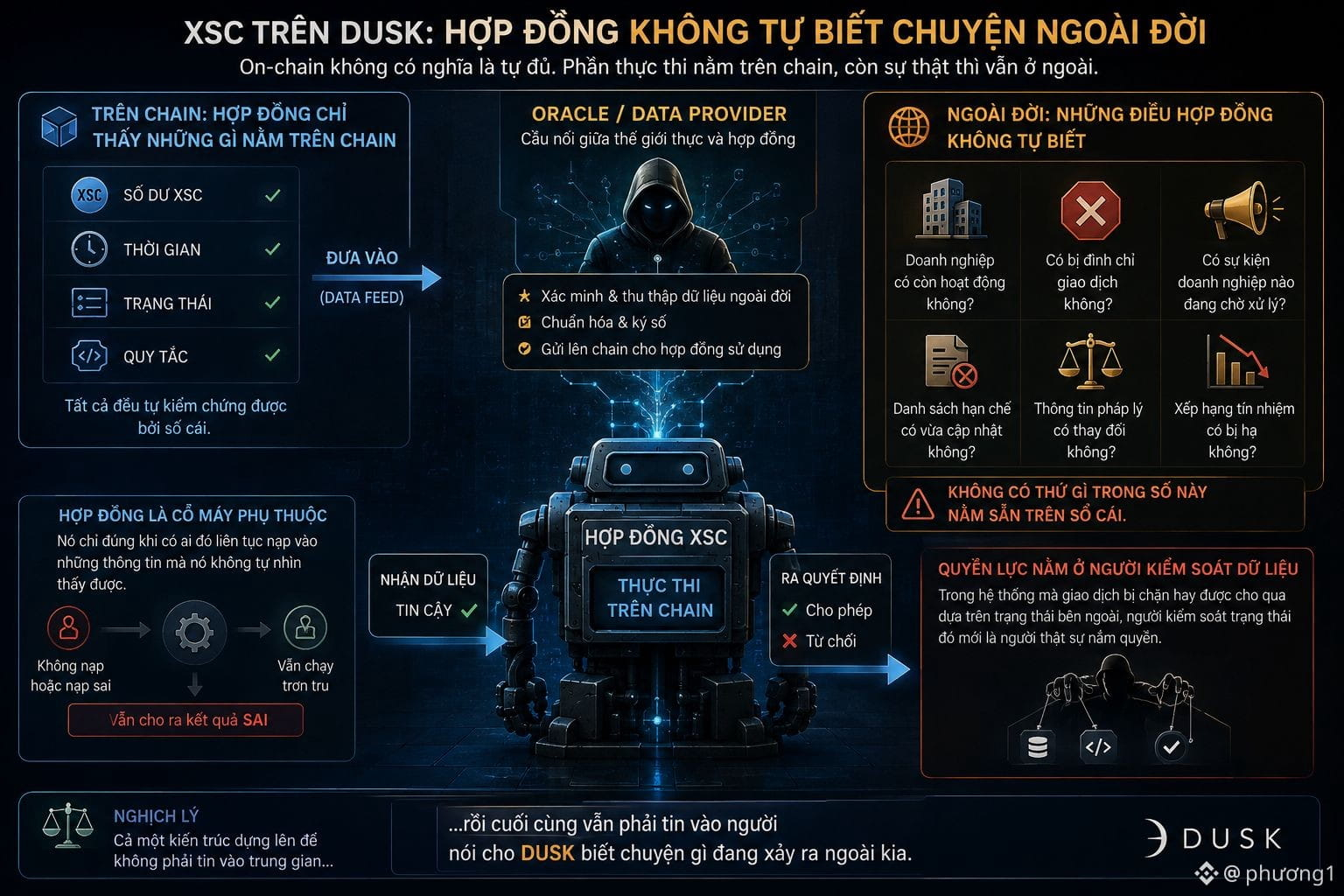
They can still be transferred if the conditions still match. They still show a number. It’s just that what they represent is no longer there. Shares of a dead company remain a perfectly valid data entry on-chain. And that’s where I keep stumbling. I thought the ledger was where truth was recorded.
Actually, it’s where whatever gets deposited is recorded. The truth out there may have changed long ago, and there’s no natural mechanism that makes the ledger aware of it. So the notion of immutability — the thing still considered the biggest advantage — turns into a problem when the asset is tied to an entity with a finite lifespan. This requires something that very few people discuss: the process of declaring an asset dead.
Who has the authority to mark a XSC as no longer valid, based on what grounds, and who is responsible if that isn’t done? It sounds very administrative, very boring. But without it, the chain will gradually accumulate assets that look like they’re still alive.
That part still feels backwards.
Build a system so assets can exist forever, then realize that the hardest thing is to make it know when to stop. I’m curious whether $DUSK has already answered that part.
#dusk $BTC $ETH